
Komodo National Park Strengthens Marine Protection as Indonesia Tourism Grows

Published
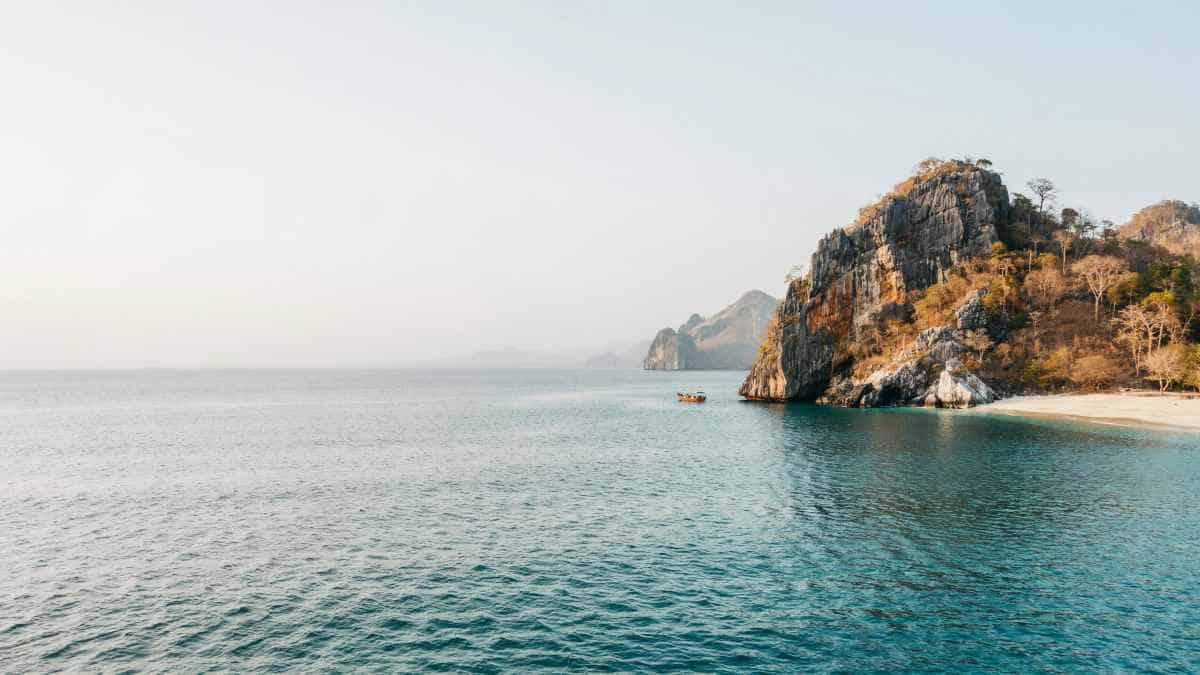
Komodo National Park of Indonesia has continued to connect the conservation of marine life to tourism management as demand rises around Labuan Bajo and marine areas within East Nusa Tenggara. It is an ecosystem that has terrestrial and marine elements that comprise coral reefs, marine biodiversity, snorkelling areas, manta rays, among others, in addition to the famous Komodo dragons. The claim that a new marine protection area was operationalised on October 7, 2026, with satellite surveillance and cruise ship anchoring restrictions in addition to fees raised directly for community reef patrolling has been unverifiable from the current resources of the Indonesian Government on the topic. Conservation efforts that exist have provided the structure to regulate tourism in addition to marine conservation.
Marine Tourism Remains Central to Komodo Travel
Komodo National Park covers about 219,322 hectares, including land and surrounding waters. The park encompasses Komodo, Rinca and Padar as its principal islands, together with numerous smaller islands.
For international visitors, the marine environment is one of the destination’s major attractions. Diving and snorkelling provide access to coral reefs and marine habitats where travellers can encounter manta rays, turtles, dolphins and other species.
Manta Point, also known locally as Karang Makassar, is among the best-known marine attractions in the park. The area is recognised for encounters with giant manta rays and is used by divers and snorkellers visiting the region.
Advertisement
Advertisement
The combination of wildlife tourism and marine recreation makes conservation management particularly important for the local tourism economy.
Visitor Management Expands Across the Park
Komodo National Park has increasingly used visitor-management measures to control pressure on sensitive areas.
Advertisement
Advertisement
From April 1, 2026, the park introduced a maximum daily visitor quota of 1,000 people, with visitors required to register through the SIORA online reservation system.
The system adds another layer of planning for travellers heading to the park, particularly during periods of strong demand. Visitors need to consider availability before arranging boat transfers, accommodation and activities in Labuan Bajo.
Advertisement
Advertisement
The quota also demonstrates how visitor numbers can be managed within a protected destination where tourism activity takes place alongside wildlife and ecosystem conservation.
Community Participation Supports Conservation
Community participation is already part of conservation activity in and around Komodo National Park.
Past coral-restoration projects in the park have involved residents of Papagarang, including members of community groups and local boat operators. These initiatives have included coral transplantation and monitoring designed to support the recovery of reef ecosystems.
Local residents also participate in tourism through guiding, boat services, accommodation, handicrafts and other visitor-related activities.
Advertisement
Advertisement
The connection between community livelihoods and conservation is particularly important because villages within and around the national park depend on natural resources and tourism activity.
Reef Health Remains a Management Priority
The condition of coral ecosystems is regularly monitored in different parts of Komodo National Park.
Reef-health monitoring has covered locations including Siaba Besar, Loh Sebita, Gili Lawa, Loh Gong, Padar, Loh Kima, Loh Mondo and the waters around Papagarang.
Monitoring programmes examine coral and marine communities to provide information for management decisions. The park’s marine environment forms part of its wider conservation value and supports the tourism activities that attract divers, snorkellers and wildlife travellers.
For visitors, the health of these reefs directly affects the quality of marine experiences, from underwater visibility and coral diversity to opportunities to observe larger marine species.
Labuan Bajo Remains the Main Tourism Gateway
Labuan Bajo on Flores remains the principal gateway for visitors travelling to Komodo National Park.
Advertisement
Advertisement
The town is served by Komodo International Airport and a port used by tourism vessels travelling towards the national park. Depending on the destination within the park, travellers generally continue by speedboat, traditional phinisi or other authorised vessels.
Travel times vary according to the island, vessel and sea conditions. Popular destinations include Komodo Island, Rinca Island, Padar Island and marine sites around the park.
Labuan Bajo has also developed a wider tourism economy around the national park, with hotels, restaurants, diving operators, boat companies and tour services supporting visitors.
Conservation Shapes the Future of Indonesia Tourism
Indonesian authorities have been constantly developing the network of marine conservation of the country as an essential element of the strategy to protect the oceanic ecosystem and use it in a sustainable way economically. Thus, in 2026, one of the main objectives of the government policy will be to conserve 30% of the marine waters of Indonesia by 2045. The Komodo National Park is an example of how conservation and tourism can be integrated into the management of the destination. Apart from visitor numbers, marine zoning, reef monitoring, community participation, and tourism regulations, there are other elements of the complex strategy. Concerning the tourists who visit Komodo, the conservation strategy implies that access to the destination depends on the number of visitors, permits, zoning, and the local situation. It is important to follow the rules of the park and use the official tourism services in order to protect the destination and support local communities that earn their living through tourism. Komodo is not only the habitat for dragons. The marine ecosystems, diving sites, manta rays, coral reefs, and islands make Komodo an attractive destination for international nature tourism in Indonesia.
Advertisement
