
Astonishing Iceland Waterfalls in October Surge with Unprecedented Torrential Power What Travellers Need to Know?

Published
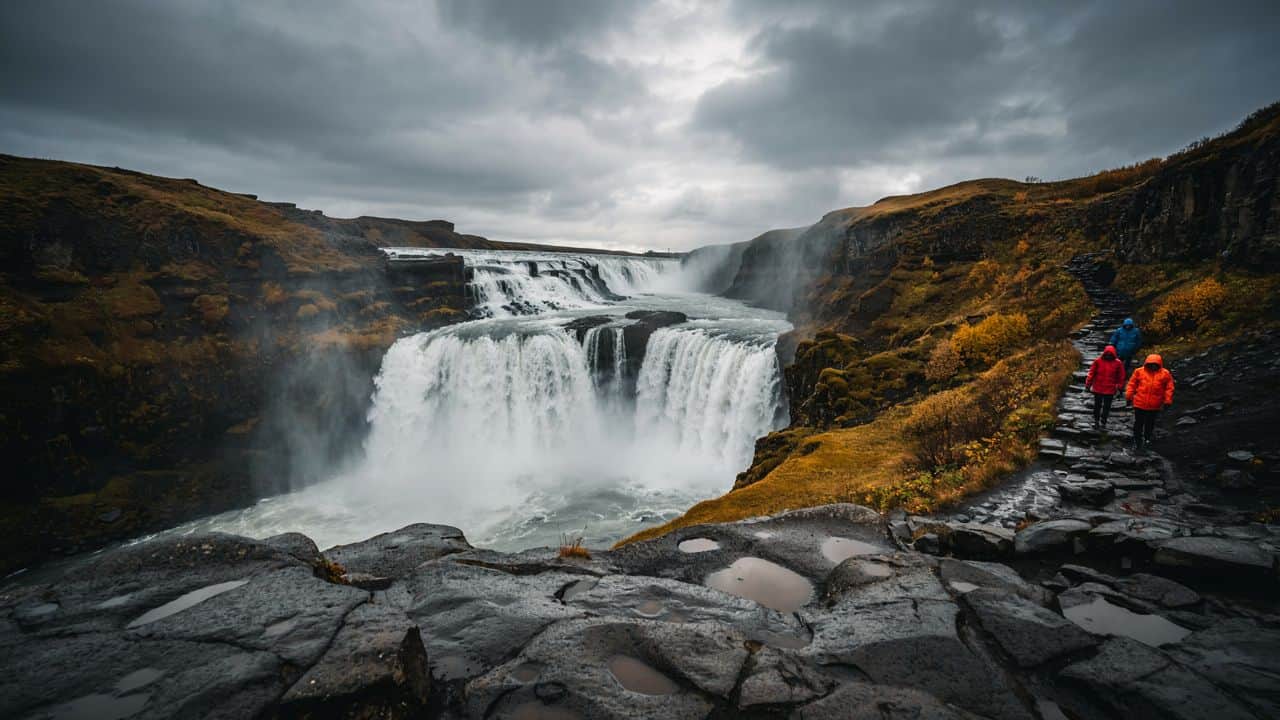
Image generated with Ai
Formidable Iceland waterfalls in October present an astonishing spectacle of raw hydrological power. The Icelandic Meteorological Office monitors these extreme seasonal surges meticulously. Officials confirm that heavy autumn rain and glacier melt drive peak water volumes. Torrents of glacial meltwater combine with severe Atlantic storm systems. This compounding effect creates peak conditions for Gullfoss, Skógafoss, and Seljalandsfoss. The Environment Agency of Iceland closely manages these fragile environmental zones. Strict visitor guidelines protect both the natural monuments and public safety. Travellers must understand the intense meteorological reality before visiting these locations. Proper preparation ensures a safe and compliant viewing experience.
The Hydrology of Autumn Rain and Glacier Melt
The Icelandic Meteorological Office records intense autumn precipitation across southern regions. October consistently delivers heavy, sustained rainstorms to the West and South. Glacial rivers simultaneously reach their maximum annual discharge levels. This volumetric discharge is measured formally in cubic metres per second. Extensive summer melting of interior ice caps fuels these surging rivers. Subglacial geothermal activity further increases the baseline meltwater volume.
The compounding effect of rain and runoff creates extreme water flows. Autumn glacier melt accelerates as early winter storms lash the highlands. These environmental factors transform gentle summer streams into dangerous torrents. Hydrologists continuously analyse this constant stream of information to issue public warnings. The volumetric discharge of rivers is mapped using complex algorithmic models. Extreme weather events in October frequently test the limits of these sensors.
Key Drivers of Water Flow
| Hydrological Factor | Seasonal Peak | Environmental Impact | Data Authority |
| Heavy Rainstorms | October | Raises baseline river levels rapidly | Icelandic Meteorological Office |
| Glacial Ice Melt | Late Summer | Sustains high volumetric discharge | Environment Agency of Iceland |
| Geothermal Activity | Year-round | Melts subglacial ice caps continuously | Icelandic Tourist Board |
Gullfoss Nature Reserve Regulations and Flow Dynamics
Gullfoss cascades dramatically along the powerful Hvítá glacial river. This immense waterway originates directly from the Langjökull ice cap. Historical flood tracking by the Icelandic Meteorological Office highlights massive October spikes. Heavy autumn rainfall forces the river discharge to spike dramatically.
Advertisement
Advertisement
The waterfall runs exceptionally high and loud during this specific period. The Environment Agency of Iceland lists Gullfoss as a strictly protected nature reserve. Any human interference with the water flow remains strictly prohibited. Officials enforce these rules to preserve the raw force of the falls. Environmental protection laws prevent the disturbance of surrounding geological formations. Commercial filming or special events require formal, written government authorisation.
Southern Cascades of Skógafoss and Seljalandsfoss
The Skógaá and Seljalandsá rivers feed these iconic southern waterfalls. Both rivers channel substantial runoff from the Eyjafjallajökull glacier region. The surrounding volcanic landscape dictates the rapid flow of these streams. These waterways rely heavily on direct atmospheric runoff and glacial melt. Meteorological data demonstrates aggressive river responses to intense South Coast rainstorms.
Advertisement
Advertisement
Both streams swell significantly throughout the volatile month of October. The Environment Agency of Iceland designates both sites as protected natural monuments. The sheer volume of water transforms the surrounding canyon environments. Visitors frequently witness massive aerosolised clouds rising from the plunge pools.
Strict Government Drone Restrictions for Visitors
Environmental authorities impose rigorous regulations regarding drone flights near waterfalls. The Environment Agency strictly enforces a comprehensive Skógafoss drone ban. It is strictly forbidden to fly drones within the canyon area. This specific ban protects local wildlife and sensitive nesting bird populations. The directive also aims to preserve the natural peace of the monument.
Advertisement
Advertisement
Gullfoss requires a special permit for drone operation outside specified hours. Commercial drone operators must submit formal applications well in advance. Unauthorised drone flights risk substantial fines and potential equipment confiscation. Officials constantly monitor these zones to ensure strict visitor compliance. Travellers must always consult the official Transport Authority drone map.
Regulated Drone Zones
- Skógafoss Canyon: Total ban in the canyon directly in front of the waterfall.
- Gullfoss Reserve: Permitted only during narrow seasonal morning windows without a permit.
- Seljalandsfoss: Subject to strict visual line of sight and crowd avoidance rules.
- National Parks: Drones remain strictly banned without prior written government authorisation.
Crucial Spray Warnings and Hypothermia Risks
Government safety guidelines strongly recommend wearing robust waterproof clothing. The spray reaches much farther when the river flow is strong. Rising volumetric discharge dramatically increases the kinetic energy of the water. The water hitting the plunge pools generates a wide radius of aerosolised mist. October temperatures in Iceland frequently hover near the freezing point.
Widespread waterfall spray combined with high winds creates hazardous conditions. Getting soaked without a waterproof outer layer poses a genuine hypothermia risk. Travellers must prioritise appropriate thermal protection over simple aesthetics. Comprehensive waterfall spray protection remains critical for survival in remote areas.
Aviation Authority Guidelines and Airspace Control
The Icelandic Transport Authority enforces European Union Aviation Safety Agency frameworks. The maximum permitted altitude for drone flights remains strictly 120 metres. Operators must maintain a visual line of sight at all times. Flying over crowds of tourists remains strictly forbidden under national law.
Advertisement
Advertisement
The Environment Agency of Iceland coordinates directly with aviation authorities. This unified approach prevents airspace conflicts above popular natural monuments. Ignorance of these comprehensive aviation laws does not excuse legal violations. Local police enforce these regulations vigorously across all major tourist sites.
Emergency Response and Safety Infrastructure
The Icelandic Association for Search and Rescue remains on high alert. Sudden October storms frequently catch unprepared international tourists completely off guard. Volunteer rescue teams receive extensive training for swift water extraction scenarios. Slippery canyon edges pose extreme hazards during severe rainstorms. Authorities maintain emergency communication equipment near the most remote tourist locations.
Travellers must heed all official weather warnings issued via public channels. Ignoring safety advisories places both the visitor and rescue personnel at risk. Responsible travel mandates a deep respect for local emergency protocols. National tourism boards ensure adequate infrastructure remains operational during autumn. Paved walkways around Gullfoss receive regular maintenance to prevent slipping. Authorities install protective fencing near the most dangerous cliff edges.
Economic and Conservation Balance
Autumn tourism injects vital revenue into the remote Icelandic economy. Local municipalities rely heavily on visitor spending throughout the shoulder season. The Icelandic Tourist Board promotes responsible travel programmes during this period. Rural guesthouses and restaurants benefit directly from the steady visitor influx. Infrastructure upgrades are funded largely through these autumn tourism revenues.
Maintaining safe access to roaring waterfalls requires substantial continuous investment. Sustainable economic growth remains linked to diligent environmental stewardship. The national government prioritises nature conservation above unregulated tourism revenue. Heavy foot traffic in October causes significant erosion around muddy trails. Officials frequently deploy elevated boardwalks to protect delicate indigenous flora.
Conclusion
Comprehensive preparation remains absolutely essential for witnessing Iceland waterfalls in October. The breathtaking confluence of autumn rain and glacier melt demands immense respect. Official data from the Icelandic Meteorological Office proves invaluable for safe travel. Adherence to the Environment Agency of Iceland regulations preserves these protected sites. Visitors who prepare adequately will experience nature at its most formidable.
Advertisement
