

Mexico And California (USA) Confront A Desolate Vortex Of Despair Triggered By Paralysing Tropical Storm Rachel Travel Disruptions

Updated
Published
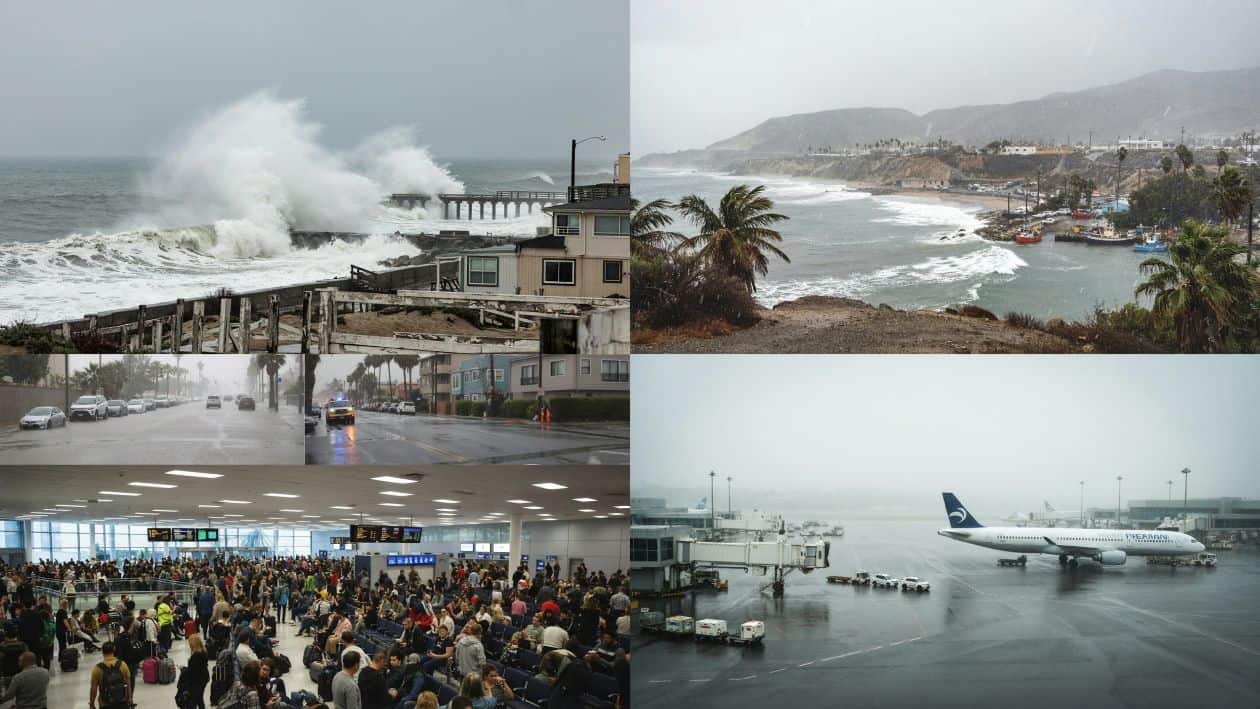
Severe Tropical Storm Rachel travel disruptions currently impact Mexico and California in USA profoundly. The tempest recently made a devastating Baja California landfall. Severe coastal flooding threatens multiple vulnerable municipalities today. The international aviation sector faces significant operational hurdles immediately. Government agencies advise extreme caution for all coastal citizens. Airlines are frantically adjusting their complex operational schedules.
Meteorological authorities track this storm system with extreme precision. The National Hurricane Center issued multiple severe weather advisories. Public safety remains the absolute highest priority for officials. Coastal communities must brace for prolonged recovery efforts. International tourists face monumental logistical nightmares across the region.
Aviation regulators urge passengers to check official portals constantly. Grounded fleets cause massive economic losses for regional carriers. Emergency responders remain on high alert across both nations. The situation demands absolute compliance with government safety directives. False information regarding flight statuses causes unnecessary terminal panic.
Meteorological Development And Landfall
Tropical Storm Rachel developed rapidly off the Mexican coast. The system strengthened significantly before striking land forcefully. It tracked steadily in a distinct west-northwest direction. Sustained winds reached dangerous speeds near 70 mph. The National Hurricane Center monitored the trajectory closely.
Advertisement
Advertisement
Meteorologists tracked the storm using advanced satellite imagery continuously. The storm made direct landfall in Baja California in USA ultimately. It dissipated shortly after moving inland across the peninsula. However, the remnant moisture continued moving northward very rapidly. This atmospheric river caused severe secondary weather events instantly.
Heavy rainfall warnings triggered automatic emergency broadcast systems locally. Atmospheric instability creates highly unpredictable and dangerous weather patterns. Meteorologists warn against underestimating post-tropical cyclone remnant impacts.
Advertisement
Advertisement
Southwestern Mexico Weather Warnings
Authorities issued strict Southwestern Mexico weather warnings immediately. A severe Tropical Storm Warning covered the southwestern coastline. The official alert spanned from Punta San Telmo northward. It extended directly up to Playa Perula efficiently.
A separate warning covered the west coast comprehensively. This included Baja California and Baja California Sur regions. This warning stretched northward from Punta Eugenia directly. It extended to the United States and Mexico border. Government officials coordinated emergency response protocols highly efficiently.
Local municipalities prepared for potential catastrophic flash flooding events. Coastal residents secured their properties against high cyclonic winds. Maritime authorities ordered all small commercial craft into port.
Severe California in USA Coastal Flooding
The storm remnants brought heavy rainfall to Southern California in USA. Flash flooding inundated multiple low-lying urban areas rapidly. Abnormally high tides exacerbated the dangerous coastal conditions significantly. Severe California coastal flooding damaged public infrastructure extensively today.
In Long Beach, massive storm waves battered beachfront homes. Local authorities deployed drones to assess the structural damage. Drone footage revealed significant destruction across the entire coastline. One residential balcony was left hanging at a 30-degree angle.
A popular wooden boardwalk was reduced entirely to splinters. Public works departments initiated immediate debris removal operations safely. Emergency management teams coordinate these dangerous coastal cleanup efforts. Structural engineers must evaluate damaged homes before residents return.
Advertisement
Advertisement
Expanding Coastal Threat Zones
The National Weather Service issued prolonged coastal hazard warnings. Coastal flooding remains a significant threat for several counties. San Diego and Orange counties face continued severe tidal risks. Los Angeles and Ventura counties remain under strict advisories.
Santa Barbara and San Luis Obispo counties share this risk. These official warnings extend through Tuesday for affected beaches. Local law enforcement restricted access to dangerous coastal zones. Newport Beach closed all piers and some public beaches.
Residents must avoid flooded roadways entirely during this period. Emergency services remain on high alert across Southern California. Disregarding official beach closure orders carries severe legal penalties. The Department of Transportation monitors highway safety continuously.
Allegiant Air Travel Alerts
The aviation industry faces immense logistical challenges currently. Allegiant Air issued official travel alerts for their passengers. These alerts cover potential storm impacts across the region. The advisory remains active from October 10th to 12th.
Allegiant Air travel alerts allow passengers vital itinerary flexibility. Travellers can modify their bookings without incurring penalty fees. Airline corporate security teams monitor the weather systems constantly. Operations control centres evaluate runway safety protocols continuously today.
Airlines prioritise passenger and crew safety above operational schedules. Sudden route cancellations remain highly likely during this period. The Department of Transportation mandates clear airline communication protocols. Passengers must utilise official airline applications for verified updates.
Advertisement
Advertisement
Major Airport Operational Impacts
Travel to several major regional airports faces severe disruption. Harry Reid International Airport in Las Vegas is affected. Mesa Gateway Airport faces potential operational delays today safely. Phoenix Sky Harbor International Airport issued passenger advisories recently.
Hollywood Burbank Airport monitors the approaching storm bands closely. John Wayne Airport anticipates significant localized flooding impacts nearby. Provo Airport in Utah also flagged potential travel disruptions.
Passengers must check official airline portals before departing home. Crowded airport terminals pose significant security and logistical hazards. Authorities advise travellers to remain extremely patient during delays. Terminal operations teams work tirelessly to manage stranded crowds.
FAA Inbound Flight Metering
Air traffic control faces highly complex aircraft routing challenges. Rain and gusty winds reduce safe runway capacities significantly. The Federal Aviation Administration implemented strict airspace regulations immediately. FAA inbound flight metering is currently active for hubs.
This procedure regulates the flow of arriving aircraft carefully. It ensures safe separation between planes during poor visibility. However, this safety protocol causes cascading delays globally. Both arrivals and departures suffer from these necessary restrictions.
Airlines must hold aircraft at their origin airports frequently. This ground delay program prevents dangerous airborne holding patterns. Aviation authorities coordinate these efforts across international borders seamlessly. Safety always supersedes airline punctuality during severe weather events.
Advertisement
Advertisement
Nevada And Regional Flooding
The storm system impacted areas far inland eventually. Heavy rainfall caused significant flooding across the Las Vegas valley. Roads in both Las Vegas and Primm flooded quickly. Flash flooding also struck Mohave County in Arizona severely.
Lake Havasu City Airport recorded sustained winds of 39 mph. Wind gusts at the airport reached 63 mph dangerously. The facility also received over an inch of rain. These inland impacts highlight the immense power of cyclones.
Desert infrastructure often struggles with sudden, heavy precipitation events. Emergency management teams deployed sandbags to protect critical facilities. Flash floods in arid regions are incredibly fast and deadly.
Travel Insurance And Passenger Rights
Stranded holidaymakers must review their travel insurance policies immediately. Standard comprehensive insurance often covers severe weather disruption events. Passengers should retain all receipts for unexpected emergency expenses.
Airlines must provide duty-of-care under specific international passenger frameworks. Cancelled flights typically entitle passengers to full cash refunds. Alternatively, airlines offer free rebooking on the next flight. Travellers should consult official government aviation consumer protection websites.
Understanding legal rights reduces severe stress during travel crises. Corporate travel managers must frantically reroute their executive staff. The economic impact on the global travel industry remains substantial. Insurance claims adjusters anticipate a massive surge in filings.
Advertisement
Advertisement
Government Safety Directives
Federal and state governments demand strict adherence to safety. Citizens must follow all official evacuation orders immediately today. Driving through flooded roadways is incredibly dangerous and deadly. Vehicles can easily wash away in shallow, fast-moving water.
The Department of Transportation advises delaying all non-essential travel. Public transport networks face significant delays and route alterations. Utility companies are working tirelessly to restore lost power. Downed power lines pose a severe electrocution hazard currently.
Residents must rely solely on verified government information channels. False information on social media causes unnecessary public panic. The Federal Emergency Management Agency coordinates state-level disaster relief.
Economic Impacts On Tourism
The storm struck during a relatively busy travel period. Local hospitality sectors face immediate and severe revenue losses. Hotels experience massive cancellations from stranded international tourist groups. Restaurants and coastal attractions remain closed due to flooding.
The World Travel and Tourism Council monitors these impacts. Rebuilding damaged infrastructure requires significant state financial investment soon. Long Beach boardwalk repairs will cost local taxpayers substantially.
However, ensuring public safety supersedes all immediate economic concerns. Tourism boards will launch recovery campaigns once conditions improve. Resilient coastal communities will eventually rebuild their damaged assets. Regional economies depend heavily on a swift infrastructure recovery.
Advertisement
Advertisement
Navigating Flight Cancellations
Navigating sudden flight cancellations requires extreme patience and planning. Airline customer service phone lines are currently completely overwhelmed. Utilising airline mobile applications often yields faster rebooking results. Airport ticket counters cannot process mass rebookings efficiently today.
Stranded passengers should seek comfortable, safe terminal seating areas. Airport authorities often provide emergency cots during mass strandings. The American Red Cross supports major airports during crises. Hydration and remaining calm are vital during stressful delays.
Business travellers should utilise corporate booking agents for assistance. These agents possess dedicated communication channels with major airlines. Unruly passenger behaviour violates strict federal aviation security laws.
Future Aviation Infrastructure Resilience
The aviation sector continuously adapts to extreme weather events. Airlines invest heavily in advanced meteorological forecasting technologies globally. These systems allow proactive flight diversions before storms hit. Airports upgrade their drainage infrastructure to handle extreme rainfall.
The FAA refines its air traffic management software regularly. Climate adaptation is a primary focus for aviation executives. Sustainable infrastructure investments protect long-term regional economic growth thoroughly.
Passengers must also adapt to this changing travel landscape. Flexibility and comprehensive insurance are essential for modern travellers. The industry learns valuable lessons from every major storm. Future operational responses will be even more highly coordinated.
Advertisement
Advertisement
How this story helps travellers and the aviation industry?
This report directly serves stranded international travellers by clearly outlining actionable steps for survival and recovery, including how to leverage airline mobile apps during mass cancellations, understanding FAA flight metering delays, and reviewing comprehensive travel insurance policies for emergency expenses. For the aviation industry and corporate travel planners, it provides a highly structured, verified account of airspace closures and specific airport impacts (Harry Reid, Phoenix Sky Harbor, John Wayne), allowing them to reroute logistics, manage client expectations, and understand the meteorological risk factors affecting West Coast operational capabilities without relying on sensationalised social media rumours.
Conclusion
The unprecedented Tropical Storm Rachel travel disruptions demand extreme vigilance. Both Mexico and California face monumental coastal recovery tasks. The regional aviation network will eventually stabilise and recover.
However, passengers must prioritise safety over travel convenience currently. Government advisories remain the ultimate authority on regional security. The resilience of these affected coastal communities is truly commendable. They will rebuild and recover from this severe meteorological event.
Advertisement
