
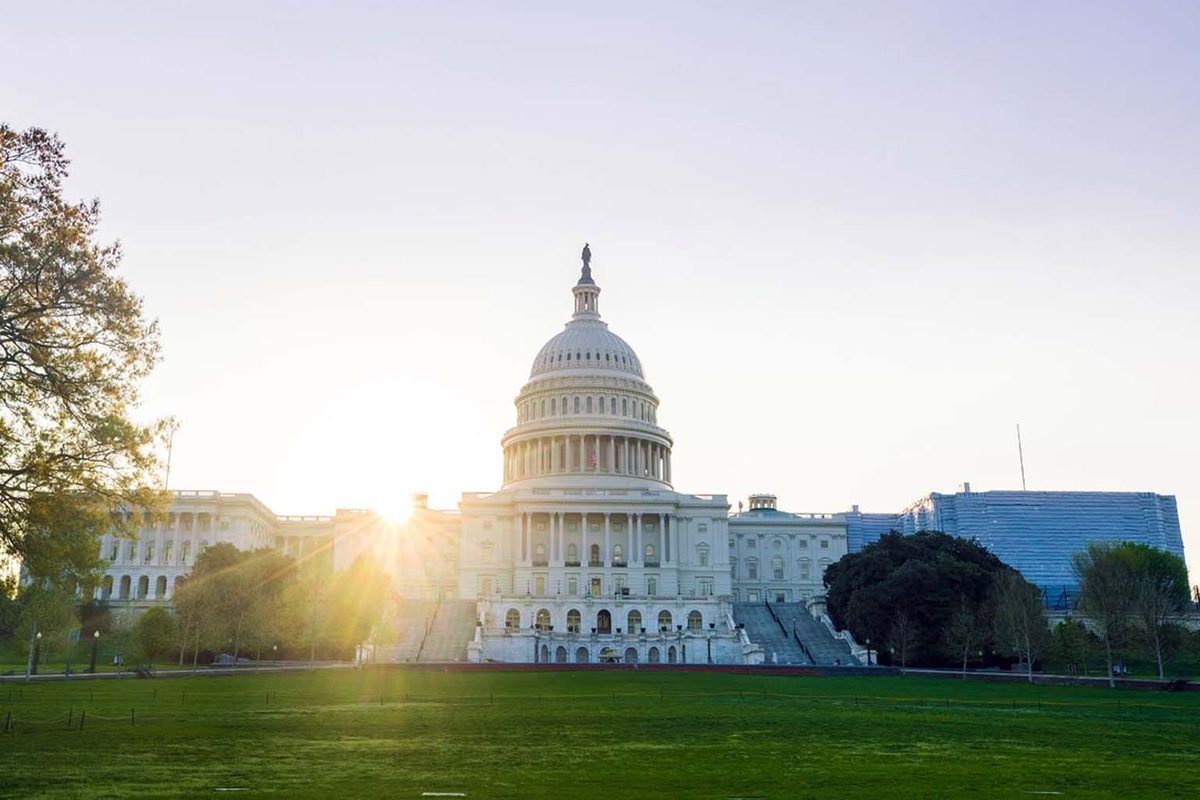
The United States follows Mexico as more countries push visitor growth, tourism recovery and sustainable travel, revealing a powerful new tourism phase where governments are reshaping destinations for global travellers.
The United States follows Mexico as more countries push for visitor growth, tourism recovery and sustainable travel. Governments across the Americas are moving beyond traditional tourism campaigns. They are investing in stronger destinations, better visitor experiences and resilient tourism economies. At the same time, sustainable travel is becoming central to long-term growth.
The latest developments show how countries are responding to changing traveller expectations, rising competition and the need for wider economic benefits. From the United States to Mexico, Jamaica, Brazil, Argentina and Colombia, governments are actively reshaping tourism strategies. Together, these moves signal a major shift in how destinations compete, recover and grow.
Tourism across the Americas is entering a more strategic phase as governments focus on visitor spending, destination recovery, cultural experiences, sustainability, connectivity and new tourism products. The latest government releases also show that tourism is increasingly being measured not simply by arrivals, but by economic impact, accommodation capacity, community participation and the quality of visitor experiences.
Advertisement
Advertisement
The United States continues to see tourism positioned as a major economic driver, with state governments highlighting visitor spending, domestic travel and destination infrastructure. Illinois reported a record 115 million visitors in 2025, underlining the scale of domestic and international travel across the state. North Carolina also highlighted strong visitor spending, with Franklin County recording $44.1 million in visitor expenditure in 2025. Colorado, meanwhile, reported significant Labor Day traffic through the I-70 Mountain Corridor, demonstrating the continued importance of road travel to leisure destinations. Together, these developments show how US tourism is increasingly tied to regional economies, mobility and measurable visitor impact.
Mexico’s tourism strategy is broadening beyond conventional beach holidays, with official state releases highlighting cultural tourism, meetings, sustainability and accessibility. Quintana Roo promoted the Mexican Caribbean’s growing role in the meetings and events market, while Tulum was positioned around culture, hospitality investment and destination development. Morelos reported more than 1.6 million visitors during its summer tourism period, generating more than MXN1.978 billion in economic impact. The state also advanced climate action through the Glasgow Declaration on Climate Action in Tourism and introduced a social tourism programme. Mexico’s latest direction reflects a destination strategy built around diversity, responsible growth and wider economic participation.
Brazil is placing nature and outdoor experiences firmly within its tourism promotion strategy. Government tourism communications during the period highlighted Serra dos Órgãos National Park in Rio de Janeiro state, showcasing mountains, waterfalls, biodiversity and protected landscapes. The Ministry of Tourism also promoted the Caminho dos Veadeiros, a long-distance route extending for more than 1,200 kilometres through the Cerrado. These initiatives demonstrate how Brazil is seeking to transform its immense natural resources into structured tourism experiences. Hiking, ecotourism, biodiversity and protected areas provide opportunities to diversify visitor flows while supporting destinations beyond the country’s best-known urban and coastal attractions.
Argentina’s tourism authorities are continuing to focus on destination quality, hospitality and sustainable tourism. During the September 1–6 period, government communications highlighted Mendoza and its role in presenting high-quality visitor experiences. Tourism officials also used the Hotelga hospitality event to underline the country’s potential for further tourism growth. Sustainability featured prominently through recognition associated with the Hoteles más Verdes initiative, while Argentina also promoted mountain destinations through the selection of five mountains for international exposure. The developments point towards a tourism model that combines hospitality standards, environmental responsibility, regional destination development and stronger international promotion rather than relying solely on conventional city tourism.
Advertisement
Advertisement
Jamaica remains one of the most closely watched tourism recovery markets in the Caribbean. Government information released during the period reported 2.34 million visitors and US$2.5 billion in tourism earnings through August 31, 2026. However, arrivals and revenue remained below the previous year as the destination continued to deal with the consequences of Hurricane Melissa. Around 70% of Jamaica’s room inventory was reported operational, while airlift remained below earlier levels. The figures demonstrate the difference between tourism demand and tourism capacity: travellers continue to choose Jamaica, but accommodation and aviation constraints can limit the industry’s ability to capture that demand fully.
Colombia is strengthening tourism through culture, experiences and international market development, with Bogotá playing an important role. Official city tourism communications during the period promoted Jazz al Parque 2026, reinforcing the relationship between cultural programming and visitor demand. Bogotá also worked to develop tourism experiences that connect travellers with local identity and reported efforts to improve connectivity. Promotional activity targeting Costa Rica and wider Central American markets indicates an effort to diversify the city’s source markets. The strategy reflects a broader shift in urban tourism, where festivals, music, local experiences, transport links and destination branding increasingly work together to encourage longer and more meaningful visitor stays.
Canada remains a major tourism destination in the Americas, supported by strong urban, nature, event and cultural tourism products. However, no major new federal tourism announcement meeting the strict September 1–6, 2026 publication window was identified in the reviewed government material. Earlier federal support for major international events remains relevant background because events can generate substantial visitor activity and economic benefits for Canadian destinations. Montreal’s hosting of the 2026 UCI Road World Championships is one such example. For current reporting, however, it is important to distinguish established government commitments from newly published September developments rather than presenting older announcements as breaking tourism news.
The Bahamas remains one of the Caribbean’s most important leisure tourism destinations, particularly for cruise, resort and air travel. The government maintains tourism, investment and aviation responsibilities through its national tourism administration, covering destination promotion and sector development. However, the reviewed material did not establish a major tourism announcement with a clearly verified publication date between September 1 and 6, 2026. That absence is editorially significant: a country should not be assigned a September tourism headline merely because its tourism sector is active. The Bahamas continues to have substantial tourism relevance, but additional official archive verification would be required before treating a specific development as part of this six-day news cycle.
Belize continues to build its tourism proposition around nature, marine environments, culture and sustainable destination development. The country’s Ministry of Tourism, Youth, Sports and Diaspora Relations remains responsible for national tourism policy and development. Nevertheless, the government material reviewed did not establish a clearly qualifying tourism news release dated between September 1 and 6, 2026. Belize therefore provides an important example of why government-source reporting requires strict date verification. The absence of a qualifying announcement should not be interpreted as weak tourism performance. Instead, it means that any September story about Belize should be supported by a separately verified official release before publication.
Barbados continues to operate a mature tourism economy built around international visitors, hospitality, aviation and destination development. The Ministry of Tourism and International Transport oversees the country’s tourism portfolio and broader sector planning. However, the reviewed official material did not provide a sufficiently clear tourism announcement published between September 1 and 6, 2026 to support a new headline within this specific reporting window. Barbados nevertheless remains strategically important to the Caribbean tourism market, particularly as destinations compete on connectivity, experiences, hospitality quality and sustainability. For a strict news report, separating current announcements from established tourism policy is essential to maintaining accuracy and reader trust.
Trinidad and Tobago continues to develop tourism through government-led destination promotion, events, aviation and hospitality initiatives. The Ministry of Trade, Investment and Tourism remains responsible for important aspects of national tourism policy. However, the strongest official tourism material identified during the research concerned developments published outside the September 1–6, 2026 window. Those announcements provide useful context but should not be presented as new September developments. The distinction matters because tourism reporting can quickly become misleading when older government statements are repackaged as current news. Trinidad and Tobago remains a significant Caribbean destination, but additional archive verification is needed for a qualifying story within this exact period.
The government releases available for September 1–6 reveal a tourism industry increasingly focused on quality, resilience and economic value rather than visitor volume alone. Jamaica’s recovery highlights the vulnerability of destinations to extreme weather and infrastructure disruption. Mexico is combining cultural, accessible and sustainable tourism with economic development. Brazil is promoting nature-based travel, while Argentina is emphasising hospitality quality and greener accommodation. In the United States, visitor spending and mobility remain important measures of tourism strength. Across the region, the direction is increasingly clear: governments are competing not simply for more travellers, but for stronger visitor economies, broader destination benefits and more resilient tourism systems.
“The latest government actions across the Americas demonstrate that tourism is no longer being treated simply as a source of visitor arrivals. Countries are increasingly looking at tourism through the wider lens of economic resilience, sustainability, infrastructure, culture and community participation. The United States, Mexico and other destinations are responding to a traveller who wants more meaningful experiences while governments seek stronger economic returns. This shift is particularly important because sustainable tourism can help destinations protect their natural and cultural assets while creating lasting opportunities for local businesses and communities. The competition for international travellers is becoming more sophisticated, and destinations that combine accessibility, authenticity, resilience and responsible growth will be better positioned to succeed in the next phase of global tourism.”— Anup Kumar Keshan, Founder and Editor-in-Chief, Travel And Tour World
The cause is clear: tourism markets are becoming more competitive, while travellers increasingly demand authentic, accessible and sustainable experiences. Climate risks, infrastructure pressures and changing travel patterns are also forcing governments to rethink destination development.
The answer is a broader tourism strategy built around visitor growth, stronger connectivity, cultural experiences, resilient infrastructure and responsible investment. The reason is economic as much as environmental.
Tourism creates jobs, supports businesses and generates regional spending, but uncontrolled growth can damage destinations and weaken their long-term appeal. Therefore, the United States, Mexico and other countries are pursuing policies designed to attract visitors while protecting destinations. This approach could shape the next generation of tourism growth.
The tourism landscape across the Americas is changing rapidly, and the United States follows Mexico as governments intensify efforts to secure visitor growth, tourism recovery and sustainable travel. The latest developments demonstrate that destinations are competing on more than beaches, attractions and hotel capacity.
They are promoting culture, nature, events, connectivity, accessibility and stronger local economic participation. Jamaica’s recovery highlights the importance of resilience, while Brazil’s nature tourism push shows the commercial potential of protected landscapes. Argentina is focusing on hospitality quality and sustainability, while Colombia is using cultural experiences and connectivity to strengthen its appeal.
Meanwhile, US states are measuring tourism through visitor numbers, spending and mobility. The broader message is compelling: tourism growth is becoming more strategic. Governments increasingly recognise that attracting travellers is only part of the challenge. Retaining demand, protecting destinations and spreading economic benefits will determine which countries emerge strongest in the next global travel cycle.
Image: BrandUSA
Advertisement
Advertisement
Advertisement













Monday, September 7, 2026

Monday, September 7, 2026
Monday, September 7, 2026
Monday, September 7, 2026

Sunday, September 6, 2026

Saturday, September 5, 2026

Monday, September 7, 2026

Sunday, September 6, 2026



