
USA Hotel Renovations Face the AI Test as Hidden Plumbing Demands Human Expertise

Published
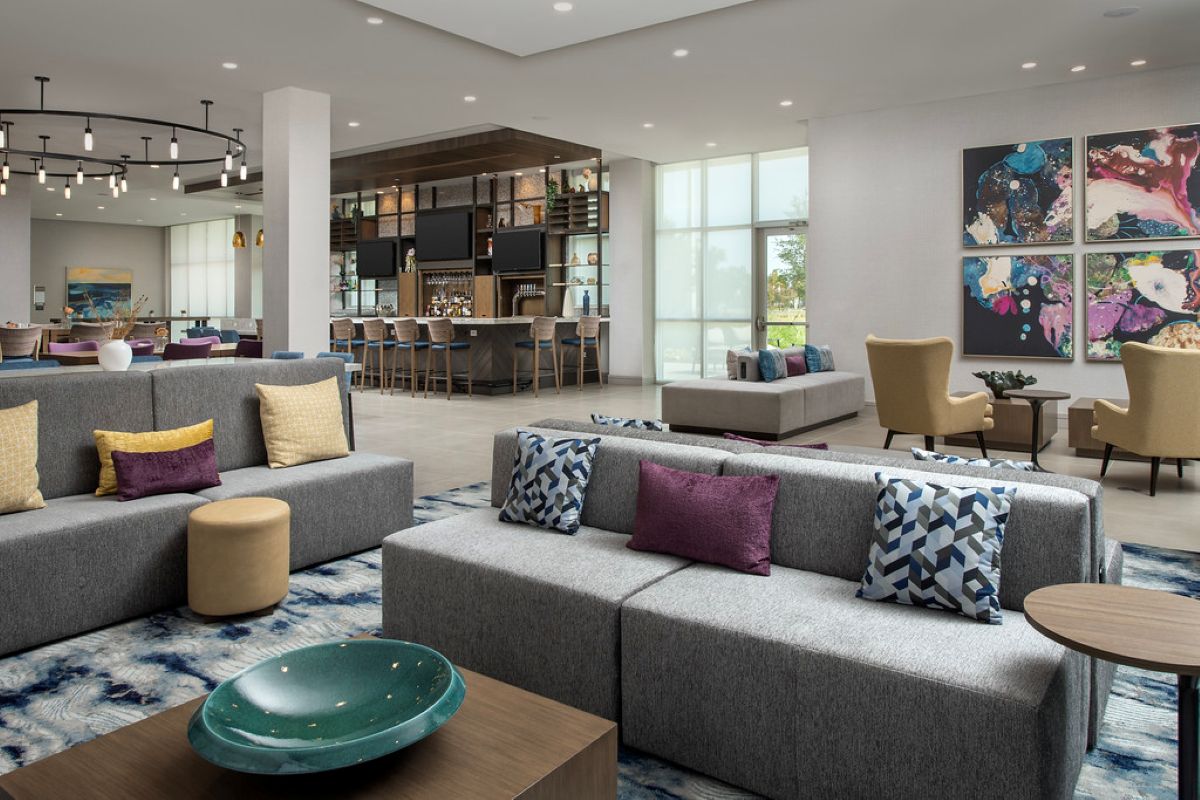
Artificial intelligence is changing the hotel world. It can help people plan, create ideas and move faster. But when a hotel wall opens and hidden pipes appear, people still need people. That is the message from Tom English, Chief Growth Officer at Envision Hospitality in Atlanta, Georgia.
Envision Hospitality works on hotel interior design and furniture, fixtures and equipment procurement across the United States. The company helps hotel owners refresh rooms, public spaces and guest areas. It works with well-known hotel flags under Marriott, Hilton, Hyatt and IHG.
English says AI can assist the design process. Yet it cannot replace the site knowledge, practical judgement and direct communication needed during a live hotel renovation. Hotels are complex buildings. Each property has its own structure, history, owner goals and local story.
AI Is Growing but Hotels Need Human Eyes
AI is now part of many industries. Hotels use technology to support reservations, guest communication, pricing and operations. Interior designers can also use AI to explore ideas and support early creative work.
However, English believes hotel design is still a hands-on business. Teams need to touch products, see colours in real conditions and understand the size and shape of a real space. A digital image can help start a conversation. It cannot always show what will happen inside an older building.
Renovation work often brings surprises. A team may remove a wall and find pipes, wiring or building systems that do not match earlier plans. These findings can quickly change the project schedule.
English explained that Envision Hospitality has seen projects where opening a wall revealed unexpected plumbing. In one recent case, an owner discovered that the entire plumbing structure was arranged in a stacked form. The owner did not expect this issue. It changed the development and renovation cycle.
That is where a human team becomes vital. Designers, procurement specialists, manufacturers and owners need to make fast but careful choices. They must decide how to protect the project timeline and avoid unnecessary losses.
Advertisement
Advertisement
A Hotel Renovation Must Protect Revenue
Hotels cannot simply stop working for long periods. Guests need rooms. Staff need stable work. Owners need the property to continue earning revenue.
This makes renovation planning a careful balancing act. Owners may keep some floors open while construction takes place on other floors. They need the design and procurement process to fit the building schedule as closely as possible.
English said Envision Hospitality works with manufacturers and its own design teams to respond when project needs change. The company aims to keep the owner’s timeline and commercial interest at the centre of every decision.
This focus matters because renovation projects have a clear return on investment. Owners spend money to improve guest rooms, public areas and hotel appeal. They want better guest satisfaction, stronger demand and a property that stays competitive. Delays can put those goals at risk.
A hidden building problem can affect more than one room or one wall. It can delay supplies, change labour plans and reduce the number of rooms a hotel can sell. The result can be costly if teams do not respond quickly.
Envision Hospitality’s approach is based on close support from people in the field. The company has 22 field-based design and procurement consultants across the United States. It also has 17 interior designers.
This network helps the company work closely with hotels in different markets. It also gives owners a direct team to discuss challenges, design goals and timelines.
Design Must Tell the Story of the Property
English says a successful hotel design is not only about selecting furniture or choosing a paint colour. It needs a narrative. The final space should work for the property, the ownership group and the local setting.
Every hotel serves different guests. A roadside property has different needs from a city hotel. A limited-service hotel has different priorities from a full-service resort. A soft brand hotel may need a stronger local identity and a more individual look.
This is why a one-size-fits-all design process does not work. A hotel needs spaces that feel right for guests while also meeting brand standards and owner expectations.
AI can support design teams with ideas, but it cannot fully understand every decision that happens between an owner, a building, a hotel brand and a local market. People must still listen, inspect, plan and adapt.
Advertisement
Advertisement
From Economy Hotels to Major Global Brands
Envision Hospitality began in 2004. Original founder Walter Jones and his partner Chris Parker built the company after earlier work under Middle Georgia Hospitality. English said the wider team brings more than 40 years of hospitality industry experience.
The business first focused on economy brands and roadside hotels. It later expanded into limited-service, full-service and soft-brand hotel projects.
Today, its work includes projects connected with Fairfield Inn, SpringHill Suites, DoubleTree, Hampton Inn and Tempo, along with boutique projects and soft brands within Marriott and Hilton.
This growth reflects wider change in the hotel sector. Owners are investing in updated spaces because guests expect comfort, clean design and experiences that feel relevant to the destination.
Hotels Continue to Move Forward
English remains positive about the future of hospitality. He says hotels will continue to renovate, adapt and grow as leisure and business travel develop.
“Hotels are not going anywhere,” he said.
For the industry, the key lesson is simple. AI can be useful. It can support teams and speed up some parts of planning. But hotel renovation still needs human skill when reality changes behind a wall.
The strongest projects will combine smart technology with experienced people. That mix can help hotel owners protect revenue, manage risks and create spaces that guests remember.
image credit: innvision.net
Advertisement
Advertisement
Advertisement
