
Bosnia and Herzegovina Unleashes Big Untouched Mountain Adventure With Via Dinarica Expansion

Published
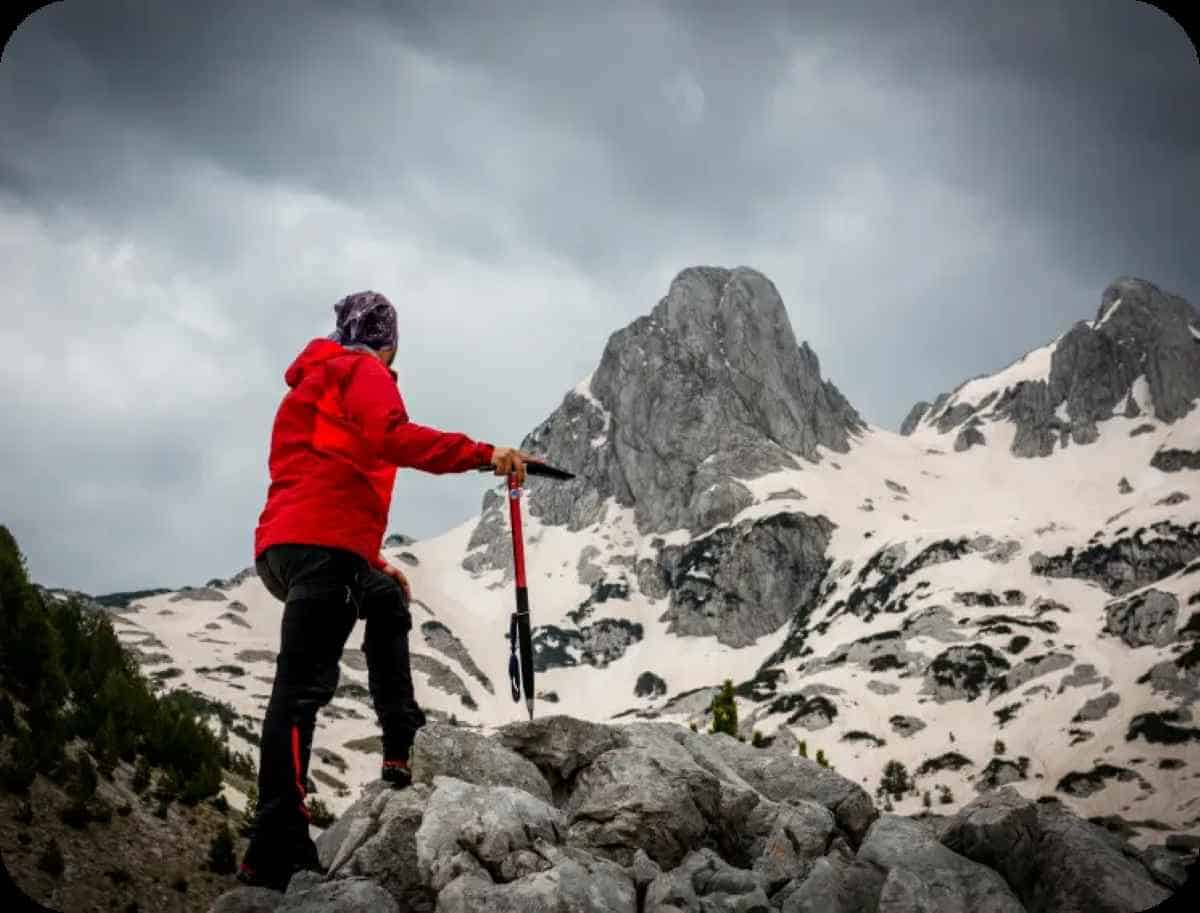
Bosnia and Herzegovina and Via Dinarica are expanding the country’s mountain tourism network as new sustainable tourism projects strengthen accommodation, outdoor activities and community services along the Dinaric corridor. The development connects hikers with highland villages, protected landscapes, rivers, lakes and cultural heritage sites.
Via Dinarica Builds a Broader Mountain Travel Network
The Via Dinarica is becoming an important framework for nature and adventure tourism in Bosnia and Herzegovina. The route supports hiking, cycling, rafting, climbing and other outdoor activities.
In January 2026, the Federal Ministry of Environment and Tourism published a public notice for Via Dinarica III grants supporting accommodation improvements and sustainable tourism products. The programme covers guesthouses, bed-and-breakfast properties, mountain huts and tourism services based on nature, culture and adventure.
The funding supports local tourism businesses, green practices and new visitor services.
Advertisement
Advertisement
Bjelašnica and Visočica Open Highland Routes
The mountains around Bjelašnica and Visočica provide access to highland landscapes close to Sarajevo while also leading toward remote rural settlements. Hiking routes through this area connect visitors with traditional villages, limestone terrain, mountain pastures and dramatic canyon landscapes.
Lukomir is one of the best-known highland settlements in the region. Its traditional architecture and elevated setting make it a distinctive stop. Umoljani provides another village experience, with surrounding trails connecting rural heritage and natural landscapes.
Advertisement
Advertisement
The Rakitnica Canyon adds an adventure component. Its steep terrain and deep gorge create a landscape suited to hiking, guided excursions and nature photography.
Community Accommodation Shapes the Visitor Experience
Mountain tourism along Via Dinarica includes accommodation operated by residents and small tourism businesses. Guesthouses, rural households and mountain huts provide alternatives to conventional hotels and allow travellers to stay closer to trails and villages.
Advertisement
Advertisement
Local food is also part of the experience. Visitors can encounter traditional Bosnian dishes, dairy products, breads and mountain cheeses while staying in rural communities.
These services connect hiking routes with local economies. The 2026 Via Dinarica funding call specifically supports accommodation infrastructure and tourism products that strengthen local partnerships and preserve natural and cultural heritage.
Green Tourism Projects Expand Across the Route
The latest Via Dinarica projects extend beyond accommodation. Selected initiatives include sustainable rafting along the Neretva, an e-bike tourism product along the Ćiro Trail, an eco-house in Bosanska Krupa, an outdoor hub near Vogošća and new tourism services around Rakitno and Kupres.
The projects are developing the route into a network of travel experiences. Visitors can combine mountain walking with cycling, rafting, local food, cultural activities and nature-based excursions.
Advertisement
Advertisement
The Federal Ministry of Environment and Tourism has also allocated funding for Via Dinarica projects focused on sustainable tourism, natural attractions, cultural heritage, visitor infrastructure and local participation.
Heritage Rail Trails Add a Different Journey
The Ćiro Trail provides an alternative way to explore the Dinaric landscape. The route follows the heritage corridor of the former railway linking communities in the wider Herzegovina region and is being developed for cycling and sustainable tourism.
A 2026 Via Dinarica project is supporting an e-bike tourism product along the trail, adding electric mobility to the region’s outdoor travel offer. Visitors can explore longer sections while connecting villages, cultural sites and rural services.
Rivers and Lakes Extend Mountain Itineraries
Bosnia and Herzegovina’s mountain tourism network also connects directly with its rivers and lakes. The Neretva is a major adventure tourism resource, with rafting routes incorporated into new Via Dinarica development projects.
Ramsko Lake combines water-based recreation with cultural heritage. Tourism projects in the wider corridor can link boating and outdoor activities with visits to historic and religious sites, rural communities and mountain routes.
These connections make it possible to build multi-day itineraries rather than single-activity excursions.
Advertisement
Advertisement
Local Tourism Services Gain New Opportunities
New accommodation and outdoor tourism products are strengthening the network of guides, hosts, restaurants, transport providers and activity operators serving mountain travellers. The Via Dinarica programme also places emphasis on local partnerships and green practices.
The programme supports destinations where visitor services are distributed across smaller communities. For travellers, this creates more opportunities to stay overnight, eat locally and use community services.
Official News Link: https://fmoit.gov.ba/obavijest-svim-zainteresiranim-subjektima-u-bosni-i-hercegovini
Bosnia and Herzegovina Expands Nature Travel
Bosnia and Herzegovina’s latest Via Dinarica investments are broadening the country’s nature tourism offer. Bjelašnica, Visočica, Lukomir, Umoljani, Rakitnica, the Neretva corridor, Ramsko Lake and the Ćiro Trail are becoming part of a connected network of mountain, cultural and adventure experiences.
The 2026 programme supports new accommodation, sustainable tourism products, green infrastructure and local services along the routes. These developments give travellers more ways to explore Bosnia and Herzegovina through hiking, cycling, rafting, rural stays and heritage experiences.
With community businesses and local tourism organisations participating along the corridor, Via Dinarica is creating a wider travel network across the country’s mountainous interior. The projects encourage longer stays and multi-destination journeys across Bosnia.
Advertisement
