
France Aligns With Italy, Germany, Austria, Czechia, Spain and Netherlands as Europe Enforces Massive Micro-Mobility Ban Wave and Strict New Transport Laws Across Europe

Published
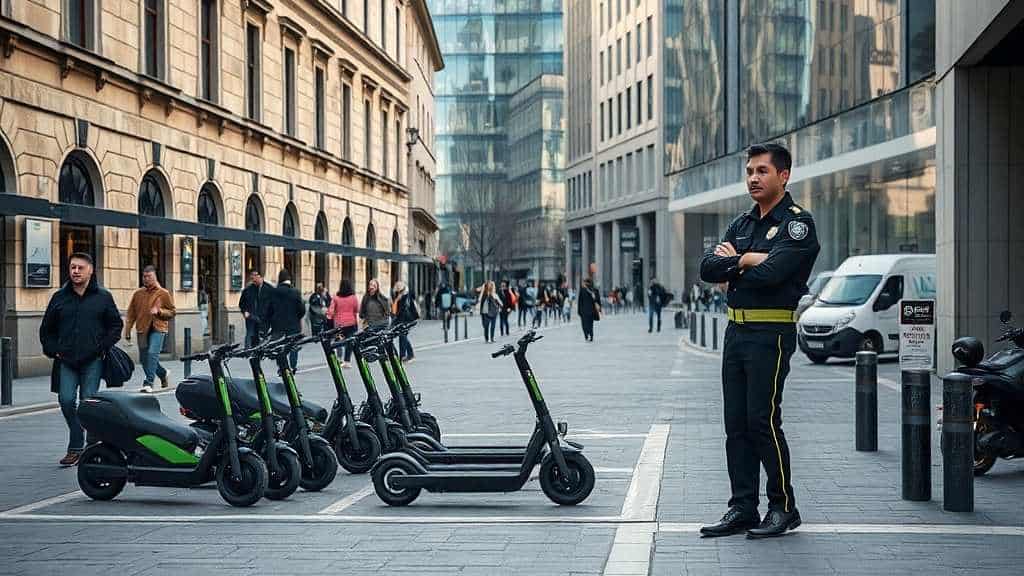
France Aligns With Italy, Germany, Austria, Czechia, Spain and Netherlands as Europe Enforces Massive Micro-Mobility Ban Wave and Strict New Transport Laws. This transformation has been driven by growing safety concerns and rapid urban congestion across major European cities. France Aligns With Italy, Germany, Austria, Czechia, Spain and Netherlands as policymakers enforce structured mobility reforms under tightening regulatory frameworks. At the same time, France Aligns With Italy, Germany, Austria, Czechia, Spain and Netherlands as the Massive Micro-Mobility Ban Wave reshapes how shared e-scooters operate in public spaces. In parallel, the Strict New Transport Laws are being applied to regulate speed limits, insurance requirements, and usage zones. France Aligns With Italy, Germany, Austria, Czechia, Spain and Netherlands as cities shift toward controlled mobility systems and reduced dockless operations. Transition measures are being implemented to prioritise safety, infrastructure order, and long-term transport sustainability across Europe.
France Urban Mobility Shift Ban Strategy Public Space Reclaiming
In France, particularly Paris, a decisive policy direction has been established through the permanent removal of shared e-scooter fleets from public land. The decision was driven by mounting concerns over pedestrian safety, sidewalk obstruction, and increasing accident rates. A public consultation process resulted in overwhelming support for the removal of free-floating shared rentals, despite low voter turnout.
Advertisement
Advertisement
Following this shift, urban space planning has been restructured to prioritise active mobility infrastructure. Investment programmes have been directed toward cycling corridors, expanded bicycle parking systems, and improved pedestrian mobility frameworks. At the national level, private e-scooter ownership has been retained but placed under strict regulatory supervision.
A unified legal framework has been introduced for private users, incorporating mandatory insurance, age restrictions, speed caps, and strict operational limitations. These include prohibition of sidewalk riding and heavy penalties for non-compliance. Through these measures, France has repositioned micro-mobility as a regulated personal transport category rather than a shared commercial service.
Advertisement
Advertisement
Italy Regulatory Overhaul Anchored in Fleet Limits
In Italy, a structured national reform of e-scooter governance has been implemented under the revised Highway Code framework. The regulatory approach has shifted from fragmented municipal experimentation to centralized enforcement, introducing compulsory registration and identity-linked vehicle identification systems.
All operational scooters are required to carry a physical identification plate linked to national digital identity systems. This registration process is integrated with government portals and administrative digital infrastructure, ensuring traceability and compliance across urban areas. Mandatory third-party liability insurance has also been introduced as a core requirement, covering damages to pedestrians and third parties.
Advertisement
Advertisement
In major cities such as Rome, additional restrictions have been applied. Shared fleet sizes have been capped, and operational zones within historic centres have been significantly reduced. Safety requirements now include compulsory helmets, dual braking systems, lighting standards, and strict geofencing controls in pedestrian-sensitive areas.
Through these measures, Italy has positioned micro-mobility within a tightly controlled legal framework aligned with road transport governance structures.
Germany Berlin Transport System Battery Safety Controls
Germany has maintained one of the most structured regulatory frameworks for light electric vehicles in Europe, with national legislation defining maximum speed limits, insurance requirements, and strict usage zones. E-scooters are restricted to cycle lanes or roads, with sidewalk usage strictly prohibited.
In Berlin, additional restrictions have been introduced targeting shared fleets and public transport integration. E-scooters have been banned from being carried on public transport systems, including trains and buses, due to safety concerns linked to lithium-ion battery risks.
These concerns stem from documented hazards such as thermal runaway, toxic gas emissions, and fire propagation risks in enclosed transport environments. In response, transit authorities have prioritised passenger safety over intermodal flexibility.
Simultaneously, Berlin has initiated a structural shift toward designated mobility infrastructure. This includes the development of geofenced parking zones and structured mobility stations, designed to eliminate street clutter and improve urban order. Operators are required to comply with real-time data sharing systems to support municipal traffic management.
Advertisement
Advertisement

Austria Micro-Mobility Safety Rules Reform Update
Austria has implemented significant regulatory updates under its national road traffic framework, introducing new equipment and behavioural standards for e-scooter users. These reforms have been designed to increase safety compliance and standardise vehicle operation across urban and suburban areas.
One of the key changes includes mandatory installation of turn signals on handlebars, ensuring visibility and directional clarity in mixed traffic environments. Additional requirements include helmet obligations for younger riders, stricter alcohol limits, and enhanced lighting and reflector standards.
Furthermore, regulatory reclassification has been introduced for certain vehicle categories, moving specific electric mopeds into motor vehicle classification. This change results in stricter licensing, insurance, and roadway usage requirements, removing access to cycle lanes.
Vienna has aligned its municipal framework with national standards by classifying standard low-speed scooters as bicycles under specific conditions while maintaining strict prohibitions on sidewalk usage. This dual-layer regulatory approach reflects Austria’s structured transition toward controlled micro-mobility integration.
Czechia Prague Ends Shared E-Scooter Networks Shift
In Czechia, Prague has implemented a complete removal of shared e-scooter services from public urban areas. This decision has been formalised through municipal governance structures and land-use contracting frameworks, effectively preventing shared operators from accessing public infrastructure.
The policy has been introduced following long-standing concerns related to unsafe riding behaviour, pedestrian disruption, and congestion in historic districts. As a result, shared micro-mobility platforms have been excluded from parking zones and operational permits.
Advertisement
Advertisement
In contrast, shared bicycle systems have been retained under controlled conditions. Operators are required to pay municipal fees and comply with designated parking systems. Private e-scooter ownership remains legally permitted but is subject to strict operational limitations, including restrictions on pedestrian areas and pavements.
This approach has resulted in a full structural separation between shared and private mobility systems, reinforcing municipal control over urban transport design.
Spain, Madrid Regulatory Exit Highlights Road Safety Enforcement
Spain has introduced a national certification-based regulatory framework for personal mobility vehicles through its transport authority system. This framework defines strict technical requirements including speed limits, design specifications, and mandatory registration systems.
A transitional enforcement timeline has been implemented, requiring all vehicles to obtain official certification and physical registration plates. After the final compliance deadline, uncertified vehicles will be prohibited from public road usage.
Registration is linked to digital administrative systems, requiring owners to submit technical documentation and complete verification procedures. Mandatory insurance coverage has also been introduced as part of the compliance structure.
In Madrid, shared e-scooter operations have been fully terminated following repeated safety violations and operational breaches. This decision reflects a broader municipal shift toward eliminating shared dockless micro-mobility services in favour of regulated transport alternatives.
Advertisement
Advertisement
Netherlands, Amsterdam Strict Type-Approval Limits Road Access
The Netherlands has implemented one of the most restrictive regulatory environments for e-scooters in Europe. Public road access is heavily dependent on strict type-approval processes conducted by national vehicle authorities.
Only certified vehicles meeting stringent safety and technical criteria are permitted for public use. These requirements include braking systems, structural specifications, and insurance compliance. Vehicles failing to meet approval standards are restricted to private use only.
Amsterdam has historically avoided shared e-scooter deployment, instead relying on established bicycle infrastructure systems. This approach has reinforced a long-standing cycling-first transport model.
In addition, major Dutch cities have collectively raised concerns over cycle lane congestion and speed differentials between traditional bicycles and motorised micro-vehicles. This has led to ongoing policy discussions regarding further restrictions and infrastructure separation strategies.

European Micro-Mobility Governance Shift and Structural Policy Realignment
Across France, Italy, Germany, Austria, Czechia, Spain and the Netherlands, a coordinated shift has been observed from experimental micro-mobility adoption toward strict regulatory governance. The earlier phase of rapid expansion and commercial deployment has been replaced by structured compliance frameworks and municipal control mechanisms.
The transition has been driven by multiple factors, including safety risks, infrastructure limitations, battery fire hazards, and public space management concerns. As a result, cities have increasingly moved toward banning shared fleets while strengthening private ownership regulation.
Advertisement
Advertisement
This structural realignment reflects a broader policy trend where urban mobility is being integrated into formal transport governance systems, similar to traditional motor vehicle regulation frameworks.
Urban Infrastructure Reconfiguration and Long-Term Transport Planning
Municipal authorities across Europe have begun redesigning urban infrastructure to accommodate new mobility realities. Cycle lanes, pedestrian zones, and transport corridors are being restructured to separate traditional bicycles from higher-speed electric vehicles.
Geofenced mobility stations and structured parking systems are being introduced to eliminate sidewalk congestion and improve traffic order. These developments are being supported by digital enforcement systems and real-time operator data sharing mechanisms.
The long-term objective has been positioned around safer, more predictable, and more regulated urban transport ecosystems.
Conclusion: Europe Micro-Mobility Enters Regulated Post-Expansion Era
A clear transition has been established across France, Italy, Germany, Austria, Czechia, Spain and the Netherlands, marking the end of unregulated e-scooter expansion in Europe. The regulatory environment has shifted toward structured compliance, safety enforcement, and urban space governance.
While shared fleets are being reduced or eliminated in many cities, private ownership is being integrated into formal transport systems with strict technical and legal requirements. This transformation is expected to redefine urban mobility across Europe in the coming years, shaping a more controlled and safety-oriented transport future.
Advertisement
