
How to Protect Yourself from Infectious Diseases in the US, Europe, and Around the World: Travel Vaccine Guide
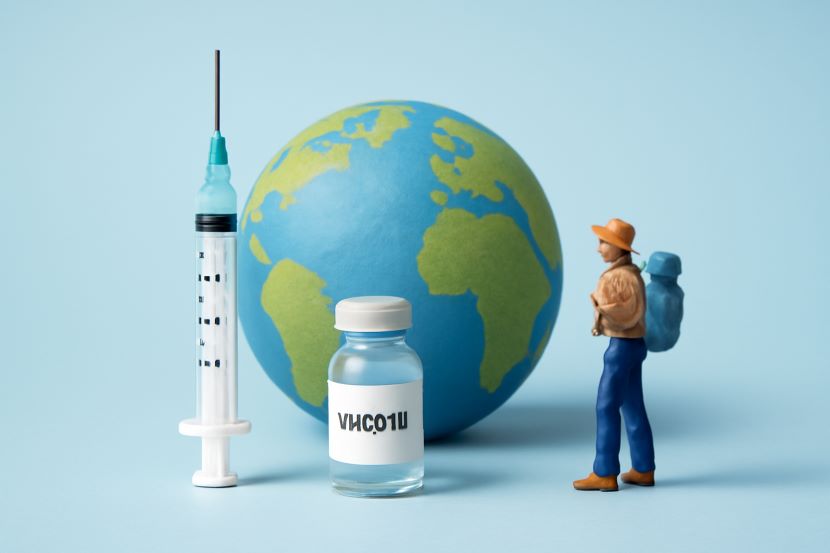
Image generated with Ai
As global travel continues to surge, infectious diseases like measles, chikungunya, and rabies are spreading more rapidly across regions, raising significant health concerns. With international mobility and climate change contributing to the spread of these diseases, it’s vital for travelers to ensure they are vaccinated before their trips. Health experts, including those at the Centers for Disease Control and Prevention (CDC), are stressing the importance of vaccinations as a primary means to protect travelers and prevent the global spread of these diseases.
Recent trends show that illnesses such as measles, which has resurged even in countries with historically robust vaccination programs, are now a serious risk. In the US, a rise in measles cases has been reported, with over 1,400 cases documented, marking the largest outbreak since the year 2000. The resurgence is attributed to declining vaccination rates, as reported by the CDC. Similarly, outbreaks are occurring in Europe, Africa, Asia, and Latin America, posing a growing threat to unvaccinated travelers. Measles outbreaks serve as a reminder that even countries with strong immunization frameworks are vulnerable, and travelers must take precautions to stay protected.
Advertisement
Advertisement
At the same time, diseases transmitted by insects, like chikungunya, are also becoming more widespread due to rising global temperatures, which favor the growth of mosquito populations. Areas such as China, Latin America, and parts of Europe, which previously didn’t experience these outbreaks, are now facing the spread of chikungunya. This virus is rapidly gaining a foothold in these regions, and health organizations, including the CDC, warn travelers to remain vigilant. Notably, the US Food and Drug Administration (FDA) has paused the use of one chikungunya vaccine, Ixchiq, after it was linked to severe side effects. However, another vaccine, Vimkunya, is still available for those planning to travel to affected regions.
Chagas disease, once mainly confined to Mexico, Central, and South America, has spread across the United States. According to the CDC, California is currently seeing the highest number of cases, with estimates ranging between 70,000 and 100,000. Other states, including Texas and Arizona, are also reporting increasing cases. This parasitic infection is typically transmitted by the bite of infected triatomine bugs, or “kissing bugs.” While there is no vaccine for Chagas disease, preventive measures such as using insect repellent and sleeping under bed nets remain crucial in areas where the disease is common.
Advertisement
Advertisement
Rabies, though less common, is also becoming an increasing concern in the US. Rising habitat loss and increased human-wildlife interactions have led to a higher risk of rabies transmission. In 2025, the CDC reported six deaths from rabies, the highest number in recent years. These cases, often linked to encounters with wild animals such as raccoons, skunks, and foxes, highlight the importance of vaccinations and precautions for individuals at risk.
Vaccine Recommendations for Travelers
The CDC has outlined several key vaccine recommendations for international travelers to prevent the spread of infectious diseases. For measles, travelers are advised to ensure they are fully vaccinated with the Measles, Mumps, and Rubella (MMR) vaccine. Children should receive two doses, at 12-15 months and 4-6 years of age, and adults who lack immunity should also be vaccinated, particularly those who plan to travel internationally. For infants as young as 6 months traveling abroad, a dose of the MMR vaccine is recommended before departure, although it won’t count towards the routine vaccination series.
Advertisement
Advertisement
Regarding chikungunya, travelers to regions with active outbreaks should be vaccinated with the available vaccine, Vimkunya. Special caution is advised for high-risk groups, including older adults, those with chronic conditions, and pregnant women. For those heading to areas where rabies is common, the CDC recommends pre-exposure prophylaxis (PrEP), which consists of a two-dose vaccine series administered on days 0 and 7. In case of rabies exposure, travelers who are unvaccinated should receive immediate medical attention, including rabies immune globulin and the vaccine, while those who are vaccinated will only need a reduced vaccine series.
In the case of Chagas disease, there is currently no vaccine or medication for prevention. The CDC advises travelers to avoid insect bites by taking preventive measures such as using insect repellent, staying in well-sealed accommodations, and sleeping under bed nets, particularly in areas where the disease is endemic.
Other Vaccines to Consider for International Travel
In addition to the vaccines for measles, chikungunya, and rabies, several other vaccinations are essential for travelers, depending on their destination. Yellow fever vaccination is mandatory for entry into certain countries in Africa and South America, and Japanese encephalitis is recommended for those traveling to rural areas of Asia. Typhoid vaccination is essential for travelers heading to areas with poor sanitation, particularly in parts of Africa, South Asia, and Latin America. Polio remains a risk in areas of the Middle East and Papua New Guinea, and hepatitis A and B vaccines are also highly recommended for most travelers.
Pharmacists play a crucial role in helping travelers stay protected against these diseases. By advising patients on recommended vaccines, verifying immunization status, and offering preventive guidance, pharmacists help minimize health risks for travelers while contributing to the prevention of infectious diseases across borders. By staying informed on the latest CDC guidelines and emerging outbreaks, pharmacists ensure travelers receive timely and relevant information that helps safeguard their health.
As international travel continues to increase, so do the risks associated with infectious diseases. Protecting yourself with the proper vaccinations and taking the necessary precautions is the best way to enjoy safe and healthy travel.
Advertisement
