
How Will Kansai International Airport’s New Expansion Impact Global Travel to Osaka and Kyoto?

Published
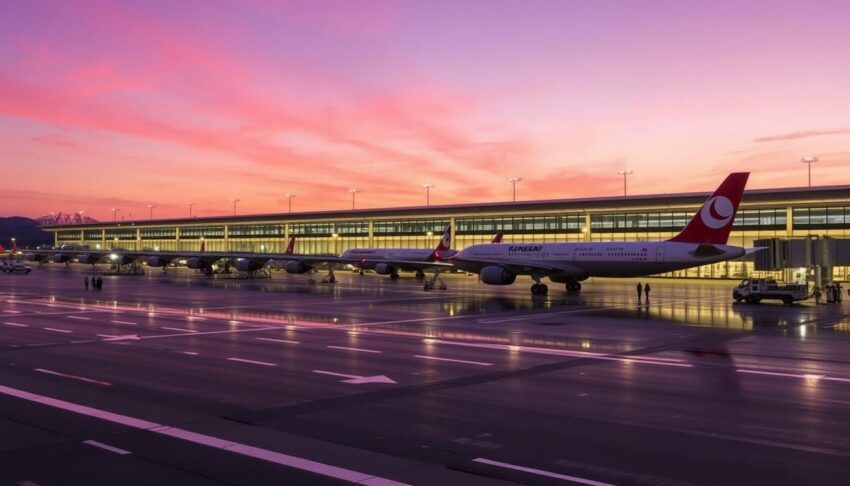 Image generated with Ai
Kansai International Airport (KIX), located on an artificial island in Osaka Bay, has long been a significant hub for international travel in Japan. As the airport celebrates its 30th anniversary in 2024, it stands as a marvel of modern engineering and a vital gateway for travelers to the Greater Osaka Area, Kyoto, and Kobe. However, Kansai’s ongoing challenges, including its sinking foundations and expansion efforts, will have notable implications for global travelers in the years to come.
The Challenges of a Sinking Airport
One of the most significant concerns for Kansai International Airport is its sinking foundations. Built on an artificial island, KIX has been sinking since it opened in 1994, dropping 38 feet by 2018. Although engineers anticipated some sinking, it is happening 25% faster than expected. Despite numerous efforts to stabilize the airport’s foundation, including installing 2.2 million vertical pipes into the clay seabed, the situation remains precarious.
This challenge raises concerns for global travelers who rely on Kansai for international flights, especially as the sinking may eventually affect operations if not adequately managed. Aerotime reports that some experts believe the airport could be submerged by 2056, which may cause future travel disruptions or changes to flight routes.
- Sinking by 38 feet since 1994
- 25% faster than anticipated, with fears it could be submerged by 2056
Despite these issues, Kansai International Airport remains operational, and the Japanese government continues to invest in measures to slow down the sinking process. Travelers should remain aware of potential long-term impacts, particularly those planning trips far into the future.
Advertisement
Advertisement
Terminal Expansion to Enhance Capacity
While the sinking issue looms, Kansai is undergoing major renovations to expand its capacity and improve passenger experience. The ongoing expansion of Terminal 1, which began in May 2021, aims to increase the airport’s capacity to 40 million passengers annually by 2026. This expansion represents one of the most significant renovation efforts in the region over the past five decades.
For global travelers, the expansion of Terminal 1 means better facilities and a more seamless travel experience. The new domestic area opened in October 2022, and the international departure area is scheduled for completion in December 2023. By 2025, a new security screening area and international lounges will be available, offering an enhanced travel experience for international passengers. The full completion of the renovation is expected by 2026, allowing Kansai to better serve the growing demand for international travel.
Advertisement
Advertisement
Kansai’s Strategic Rail Connectivity
For global travelers arriving at or departing from Kansai, the airport’s excellent rail connectivity is a significant advantage. Kansai is approximately a 30-minute train ride from central Osaka and 50 minutes from the high-speed bullet train hub of Shin-Osaka. Those heading to Kyoto can expect a 100-minute journey by train. These convenient rail connections make it easier for international visitors to access the heart of Japan’s major cities, reducing the need for long, expensive taxi rides.
The variety of public transport options, including trains, buses, and taxis, allows travelers to choose the most suitable and cost-effective route. This is a key factor for tourists exploring Osaka and Kyoto or those heading to more distant parts of Japan.
Advertisement
Advertisement
Direct Flights from North America and Beyond
Kansai International Airport serves as a secondary gateway to Japan for global travelers, particularly those from North America. While Tokyo’s Haneda and Narita airports remain the primary international hubs, Kansai still offers direct flights from major cities such as Vancouver, Toronto, Los Angeles, and San Francisco. United Airlines, Japan Airlines, and Air Canada are the key carriers serving these routes, with Hawaiian Airlines also offering flights from Honolulu.
These direct flight options provide more choices for travelers from North America who may prefer to bypass the busier Tokyo airports in favor of Kansai’s more convenient access to western Japan. However, it’s worth noting that Kansai lacks direct flights to other regions such as South America, South Asia, and Africa, limiting its global reach in comparison to Tokyo’s international gateways.
Global Impact on Travel
Kansai International Airport’s ongoing expansion and operational challenges will have both short- and long-term effects on global travelers. In the short term, the renovation of Terminal 1 is expected to improve the passenger experience, increasing capacity and offering enhanced services. However, the issue of the airport’s sinking foundations may lead to future disruptions in operations, particularly if the sinking accelerates or if major structural changes are needed to keep the airport functional.
For travelers, Kansai remains a key hub for accessing western Japan, with convenient connections to Osaka, Kyoto, and beyond. The rail links and direct flights to North America provide flexibility for international tourists, ensuring Kansai’s continued importance in Japan’s travel infrastructure. However, passengers should remain mindful of potential long-term risks and changes to the airport’s operations as engineers work to address the sinking issue.
Advertisement
