
China Joins Vietnam in Expanding Cultural Tourism as Beijing, Guangxi and Hanoi Explore New Travel Routes and Partnerships

Updated
Published
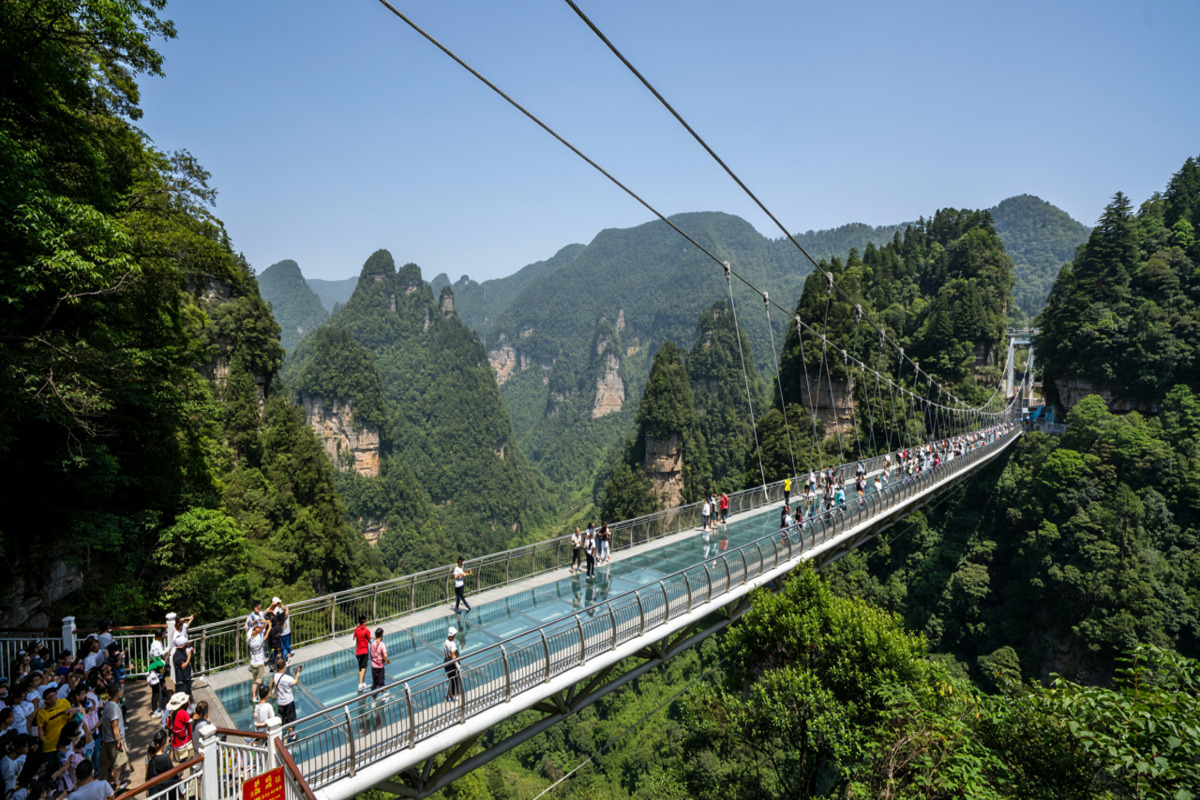
China and Vietnam boost exchange as Beijing, Guangxi and Hanoi look to new routes to help cross-border travel.
China and Vietnam are deepening their cooperation in cultural tourism, with a new initiative linking up Beijing, Guangxi and Hanoi, looking to open up new routes to boost cross-border travel and tourism. With almost four million Chinese tourists visiting Vietnam in the first nine months of 2026, both nations are looking to take advantage of the opportunity to attract more visitors and enhance their tourism partnerships.
Advertisement
Advertisement
China and Vietnam Strengthen Cultural Tourism Cooperation Through Hanoi Exchange Programme
The Beijing–Guangxi–Hanoi Cultural and Tourism Exchange Programme, organised on 23 October 2026 at the Chinese Cultural Centre in Hanoi, marked another step towards closer tourism cooperation between China and Vietnam.
The programme brought together tourism authorities, regional tourism organisations and travel businesses to explore opportunities for cultural exchange, destination promotion and tourism development.
Advertisement
Advertisement
The initiative forms part of the Vietnam–China Tourism Cooperation Year 2026–2027, which aims to strengthen tourism relations and encourage greater visitor movement between the neighbouring countries.
The event provided opportunities for tourism organisations to establish partnerships, exchange professional experience and discuss new cross-border travel products.
Advertisement
Advertisement
A major objective was to connect the distinct tourism attractions of Beijing, Guangxi and Hanoi through coordinated promotion.
The three destinations offer different experiences, ranging from historical landmarks and traditional heritage to scenic landscapes and modern urban attractions.
Vietnam Welcomes Nearly Four Million Chinese Tourists as Bilateral Travel Demand Expands
China remains one of Vietnam’s most important international tourism source markets, while Vietnam continues to contribute substantially to China’s inbound tourism industry.
Figures presented during the programme indicated that approximately seven to eight million Vietnamese travellers visit China annually, while around five million Chinese tourists travel to Vietnam.
During the first nine months of 2026, Vietnam welcomed approximately four million visitors from China.
These figures demonstrate substantial demand for sightseeing, cultural exploration and leisure travel between the neighbouring countries.
Advertisement
Advertisement
Nevertheless, tourism authorities see further opportunities to improve visitor exchanges through better connectivity and more diversified tourism offerings.
The cooperation initiative aims to strengthen partnerships between travel businesses, introduce new itineraries and support international tourism growth.
Closer collaboration could also encourage travellers to explore destinations beyond traditional tourist routes.
Beijing, Guangxi and Hanoi Combine Their Tourism Strengths to Develop New Travel Routes
The programme highlighted the complementary tourism attractions of Beijing, Guangxi and Hanoi, creating opportunities to develop multi-destination travel experiences.
Beijing is recognised for its imperial history, historical monuments and major cultural institutions.
Guangxi offers dramatic natural landscapes, traditional communities and distinctive ethnic heritage, particularly the cultural traditions associated with the Zhuang population.
Advertisement
Advertisement
Hanoi combines historical architecture, traditional neighbourhoods, museums and contemporary urban experiences.
Linking these destinations could enable tourism companies to design itineraries that combine cultural exploration with scenic attractions.
The initiative also seeks to establish regular cooperation between tourism organisations representing the three destinations.
Improved destination coordination could encourage travellers to visit multiple locations during a single journey.
Such programmes could provide additional opportunities for travel agencies, accommodation providers and other tourism-related businesses.
Guangxi Records Eighty-One Per Cent Growth in Vietnamese Tourist Stays
Guangxi is expanding its tourism promotion activities to strengthen its position among Vietnamese travellers.
Advertisement
Advertisement
According to figures introduced during the exchange programme, Vietnamese tourist stays in Guangxi increased by 81 per cent during the first six months of 2026, compared with the same period in 2025.
Vietnam also remained Guangxi leading international tourism source market.
The region has been promoting cross-border weekend tourism through initiatives encouraging large numbers of Vietnamese visitors to explore Guangxi.
Its geographical proximity to Vietnam provides opportunities for shorter journeys and regional tourism packages.
Guangxi tourism attractions include scenic landscapes, cultural heritage sites, border destinations and traditional communities.
The increase in Vietnamese tourist stays highlights opportunities for further tourism cooperation.
Advertisement
Advertisement
Travel businesses could use this demand to develop weekend itineraries, cultural tours and longer multi-destination holidays combining Guangxi with other Chinese regions.
Beijing Introduces Ten Themed Tourism Routes to Attract International Visitors
Beijing is strengthening its international tourism offerings through new visitor experiences and themed sightseeing programmes.
The Chinese capital is home to major historical attractions, including the Forbidden City, Great Wall, Temple of Heaven and Summer Palace.
These landmarks provide opportunities to discover China’s imperial history, traditional architecture and cultural heritage.
Beijing also offers museums, contemporary cultural districts and creative spaces designed for international visitors.
During 2026, the city introduced ten themed tourism routes under the New Discoveries in Beijing initiative.
Advertisement
Advertisement
These itineraries combine established cultural attractions with newer visitor experiences.
The initiative also highlights distinctive shopping opportunities and cultural spaces.
For Vietnamese tourism companies, these routes provide additional options for developing specialised travel packages.
By combining Beijing’s historical attractions with Guangxi natural landscapes, tour operators can offer a broader selection of experiences to international travellers.
China and Vietnam Highlight Visa Facilitation Measures to Support Cross-Border Tourism
Travel facilitation was another important topic during the exchange programme.
Chinese representatives highlighted the country’s 240-hour visa-free transit arrangement, which permits eligible international travellers to remain in designated areas for up to ten days under specific conditions.
Advertisement
Advertisement
The arrangement is intended to facilitate qualifying international transit journeys and support travel through participating Chinese ports.
However, eligibility depends on nationality, travel documents, onward destinations and other immigration requirements.
Vietnam has also introduced a pilot visa-exemption arrangement for eligible Chinese tourist groups visiting Khanh Hoa Province, allowing stays of up to 30 days under the applicable programme conditions.
These measures could create additional opportunities for tourism operators developing multi-destination travel packages.
Travellers should verify current immigration requirements, permitted routes and entry conditions with the relevant authorities before booking.
Hanoi and Beijing Expand Tourism Partnerships Through Continued Promotional Activities
Cooperation between Hanoi and Beijing has developed through a series of destination promotion initiatives during 2026.
Advertisement
Advertisement
In September, Hanoi tourism authorities organised promotional activities in Beijing to introduce Vietnam’s tourism attractions and strengthen business relationships.
The October exchange programme in Hanoi continued this engagement by bringing Chinese tourism representatives together with Vietnamese industry organisations.
These activities demonstrate efforts to establish more consistent destination cooperation rather than relying on individual promotional events.
The partnership also aims to encourage tourism businesses to exchange market information and develop travel products that reflect visitor preferences.
Nearly 100,000 Vietnamese travellers visited Beijing during the first seven months of 2026, according to figures presented during the exchange.
The growing connections could support further collaboration between tourism authorities and private-sector travel operators.
Advertisement
Advertisement
Artificial Intelligence and Digital Tourism Create New Cultural Experiences
Technology formed an important part of the Beijing–Guangxi–Hanoi cultural exchange programme.
Visitors were introduced to digital cultural tourism products and interactive applications involving artificial intelligence (AI).
These demonstrations illustrated how technology can support destination marketing and introduce travellers to cultural attractions through digital experiences.
Tourism organisations can use interactive platforms to present destination information and encourage visitors to explore historical and cultural sites.
The programme also demonstrated how digital innovation can complement traditional destination promotion.
For tourism businesses, these technologies provide additional opportunities to communicate with international audiences and develop engaging visitor experiences.
Advertisement
Advertisement
Combining digital presentations with cultural activities could help Beijing, Guangxi and Hanoi strengthen their appeal among travellers interested in both heritage and modern technology.
Traditional Cultural Activities Showcase the Heritage of Beijing and Guangxi
The exchange programme also featured interactive activities designed to introduce Vietnamese audiences to traditional Chinese craftsmanship.
Participants explored activities such as co louring Gia Rabbit figurines, creating traditional blessing prints, making decorative velvet flowers inspired by Peking Opera and producing bookmarks from Zhuang brocade.
These experiences highlighted the artistic traditions and regional cultural identities associated with Beijing and Guangxi.
The activities also demonstrated how traditional craftsmanship can become part of cultural tourism experiences.
Hands-on workshops offer travellers opportunities to engage with local heritage beyond conventional sightseeing.
Advertisement
Advertisement
For tourism companies, such experiences can support the development of more immersive cultural itineraries.
The Chinese Cultural Centre in Hanoi plans to continue cultural exhibitions, artistic performances, heritage demonstrations and exchange activities to strengthen public awareness of Chinese destinations.
China and Vietnam Explore Long-Term Opportunities for Cross-Border Tourism Growth
The Beijing–Guangxi–Hanoi initiative highlights opportunities to strengthen tourism cooperation between China and Vietnam through destination connectivity, cultural promotion and industry partnerships.
The programme provides a foundation for developing itineraries that connect Beijing’s historical attractions, Guangxi natural landscapes and Hanoi’s cultural heritage.
Growing visitor demand is already evident in the increase in Vietnamese tourist stays in Guangxi and the substantial number of Chinese arrivals recorded in Vietnam.
Further progress will depend on effective cooperation between tourism authorities, improved travel arrangements and the development of attractive tourism products.
Advertisement
Advertisement
The Vietnam–China Tourism Cooperation Year 2026–2027 offers an opportunity to expand these efforts through continued promotional activities and business collaboration.
China and Vietnam are expanding cultural tourism through Beijing, Guangxi and Hanoi, exploring new travel routes and partnerships to boost cross-border connectivity, attract more visitors and strengthen bilateral tourism ties.
As cooperation develops, Beijing, Guangxi and Hanoi could play increasingly important roles in creating new travel opportunities and strengthening cultural tourism connections between the two countries.
Advertisement
