
Greece Joins Italy and Malta as Mediterranean Tourism Leaders Driving Europe’s 5% International Arrival Growth in 2026 Amid Global Uncertainty, Aviation Disruptions and Economic Pressures

Published
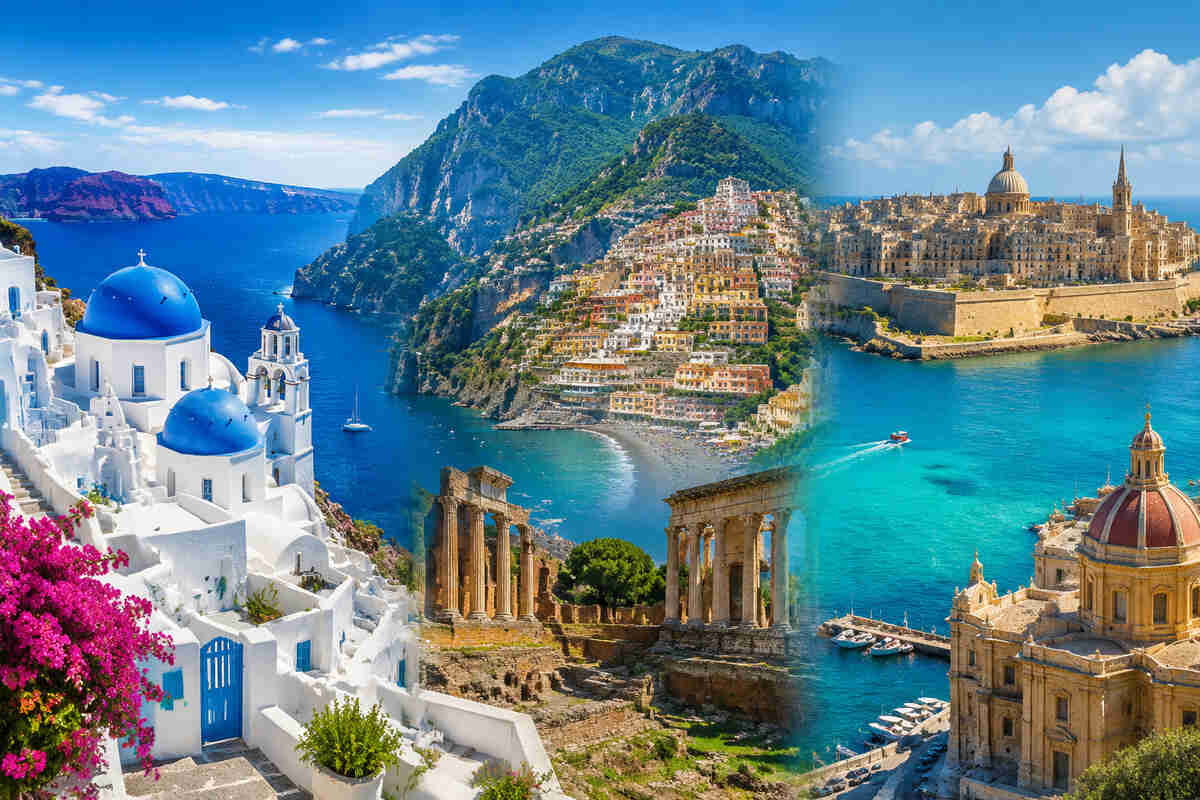
Greece, Italy and Malta are powering Europe’s tourism recovery in 2026, with strong arrivals, connectivity and visitor spending helping drive a 5% rise in international travel despite global challenges.
European tourism has maintained its remarkable strength in 2026, successfully navigating global uncertainties, geopolitical challenges, economic pressures and evolving traveller preferences while continuing to record steady growth in international visitor demand. According to the latest European Travel Commission report, Europe recorded a notable increase in international tourist arrivals during the first half of 2026, highlighting the region’s ability to maintain its position as one of the world’s most attractive travel destinations.
Advertisement
Advertisement
International tourist arrivals to Europe increased by 5% in the first half of 2026 compared with the same period in 2025, while overnight stays also recorded positive momentum with a growth of 4.8%. The figures reflect continued confidence among global travellers despite challenges affecting international mobility, including weaker consumer sentiment, rising travel costs and disruptions linked to geopolitical instability.
The recovery and expansion of European tourism have been supported by improved air connectivity, stronger domestic and regional travel demand, and strategic efforts by destinations to encourage year-round tourism instead of relying heavily on traditional peak seasons.
Advertisement
Advertisement
European Destinations Maintain Growth Momentum Despite Economic and Geopolitical Challenges
The European tourism sector entered 2026 under pressure from several external challenges. Economic uncertainty affected consumer confidence in many international markets, while geopolitical tensions created additional concerns for travellers and aviation networks.
The ongoing Middle East conflict also influenced global flight patterns, particularly affecting long-haul air connections to Europe.
Several airlines modified their flight schedules and routes as a result of airspace limitations and heightened security measures, leading to short-term disruptions and travel challenges for international passengers.
Advertisement
Advertisement
Despite these difficulties, European destinations continued to attract visitors. Nearly 80% of destinations across Europe reported tourism growth during the second quarter of 2026, demonstrating the sector’s ability to adapt to changing market conditions.
Travellers increasingly focused on destinations offering affordability, convenience and reliable connectivity. This shift benefited many European countries, particularly those with strong short-haul connections and competitive tourism offerings.
The continued rise in visitor numbers shows that Europe remains a preferred choice for international holidays, cultural experiences, leisure trips and extended stays.
Northern Europe Leads Regional Tourism Growth With 10% Increase in International Arrivals
Among Europe’s major regions, Northern Europe recorded the strongest performance during the first half of 2026. International tourist arrivals to Northern European destinations increased by 10%, making it the fastest-growing tourism region in Europe.
The growth was supported by rising interest in nature-based tourism, outdoor experiences and cultural travel. Countries in Northern Europe have increasingly attracted visitors seeking unique landscapes, sustainable travel experiences and less crowded destinations.
The region has also benefited from improved transportation links and growing demand for alternative travel seasons outside the traditional summer holiday period.
Advertisement
Advertisement
Central and Eastern Europe also experienced positive results, with international arrivals increasing by 5.2% compared with the previous year. The region continued to attract travellers through competitive pricing, historical attractions, cultural heritage and expanding tourism infrastructure.
Meanwhile, Southern and Mediterranean Europe maintained strong visitor demand, driven by popular destinations known for beaches, food, heritage and warm-weather experiences.
Greece, Italy and Malta Become Major Drivers of Mediterranean Tourism Expansion
Southern Europe remained one of the strongest contributors to Europe’s tourism growth in 2026, with Greece, Italy and Malta recording significant increases in international arrivals.
Greece continued to strengthen its position as a leading Mediterranean destination, benefiting from strong international connectivity, diverse island tourism and growing demand for luxury, cultural and wellness experiences.
Italy also maintained strong tourism momentum, supported by its world-famous heritage cities, culinary tourism, coastal destinations and year-round travel appeal.
Malta recorded impressive growth as travellers increasingly looked for smaller European destinations offering history, coastal experiences and convenient access from major markets.
Advertisement
Advertisement
A key factor behind the success of these destinations has been the effort to distribute tourism demand beyond the busiest months. By promoting spring, autumn and winter travel opportunities, destinations have reduced pressure during peak periods while increasing visitor spending throughout the year.
Middle East Conflict Creates Pressure for Cyprus and Türkiye Tourism Markets
While most European destinations recorded growth, some markets experienced challenges due to their geographical proximity to geopolitical tensions.
Cyprus and Türkiye recorded weaker tourism performance as ongoing concerns surrounding the Middle East conflict affected traveller confidence and influenced international holiday decisions. The impact was particularly visible among some international markets where visitors became more cautious about travelling to destinations located closer to areas affected by instability.
European aviation also experienced changes during early 2026. Although air travel showed strong growth at the beginning of the year, momentum slowed in April due to disruptions affecting long-haul flights.
Reduced flight availability and operational challenges created difficulties for some destinations that depend heavily on overseas visitors. However, European tourism demand remained stable due to strong intra-European travel and short-haul connectivity.
Rising Visitor Spending Highlights Stronger Economic Value of European Tourism
Beyond visitor numbers, tourism spending has become an increasingly important measure of European travel growth. Travellers are spending more on experiences, accommodation, dining and premium travel services despite concerns about rising costs.
Advertisement
Advertisement
Greece recorded a major increase in travel spending, with visitor expenditure rising by 64.3%, reflecting higher demand for premium experiences, longer stays and higher-value tourism products.
The increase in spending indicates that European destinations are not only attracting more visitors but are also benefiting from stronger economic contributions from tourism.
However, travellers have become more price-sensitive in 2026. Many visitors are carefully comparing destinations, accommodation prices and overall travel value before making decisions.
Destinations that combine quality experiences with reasonable costs are expected to remain highly competitive in the coming months.
Sustainable Tourism Gains Attention as Travellers Seek Responsible Experiences
Sustainability continues to influence the future direction of European tourism. More destinations are investing in environmentally responsible tourism models, including greener transportation, conservation programmes and sustainable accommodation options.
However, consumer behaviour shows that sustainability remains only one factor among many when planning holidays.
Advertisement
Advertisement
According to tourism insights, only 41% of consumers plan to change their travel habits because of environmental concerns. While awareness of sustainable travel is increasing, factors such as affordability, convenience and destination appeal continue to play a stronger role in travel decisions.
European destinations are therefore focusing on balancing sustainability goals with visitor expectations. The challenge is to create environmentally responsible tourism experiences while maintaining accessibility and competitiveness.
Europe’s Tourism Outlook Remains Positive With Demand Expected to Continue Growing
The first half of 2026 has confirmed Europe’s strong recovery and adaptability in a challenging global environment. Rising arrivals, increased visitor spending and continued demand from international travellers demonstrate the strength of the European tourism sector.
Although geopolitical uncertainty, economic pressures and aviation disruptions remain potential challenges, Europe’s diverse destinations, strong infrastructure and expanding connectivity continue to support growth.
Countries such as Greece, Italy and Malta are benefiting from effective tourism strategies, while Northern Europe has emerged as a rapidly growing region attracting travellers seeking new experiences.
As travellers become more selective and value-conscious, destinations that provide quality experiences, reliable access and sustainable options are expected to gain further advantage.
Europe’s tourism industry is entering the next phase of growth with resilience, innovation and adaptability shaping its future performance.
Advertisement
