
Vietnam Tracks Evolving Inbound Travel Trends While Foreign Arrival Patterns Reshape Asian Vacation Hubs, Here’s The Update

Published
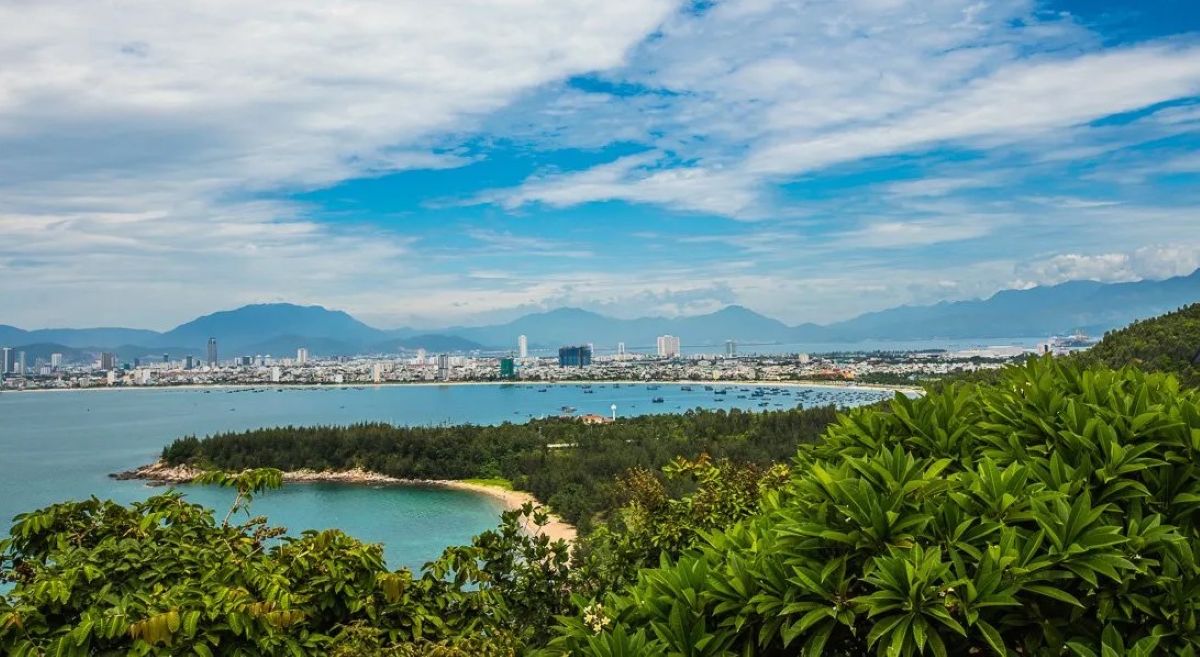
When you step into Hanoi or feel the sea breeze in Da Nang you quickly notice the changing rhythm of Asian travel. Visitors coming from abroad to Vietnam are increasing overall. The steady flow of sun lovers from South Korea is slowly easing. This quiet change is not about visitors missing their holiday it is a warning for hotels, golf resorts and airlines that depend on that regular business. As money becomes tighter and competition in the region grows hotter knowing these changing currents is essential, for anyone who wants to stay in the worldwide travel industry.
A Trend Worth Watching within the evolving framework of Southeast Asian tourism economics
Advertisement
Advertisement
In recent years, foreign tourism throughout Southeast Asia expanded at an extraordinary velocity. Industry specialists noted that South Korean Tourist Arrivals to Vietnam: A Trend Worth Watching demonstrates how shifting visitor actions reshape regional markets. Vietnam established itself as a top choice for international vacationers across East Asia. Official figures indicated that South Korea maintained its position as the second-largest origin market for Vietnam during the first nine months of 2026. Statistics revealed that Vietnam recorded 3.06 million visitor entries from South Korea during this frame. This high volume proves the strong economic connection binding both nations together.
However, recent statistical evaluations showed subtle movements that require fast tactical updates from business owners. While foreign entries into Vietnam surged across the same months, visitor entries from South Korea dropped slightly. This trend offers a useful case study for global analysts inspecting recovery paths and flight routes. Local operators in major urban spots like Da Nang, Hanoi, and Ho Chi Minh City must evaluate these market shifts to update services. Maintaining steady relationships with foreign markets remains a top goal for regional developers and investors.
Advertisement
Advertisement
Examining the divergence between expanding global inbound traffic and declining Korean visitor figures
The overall market picture across Southeast Asia highlighted an interesting contrast when comparing global travel demand with specific outbound flows. The total international arrival volume for Vietnam increased by 14.5 percent to hit 17.7 million visitors. This solid gain stemmed from rising interest across several foreign regions, including Western Europe, North America, and nearby Asian territories. Conversely, the specific influx of vacationers originating from South Korea dropped by 5.5 percent during the exact same period. Such a clear split between national expansion and a top source market reveals changing habits that require thorough analysis.
Advertisement
Advertisement
This localized drop proves how global financial shifts quickly alter regional vacation choices despite strong macro momentum. Financial observers reported that currency fluctuations and price inflation directly impact the spending decisions of foreign travelers. When major customer segments reduce their frequency of overseas journeys, high-volume destinations experience quick revenue impacts across hospitality divisions. Consequently, luxury resorts and transport companies operating in popular hubs like Phu Quoc must adjust booking projections. Understanding these complex economic mechanics remains vital for balancing destination portfolios against single-market reliance.
Exploring the core financial and competitive catalysts driving the decrease in foreign vacationers
Advertisement
Advertisement
Multiple financial factors contributed to this sudden realignment of destination choices among citizens traveling from South Korea. Rising trip costs—such as higher flight fares, room prices, and local transport rates—forced budget-conscious families to reconsider long journeys. Furthermore, unfavorable exchange rates reduced the purchasing power of travelers spending cash overseas. At the same time, regional airlines modified flight schedules, reducing the availability of direct routes between major urban centers. Combined together, these economic and logistical pressures increased the total expense of visiting traditional tropical destinations.
Simultaneously, aggressive market rivalry from rival destinations successfully diverted significant tourist volumes away from Vietnam. Neighboring destinations like Japan and China launched strong promotional programs alongside simple entry requirements and favorable currency valuations. Consequently, many travelers from South Korea selected shorter, more affordable flights toward Japanese coastal regions or historic hubs across China. This growing competition highlights the international nature of modern tourism, where consumers constantly compare locations based on cost, ease of travel, and novel experiences.
Assessing the global economic ramifications for hospitality operations, golf resorts, and international travelers
These shifting consumer flows carry widespread consequences for the broader tourism environment, far beyond basic hotel sales. High-end resort operators, urban boutique hotels, and premier golf course facilities across Vietnam must modify business strategies to target alternate client segments. Historically, luxury recreation facilities especially world-class golf courses along central coastal areas relied on regular group visits from South Korea. To offset potential revenue losses, regional businesses must now expand promotional campaigns toward fast-growing markets in Western Europe and South Asia.
Advertisement
Advertisement
From a global standpoint, these shifting travel patterns demonstrate how modern international vacationers react to economic changes, flight options, and competing regional prices. When a primary source market undergoes economic adjustments, destination nations must update infrastructure, design targeted cultural packages, and raise service quality to preserve global interest. Ultimately, tourism boards that successfully prepare for these shifting consumer habits will build resilient operational models capable of thriving amid unpredictable market changes.
Evaluating average daily expenditure and length of stay metrics among South Korean vacationers
Recent financial tracking across major coastal destinations demonstrates how individual traveler spending patterns have transformed alongside overall arrival numbers. While head counts offer a high-level view of market volume, tracking the average length of stay provides a clearer picture of total economic impact. Historical metrics show that visitors originating from South Korea previously maintained an average stay of four to five nights per itinerary. However, recent hospitality records indicate a reduction toward approximately three nights per visit. This compressed travel duration directly impacts overall room-night sales and alters revenue projections for major hotel operators.
Furthermore, daily per-person expenditures have undergone structural adjustments due to rising local operational costs and shifting holiday priorities. On average, daily budgets range between $120 and $180 across accommodation, dining, and recreational activities. Despite modest price increases across premium hospitality sectors, the net economic yield per visitor has contracted relative to previous peak years. As travelers shorten their vacations to manage total trip expenses, ancillary revenue streams—such as hotel dining, spa services, and local transportation—experience immediate financial pressure.
Analyzing air seat capacity and direct route availability between key urban hubs
Aviation connectivity serves as a foundational pillar for international inbound tourism, directly influencing traveler decisions through convenience and pricing. Direct flight corridors connecting major origin hubs like Seoul and Busan to primary destination airports in Da Nang, Hanoi, and Nha Trang have experienced capacity realignments. Airline operators have adjusted weekly frequencies and fleet allocations in response to changing load factors and fluctuating seasonal demand. These operational changes directly affect the total volume of seats available to leisure passengers throughout the year.
Advertisement
Advertisement
Simultaneously, airfare pricing on primary regional corridors has risen notably over recent operational cycles. Average ticket prices for round-trip travel between major East Asian urban centers and coastal Southeast Asian hubs have experienced increases between 15 and 25 percent. Consequently, average passenger load factors on specific regional routes have moderated from peak levels of near 88 percent down to around 78 percent. Higher aviation costs, combined with tighter seat inventory on preferred travel days, create clear financial barriers for price-sensitive vacationers evaluating holiday destinations.
Measuring foreign exchange rate impacts and reduced purchasing power of the Korean Won
Macroeconomic conditions and currency valuations play an essential role in shaping international leisure choices. Recent exchange rate movements between the South Korean Won and foreign currencies have altered the relative affordability of overseas destinations. When foreign currency values appreciate relative to origin currencies, international vacationers experience a direct reduction in local purchasing power. This macroeconomic pressure discourages discretionary spending abroad and encourages travelers to seek budget-friendly alternatives.
Analytical models indicate that travelers have experienced an estimated loss in overseas purchasing power ranging between 8 and 12 percent. This shift forces families and independent travelers to adjust their spending behavior while abroad. Rather than allocating funds to optional add-ons like fine dining, retail shopping, or guided excursions, consumers prioritize basic travel necessities. Consequently, local merchants, independent tour companies, and retail centers in high-traffic commercial zones face declining daily sales volumes.
Assessing regional destination competition and shifting travel preferences toward alternative East Asian markets
The international tourism landscape across East and Southeast Asia remains fiercely competitive, with multiple destinations actively bidding for outbound travelers. Countries such as Japan and China have capitalized on changing market conditions by introducing targeted promotional campaigns and attractive entry policies. Simplified travel authorizations, combined with favorable currency valuations, have made short-haul trips to neighboring regions highly appealing. As a result, significant volumes of outbound vacationers have redirected their travel itineraries toward these alternative markets.
Advertisement
Advertisement
Comparative statistical data highlights this clear shift in regional tourist distribution. While travel to traditional tropical destinations has moderated, outbound trips toward Japan and China have recorded strong double-digit growth. Shorter flight durations—often ranging from 1.5 to 2.5 hours compared to 4.5 or more flight hours to destinations in Southeast Asia—offer greater convenience for weekend travelers. This proximity, paired with aggressive marketing campaigns, continuously diverts high-yield tourist traffic away from long-established beach resorts.
Tracking the financial exposure of golf tourism and high-end coastal resort operations
High-end resort infrastructure and specialized sports facilities represent significant capital investments that rely heavily on consistent foreign demand. Central coastal regions, including destinations like Da Nang, Hoi An, and Quy Nhon, built extensive golf tourism ecosystems around international demand. Historically, organized golfing groups provided sustained, high-margin revenue for resorts and championship courses. However, recent data indicates a 10 to 18 percent contraction in pre-booked tee-time packages across primary coastal facilities.
This reduction in sports-focused travel directly impacts overall resort performance and local employment. Luxury five-star hotel occupancy rates across specialized resort precincts have declined by 4 to 7 percentage points. Additionally, ancillary revenues derived from caddie fees, equipment rentals, and clubhouse dining have experienced parallel declines. To protect operational profitability, course management firms and luxury hospitality brands are forced to re-evaluate pricing strategies and diversify their core customer base.
Examining demographic shifts and generational holiday habits among younger Korean travelers
Demographic transformations are reshaping the profile of modern international travelers, driving a transition away from traditional group tours toward independent exploration. Younger demographics, particularly Millennials and Generation Z, prioritize authentic cultural engagement, local gastronomy, and flexibility over organized group itineraries. Fully Independent Travelers now account for up to 65 percent of outbound journeys from major urban hubs. This behavioral evolution requires tourism providers to modernize marketing channels and service models.
Advertisement
Advertisement
Furthermore, digital booking technology plays a central role in how younger vacationers plan and execute their trips. Over 80 percent of reservations for accommodations, local transport, and activities occur through mobile applications and direct digital platforms rather than traditional travel agencies. Travel motivations have similarly shifted, moving from luxury wellness retreats toward budget-conscious, experience-driven urban breaks. Destinations that fail to offer seamless digital integration and unique cultural experiences risk losing relevance among younger travel segments.
Investigating alternative foreign source market growth to balance single-market dependencies
To build long-term economic resilience, national tourism boards and private operators actively work to diversify their international source markets. Over-reliance on a single origin market exposes local economies to localized downturns and geopolitical shifts. Consequently, destination management entities are expanding promotional activities across emerging and high-yield markets in Western Europe, North America, Australia, and India. Broadening the visitor portfolio mitigates risk and ensures steady year-round occupancy across hospitality sectors.
Recent arrival metrics reflect the early success of these diversification initiatives. Inbound visitor volumes from Western European nations, including Germany, France, and the United Kingdom, have demonstrated growth rates between 15 and 20 percent. Similarly, rapid expansion in long-haul arrivals from India and Australia helps offset retractions from traditional regional markets. As these alternative source markets expand, the proportional share of a single dominant origin country recalibrates toward a more balanced, sustainable tourism distribution.
Strategic recommendations for hotel operators, tourism boards, and destination management companies
Navigating shifting consumer demand requires proactive adaptations from local business owners and regional development authorities. Destination management organizations must reallocate marketing budgets toward targeted digital campaigns in secondary urban centers, such as Daegu and Gwangju. By engaging prospective travelers outside major capital cities, tourism boards can capture previously untapped demand segments. Furthermore, developing value-added packages that bundle accommodation, airport transfers, and local experiences helps offset rising base costs.
Advertisement
Advertisement
Simultaneously, service standards and operational infrastructure must evolve to match changing international expectations. Implementing localized digital payment options, enhancing multi-lingual signage, and offering tailored dining programs improve overall visitor satisfaction. Additionally, hospitality businesses must invest in staff training to deliver personalized experiences that encourage repeat visits. Through strategic marketing adjustments, price optimization, and service enhancements, destination operators can effectively maintain competitive advantage and secure sustainable economic growth.
The Final Verdict
Travel is ultimately about people connecting laughing together on beaches and quiet times in old streets. Numbers and market changes give a tale but the core of Vietnams tourism is real hospitality. When travelers, from South Korea rethink their trips and seek horizons destination leaders do more than adjust money plans they imagine new ways to welcome old friends again. By listening to changing dreams staying flexible and respecting real experiences the travel community can close economic gaps and make sure each visitor leaves with lasting memories.
Advertisement
