
Poland Overtakes Germany And More Countries In Strengthening Morocco Tourism With Over 5% Growth As Long-Haul And Mediterranean Demand Climbs

Published
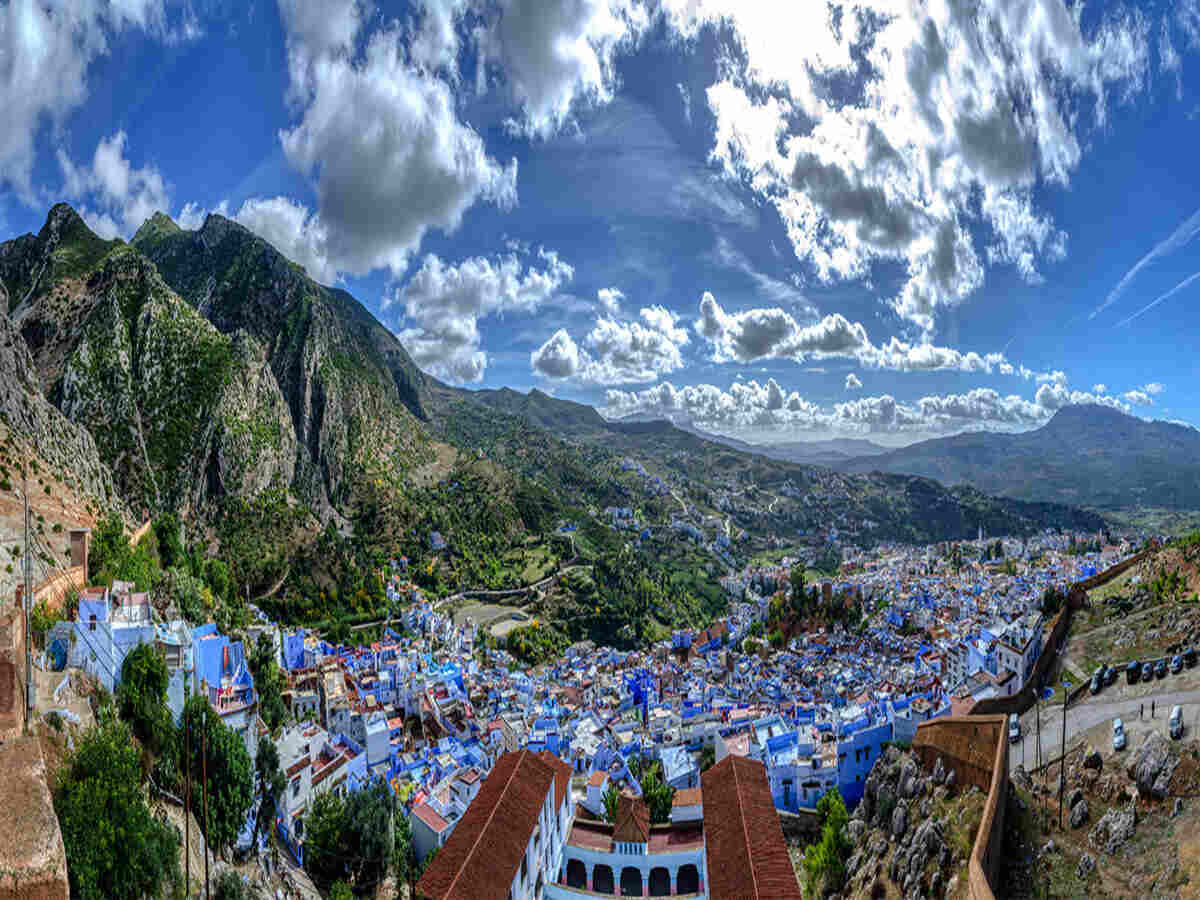
Tourism from Poland dominates the Moroccan boom in 2026, as demand from Europe and long-distance sources pushes up tourism by over 5%. One of 2026’s remarkable examples of tourism growth is that of Morocco, which gains from rising demand from Poland, Germany, The Netherlands, France, Belgium, the US, Italy and the UK and thus enjoys increasing international arrivals. According to UNWTO Tourism statistics, tourist arrivals grew by 5.8% during January-June 2026, whereas according to national figures for the same period, growth was around 6%, reaching nearly 9.4 million.
The expansion is more than a simple rebound in traveller numbers. Morocco is combining new airline capacity, airport investment, better accommodation, international promotion and regional tourism development. At the same time, European markets continue to provide the industry’s core volume while long-haul demand, particularly from North America, adds another layer of growth.
Advertisement
Advertisement
Morocco Tourism Moves Beyond Five Per Cent Growth in First Half of 2026
Morocco’s tourism industry entered the second half of 2026 from a stronger position. Nearly 9.4 million visitors arrived during the first six months, according to the national figures previously examined. UN Tourism’s dataset places first-half growth at 5.8%, while Morocco’s own reporting rounds the increase to approximately 6%.
More importantly, other tourism indicators grew even faster. Classified accommodation nights advanced around 9%, while travel receipts reached approximately MAD 64.9 billion, representing growth of 15.9%.
Advertisement
Advertisement
That difference matters. Visitor volumes are expanding, but tourism revenue is rising at a substantially faster pace.
| Tourism indicator | 2026 performance | Growth |
|---|---|---|
| International visitors, H1 | Nearly 9.4 million | About +6% |
| UN Tourism arrivals measure | January–June | +5.8% |
| Classified accommodation nights | H1 2026 | +9% |
| Travel receipts | MAD 64.9 billion | +15.9% |
| Airport passengers, Jan–Jul | 22.28 million | +8.77% |
| International airport traffic, Jan–Jul | 19.89 million | +8.82% |
Poland Emerges as the Breakout Market for Morocco
Poland stands out dramatically among the international markets identified in Morocco’s first-half tourism performance.
Advertisement
Advertisement
Polish arrivals increased 32%, putting the country far ahead of the growth reported from Germany, the Netherlands, France and other established European markets.
This is significant for Morocco because it shows the country can generate demand beyond its traditional western European visitor base. Poland represents a rapidly expanding Central European market where better air access can make Moroccan cities and coastal destinations increasingly practical choices.
The growth also supports Morocco’s wider strategy of diversifying where its visitors originate rather than depending excessively on a handful of mature markets.
Germany Delivers Powerful Double-Digit Tourism Growth
Germany follows with a 14% increase in tourist arrivals during the first half of 2026.
German demand is important because Morocco can offer several distinct products within a relatively accessible destination: Atlantic beaches, cultural cities, desert landscapes, trekking, nature, gastronomy and short urban breaks.
The 14% increase also demonstrates the value of Morocco’s strategy to combine air connectivity with diversified tourism experiences.
Advertisement
Advertisement
Rather than selling one version of Morocco, tourism authorities are building separate propositions around cities, coastlines, nature, desert adventures and cultural itineraries. That approach gives German travellers more reasons to visit different regions and potentially return.
Netherlands Strengthens Northern European Demand
The Netherlands delivered another strong result, with arrivals increasing 10%.
Dutch growth adds to evidence that Morocco’s European expansion extends well beyond its largest traditional markets.
Air access plays an important role. Morocco has made international point-to-point connectivity a central element of its tourism strategy. Additional European connections can provide travellers with alternatives to conventional journeys through the largest gateway airports.
This connectivity strategy is particularly important for destinations outside Casablanca and Marrakech. Direct access can help channel visitors towards Agadir, Fez, Essaouira, Rabat, Ouarzazate, Tetouan and other areas.
France Combines Huge Strategic Importance With Continued Growth
France remains central to Morocco’s international tourism economy while continuing to expand.
Advertisement
Advertisement
French arrivals increased 9% in H1 2026. This growth is especially valuable because France is already one of Morocco’s most established tourism markets.
Morocco is strengthening this relationship through targeted marketing, travel distribution and air connectivity. Its approach increasingly seeks passengers from French regional cities instead of concentrating demand around Paris.
That opens a larger potential catchment.
Morocco is also attempting to encourage repeat visits. Someone who has already experienced Marrakech could return for Essaouira, Rabat, Fez, Tangier, Agadir or the desert regions. This shifts the proposition from a single Moroccan holiday towards multiple destination experiences.
Belgium Adds Another Nine Per Cent Growth Market
Belgium also recorded 9% growth, matching the percentage increase reported for France and the United States.
Belgium strengthens Morocco’s position across western Europe and complements growth from France, Germany and the Netherlands.
Advertisement
Advertisement
Taken together, these markets reveal an important trend. Morocco’s first-half expansion is not dependent on a single European country.
Poland is accelerating sharply. Germany is recording double-digit growth. Dutch demand is rising strongly. France and Belgium remain robust.
That diversified source-market structure gives Morocco a broader foundation for continued tourism development.
United States Pushes Morocco’s Long-Haul Tourism Higher
The United States provides a different dimension to the tourism story.
American arrivals increased 9% during the first half of 2026, making the US one of the strongest long-haul markets highlighted in the official Moroccan data already examined.
The wider aviation numbers reinforce the trend. Passenger traffic between Morocco and North America increased 14.54% during January to July 2026.
Advertisement
Advertisement
American tourism is strategically important because long-haul visitors can support different parts of Morocco’s tourism economy, including cultural itineraries, premium accommodation, desert experiences and multi-city trips.
This means Morocco’s expansion is no longer simply a Mediterranean or short-haul European phenomenon.
Italy Reinforces Morocco’s Mediterranean Tourism Links
Italy contributed another 6% increase in arrivals during the first half.
Its performance strengthens Morocco’s Mediterranean tourism position while adding another expanding European source market.
Geographical proximity is only part of the opportunity. Morocco is developing tourism products around beaches, city breaks, cultural touring, food, nature, desert experiences and entertainment.
That allows it to compete for travellers seeking anything from a short city escape to a longer itinerary.
Advertisement
Advertisement
With Italy expanding alongside France, Belgium, Germany, Poland and the Netherlands, Mediterranean and European demand remains central to Morocco’s international tourism performance.
United Kingdom Maintains Its Upward Momentum
The United Kingdom recorded a 4% increase during the first half of 2026.
While this growth is more moderate than Poland’s 32% or Germany’s 14%, Britain remains an important established source market.
Morocco’s combination of direct flights, warm-weather destinations, cultural attractions and relatively short journey times supports its position among British travellers.
Expanding regional connectivity could further broaden that relationship. Marrakech may remain a major draw, but Agadir, Essaouira, Fez, Rabat, Tangier and other destinations give Morocco opportunities to distribute British demand more widely.
That geographical spread is becoming increasingly important to Morocco’s tourism model.
Advertisement
Advertisement
Morocco Uses Air Connectivity to Unlock More Tourism Growth
Morocco’s most powerful tourism strategy in 2026 is arguably connectivity.
The national Tourism Roadmap places stronger domestic and international aviation links among its principal competitiveness measures.
For winter 2026, Morocco’s partnership with Ryanair is expected to support 156 routes, 17 new connections and approximately 5.3 million seats connecting Morocco with 14 European countries.
This capacity matters because direct flights can transform destination choices.
A traveller who previously needed a complicated connection may suddenly gain direct access to a Moroccan city. That improves convenience and can increase demand for secondary destinations.
It also gives Morocco a mechanism for directing tourism growth beyond its best-known hotspots.
Advertisement
Advertisement
Airport Modernisation Supports Rising International Demand
Airline expansion needs airport infrastructure capable of handling the additional passengers.
Morocco is therefore pursuing its Airports 2030 strategy, covering major gateways such as Casablanca, Marrakech, Agadir, Tangier and Fez.
Casablanca Mohammed V is particularly important because Morocco intends to strengthen its position as a major international hub connecting Africa with Europe and longer-haul markets.
The strategy goes beyond terminal size. Digitalisation, automated passenger processes, baggage handling and improvements to the overall airport journey form part of the transformation.
Airport passenger traffic illustrates why this investment matters. Moroccan airports handled approximately 22.28 million passengers during January–July 2026, up 8.77%.
Morocco Pushes Travellers Beyond Marrakech
Destination diversification represents another pillar of Morocco’s tourism strategy.
Advertisement
Advertisement
Marrakech remains an international tourism heavyweight, but 2026 accommodation figures show strong momentum elsewhere.
Ouarzazate recorded 23% growth in classified accommodation nights, while Rabat increased 20%. Agadir and Casablanca each advanced 11%, with Marrakech and Tangier both rising 10%.
Errachidia increased 9%, Al Haouz 7%, while Fez and Essaouira each registered 6% growth.
This distribution is strategically valuable. It gives Morocco more tourism centres, spreads spending between regions and creates reasons for repeat visitors to discover somewhere new.
Better Hotels Become Part of the Growth Strategy
Accommodation quality is also receiving greater attention.
Morocco is not simply trying to increase the number of hotel beds. Authorities are seeking improvements in actual guest experience.
Advertisement
Advertisement
Around 2,500 classified tourism establishments are being assessed under a system incorporating mystery visits. The approach shifts some attention away from physical infrastructure alone towards the service travellers actually receive.
This becomes increasingly important as Morocco competes for international travellers who compare hotels, service standards and guest experiences across destinations.
Higher standards can also complement Morocco’s effort to generate more tourism revenue without depending exclusively on ever-larger visitor volumes.
Business Tourism Opens Another Market
Morocco is also expanding beyond leisure tourism.
The country aims to attract 2.3 million business and conference tourists by 2030 and has around 135,000 seats of existing business and conference capacity across its cities.
Agadir is expected to gain a convention centre with capacity for approximately 5,000 people by the end of 2026, while larger conference infrastructure is planned elsewhere.
Advertisement
Advertisement
Business tourism can strengthen demand outside conventional holiday seasons. Conferences and exhibitions support hotels, restaurants, transport providers and event businesses.
This gives Morocco another route towards reducing seasonality while raising tourism’s economic contribution.
Morocco’s Tourism Growth Is Becoming More Valuable
Perhaps the most important figure is not the 5.8% increase in tourist arrivals.
It is the 15.9% increase in travel receipts.
Morocco generated approximately MAD 64.9 billion from travel receipts during the first half of 2026. That increase significantly outpaced visitor growth.
The combination tells a larger story.
Advertisement
Advertisement
Morocco is attracting more people. Those visitors are generating more overnight stays. And tourism earnings are expanding even faster.
That is precisely why investments in hotels, experiences, connectivity and destination diversification matter. Morocco can seek not only additional visitors but also greater economic value from each stage of their journey.
Long-Haul and Mediterranean Demand Gives Morocco a Broader Tourism Base
Morocco’s 2026 tourism performance ultimately rests on diversification.
Poland leads the identified source markets with 32% growth, followed by Germany at 14% and the Netherlands at 10%. France, Belgium and the United States each increased 9%, Italy grew 6%, and the United Kingdom advanced 4%.
Europe remains the dominant international aviation market. Yet North American traffic is expanding strongly, while other long-haul regions are showing momentum.
Morocco is responding with additional flights, larger airports, better hotels, more regional destinations, business tourism infrastructure and targeted overseas promotion.
Advertisement
Advertisement
Morocco will outperform Germany and others in developing the market for its tourism product due to European and international tourist demand contributing to growth above 5% in 2026.
Consequently, the country’s tourism sector is expanding both geographically and economically. The UN Tourism’s figure of 5.8% reflects the increase in the number of arrivals, yet it fails to reflect the full picture. The real change for Morocco involves the ability of the country to translate its connectivity and international demand into increased overnights and revenue growth.
Frequently Asked Questions
Why is Morocco tourism growing in 2026?
Morocco is benefiting from stronger international air connectivity, airport expansion, hotel improvements, destination diversification and targeted overseas promotion.
Which country is recording the fastest tourism growth to Morocco in 2026?
Poland stands out among the highlighted markets, with arrivals increasing 32% during January–June 2026.
How much did Morocco tourist arrivals grow in the first half of 2026?
UN Tourism data indicate growth of 5.8%, while Morocco’s national reporting places first-half growth at approximately 6%, with nearly 9.4 million visitors.
Which countries are boosting Morocco tourism in 2026?
Key growing markets include Poland, Germany, the Netherlands, France, Belgium, the United States, Italy and the United Kingdom.
Advertisement
Advertisement
How is Morocco attracting more international tourists?
Morocco is expanding direct flights, modernising airports, improving accommodation standards and promoting destinations beyond traditional hotspots such as Marrakech.
Which Moroccan destinations are seeing strong tourism growth?
Ouarzazate and Rabat recorded particularly strong accommodation-night growth, while Agadir, Casablanca, Marrakech, Tangier, Errachidia, Fez and Essaouira also expanded.
Is long-haul tourism becoming more important for Morocco?
Yes. US arrivals increased 9% in H1 2026, while broader North American air passenger traffic also recorded double-digit growth.
Is Morocco earning more from tourism in 2026?
Yes. Travel receipts reached approximately MAD 64.9 billion in H1 2026, rising 15.9%, considerably faster than visitor arrivals.
Advertisement
