
Sardinia’s 300-Meter Coastal Rule: What Others Are Missing in the Shocking Shutdown of the Tavolara Luxury Resort

Published
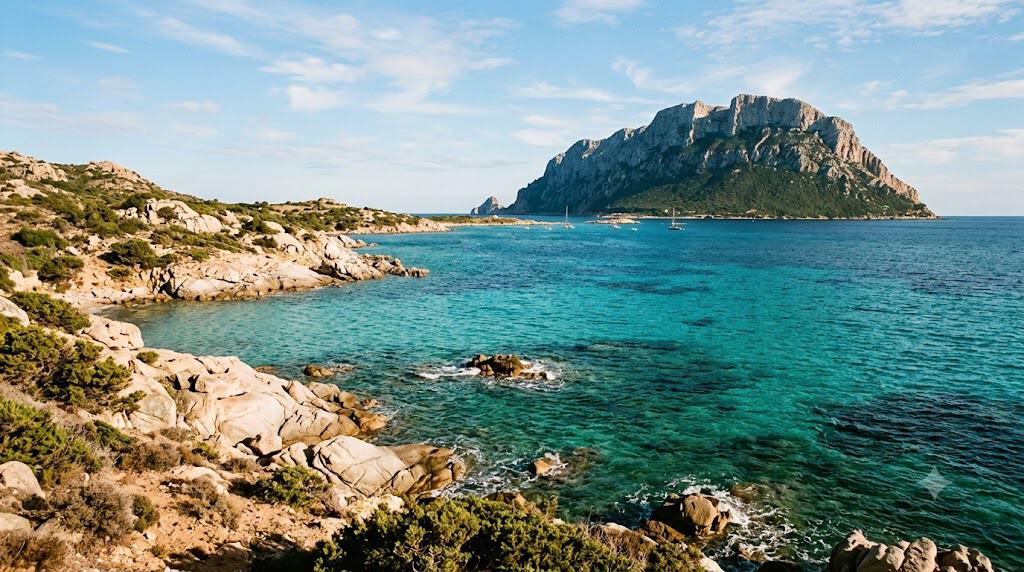
Image generated with Ai
The Italian government has unexpectedly revoked all special regulatory approvals for a multi-million-dollar luxury resort development in north-eastern Sardinia, marking a monumental victory for eco-activists and regional leaders who successfully shut down a major international corporate project. This high-stakes legal reversal, finalized in July 2026, serves as an immediate warning to global real estate developers that local environmental protections can no longer be bypassed using fast-track economic loopholes. The sudden cancellation directly impacts the Brazilian investment firm JHSF, municipal authorities, and a growing international movement of local communities fighting back against stealth coastal developments.
The Stealth Strategy: How the “ZES Loophole” Was Exposed
What others are entirely missing about the Tavolara Bay controversy is that it was never just a local zoning disagreement. At its core, this showdown exposes a dangerous, rising global trend: large corporate conglomerates utilizing Special Economic Zones (ZES) as legal Trojan horses to bypass local conservation laws.
Advertisement
Advertisement
In February 2026, the Italian Department for the South at Palazzo Chigi granted unique, fast-tracked “ZES approvals” to the Italian-Brazilian development company Tavolara Bay Srl, a subsidiary of the Brazilian luxury real estate giant JHSF. Under normal circumstances, building any commercial project in Cala Finanza—a breathtaking promontory in the municipality of Loiri Porto San Paolo—is completely illegal.
The site sits directly across from the marine protected area of Tavolara-Punta Coda Cavallo. However, by leveraging the simplified administrative channels meant for boosting industrial economic zones, the developers managed to secure a state-level green light. This fast-track approval initially blindsided regional guardians, creating a template for what critics feared would become an “Albanian-style” coast privatization scandal, echoing controversial high-end lagoon projects in Vlorë.
Advertisement
Advertisement
The 300-Meter Line in the Sand
The legal firewall that ultimately brought down this luxury glamping initiative was Sardinia’s legendary regional landscape plan, originally enacted in 2006 by former regional president Renato Soru. This strict environmental framework locks down the island’s shores, placing an absolute, unbreakable ban on any new construction sites within 300 meters of the sea.
Advertisement
Advertisement
To bypass this rule, the JHSF group designed a seemingly harmless first phase for their project. The plan included:
- Refurbishing an existing coastal property known as Villa Joy.
- Installing roughly 20 ultra-luxury, removable “glamour camping” cabins.
- Guarantees of zero net increase in the site’s total permanent floor space.
While the developers argued that these removable structures would cause minimal environmental disruption, local activists saw right through the strategy. They recognized it as a corporate foot-in-the-door technique. If a luxury developer could use special economic privileges to bypass the 300-meter rule for “temporary” cabins, it would establish a lethal legal precedent, effectively dismantling coastal conservation laws across the entire Mediterranean basin.
A United Front: The Power of Grassroots Mobilization
The turning point in this battle occurred on the beaches and in the town halls. Hundreds of local Sardinians, civic coalitions, and major national environmental groups coordinated an aggressive counter-offensive. They successfully pressured the local municipal council of Loiri Porto San Paolo to execute a dramatic U-turn, forcing Mayor Francesco Lai to officially rescind the council’s previous November 2025 exploratory resolution.
This grassroots coalition united an extraordinary variety of civic groups, environmental defenders, and regional political organizations, including:
- National Environmental Giants: WWF Italia, Legambiente, and Italia Nostra.
- Regional Advocacy Collectives: Gruppo di intervento giuridico, Liberu, and Rosso Mori.
- Local Action Committees: Comitato Costituzione attiva Sassari, Surra, and Movimento ambiente Sardegna.
- Cultural & Heritage Networks: Bardianía de sa Nurra, Gruttes, and Nurnet.
This massive public outcry culminated in an intense beachside demonstration at Cala Finanza under the unifying banner, “Cala Finanza is Everyone’s Heritage.” Recognizing that they had completely lost local consent, the municipal government voted to withdraw its support. With the local foundation removed, the national government in Rome was forced to step back, officially revoking the state-level ZES permit on July 2, 2026.
Advertisement
Advertisement
The Global Precedent: The New Legal Template for Eco-Resistance
The truly unique angle of the Tavolara shutdown is the emergence of a powerful new legal blueprint for regional autonomy over state-backed corporate projects. Sardinian Regional President Alessandra Todde took a fiercely defiant stance, bypassing federal hesitation by filing a direct appeal with the Regional Administrative Court (TAR). Todde openly declared her readiness to fight the federal government all the way to the Constitutional Court to preserve regional environmental sovereignty.
This case marks a historic shift. For years, massive international developers have used economic emergency decrees and fast-track zones to steamroll local communities. Sardinia has flipped the script, demonstrating that regional conservation laws can successfully dismantle federal economic loopholes.
As regional authorities and environmental groups celebrate, Tavolara Bay Srl has expressed deep perplexity, consulting with legal teams to safeguard their long-term investments. Meanwhile, Mayor Francesco Lai issued a firm, lasting warning to international boards: “This affair must be a lesson for everyone. For investors, first and foremost: Sardinia is not up for grabs.”
What Do You Think?
The defeat of the Tavolara luxury resort proves that when communities unite, even billionaire developers must back down. Do you believe fast-track economic zones should ever be allowed to override local environmental laws?
Advertisement
