
Now Is the Time to Plan a Better Kruger Trip With Costs and Booking Tips in the South Africa Safari Guide

Published
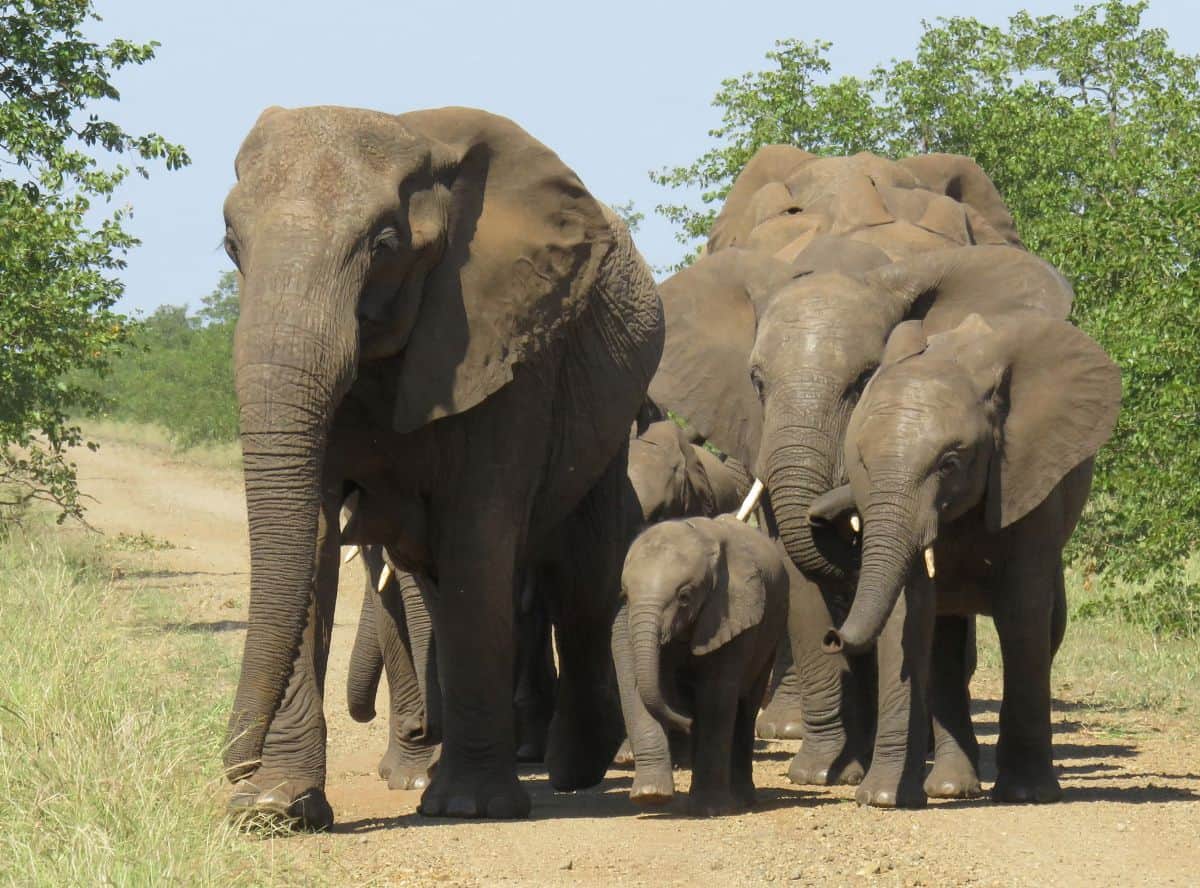
Visitors planning stays in South Africa’s Kruger National Park should note a confirmed booking change for new Skukuza accommodation units. The park authority’s published notice keeps reservations with the camp until 31 October 2026, with website bookings available from 1 November 2026. The arrangement affects those units, while existing entry fees, gate schedules and health precautions remain separate planning considerations. This South Africa Safari Guide explains the position verified on 7 October 2026, helping independent visitors and families understand what to book, budget and check.
South Africa Safari Guide Separates Confirmed Changes From Context
The central development concerns how travellers book specific accommodation. Other verified information explains the conditions surrounding a Kruger visit. The table assigns editorial assessments of story importance, based on the relevance and scope of the evidence. These percentages total 100%; they are not official statistics, visitor shares or measures of economic impact.
| News Component | Share of Story | Officially Verified Finding | Relevance to Travellers | Official Source |
|---|---|---|---|---|
| Accommodation booking | 35% | New Skukuza units move to website booking on 1 November | Changes the reservation channel | Official park booking notice |
| Travel costs | 25% | Three daily conservation tariff categories apply through October | Determines entry budgets | Official park fee schedule |
| Park access | 20% | October entrance gates operate from 05:30 to 18:00 | Sets arrival and departure limits | Official day-visit guidance |
| Seasonal conditions | 10% | October begins the published rainy-season period | Changes vegetation and viewing conditions | Official park climate guidance |
| Health and documents | 10% | Malaria precautions and separate immigration checks remain relevant | Requires preparation before travel | Official health and consular guidance |
The evidence establishes a limited accommodation booking transition and practical requirements for visiting one national park. It does not demonstrate a tourism surge, increased hotel demand or a new immigration policy. The immediate effect concerns reservation arrangements for the specified units. Wider tourism significance lies in helping visitors understand the costs and conditions attached to their stay.
Understanding the Context Behind the Development
The current conservation tariff period began on 1 November 2025. A booking notice dated 18 December 2025 subsequently set out arrangements for the new Skukuza units. As checked on 7 October 2026, that notice still directs guests to book through the camp until the stated deadline. It does not explain the operational reason for delaying website availability. Seasonal conditions and gate rules provide background for travellers, but the available evidence does not establish them as causes of the booking arrangement.
Advertisement
Advertisement
All entry costs in this South Africa Safari Guide use the published tariff ending on 31 October 2026. South African citizens and residents pay R134 per adult and R67 per child daily. SADC refers to the Southern African Development Community’s member countries. SADC nationals pay R275 and R137, while other international visitors pay R602 and R300. Adult rates apply from age 12; child rates cover ages two to 11, and younger children enter free. Two international adults and two qualifying children therefore pay R1,804 daily. Accommodation and activities remain additional, with a 1% community-fund charge on those reservations. Request an itemised quote before payment.
Safari Guide Explains Seasons, Stays and Activities
Kruger’s April–September dry season brings warm days, cold nights and thinner vegetation. Wildlife viewing generally benefits when animals gather near remaining water sources. October–March brings hotter, rainy conditions and denser growth, which can make animals harder to see. These patterns help visitors choose their travel dates but cannot guarantee sightings. Accommodation choices include camping, self-catering units and luxury lodges. Facilities differ, so travellers should compare electricity, equipment, location and accessibility alongside the quoted price before confirming a stay.
Advertisement
Advertisement
Activities include guided game drives, walks, birdwatching and wilderness trails. Published trail arrangements cover three nights, two walking days and no more than eight participants. Walking can reach 20 kilometres in a day, and shared huts may accommodate guests from different reservations. These conditions make physical suitability and available time important booking considerations. Visitors seeking a shorter experience should compare the available activities separately. A camp reservation alone does not establish which guided experiences are available or included in its price.
Documents, Health and Access Shape the Visit
Park registration requires identification, such as an ID or passport. International visitors must separately meet immigration requirements based on nationality, passport category and itinerary. Official tourist-visa guidance specifies a machine-readable passport, two unused visa pages and validity extending 30 days beyond departure. Use this Safari Guide alongside the official checklist applicable to your residence and circumstances. Accessibility also needs individual checking: published profiles cover particular camps, accommodation units, gates and visitor facilities, rather than guaranteeing identical access across the park.
Kruger lies in a malaria-endemic area, making medical preparation relevant before arrival. Consult a travel doctor or GP about suitable prevention, including whether preventive medicines are appropriate. Official health guidance also recommends protective clothing, suitable repellents, mosquito nets and window screens. Seek prompt medical attention for fever, headache or chills during or after a visit, and explain the travel history. These precautions concern individual health needs; they do not indicate that the booking change itself creates a new health emergency.
What Travellers Should Do Before November
Day visitors should plan around daily entry limits, which can become relevant during public holidays and long weekends. Once the daily threshold is reached, official guidance says only visitors with pre-booked overnight accommodation may enter the park. Advance reservations carry a separate booking fee and require payment by the stated deadline. October entrance gates open at 05:30 and close at 18:00. November’s published closing time moves to 18:30, while entrance opening remains unchanged. Visitors travelling across the month boundary should review the applicable arrangements before departure. Road limits are 50 km/h on tarred roads, 40 km/h on gravel roads and 20 km/h inside rest camps.
- Book the specified Skukuza units through the camp until 31 October.
- Confirm November prices before calculating the final trip budget.
- Carry identification and evidence supporting the applicable visitor tariff.
- Check activity conditions and accessibility before paying.
- Allow sufficient driving time to reach camp or exit before closing.
- Arrange medical advice before visiting the malaria-risk area.
The confirmed next step is website booking for the new Skukuza units from 1 November. The current tariff period ends the previous day, so visitors need to check the prices covering their actual stay. The reviewed notices do not establish a future fee increase or require general cancellation of existing trips. The practical response is to verify the relevant booking channel, current tariff and gate schedule, then monitor official notices for any further changes affecting the itinerary.
Safari Guide Conclusion on Kruger Travel Planning
For accommodation and ground-transport businesses, the verified information supports a practical planning task: explain reservation channels, entry costs and operating hours clearly. This is an operational implication, not evidence of increased revenue or bookings. The notices concern Kruger and specific accommodation arrangements; they do not establish comparable changes elsewhere in South Africa or neighbouring safari destinations.
Kruger rewards careful planning, from choosing a suitable camp to leaving enough time for each drive. Visitors should match their budget to the correct conservation category and check what each reservation includes. Gate hours, activity conditions and health advice deserve the same attention as wildlife viewing. This South Africa Safari Guide brings those decisions together using official information available on 7 October 2026. The next confirmed booking milestone concerns Skukuza’s new units on 1 November. Check the applicable tariffs before travelling beyond October, carry the required documents and seek personalised malaria advice. Follow official updates before travelling to the park.
Advertisement
