
France Teams Up With Germany And More In Driving Tunisia Tourism As Stability, Value And Access Reshape Travel

Updated
Published
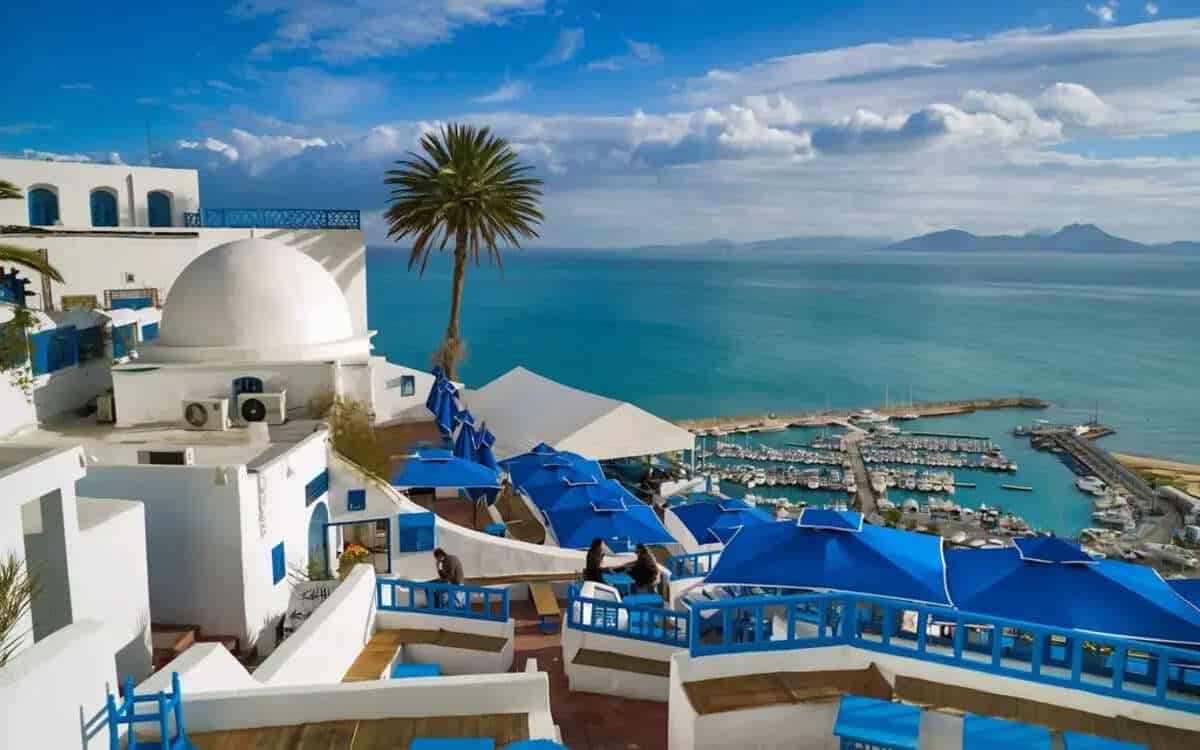
Image generated with Ai
France, Germany and other key markets have driven Tunisia’s tourism in 2026. Tunisia’s tourism has been boosted by France, Germany and other significant international markets in 2026. Enhanced air connectivity, cheap travel prices, revised perceptions of regional security, and rising demand for Mediterranean getaways have driven Tunisians towards travelers as tourism trends throughout the Middle East and North Africa continue to transform.
The North African country has entered 2026 with a more diversified visitor base. France, Germany, the United Kingdom, Algeria, Russia, Canada, Spain, Italy and Portugal are among the markets supporting tourism activity. Although overall visitor growth moderated later in the summer, international demand has remained resilient and tourism revenues have continued to rise.
France Remains At The Heart Of Tunisia Tourism Growth
France continues to hold a central position in Tunisia’s European tourism market.
During the first six months of 2026, approximately 518,113 French visitors were recorded in Tunisia. This represented growth of about 2.5% compared with the same period of 2025.
Advertisement
Advertisement
France remained Tunisia’s largest European source market by a considerable margin.
Accessibility has also been strengthened. More airline capacity has been provided between French cities and Tunisian destinations, allowing holidaymakers to reach beach resorts, heritage cities and Mediterranean tourism centres more easily.
Advertisement
Advertisement
More than 1.2 million passengers were carried on one major France-Tunisia airline network during 2026, representing around 7% annual growth. Winter capacity has also been expanded, helping Tunisia reduce its dependence on the traditional summer tourism season.
Germany Adds Fresh Momentum To European Demand
Germany has become another important contributor to Tunisia’s tourism performance.
Advertisement
Advertisement
Around 120,949 German tourists visited Tunisia during the first half of 2026. This represented growth of approximately 6.6%.
German travellers have traditionally been important for Tunisia’s coastal resort market. Demand has been supported by package holidays, Mediterranean beach stays, cultural experiences and competitive accommodation prices.
Tunisia’s ability to offer comparatively affordable holidays has become particularly significant as European travellers face higher travel costs.
The combination of shorter flying distances, resort infrastructure and better value has allowed Tunisia to remain competitive against destinations in Southern Europe and other parts of the Mediterranean.
Advertisement
Advertisement
UK Tourism Demand Surges Ahead
The United Kingdom has produced one of Tunisia’s strongest European growth stories in 2026.
Around 217,354 British visitors entered the country during the first half of the year. Arrivals were up approximately 8.6%.
The UK became Tunisia’s second-largest European source market, behind France.
This growth has been supported by renewed confidence in Tunisia as a mainstream Mediterranean holiday destination. Beach resorts, family packages and all-inclusive properties have continued to attract British travellers seeking affordable alternatives to more expensive European destinations.
Tunisia’s relatively short flight time from Britain has also strengthened its position.
Algeria Becomes A Major Tourism Growth Engine
While European arrivals remain important, neighbouring Algeria has provided some of the strongest visitor growth by volume.
Advertisement
Advertisement
Approximately 1.4 million Algerian visitors were recorded during the first half of 2026, with arrivals rising by more than 11%.
The wider Maghreb region supplied around 2.44 million visitors during the same period, accounting for more than half of Tunisia’s non-resident entries.
Strong land connectivity and geographical proximity have made Tunisia highly accessible for Algerian travellers.
However, regional performance has not been uniform. Visitor numbers from Libya declined during the first half of the year, partly offsetting the strong gains recorded from Algeria.
Russia Returns As Air Links Are Rebuilt
Russia is emerging as another significant recovery market.
Russian tourist arrivals were reported to be around 20% higher through July 2026, supported by restored air links and charter operations.
Advertisement
Advertisement
Weekly flights between Russia and Tunisia have been increased, while charter programmes serving Mediterranean resorts have gradually returned.
This recovery is important for destinations such as Monastir, Sousse and Hammamet, where resort tourism remains a major economic driver.
Direct connectivity has therefore been used as an important tool for rebuilding a market that previously supplied substantial numbers of visitors.
Canada And Spain Expand Tunisia Connections
Demand from Canada has also strengthened.
Canadian arrivals were approximately 10.2% higher through July 2026. Greater aviation access could support further growth after passenger-flight rights between Canada and Tunisia were expanded.
Up to seven weekly passenger services can now be operated by airlines from each country under the expanded framework.
Advertisement
Advertisement
Spain has also delivered positive results. Approximately 18,600 Spanish tourists had visited Tunisia by the end of July, representing growth of around 6%.
Discussions around additional air connectivity, tourism investment and accommodation development are expected to support the Spanish market further.
Italy And Portugal Add To Tunisia’s Diverse Tourism Base
Several smaller European markets are also contributing.
During the first half of 2026, approximately 67,141 Italian visitors were recorded, representing growth of around 2.7%.
Portugal produced stronger percentage growth. Approximately 19,681 Portuguese travellers visited Tunisia during the first half, an increase of about 5.5%.
European arrivals overall reached approximately 1.31 million during the first six months of 2026, increasing by about 2.3%.
Advertisement
Advertisement
This wider spread of markets is reducing Tunisia’s reliance on only a small number of traditional tourism sources.
Tunisia’s 2026 Tourism Numbers Reveal A More Complex Recovery
The national tourism picture has remained positive but uneven.
Approximately 4.55 million visitors were recorded during the first half of 2026, representing growth of around 2.1%.
By the end of July, arrivals had increased to roughly 5.93 million, around 2.6% higher year on year.
However, approximately 7.1 million visitors had been recorded by the end of August, leaving the cumulative figure around 0.2% below the comparable 2025 level.
This shows that Tunisia’s 2026 tourism story cannot be described simply as uninterrupted arrival growth.
Advertisement
Advertisement
Instead, strong performances from markets including Algeria, the UK, Germany, Russia and Canada are being balanced against weaker demand elsewhere.
Tourism Revenue Rises Faster Than Visitor Numbers
One of Tunisia’s most important 2026 indicators has been tourism income.
Approximately TND6.37 billion in tourism receipts had been generated by the end of September. This was around 4.5% higher than during the comparable period of 2025.
By the end of June, tourism receipts had already reached approximately TND3.35 billion.
The figure climbed to about TND5.52 billion by the end of August.
Revenue growth running ahead of arrival growth indicates that Tunisia is extracting greater economic value from its tourism industry even when overall visitor numbers remain relatively stable.
Advertisement
Advertisement
Shifting Regional Travel Patterns Put Tunisia In The Spotlight
Changing travel patterns across the Middle East and North Africa have also created opportunities.
International arrivals across parts of the Middle East weakened during the first half of 2026 amid regional disruption and aviation uncertainty.
At the same time, North Africa benefited from redirected traveller interest during several periods.
Tunisia recorded particularly strong momentum in March, when international arrivals surged sharply.
Travellers searching for Mediterranean weather, competitive prices and accessible short-haul destinations have increasingly been presented with Tunisia as an alternative.
However, price alone is not driving demand.
Advertisement
Advertisement
Improved flight availability, established resorts, historical attractions, beaches, wellness tourism and cultural destinations are strengthening Tunisia’s wider appeal.
Stability, Affordability And Accessibility Redefine Tunisia Travel
Tunisia’s tourism momentum is increasingly being shaped by three factors: stability, affordability and accessibility.
Travellers are becoming more selective about where their holidays are booked. Cost, flight availability and perceptions of disruption are being considered alongside beaches and hotels.
Tunisia is benefiting from this shift.
France and Germany continue to provide major European demand, while the UK is delivering faster growth. Algeria is contributing huge visitor volumes. Russia is returning through renewed flights, while Canada and Spain are strengthening emerging connections.
The country’s tourism recovery remains uneven, but its international visitor base is becoming broader.
Advertisement
Advertisement
For travellers, this means Tunisia is once again being positioned as a highly accessible Mediterranean destination offering beaches, heritage, culture and competitive holiday value.
France and Germany are key players in driving the growth of Tunisia tourism in key regional and international markets in 2026. Enhanced connectivity, value for money and accessibility are contributing factors that attract international visitors.
For the tourism sector, increased revenues and expanded international connectivity point to a shift in the fortunes of the Tunisian economy which has seen an increase in tourism numbers, but also an evolving international market, where value, accessibility and confidence are playing an increasing role in determining where people choose to spend their holidays.
Advertisement
