

UAE Teams Up With Saudi Arabia, Egypt, Qatar, Morocco and more in a Dramatic Regional Travel Push Unlocking Syria’s Tartus Coastal Renaissance, Arwad Island Access Upgrade, and a New Era of Post-Conflict Tourism Recovery Across the MENA Region

Published
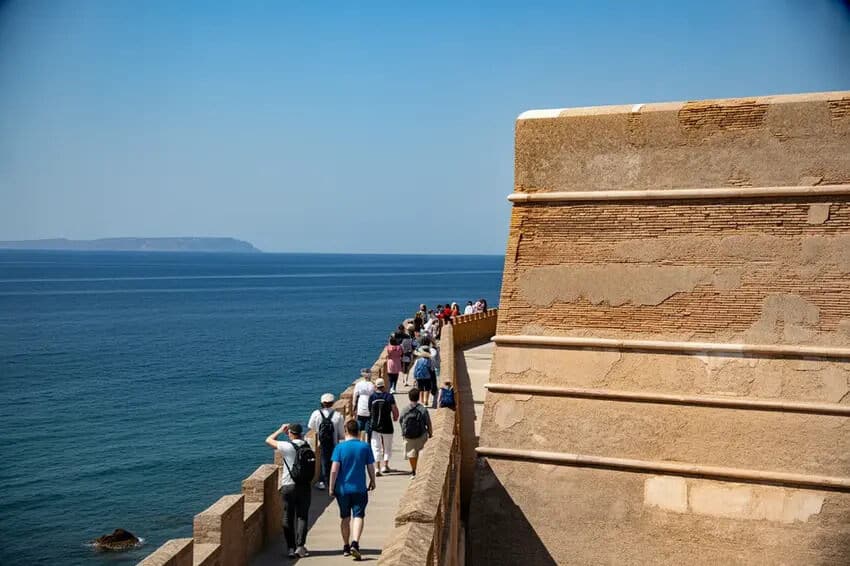
UAE Teams Up With Saudi Arabia, Egypt, Qatar, Morocco and More in a Powerful Regional Tourism Push Driving Syria’s 2026 Summer Season Launch, Accelerating Tartus Coastal Revival, Upgraded Arwad Island Connectivity, and a New Wave of Post-Conflict Travel Recovery Across the Middle East as the Country Reopens Key Mediterranean Destinations and Expands Regional Visitor Flows from Across the MENA Region.
Syria has officially launched its 2026 summer tourism season in a major coastal ceremony held in Tartus. The initiative is positioned as part of a broader national effort to revive tourism activity and rebuild visitor confidence across the country. It is also aligned with a wider regional push involving key Middle Eastern and North African tourism markets, including the UAE, Saudi Arabia, Egypt, Qatar and Morocco.
Advertisement
Advertisement
The launch has been framed as a strategic step toward economic recovery through tourism expansion. Authorities have focused on stimulating domestic travel, encouraging regional arrivals, and strengthening hospitality services. Coastal and heritage destinations have been placed at the centre of this renewed tourism drive, especially along the Mediterranean coastline.
The programme highlights infrastructure rehabilitation, upgraded transport access, and enhanced visitor services. It also reflects a structured attempt to reposition the country as a competitive Mediterranean destination with historical, cultural, and natural appeal. The tourism season is scheduled to continue until the end of September 2026.
Advertisement
Advertisement
Tartus Becomes the Centrepiece of Syria’s 2026 Summer Tourism Season Launch
The 2026 summer tourism season has been officially inaugurated in the coastal governorate of Tartus, a key Mediterranean destination with strong historical and cultural significance. The launch event marked the beginning of a nationwide tourism programme designed to expand travel activity across multiple regions.
Tartus has been selected due to its strategic coastal location and established identity as one of the country’s primary tourism gateways. The event highlighted efforts to reposition the region as a revived tourism hub capable of attracting both domestic and regional visitors.
Advertisement
Advertisement
The opening ceremony placed strong emphasis on tourism as a core pillar of economic recovery. The sector is being developed not only as a travel industry component but also as a wider economic driver supporting transport systems, hospitality networks, and small and medium enterprises.
The launch also signalled an intention to rebuild trust in travel infrastructure and improve the overall visitor experience. Tourism authorities have been working to expand accessibility to coastal and inland destinations, ensuring that key attractions are integrated into a unified seasonal programme.
Through this launch, Tartus has been placed at the heart of Syria’s tourism revival strategy. The Mediterranean setting, combined with cultural heritage assets, is being promoted as a foundation for rebuilding tourism flows and strengthening regional engagement.
Infrastructure Upgrades Strengthen Access to Arwad Island and Coastal Tourism Routes
A major focus of the 2026 tourism season is the enhancement of transport and visitor infrastructure. Upgrades have been carried out to improve accessibility along coastal tourism corridors, with particular attention given to maritime connectivity.
One of the key developments includes the rehabilitation of port facilities linking the mainland to Arwad Island. The upgraded Al-Tahouna Port has been positioned as a critical infrastructure improvement designed to support safer and more efficient passenger movement. It is expected to enhance access to one of the country’s most significant island destinations.
Arwad Island, located off the Tartus coast, has been highlighted for its historical importance and cultural heritage value. Improved transport links are intended to support increased visitor flow while also strengthening local tourism services and supporting small-scale businesses operating in the area.
Advertisement
Advertisement
The infrastructure upgrades are part of a broader national effort to modernise tourism-related transport systems. These improvements are aimed at ensuring smoother travel experiences, reducing logistical barriers, and expanding the capacity for both domestic and regional tourism.
Authorities have also focused on upgrading visitor facilities, improving signage, and enhancing safety measures across key tourism routes. The objective is to create a more structured and reliable tourism environment capable of supporting seasonal demand.
Through these developments, coastal tourism zones are being repositioned as accessible and attractive destinations within the broader Mediterranean travel landscape.
Security and Emergency Preparedness Highlight Visitor Safety Framework
The opening event of the 2026 summer tourism season included coordinated demonstrations by tourism police, civil defence teams, and emergency response units. These presentations were designed to showcase operational readiness across key safety and support services.
Security preparedness has been positioned as a central element of the tourism revival strategy. Authorities have emphasised that visitor confidence is closely linked to visible safety systems and effective emergency response capabilities.
Tourism police units demonstrated crowd management and visitor assistance procedures, reflecting a structured approach to maintaining order in high-traffic tourism zones. Civil defence teams highlighted emergency preparedness protocols, including response coordination for potential incidents.
Advertisement
Advertisement
The involvement of emergency services also reinforced the importance of integrated safety planning across tourism destinations. This approach is intended to ensure that both residents and visitors benefit from coordinated protection systems during peak travel periods.
The Syrian Arab Red Crescent also participated in the demonstrations, underlining the role of humanitarian and medical response support in tourism environments. Their presence reflected a broader commitment to health and safety standards within the tourism sector.
Together, these elements form part of a wider framework designed to rebuild confidence in travel conditions. The emphasis on preparedness is intended to support increased visitor numbers and reinforce the stability of tourism operations during the 2026 season.
Regional MENA Tourism Strategy Targets UAE, Saudi Arabia, Egypt, Qatar and Morocco
Syria’s 2026 tourism season is closely linked to a wider regional strategy aimed at attracting visitors from across the Middle East and North Africa. Key source markets include the UAE, Saudi Arabia, Egypt, Qatar, Morocco, and other neighbouring countries within the MENA region.
This regional focus reflects an effort to rebuild inbound tourism flows through geographic proximity and cultural connectivity. Authorities are prioritising nearby markets that offer strong travel potential and established tourism exchange patterns.
The strategy positions Syria as part of a broader Mediterranean and Arab tourism circuit. Destinations are being promoted as offering a diverse mix of landscapes, including coastal zones, fertile valleys, mountain regions, desert environments, and archaeological sites.
Advertisement
Advertisement
Tourism authorities have also highlighted the role of regional cooperation in supporting travel recovery. Increased connectivity and cross-border tourism activity are expected to play a significant role in rebuilding visitor numbers during the summer season.
The approach is designed to strengthen economic activity across multiple sectors, including hospitality, transport, retail, and local services. Tourism is being presented as a multiplier sector capable of generating employment and supporting community-level development.
By targeting key regional markets, the tourism programme aims to accelerate recovery while repositioning the country within the wider MENA travel landscape.
TTW Founder and Editor-in-Chief, Mr. Anup Kumar Keshan shares: “UAE Teams Up With Saudi Arabia, Egypt, Qatar, Morocco and more in a dramatic regional tourism shift that reflects growing cooperation across the MENA region. As Syria launches its 2026 summer tourism season, this alignment is helping unlock Tartus’ coastal revival, improve access to Arwad Island, and accelerate a broader post-conflict tourism recovery driven by renewed regional travel confidence and connectivity.”
Summer Tourism Season Programme Extends Until September With Nationwide Events
The 2026 summer tourism season will run until the end of September, featuring a structured programme of events, festivals, and destination-based activities across multiple governorates.
These events are designed to increase visitor engagement and encourage travel between different regions. Coastal areas, cultural heritage sites, and inland destinations are all included in the seasonal calendar.
Advertisement
Advertisement
The programme is expected to support both domestic tourism and regional arrivals, contributing to increased occupancy in hospitality establishments and higher activity in local tourism economies.
Cultural festivals and seasonal events will play a central role in attracting visitors. These activities are intended to showcase local traditions, historical identity, and natural landscapes across the country.
Authorities have positioned the seasonal programme as a key driver of tourism revival. By extending activities over several months, the strategy aims to distribute visitor flows more evenly and reduce seasonal pressure on key destinations.
The overall objective is to strengthen Syria’s position as a Mediterranean tourism destination with diverse offerings and improved accessibility. The extended season is also expected to support long-term recovery efforts by building sustained interest in travel and tourism development.
UAE Teams Up With Saudi Arabia, Egypt, Qatar, Morocco and More in a Regional Tourism Push because Syria has launched its 2026 summer season to revive travel, boost its Mediterranean coastal destinations like Tartus and Arwad Island, and attract stronger visitor flows from across the MENA region for economic recovery and tourism rebuilding.
Through this structured seasonal approach, the 2026 tourism programme is being positioned as a foundational step in rebuilding the country’s tourism sector and expanding its role within the regional travel economy.
Advertisement
