
Munich Concludes Record Oktoberfest 2026 with Historic Focus on Sustainable Tourism

Updated
Published
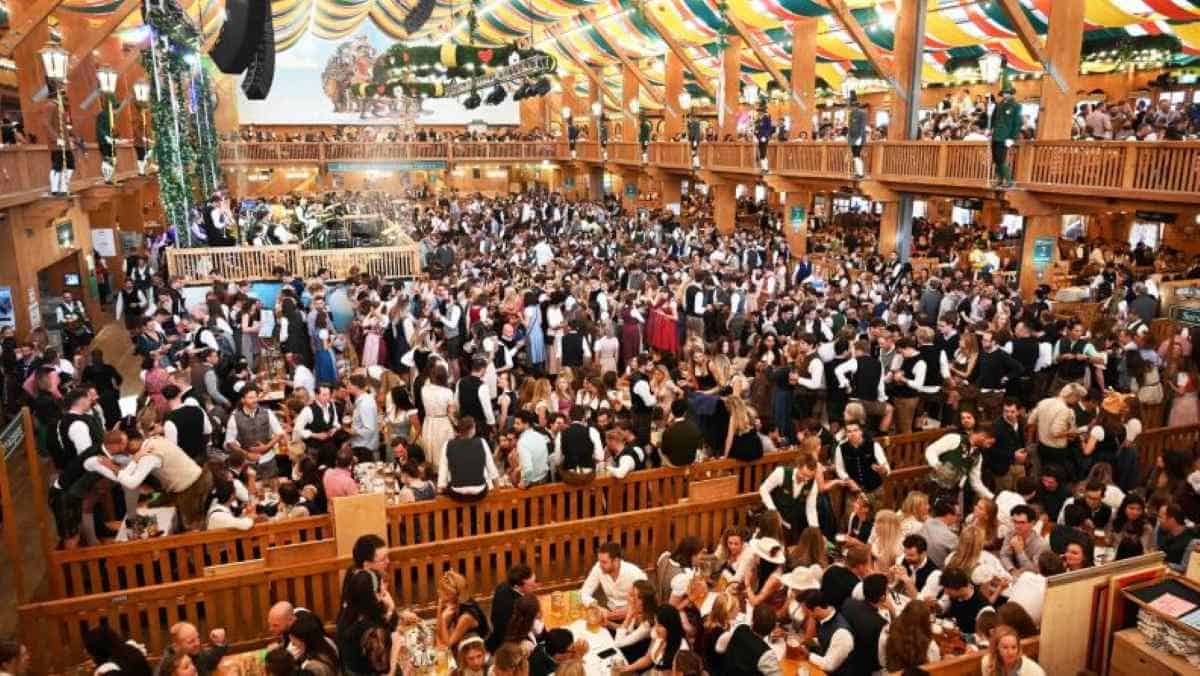
Oktoberfest 2026 in Munich, Germany, has come to an end after approximately two weeks of celebration through drinking, eating, having fun, and experiencing international tourism at Theresienwiese. Oktoberfest 2026 began on the 19th of September and ended on the 4th of October, with tourists flocking into the Bavarian capital city to participate in one of the most renowned traditional festivals in the world. Oktoberfest 2026 also involved issues related to environmental management, regional food, and handling a lot of tourists in a very concentrated festival site. But there are certain things in the above-mentioned report which need to be corrected. There is no officially confirmed information about whether Oktoberfest 2026 had 100% organic regional products, whether all tent electricity used was purely regional wind and solar, or if Oktoberfest 2026 had exactly 6.2 million participants. The facts in the given case scenario are totally different. In Munich, attempts have been made for many years to achieve sustainability in Oktoberfest and use renewable energy, waste separation and reuse systems, and regional products in it.
Oktoberfest 2026 Ends in Munich
Oktoberfest returned to Theresienwiese for its 191st edition in 2026.
Advertisement
Advertisement
The festival traditionally attracts millions of visitors from Germany and overseas, making it one of the most important annual events for Munich’s tourism economy.
Beer tents, amusement rides, traditional Bavarian food and live music remain the central attractions. Visitors also travel to Munich for the wider experience, including the city’s historic centre, museums, shopping districts and nearby Bavarian destinations.
Advertisement
Advertisement
The festival’s international reach means accommodation demand rises sharply during the event. Hotels, restaurants, transport providers and tour operators across Munich benefit from the increased visitor flow.
For international travellers, the festival also acts as a gateway to Bavaria, with destinations such as Neuschwanstein, Salzburg and the Bavarian Alps accessible through wider regional travel networks.
Advertisement
Advertisement
Sustainability Is Part of Oktoberfest Planning
Munich has been working on environmental measures at Oktoberfest for decades.
The festival uses systems for waste separation, recycling and resource management. Organisers also promote reusable service systems and environmentally conscious operations among participating businesses.
Advertisement
Advertisement
Electricity supply is another part of the city’s sustainability planning.
However, describing the entire festival as operating on 100% regional wind and solar energy would go beyond the verified evidence available. Munich’s wider electricity system includes renewable generation, but the supplied claim that every Oktoberfest tent was powered exclusively by regional wind and solar grids has not been confirmed through an official 2026 festival audit.
Similarly, there is no reliable confirmation that 85% of meat and grain products served at the festival were certified as coming from regenerative Bavarian agriculture.
Regional sourcing is present across Bavarian gastronomy, but “regenerative agriculture” is a specific production claim that requires evidence from suppliers or organisers.
Advertisement
Advertisement
Traditional Bavarian Food Remains Central
Food is an important part of the Oktoberfest experience.
Visitors can find traditional dishes including roast chicken, sausages, pretzels, pork dishes and vegetarian options across the festival grounds.
The beer served in the main tents is traditionally supplied by Munich breweries that meet the requirements of the Munich Beer Purity Law.
Regional food sourcing is also important because Oktoberfest is closely tied to Bavarian culinary identity.
For travellers, eating at the festival can be as significant as visiting the beer tents. Reservations are commonly used for large groups, although visitors can also enter tents without reservations when capacity allows.
The festival’s food culture provides an additional reason for international visitors to explore Bavarian cuisine beyond the event itself.
Advertisement
Advertisement
Waste Management Remains a Major Challenge
A festival attracting millions of people naturally produces substantial amounts of waste.
Oktoberfest has therefore developed waste separation and recycling systems alongside reusable containers and other measures designed to reduce disposable materials.
The city also manages cleaning and waste collection across Theresienwiese throughout the festival.
These systems are important because the environmental impact of a major event is not limited to electricity consumption. Transport, food production, packaging, water use and waste collection all contribute to the festival’s overall footprint.
Claims that Oktoberfest 2026 achieved its lowest-ever per-capita waste footprint should therefore be treated cautiously unless supported by a published municipal assessment.
Munich Tourism Extends Beyond the Festival
Oktoberfest visitors frequently combine the festival with sightseeing across Munich.
Advertisement
Advertisement
The Marienplatz, Frauenkirche, English Garden, Residenz and Deutsches Museum are among the city’s major attractions.
Munich Hauptbahnhof provides connections to other German cities, while Munich Airport serves international visitors arriving from overseas.
Travellers can also use Munich as a base for exploring Bavaria. Neuschwanstein Castle, Garmisch-Partenkirchen and the Bavarian lakes are among the destinations accessible through road and rail connections.
This broader tourism effect is significant because Oktoberfest is not simply a two-week festival. It can form the centrepiece of a longer German holiday.
International Visitors Continue to Shape Oktoberfest
Oktoberfest has become increasingly international, with visitors arriving from across Europe, North America, Asia and other global markets.
International tourism has helped turn Munich’s traditional local festival into a major global travel event while maintaining its Bavarian identity.
Advertisement
Advertisement
Visitors often plan months ahead because hotel demand and transport pressure increase during the festival period.
The event also creates opportunities for local businesses, from accommodation providers and restaurants to tour operators, retailers and cultural attractions.
For first-time visitors, understanding the festival’s scale is essential. Theresienwiese can become extremely crowded, particularly during weekends and public holidays.
Oktoberfest’s Sustainability Story Needs Accurate Numbers
There have been environmental issues in relation to Oktoberfest, but the best story to tell may not be the one with the biggest headlines. Sustainability practices related to waste, energy, water, transportation, and resource management have been put into practice in Munich. Such measures have formed part of a wider approach to making Oktoberfest, one of Europe’s largest festivals, more environmentally friendly. It has been found that the claims about 100% tent electricity from renewables, 85% regenerative farming, and 6.2 million visitors in 2026 do not stand up to any known facts. The only thing that can be said with certainty is that Oktoberfest combines traditions of Bavarian culture and increasing environmental management. Oktoberfest 2026 has returned Munich to the centre of Germany’s tourism calendar.
Advertisement
