
Nepal’s Himlung Himal Tourism Faces Major Crisis As Avalanche Strikes Base Camp Leaving 10 Climbers Missing Amid Extreme Weather

Published
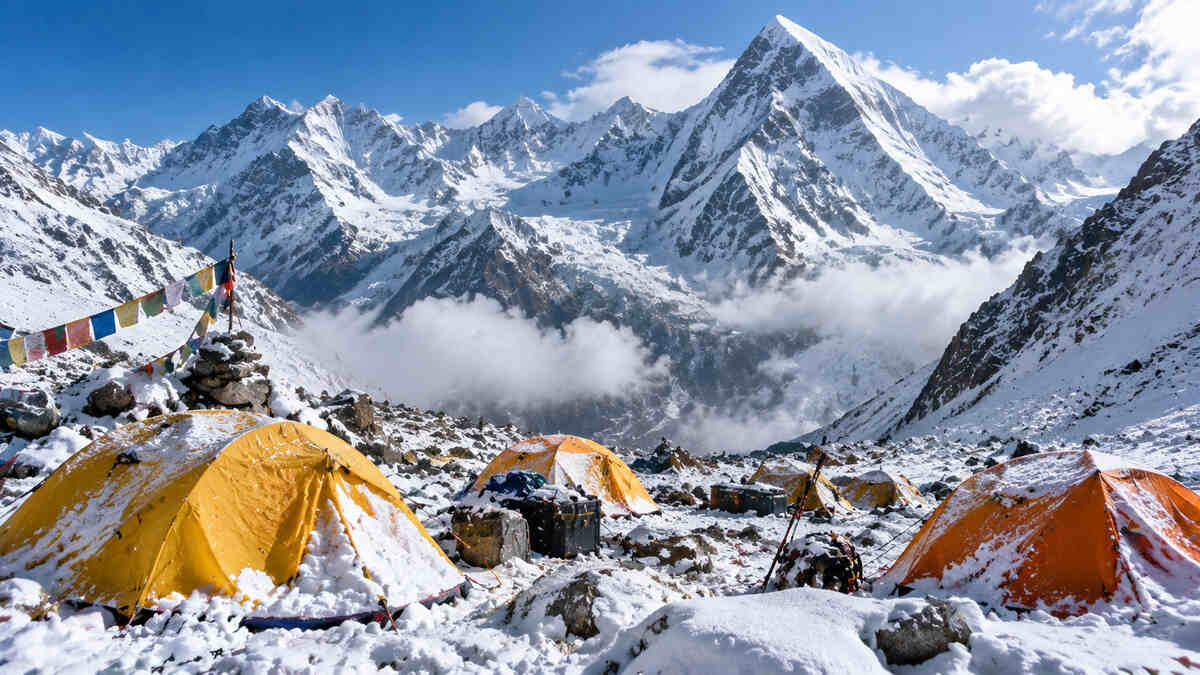
Image generated with Ai
On Sunday, September 27th, 2026, approximately 10 climbers and support personnel at the Himlung Himal base camp in Nepal’s Manang district are reported missing following an avalanche brought on by days of heavy snow in the region. The avalanche is reported to have hit the 23,383-foot Himlung Himal, and affected camp facilities and tents of climbing expeditions. Rescue and recovery efforts are currently underway. The recent events have affected Nepal’s high altitude mountain tourism.
Himlung Himal is located in the Nar Phu region of Manang and is considered one of the better high altitude climbing destinations in Nepal. International climbing expeditions are common during the autumn months in Nepal, and recent developments have shown the dilemmas and challenges faced by climbing expedition support personnel.
Poor and unstable weather conditions had already affected climbing and mountaineering activities in the region. Continuous snow had already led several climbing and mountaineering teams to abandon their expeditions. Other teams had to retreat from high camps and camp one due to inclement and unstable conditions. Personnel left at base camps were generally support and logistics personnel. The avalanche affected base camp and support personnel left at the camp.
Himlung Himal Avalanche Buries Base Camp As Climbers And Support Staff Remain Missing
The disaster unfolded at the base camp of Himlung Himal, a remote mountain situated at an elevation of 7,126 metres in Nepal’s Manang district. The peak lies close to the Tibet border and is considered a technically challenging but popular climbing route for experienced mountaineers.
Advertisement
Advertisement
The massive snowslide moved directly into the base camp area, affecting tents, equipment storage areas and temporary expedition facilities. The sudden avalanche left multiple people unaccounted for and created an urgent need for search operations in one of Nepal’s most difficult mountain environments. According to expedition operators, at least 10 people remain missing following the incident. The missing individuals include climbers and support workers connected with different expedition companies.
| Expedition Group | Number Missing | Details |
|---|---|---|
| Himalayan Holidays Nepal | 8 people | Climbers and expedition support personnel |
| Imagine Nepal Treks | 2 people | Kitchen staff members linked with the expedition operation |
The incident was confirmed by expedition representatives, including Mingma Gyalje Sherpa, who reported that two members of his kitchen staff were among those missing. The Expedition Operators Association Nepal also confirmed details of the missing personnel.
Advertisement
Advertisement
Nepal Rescue Mission Faces Dangerous Weather And Restricted Mountain Access
The search and rescue operation at Himlung Himal faces major logistical challenges because of the mountain’s remote location and harsh weather conditions. The affected base camp is located in a restricted mountain area where helicopter operations require additional permissions and coordination. This has created delays in deploying aerial rescue support. The difficult terrain also makes ground access extremely challenging for rescue teams.
Key rescue challenges include:
- Heavy snowfall continuing across high-altitude areas
- Poor visibility caused by cloud cover and storms
- Unstable avalanche conditions around the base camp
- Limited helicopter access due to permit requirements
- Remote mountain terrain slowing ground movement
Eight elite mountain guides certified by the International Federation of Mountain Guides Associations (IFMGA) are being prepared to support ground search operations. Their experience in technical mountain rescue will be important as teams attempt to reach affected sections of the base camp.
Nepal’s Department of Tourism is coordinating information collection and supporting efforts to organise rescue operations. Officials are monitoring developments while working with expedition operators and relevant agencies. The rescue operation remains highly dependent on weather improvement because entering an unstable avalanche zone could create additional risks for rescue personnel.
Extreme Weather System Over Bay Of Bengal Triggers Himalayan Snowfall Emergency
The Himlung Himal avalanche occurred during a period of widespread extreme weather across Nepal caused by a strong low-pressure system developing over the Bay of Bengal. The weather system brought intense rainfall to Nepal’s valleys and plains while producing heavy and continuous snowfall in high Himalayan areas. The combination of saturated lower regions and unstable snow conditions increased risks of landslides, floods and avalanches.
The weather disruption affected several parts of Nepal, creating challenges for both domestic travel and adventure tourism operations. Before the avalanche, weather warnings had already been issued for mountain regions. Several climbing teams and rope-fixing groups responded by moving down from higher sections of the mountain. However, some individuals remained at the base camp to manage equipment and support expedition activities. The avalanche later struck the camp, leaving those remaining behind missing. The incident demonstrates the importance of rapid response to mountain weather warnings, especially during Nepal’s major climbing seasons.
Advertisement
Advertisement
Nepal’s Mountain Tourism Sector Faces Wider Expedition Disruptions
The Himlung Himal disaster has created additional pressure on Nepal’s adventure tourism industry, which relies heavily on Himalayan trekking and climbing activities. The country welcomes thousands of international mountaineers every year who travel to experience its world-famous peaks. Mountain tourism supports local economies by creating employment for guides, porters, accommodation providers, transport operators and remote communities.
However, extreme weather events are increasingly affecting expedition schedules and safety planning. Several other major Himalayan climbing areas have also experienced disruption during the same period. Expeditions on peaks including Manaslu and Dhaulagiri have been suspended, cancelled or forced to retreat because of rising avalanche risks and unstable weather conditions.
The latest incident follows other recent Himalayan emergencies, including avalanche and flood-related disasters that have affected mountain regions in South Asia. These events have increased attention on emergency preparedness, weather monitoring and high-altitude safety systems.
Safety Concerns Grow As Nepal Reviews High Altitude Expedition Risks
The Himlung Himal avalanche has renewed discussions around safety measures for Nepal’s climbing industry. High-altitude expeditions require detailed planning, including accurate weather forecasting, emergency communication systems, evacuation procedures and trained rescue personnel. Mountain conditions can change rapidly, especially when strong weather systems bring prolonged snowfall and unstable snow layers. Even experienced climbers and guides face significant risks when operating in extreme Himalayan environments.
For Nepal’s tourism industry, maintaining confidence among international travellers depends on effective safety coordination between government authorities, expedition companies and mountain professionals. The Himlung Himal incident also highlights the critical role of local support staff, including guides, kitchen teams and logistics workers who enable climbing expeditions to operate in remote areas.
Search Continues At Himlung Himal As Nepal Monitors Impact On Adventure Travel
Meanwhile, as the rescue teams proceed with their efforts, other authorities and tour organizers are working to locate the missing climbers and staff. The environment in which the rescue efforts are being undertaken presents many challenges. Balancing the risks to the members of the search and rescue teams is a constant challenge.
The recent avalanches in the Himlung Himal region have compounded challenges already being faced by the mountain tourism sector in Nepal and disrupted expeditions during the off season. Many in the mountaineering and adventure travel industries are following the ongoing rescue operation. There have been recent reminders about the uncertainties associated with Himalayan climbing. These include the acclimatization and conditions that climbers face once they go above a particular altitude. Safety and speed of response to emergencies are critical in the tourism industry of high altitude regions of Nepal.
Advertisement
