
India on Track to Become a Global Medical and Wellness Tourism Powerhouse with Projected $58.2 Billion Market Value by 2035, Backed by Digital Health IDs and Specialized Visas

Published
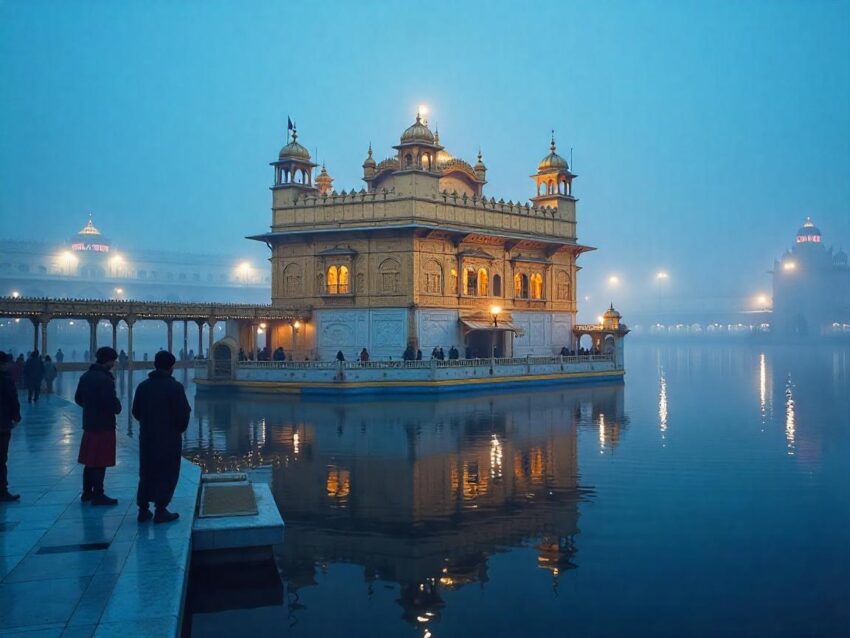 Image generated with Ai
India’s medical tourism will soon witness a revolution: with a forecasted annual growth rate of 12.3% pushing the market to an estimated value of US$ 58.2 billion by 2035. This is a significant growth from 18.2 billion 2025 and is mainly driven by government policy changes, high quality investment, the implementation of policies such as the Digital Health IDs and a second Greenshoots initiative that includes visas such as the AYUSH visa as unveiled recently. This has put India on the charts as one of the most sought-after destinations for international patients seeking quality medical and wellness care, especially in services such as cardiac, cosmetics, Ayurveda and organ transplants. This is making India a global hub for medical tourism and millions of patients from various countries including the GCC countries, Africa and South-East Asia are flying to the country for treatment.
India’s medical tourism sector is poised for significant growth, with projections indicating a 12.3% compound annual growth rate (CAGR) over the next decade. By 2035, the market is expected to reach a value of \$58.2 billion, up from \$18.2 billion in 2025. This growth trajectory is highlighted in a report by the Federation of Hotel and Restaurant Associations of India (FHRAI) in collaboration with KPMG. The sector’s resilience post-COVID-19 demonstrates the country’s strong position in the global medical tourism market.
The resurgence of India’s medical tourism industry is driven by several key factors. Policy reforms, investments in healthcare infrastructure, and the introduction of digital tools like Digital Health IDs and the Ayushman Bharat scheme have played crucial roles. Additionally, new visa categories such as the AYUSH visa have facilitated the influx of international patients seeking specialized treatment. According to the report, titled “Heal in India: Catalysing Medical and Wellness Tourism for a Healthier Global Future,” India is now well-positioned to serve as a leader in global medical tourism.
Advertisement
Advertisement
States like Kerala, Maharashtra, and Delhi have emerged as key players in attracting medical and wellness tourism traffic. Kerala, with its rich cultural heritage and highly developed healthcare infrastructure, is particularly known for wellness-focused medical tourism, especially Ayurvedic treatments. Its skilled workforce and strong healthcare system make it a go-to destination for patients seeking alternative therapies like panchakarma. Maharashtra, on the other hand, has made strides in creating a robust medical and wellness ecosystem, supported by multi-specialty hospital chains and integrated wellness services. Delhi, along with the surrounding National Capital Region (NCR), has become a hub for high-end medical care, with specialized expertise in complex procedures such as organ transplants.
India’s appeal as a medical tourism destination extends across multiple specialties. The country attracts nearly two million patients annually from 78 countries, with high demand for treatments such as cardiac surgery, cosmetic surgery, ophthalmology, fertility treatments (IVF), dental care, and oncology. Other popular treatments include orthopedic surgeries, including knee and hip replacements, as well as minimally invasive surgeries. A large portion of India’s medical tourism clientele comes from neighboring countries like Bangladesh, the Gulf Cooperation Council (GCC) nations, and Africa, underscoring India’s global reach.
Advertisement
Advertisement
Despite the promising growth, challenges remain. One of the main hurdles facing the sector is the inadequate healthcare infrastructure outside India’s major cities. While metro cities have seen substantial growth in medical tourism, Tier-II and Tier-III cities still face significant pressure in managing the increasing healthcare demand. These regions, which are expected to see a population growth of over 40 million by FY27, continue to lack scalable infrastructure, advanced medical equipment, and skilled healthcare professionals. Moreover, the transport systems in these areas remain underdeveloped, making it difficult for patients to access quality medical services. Although investment opportunities worth \$32 billion are available, much of this potential remains untapped.
India ranks 10th globally in the Medical Tourism Index and 7th in wellness tourism. However, despite its strong position, India’s market share in both medical and wellness tourism is still relatively low compared to other global players. For instance, the global medical tourism market was valued at \$41.75 billion in 2024, while wellness tourism is expected to reach \$954.14 billion. Both sectors are projected to see substantial growth, with the global medical tourism market expected to double by 2030 and the wellness tourism sector by 2034. As India starts from a lower base, its growth in both segments is expected to be much more pronounced.
To harness the full potential of the medical and wellness tourism markets, the report recommends the transformation of the existing National Medical and Wellness Tourism Promotion Board into a national mission. This revamped board would coordinate strategic policy execution and inter-ministerial cooperation, ensuring that the growth of medical tourism aligns with the country’s broader economic and healthcare goals. A concerted effort by the Ministries of Health and Family Welfare, AYUSH, External Affairs, and state governments would be necessary to create a sustainable, transparent, and regionally tailored framework.
The report suggests focusing on states like Kerala, Maharashtra, and Delhi to implement these policies in the short term, ensuring that medical tourism in these areas expands in a way that supports both local healthcare systems and global patients. This would not only enhance India’s position in the global medical tourism market but also contribute significantly to its economic growth.
India’s medical tourism market is expected to grow at 12.3% CAGR to clock $58.2 billion by 2035. This boom is also fuelled by government reforms, infrastructure upgrades, and programmes such as Digital Health IDs and medical visas that have established India as a leading global spot for medical and wellness treatments.
In summary, India’s medical tourism industry is set to experience further growth — fuelled by policy measures, infrastructural investments, and India’s global standing as provider of quality healthcare. If we get that, we will be the global leader in this space – helping shape what healthcare tourism will look like internationally.
Advertisement
