
Pennsylvania Moves With Florida And More Places In Winning More US Traveler Spending Through Loyalty Rewards And Tourism Events

Published
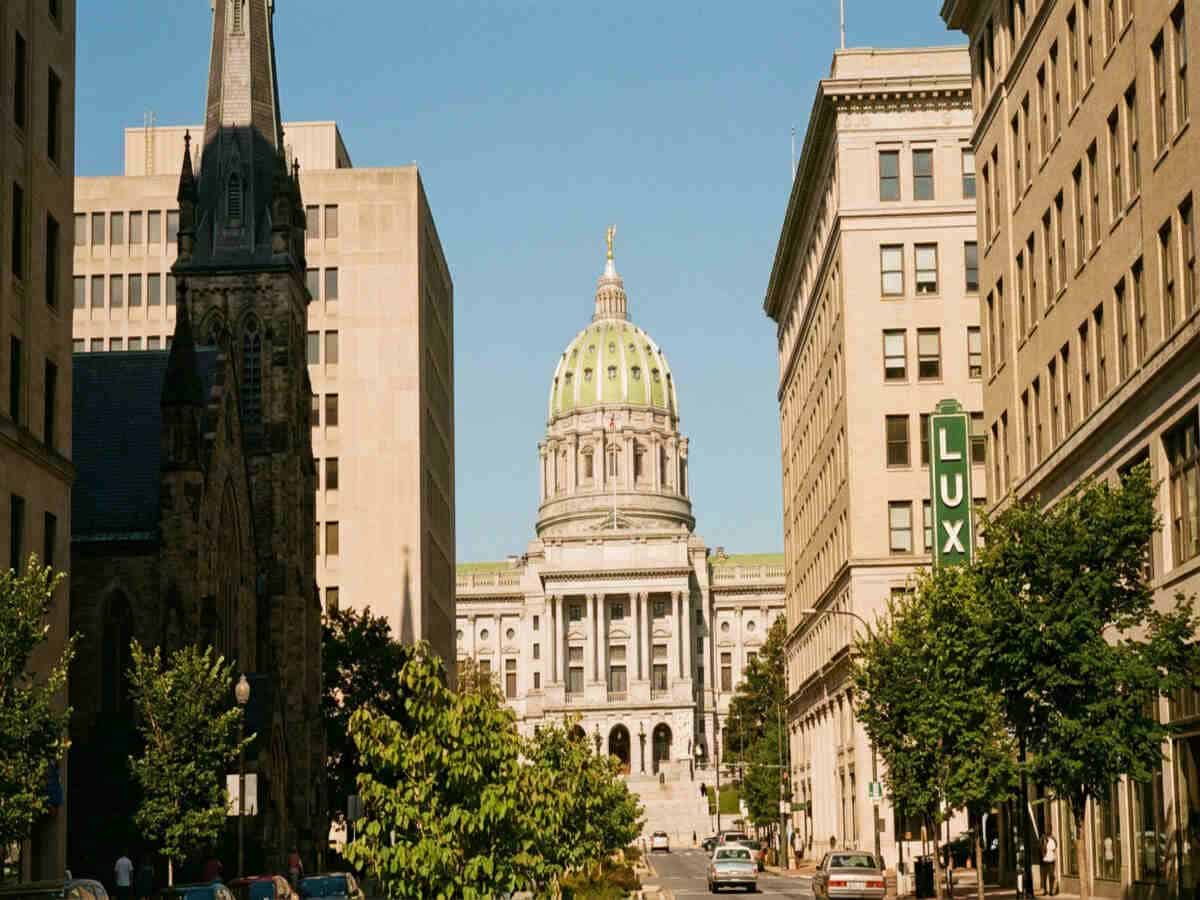
Image generated with Ai
Traveler spending in America has been driven in the past couple of years by rewards, events, and longer stays in states like Pennsylvania and Florida. It looks like traveler spending will become one of the biggest forces influencing the economy of the American tourism sector in 2026. States like Pennsylvania, Florida, New York, California, Texas, and national parks have all contributed to this growth, but in their own unique ways using different tourism products, major events, premiums, and incentives. Generally, there is an indication that destinations are no longer concerned about bringing in more travelers alone; they want to convince them to stay longer and spend more money while at it.
US travel spending is forecast to reach around $1.374 trillion in 2026, while domestic travel alone is projected at nearly $1.195 trillion. Domestic leisure spending is expected to approach $909 billion, showing how important American travelers themselves have become to the sector. Loyalty rewards, milestone trips, off-peak travel, major sports events, cultural programmes and flexible payment options are all helping to keep spending strong. These forces are giving Pennsylvania, Florida and other destinations new ways to increase the value of every visitor.
Advertisement
Advertisement
Pennsylvania Is Turning Events Heritage And City Breaks Into Bigger Visitor Spending
Pennsylvania is emerging as one of the clearest examples of how a destination can use an event-rich calendar to generate more tourism revenue. Philadelphia sits at the centre of this strategy because the city has combined World Cup activity, America250 celebrations, major sporting events and cultural tourism into one strong visitor proposition. This mix gives travelers more reasons to stay beyond a single event and encourages them to spend money across accommodation, restaurants, museums, transport, historic attractions, shopping and entertainment during the same trip.
Philadelphia recorded around 500,000 World Cup visitors, while international visitation was projected to increase by around 4.5% during 2026. The hotel sector was also expected to benefit, with Center City occupancy projected to rise by about 2.8%, hotel revenue by around 6.3% and average daily room rates by approximately 5.3%. These figures show that Pennsylvania is not simply attracting more people. It is also increasing the value of each stay by giving visitors several tourism experiences to combine within one itinerary.
Advertisement
Advertisement
America250 adds another important layer to that strategy. Philadelphia can connect visitors with heritage sites, museums, historic districts, food experiences and commemorative events, making it easier to extend a short trip into a multi-day city break. This creates stronger spending across the local economy because travelers are more likely to book extra hotel nights, eat in more restaurants and visit more attractions before leaving the city.
Florida Is Using International Demand To Keep Visitor Spending Strong
Florida is taking a different route to stronger traveler spending by relying on international demand, beach tourism, cruises, luxury experiences and major events. Miami is especially important because it combines premium hotels, nightlife, shopping, beaches, fine dining and one of the strongest international air networks in the country. This allows one visitor to spend heavily across several tourism categories during the same trip, creating a broader economic impact than a simple hotel stay alone.
Advertisement
Advertisement
Several international markets increased their spending in Greater Miami during 2026. Brazilian visitor expenditure reached around $53.1 million, up about 30%, while Argentina generated roughly $52 million, rising around 38%. Peru contributed approximately $33.5 million, up around 28%, while the United Kingdom generated about $21.1 million, increasing roughly 14%. Colombia also contributed around $19.5 million, showing that Miami continues to attract high-value overseas visitors from multiple regions.
Florida’s tourism model works because travelers can combine several experiences in one journey. A visitor may book a resort, spend on beach activities, dine at premium restaurants, shop in luxury retail areas, join a cruise and attend major events before flying home. That means visitor money moves through several sectors at once. World Cup activity in South Florida added another strong demand driver in 2026, helping to raise spending on accommodation, transport, dining and entertainment.
New York Is Turning Global Events Into Billion Dollar Tourism Growth
New York remains one of the strongest traveler spending engines in the United States because of the scale and diversity of its tourism economy. The city demonstrated this again during World Cup activity, when direct visitor spending reached around $1.2 billion. The wider economic impact in New York City was estimated at roughly $2 billion, while the broader New York-New Jersey region generated around $3.5 billion in total economic activity linked to the event.
The World Cup also produced spending gains inside individual boroughs. International card spending increased by around 12% in Manhattan, about 19% in Brooklyn and roughly 6% in Queens. These figures matter because they show that event tourism does not only benefit stadium areas. It spreads across restaurants, shopping districts, transport services, nightlife, hotels and local attractions throughout the wider city.
New York entered 2026 from an already powerful position. The city had welcomed around 65 million visitors in 2025, generating approximately $55.6 billion in direct visitor spending and around $84.7 billion in wider tourism-related economic impact. This strong base allows New York to turn major events into even bigger economic gains because travelers already have a huge range of attractions, shopping, entertainment and dining options available once they arrive.
California Is Capturing More Value Through Premium Travel And Entertainment
California continues to play a major role in the US traveler spending story, with Los Angeles standing out as one of the most valuable tourism markets. Visitors generated around $42.6 billion in business sales across Los Angeles County in 2025, equal to approximately $118 million in economic activity every day. That spending base carried into 2026, supported by international arrivals, entertainment tourism, premium hotels and major sporting events.
Advertisement
Advertisement
Los Angeles has a particular advantage because travelers can spend across several high-value categories during a single trip. Theme parks, luxury hotels, studio experiences, beaches, restaurants, shopping districts, live entertainment and sports all contribute to the city’s visitor economy. This means Los Angeles does not rely on one type of traveler or one tourism product. Families, international visitors, luxury tourists and event travelers all contribute to the wider spending mix.
World Cup activity gave Los Angeles another reason to attract high-spending visitors in 2026. The city could combine event tourism with its established entertainment appeal, encouraging travelers to stay longer and add more attractions or premium experiences around the main event. That raises average trip value and strengthens the economic return from each visitor.
Texas Is Turning Sports Tourism Into Wider Economic Spending
Texas is another destination using major sports events to lift traveler spending, with Dallas emerging as one of the strongest examples. The region hosted nine World Cup matches, more than any other individual US host market, giving it a major opportunity to convert sporting demand into hotel, restaurant, transport and retail spending.
Dallas already had a large tourism economy before the tournament. The city had welcomed more than 27.7 million visitors, generating around $10.9 billion in economic impact. Visitor spending included approximately $1.9 billion on lodging, $1.8 billion on food and beverages, $1.4 billion on retail, around $900 million on transport and another $900 million on recreation and entertainment.
Sports tourism adds value because fans rarely spend only on the event ticket. They usually need accommodation, meals, local transport and often entertainment before or after the match. Many also extend their stay or visit nearby attractions. That makes Dallas a strong example of how sports events can raise both visitor numbers and average spending per traveler.
Yellowstone Is Converting Outdoor Travel Into Regional Economic Value
Yellowstone shows that the biggest US traveler spending gains are not limited to large cities. The park recorded around 3.49 million visits through August 2026 and also reported its busiest May on record, with more than 570,000 recreation visits. This level of demand creates a large economic impact in the surrounding region.
Advertisement
Advertisement
Yellowstone tourism is estimated to generate around $600 million to $800 million in economic benefits every year for nearby communities across Wyoming, Montana and Idaho. Visitors spend on hotels, fuel, restaurants, guided tours, outdoor activities, souvenirs, local retail and transport before and after entering the park.
The key advantage of national park tourism is that the journey often extends beyond the park itself. Travelers may stay in gateway towns, rent vehicles, dine locally and book tours in surrounding areas. This means one visit can generate spending across several communities, making Yellowstone a major regional tourism engine.
Grand Canyon Zion And Great Smoky Mountains Keep Domestic Spending Moving
The wider national park system is another major contributor to US domestic traveler spending. Great Smoky Mountains attracted more than 11.5 million visitors, while Zion welcomed nearly 5 million. Yellowstone recorded around 4.76 million, Grand Canyon received more than 4.4 million, and both Yosemite and Rocky Mountain attracted more than 4 million visitors.
These visitor numbers are especially important for nearby gateway communities. Places such as Gatlinburg, Pigeon Forge, Springdale, Tusayan, Flagstaff, Jackson and West Yellowstone benefit from accommodation, food, fuel, outdoor equipment, local attractions and tour spending generated by park visitors.
The national park system has produced more than $56 billion in wider economic benefit through visitor spending, showing how important outdoor tourism is to the broader travel economy. Domestic road trips and nature-based holidays therefore remain one of the most reliable ways of keeping traveler spending within the United States.
Loyalty Rewards Are Helping Travelers Stretch Budgets And Spend More Elsewhere
Loyalty rewards are becoming more influential in travel decisions, particularly among younger travelers. Around 33% of Gen Z travelers said points, miles or status strongly influenced their travel choices. This matters because loyalty programmes can change how travelers distribute their budgets rather than simply lowering the overall cost of a trip.
Advertisement
Advertisement
A traveler may redeem airline miles for a flight and then use the saved money to book a better hotel, dine at more restaurants or visit additional attractions. Another traveler may use hotel points and spend more on local transport, entertainment or shopping. In this way, loyalty rewards can indirectly increase spending across other parts of the trip.
Airlines and hotel groups can also use bonus points, upgrades and elite-status benefits to encourage customers to select more expensive products. This makes loyalty programmes an important strategy for raising trip value and encouraging repeat travel.
Major Events Are Turning Single Trips Into Multi City Journeys
One of the strongest 2026 spending trends is the move toward multi-destination travel around major events. Across World Cup host markets, hotel RevPAR rose by around 17.8% during the tournament period, while match-day RevPAR increased by approximately 35.2%. Out-of-region visitors also pushed destination spending to roughly 10% above normal levels.
The most important figure, however, is that around 73% of international match visitors travelled to at least one additional US destination. World Cup travelers reached more than 1,000 US counties, proving that event spending spread far beyond the host cities.
This creates a powerful economic effect. A traveler arriving in New York may continue to Philadelphia and then visit another state before returning home. Every additional stop creates new hotel nights, restaurant visits, transport bookings and attraction spending. That makes multi-city travel one of the most effective ways to increase the value of one international arrival.
Off Peak Travel Is Spreading Spending Across More Months
Americans are increasingly choosing off-peak travel as a way to control costs without giving up holidays. Around 35% of travelers are selecting quieter periods, which helps destinations generate income outside the traditional summer and holiday peaks.
Advertisement
Advertisement
This strategy benefits both travelers and tourism businesses. Visitors may find lower prices, while hotels, restaurants and attractions can fill capacity during months that would otherwise be weaker. As a result, visitor spending becomes more evenly distributed across the year rather than being concentrated in a few busy periods.
For destinations, that creates more stable tourism revenue. It also allows local businesses to maintain employment and services beyond the main season, strengthening the wider tourism economy.
Americans Are Protecting Travel Budgets Even When Other Spending Is Cut
Travel is becoming a protected discretionary expense for many American households. Around 32% of travelers say they are reducing spending in other areas in order to preserve their holiday budgets. This shows that travel remains important even when consumers face higher everyday costs.
Expected leisure spending has risen to around $5,655 per traveler over the next 12 months, while Americans expect to take around 3.9 leisure trips, up from roughly 3.5 previously. That suggests travelers are not simply paying higher prices. They are also planning more travel.
This resilience is helping destinations maintain demand. Consumers may cut other discretionary purchases, but many are still willing to spend on accommodation, transport and experiences when they travel.
Milestone Travel Is Creating Stronger Emotional Spending
Milestone travel is another major force supporting US traveler spending. Around 76% of Americans planning travel in 2026 expected at least one trip to be linked to an important life event, such as a birthday, wedding, anniversary, family reunion or celebration with friends.
Advertisement
Advertisement
These trips often generate bigger budgets because travelers place greater emotional value on them. People may choose better hotels, book group meals, pay for premium experiences or extend the stay to make the occasion feel more special.
That makes milestone travel particularly valuable for destinations. It creates spending across accommodation, dining, entertainment and group activities while also encouraging travelers to choose higher-value products.
High Income Travelers Are Raising Average Trip Budgets
Higher-income households are becoming increasingly important to the US travel market. Travelers earning at least $100,000 represented around 55% of the summer travel population in 2026, showing how strongly affluent consumers are supporting the sector.
Travelers taking summer holidays expected to spend around $4,069 on their longest trip, approximately 17% more than the previous year. This group is more likely to spend on premium cabins, upscale accommodation, luxury retail, fine dining and private or personalised experiences.
Their spending helps raise the national average even when travel growth among lower-income households remains more limited. This creates a two-speed market where high-value travelers play an increasingly important role in overall tourism revenue.
AI Is Helping Travelers Discover More Experiences And Add More To Trips
Artificial intelligence is also becoming part of the traveler spending journey. More people are using AI to search for destinations, compare hotels and build itineraries, which can expose them to products and experiences they might otherwise miss.
Advertisement
Advertisement
A traveler who originally plans only a flight and hotel may discover a food tour, nearby attraction, day trip or second city through AI-assisted planning. Each additional discovery can become another booking and another source of spending.
This makes AI more than a convenience tool. It can expand the number of experiences included in a trip and help destinations increase revenue by connecting travelers with more local businesses and attractions.
Flexible Payments Are Keeping Bigger Trips Within Reach
Travelers are also using more flexible ways to pay for trips. Credit cards, debit cards, savings, loyalty points, travel credits and vouchers are increasingly being combined to reduce the upfront cost of travel.
This is particularly useful for younger travelers and families, who may want to protect cash while still booking a meaningful holiday. Flexible payment structures make it easier to spread trip costs across several methods and can help consumers maintain larger budgets.
The result is that travelers may continue booking even when prices rise, supporting stronger spending across flights, accommodation and experiences.
US Traveler Spending Is Becoming A Battle For Value Rather Than Just Volume
The strongest 2026 trend is that US destinations are increasingly competing for the value of each traveler, not just the number of arrivals. Pennsylvania is using heritage, events and city breaks. Florida is benefiting from international tourism, beaches and cruises. New York is turning mega events into billions of dollars in visitor spending. California is leaning on premium entertainment, while Texas is using sports tourism to generate hotel, restaurant and retail revenue.
Advertisement
Advertisement
At the same time, Yellowstone, Grand Canyon, Zion and other national park regions are keeping domestic spending strong through road trips and nature tourism. Loyalty rewards, milestone travel, off-peak trips, AI planning and flexible payments are helping consumers keep travel within their budgets.
Pennsylvania and Florida are stimulating spending by travelers from the US through loyalty programs, significant events, extended stays, and upscale trips.
This leads to diversification of the tourism industry. The most prosperous destination areas are not only able to attract visitors but also offer more opportunities for staying, visiting, and spending more.
FAQs
1. Why is US traveler spending rising in 2026?
US traveler spending is rising because Americans are prioritising holidays, using loyalty rewards, travelling for major events and spending more on memorable experiences, premium stays and multi-city trips.
2. How is Pennsylvania helping increase traveler spending?
Pennsylvania is benefiting from Philadelphia’s major events, America250 celebrations, heritage tourism and stronger hotel demand, which encourage visitors to stay longer and spend more.
3. Why is Florida important to US travel spending growth?
Florida attracts high-spending domestic and international visitors through beaches, cruises, luxury hotels, shopping, nightlife, dining and major tourism events.
Advertisement
Advertisement
4. How do loyalty rewards encourage travelers to spend more?
Loyalty points can reduce flight or hotel costs, allowing travelers to redirect money toward upgrades, restaurants, attractions, shopping and other experiences.
5. Which US destinations are benefiting most from event-led spending?
Philadelphia, Miami, New York, Los Angeles and Dallas are among the strongest examples because major sporting and cultural events are increasing hotel, dining, transport and entertainment demand.
6. Are national parks also boosting US traveler spending?
Yes. Yellowstone, Grand Canyon, Zion and Great Smoky Mountains generate major spending in nearby gateway communities through hotels, restaurants, fuel, tours and outdoor activities.
7. Why are travelers choosing off-peak trips in 2026?
Many travelers are using off-peak periods to control costs while still protecting their holiday plans. This also helps destinations earn more outside traditional peak seasons.
Advertisement
