
10 Picture-Perfect Abu Dhabi Spots to Elevate Your Social Feed

Published
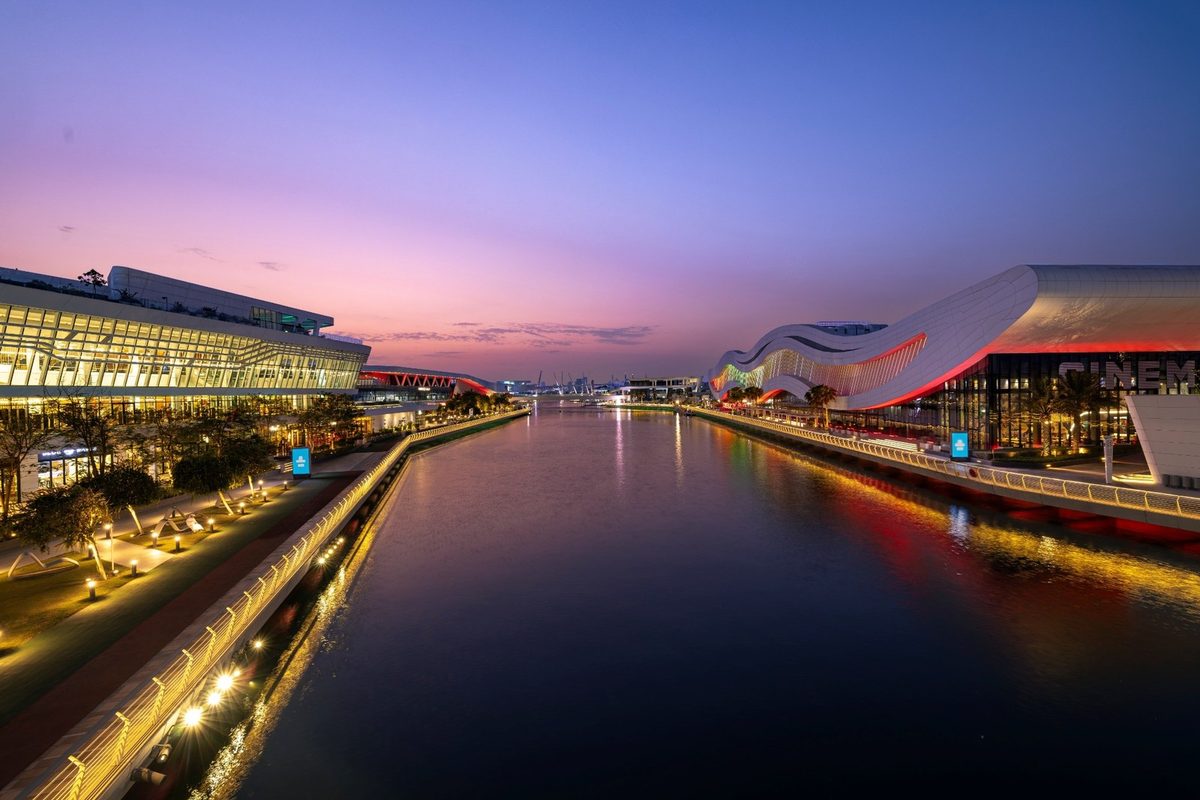
Image generated with Ai
Abu Dhabi puts its most picture-perfect spots in the spotlight, giving Indian travellers 10 striking places to explore, photograph and share, from grand landmarks and digital art to mangroves and desert dunes.
Abu Dhabi is putting its most picture-perfect places firmly on the travel map, and Indian visitors have plenty of reasons to take notice. The capital combines monumental architecture, immersive art, peaceful nature, beaches, heritage and desert scenery in one destination. As social media increasingly shapes how travellers record their holidays, these locations offer memorable settings for photographs without losing their cultural or natural character. From the grandeur of Sheikh Zayed Grand Mosque to the otherworldly installations at teamLab Phenomena Abu Dhabi, the emirate delivers variety. Meanwhile, Jubail Mangrove Park, Saadiyat Beach Club and Qasr Al Sarab add contrasting landscapes to any travel itinerary.
Advertisement
Advertisement
Abu Dhabi is encouraging travellers to look beyond conventional sightseeing and discover locations where architecture, culture, nature and luxury create compelling visual experiences.
For Indian travellers in particular, the UAE capital offers a convenient combination of accessible international travel and a wide variety of experiences that can be explored during a holiday with family, friends or a partner. The emirate’s attractions range from internationally recognised cultural institutions to tranquil mangroves, historic sites and sweeping desert landscapes.
Advertisement
Advertisement
The focus on photogenic destinations also reflects a wider shift in tourism. Travellers increasingly document their journeys through photographs, short-form videos and social media posts, making distinctive visual experiences an important part of destination discovery.
Advertisement
Advertisement
Abu Dhabi’s appeal, however, goes beyond simply providing attractive backgrounds. Many of its most photographed locations also reveal something about the emirate’s heritage, contemporary cultural ambitions, landscape and hospitality industry.
Sheikh Zayed Grand Mosque combines architecture and scale
The Sheikh Zayed Grand Mosque remains one of Abu Dhabi’s defining landmarks. Its white marble architecture, expansive courtyard, domes, columns and reflective pools create strong photographic compositions throughout the day.
The mosque features 82 domes and houses the world’s largest hand-knotted carpet, while its reflective surfaces can dramatically change the appearance of the complex according to the light.
Advertisement
Advertisement
Sunset can be particularly striking, as warmer light falls across the marble and surrounding water. Visitors should also remember that the mosque is an active place of worship and should follow the site’s visitor and dress requirements when taking photographs.
teamLab Phenomena Abu Dhabi delivers an immersive visual experience
In the Saadiyat Cultural District, teamLab Phenomena Abu Dhabi provides a completely different photographic environment.
Advertisement
Advertisement
The immersive digital art destination combines technology, light, movement and physical space. Its installations respond to visitors and their surroundings, meaning the experience can change as people move through the artworks.
That makes it particularly suited to photographs and videos that feel less conventional than traditional travel imagery. Rather than posing against a static attraction, visitors become part of an evolving visual environment.
Jubail Mangrove Park brings nature into the itinerary
Jubail Mangrove Park provides a quieter counterpoint to Abu Dhabi’s monumental buildings and luxury resorts.
Its wooden boardwalk extends through mangrove habitat, offering views across turquoise waters and opportunities to observe wildlife. Crabs, herons and other species can be encountered around the mangroves, while kayaking provides another way to experience the ecosystem.
Early morning visits can offer softer light and calmer conditions, making the park particularly attractive for landscape photography. The setting also demonstrates Abu Dhabi’s natural diversity beyond its urban skyline.
Advertisement
Advertisement
Saadiyat Beach Club captures Abu Dhabi’s coastal side
Saadiyat Island introduces a more relaxed visual language, centred on white sand, blue water, palm trees and resort-style facilities.
At Saadiyat Beach Club, the infinity pool, cabanas and coastline provide a polished setting for holiday photography. The location is well suited to travellers looking for a classic beach-club aesthetic, while the surrounding waters and shoreline also support encounters with marine life.
The wider Saadiyat coastline is known for its natural environment, including the presence of Hawksbill turtles. Wildlife sightings, however, are naturally dependent on conditions and should never be treated as guaranteed.
Louvre Abu Dhabi turns sunlight into art
Louvre Abu Dhabi is another destination where the architecture itself becomes the subject.
Designed by French architect Jean Nouvel, the museum is crowned by an enormous geometric dome formed from thousands of overlapping metal elements. Sunlight passes through the structure to create the celebrated ‘rain of light’ effect.
Advertisement
Advertisement
The interplay between shade, brightness, water and the dome produces changing patterns across the museum’s outdoor spaces. It is a particularly strong example of how contemporary architecture can become an attraction in its own right.
Al Ain Oasis offers a glimpse into Abu Dhabi’s heritage
Away from the coastal capital, Al Ain Oasis provides an entirely different experience.
Located within the UNESCO World Heritage-listed Al Ain region, the oasis is a vast green landscape dominated by date palms. Its traditional irrigation channels, known as falaj, remain an important part of the area’s historic agricultural system.
Visitors can walk or cycle through shaded routes beneath thousands of palms. The combination of greenery, traditional infrastructure and filtered sunlight creates a strong visual contrast with Abu Dhabi’s modern skyline.
For travellers interested in heritage photography, the oasis offers a more understated perspective on the emirate’s history.
Advertisement
Advertisement
Emirates Palace Mandarin Oriental delivers unmistakable grandeur
Luxury remains an important part of Abu Dhabi’s tourism identity, and Emirates Palace Mandarin Oriental provides one of its most recognisable settings.
The property is distinguished by grand architecture, domes, elaborate interiors, fountains and lavish decorative details. Its formal spaces offer numerous opportunities for symmetrical compositions, architectural portraits and luxury-focused travel photography.
The property’s famous gold-flaked cappuccino can also become part of a more intimate food and lifestyle image, particularly for visitors interested in documenting the finer details of an Abu Dhabi stay.
Qasr Al Sarab turns the desert into a cinematic backdrop
Deep in the Liwa Desert, Qasr Al Sarab Desert Resort by Anantara provides an experience far removed from the city.
The resort rises among the enormous dunes of the Empty Quarter, creating a dramatic landscape of golden sand and expansive horizons. Sunrise and sunset are especially appealing for photographers because changing light can transform the colour and texture of the dunes.
Advertisement
Advertisement
Visitors can also capture desert experiences such as camel rides, while the resort’s pool and architecture provide more polished alternatives to traditional landscape photographs.
The location demonstrates the scale and character of Abu Dhabi’s desert environment and adds an entirely different dimension to a multi-day itinerary.
Qasr Al Hosn connects old Abu Dhabi with the modern city
Qasr Al Hosn provides one of the clearest visual links between Abu Dhabi’s past and present.
The historic site includes the city’s oldest standing structure, the watchtower, alongside the restored fort. Its traditional architecture stands in sharp contrast to the contemporary buildings surrounding it.
This juxtaposition is particularly effective for photographs that tell a story rather than simply showcase a landmark. Visiting around sunset can add warm tones to the historic structure while the modern city forms a distinctive backdrop.
Advertisement
Advertisement
Al Qana combines waterfront leisure and city views
Al Qana rounds out the list with a contemporary waterfront setting designed around leisure, dining and entertainment.
Its canal-side paths provide opportunities to photograph reflections, restaurants and evening city lights. Visitors can also combine a meal or coffee stop with a visit to The National Aquarium Abu Dhabi, creating an easy addition to a family-friendly itinerary.
For groups of friends and families, Al Qana offers a more casual setting than Abu Dhabi’s major cultural landmarks, with plenty of opportunities for lifestyle and food photography.
Why Abu Dhabi’s visual appeal matters to tourism
The ten locations collectively demonstrate the breadth of Abu Dhabi’s destination proposition. They are not limited to one type of traveller or one style of holiday.
Architecture enthusiasts can focus on the Sheikh Zayed Grand Mosque and Louvre Abu Dhabi. Art and technology lovers can explore teamLab Phenomena Abu Dhabi. Nature-focused visitors have Jubail Mangrove Park and Al Ain Oasis, while luxury travellers can turn towards Saadiyat Beach Club and Emirates Palace Mandarin Oriental.
Advertisement
Advertisement
The desert landscapes around Qasr Al Sarab and the heritage of Qasr Al Hosn add further depth.
For Indian travellers, this diversity can make Abu Dhabi particularly attractive for short breaks as well as longer UAE holidays. Instead of building an itinerary around a single theme, visitors can combine culture, nature, shopping, dining, beach time and desert experiences within the same trip.
Advertisement
