
Norwegian Jade Returns To Japan With New Cruises Boosting Asia Travel And Regional Tourism

Published
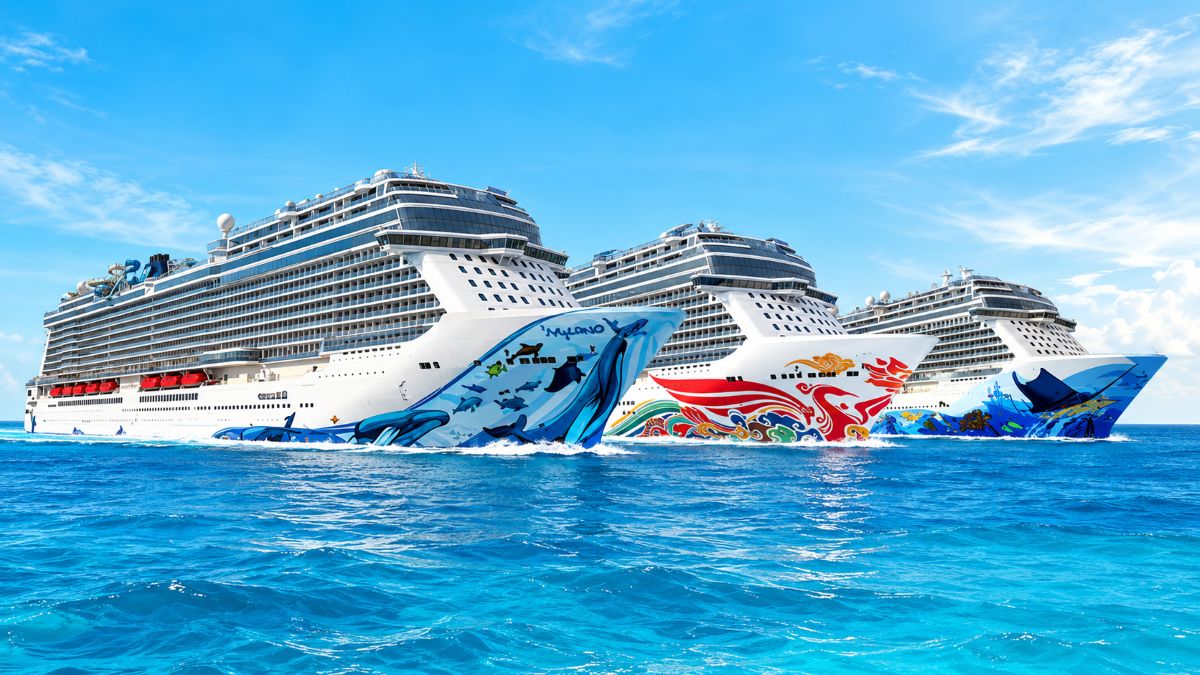
Norwegian Cruise Line’s Norwegian Jade is repositioning towards Japan for a new Far East deployment, marking the ship’s return to the region after several years and creating fresh cruise opportunities across Japan and South Korea. The 16-night transpacific voyage began in Vancouver on September 21, 2026, and is scheduled to conclude in Yokohama on October 7 after visiting destinations across Alaska and Japan.
The move places Japan and South Korea at the centre of the ship’s autumn cruise programme, with nine- to 14-night itineraries planned from Yokohama, Tokyo and Incheon through late November. For travellers, the programme offers access to a broad selection of Japanese destinations within a single holiday, while for ports and tourism businesses it could generate additional visitor spending across accommodation, dining, transport, attractions and retail. The deployment also connects North American cruise demand with established Asian tourism markets at a time when cruise operators are expanding the range of international itineraries available to travellers.
Advertisement
Advertisement
Norwegian Jade Repositions From Alaska To Japan
The Norwegian Jade has completed its summer programme in Alaska before beginning its transpacific repositioning voyage to Japan. The sailing combines North American and Asian destinations, providing a bridge between two major cruise regions.
During the 16-night journey, the ship is scheduled to visit Ketchikan, Sitka, Whittier and Kodiak in Alaska, alongside scenic cruising at Hubbard Glacier and a call at Hakodate in Japan. The itinerary demonstrates how repositioning cruises can turn the movement of a vessel between seasonal markets into a tourism product in its own right.
Advertisement
Advertisement
The arrival in Yokohama on October 7 will begin a broader Far East programme extending through late autumn and returning to the region again in spring 2027.
The deployment is particularly significant because the Norwegian Jade is returning to the Japanese and wider Asian cruise market for the first time since 2019. Its presence adds capacity and itinerary choice for international travellers considering cruise holidays in East Asia.
Advertisement
Advertisement
Japan Gains Wider Cruise Tourism Reach
Japan is the central destination in the Norwegian Jade’s autumn programme, with multiple itineraries linking major urban centres, historic destinations and regional ports.
The ship will operate cruises from Yokohama and Tokyo, giving international visitors access to Japan’s established gateway cities while also distributing cruise traffic to destinations beyond the largest metropolitan areas.
Advertisement
Advertisement
A two-week voyage scheduled for late October is particularly extensive. The itinerary will circumnavigate Honshu and Shikoku, calling at 12 destinations in Japan and one in South Korea.
Planned Japanese ports include Sakata, Kanazawa, Shimonoseki, Hiroshima, Nagoya and Shimizu. Each destination provides a different tourism proposition, ranging from cultural heritage and historic districts to food, shopping, coastal landscapes and major urban attractions.
For regional tourism economies, cruise arrivals can provide an additional source of international visitor spending. Passengers may purchase local excursions, use taxis and other transport services, dine in port cities and visit museums, cultural attractions and retail districts during relatively short stays.
South Korea Strengthens Its Role In The Itineraries
South Korea forms another important component of the Norwegian Jade’s Far East deployment, particularly through calls at Busan and departures from Incheon.
Advertisement
Advertisement
Busan offers cruise passengers access to one of South Korea’s major coastal cities, with attractions spanning urban tourism, food, shopping, beaches and cultural sites. Incheon, meanwhile, provides a strategically positioned cruise gateway near Seoul and can support pre- and post-cruise stays in the wider metropolitan area.
The inclusion of South Korea alongside Japan reflects the growing importance of multi-country itineraries in Asian cruise tourism. Travellers can combine two established international destinations within one voyage rather than arranging separate transportation between them.
| Country | Tourism Strength | Potential Cruise Tourism Impact |
|---|---|---|
| Japan | Cultural, culinary and regional tourism | Wider distribution of international cruise visitors |
| South Korea | Urban, cultural and coastal tourism | Greater exposure through multi-country itineraries |
| Canada | Pacific cruise gateway | Transpacific repositioning demand |
| United States | Alaska cruise market | Seasonal connection with Asian cruise programmes |
The cross-border itinerary structure could also encourage passengers to extend their holidays before or after the cruise, potentially supporting hotels and other tourism businesses in gateway cities.
Regional Ports Could Benefit From Extended Itineraries
One of the strongest features of the Norwegian Jade deployment is the number of Japanese destinations included in its itineraries.
Cruise tourism can give smaller or regional destinations access to international visitors who might not otherwise include them in a conventional land-based holiday. Ports such as Sakata and Shimonoseki can therefore benefit from exposure to passengers seeking experiences beyond Japan’s most established tourism gateways.
Kanazawa and Hiroshima bring particularly strong cultural and historical tourism appeal, while Nagoya provides an important urban and industrial tourism connection. Shimizu, meanwhile, offers access to the wider Shizuoka area and views towards Mount Fuji when conditions permit.
Advertisement
Advertisement
The distribution of calls across different regions could create opportunities for local tour operators, restaurants, retailers, transport providers and attractions. The scale of the economic effect, however, will depend on passenger shore-excursion participation, length of port calls and local spending patterns.
Aviation And Connectivity Gain A Cruise Link
The Norwegian Jade’s deployment also illustrates the relationship between cruise tourism and international aviation.
Passengers arriving from North America may use Vancouver and other Pacific gateways before beginning their transpacific cruise. Once the ship reaches Japan, departures from Tokyo and Yokohama provide access to international air networks serving the Japanese capital region.
Incheon adds another major aviation gateway to the programme, while Hong Kong becomes important later in the season as the vessel repositions towards Southeast Asia.
This combination of cruise and air connectivity can create more flexible holiday structures. Travellers can fly into one city, cruise through several destinations and return from another airport, depending on itinerary and flight availability.
For travel advisers and tour operators, such programmes may therefore support combined cruise-and-land packages that include hotels, airport transfers, excursions and additional stays.
Advertisement
Advertisement
Hospitality And Tourism Investment Opportunities
Cruise arrivals do not operate independently from the wider tourism economy. Gateway cities can benefit when passengers add hotel nights before embarkation or after disembarkation.
Tokyo and Yokohama are particularly well positioned for this type of demand because they provide extensive accommodation, transport and visitor infrastructure. Incheon similarly offers a potential gateway to Seoul and surrounding destinations.
Regional Japanese ports can benefit through shore excursions and local visitor spending rather than overnight accommodation alone. This creates opportunities for destination management organisations and tourism businesses to develop experiences that fit within cruise schedules.
Cultural tourism, culinary experiences, shopping, heritage attractions and guided regional tours could all form part of the visitor economy surrounding the itineraries.
The ship itself has also undergone a routine drydock upgrade before beginning its Asian deployment. The addition of Vibe Beach Club and a new Starbucks in the atrium adds refreshed onboard facilities to the product, potentially strengthening the overall cruise proposition for passengers comparing longer international itineraries.
Key Tourism Opportunities In 2026 And 2027
The Norwegian Jade programme creates several areas of potential growth for the Asian cruise market. The most immediate is increased access to Japanese regional destinations through packaged itineraries.
Advertisement
Advertisement
| Tourism Area | Opportunity Created |
|---|---|
| Cultural tourism | More international visitors can experience historic Japanese cities |
| Culinary tourism | Port calls can support local restaurants and food experiences |
| Regional tourism | Cruise passengers can reach destinations outside major gateways |
| Business travel | Pre- and post-cruise stays could complement business trips |
| Luxury tourism | Extended itineraries can support premium excursions and accommodation |
| Hospitality | Gateway cities may gain additional hotel and dining demand |
| Aviation | Cruise movements can generate international passenger flows |
| Local experiences | Shore excursions can connect visitors with regional attractions |
The longer itinerary format is particularly relevant because it allows cruise passengers to experience several destinations within one holiday. That can appeal to international travellers seeking convenience while maintaining geographical variety.
Challenges And Uncertainties
The expansion of cruise capacity does not guarantee equivalent growth in local tourism spending. Economic benefits depend on factors including passenger volumes, port turnaround arrangements, shore-excursion participation and time spent ashore.
Weather and operational conditions can also influence cruise itineraries, particularly during seasonal transitions across the North Pacific and East Asia. Port congestion and infrastructure capacity are additional considerations as more cruise operators compete for berths at popular destinations.
Traveller demand will also depend on airfares, cruise pricing, exchange rates and broader consumer confidence. International travel patterns can change quickly when economic or geopolitical conditions affect long-haul holiday decisions.
For destinations, the challenge will be converting cruise arrivals into meaningful local economic activity while maintaining visitor experiences and managing pressure on popular attractions.
Norwegian Jade Extends Asian Cruise Connectivity
The Norwegian Jade’s autumn programme does not end in Japan. In early December, the vessel is scheduled to reposition towards Hong Kong before beginning a winter programme in Southeast Asia.
Advertisement
Advertisement
The ship is then expected to return to Japan in late February for a spring Far East season running through late April. It is scheduled to return to North America afterwards for another summer deployment in Alaska.
This seasonal pattern creates a broader network connecting Alaska, Japan, South Korea, Hong Kong and Southeast Asia. Rather than treating each cruise market as an isolated destination, the deployment demonstrates how cruise operators can move ships between regions while creating passenger itineraries around those repositioning movements.
For Japan and South Korea, the return of the Norwegian Jade provides another channel for international cruise visitors during the autumn and spring seasons. For travellers, it expands the range of ways to combine East Asian destinations in a single journey.
Future Outlook
The Norwegian Jade’s return to Japan represents a renewed cruise connection between North America and the Far East, with Japan and South Korea positioned at the centre of a programme spanning major cities and regional ports. The deployment could support visitor spending across attractions, hospitality, transport and local experiences while giving international travellers more options for multi-destination holidays.
If demand for Asian cruise itineraries continues to develop, the combination of established gateways such as Tokyo, Yokohama, Incheon and Hong Kong with regional Japanese ports could become increasingly important to the wider tourism economy. The next phase will depend on passenger demand, airline connectivity, port capacity and the ability of destinations to translate cruise arrivals into sustained tourism value.
FAQs
1. When will Norwegian Jade arrive in Japan in 2026?
Norwegian Jade is scheduled to arrive in Yokohama on October 7, 2026, following its 16-night repositioning voyage from Vancouver.
Advertisement
Advertisement
2. Where is Norwegian Jade sailing before reaching Japan?
The ship’s transpacific voyage includes calls in Alaska, including Ketchikan, Sitka, Whittier and Kodiak, as well as scenic cruising at Hubbard Glacier.
3. Which Japanese destinations will Norwegian Jade visit?
Planned destinations include Hakodate, Sakata, Kanazawa, Shimonoseki, Hiroshima, Nagoya and Shimizu, among other Japanese ports.
4. Will Norwegian Jade visit South Korea?
Yes. The programme includes South Korean destinations such as Busan, while Incheon is also scheduled to serve as a departure point for selected cruises.
5. How long are Norwegian Jade’s Far East cruises?
The autumn programme includes cruises ranging from approximately nine to 14 nights, alongside a longer two-week itinerary around Honshu and Shikoku.
6. Why is the return of Norwegian Jade to Japan significant?
The ship is returning to the region for the first time since 2019, providing additional cruise capacity and itinerary options for travellers visiting Japan and South Korea.
7. Can cruise passengers explore regional Japan through these itineraries?
Yes. Calls at destinations such as Sakata, Kanazawa, Shimonoseki and Shimizu provide opportunities to explore areas beyond Tokyo and other major tourism gateways.
Advertisement
Advertisement
8. Could the cruises benefit Japanese hospitality businesses?
Cruise arrivals could support hotels, restaurants, transport providers, attractions and retailers, particularly when passengers add pre- or post-cruise stays or participate in shore excursions.
9. What happens to Norwegian Jade after its Japan season?
The ship is scheduled to reposition towards Hong Kong in early December before operating a winter season in Southeast Asia.
10. When will Norwegian Jade return to Japan?
Norwegian Jade is scheduled to return to Japan in late February 2027 for a spring Far East deployment running through late April.
Advertisement
