
Indonesia and New Zealand Advance Blue Economy Tourism Plan to Protect Islands and Create Green Coastal Jobs

Published
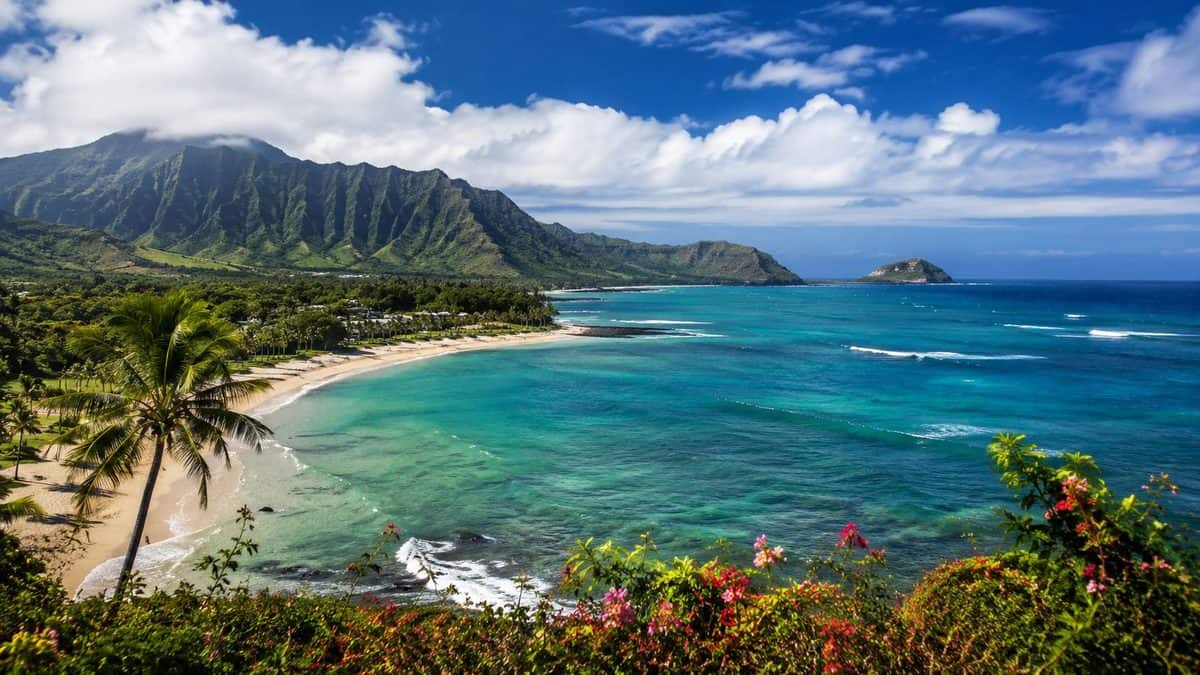
Image generated with Ai
Indonesia is reshaping its coastal tourism strategy by focusing on environmental protection, community participation and sustainable economic development. Through a new blue economy initiative developed with regional cooperation, Indonesia is working to protect marine ecosystems while creating new opportunities for communities that depend on ocean-based tourism.
The programme aims to address the environmental challenges created by rapid tourism growth in popular island destinations, including Bali and Lombok. By directing tourism benefits into marine conservation activities and local employment, Indonesia hopes to create a more balanced tourism model that protects natural resources while supporting coastal livelihoods.
Advertisement
Advertisement
The initiative reflects a wider global shift where destinations are moving away from high-volume tourism models and focusing on responsible travel experiences that preserve ecosystems for future generations.
Indonesia Builds a New Future Through Blue Economy Tourism
The blue economy approach focuses on using ocean resources responsibly while protecting marine environments. For Indonesia, a country with thousands of islands and extensive coastal areas, sustainable marine tourism plays a vital role in economic development.
Advertisement
Advertisement
The partnership with regional countries, including New Zealand, highlights a growing commitment to protecting coastal ecosystems through cooperation, knowledge sharing and community involvement.
Advertisement
Advertisement
| Blue Economy Focus Area | Tourism Benefit |
|---|---|
| Marine conservation | Protects coral reefs and ocean habitats |
| Sustainable tourism | Reduces environmental pressure from visitors |
| Community employment | Creates local conservation jobs |
| Responsible visitor activities | Encourages eco-friendly travel |
The strategy aims to ensure that tourism growth does not damage the natural attractions that make Indonesia popular among international travellers.
Marine Conservation Becomes a Key Tourism Priority
Indonesia’s islands attract millions of visitors because of their beaches, coral reefs, marine biodiversity and coastal landscapes. However, increased tourism activity has placed pressure on some destinations.
Popular island locations have experienced challenges including:
Advertisement
Advertisement
| Environmental Challenge | Impact |
|---|---|
| Plastic pollution | Threatens marine ecosystems |
| Overcrowding | Increases pressure on natural resources |
| Coral damage | Affects marine biodiversity |
| Coastal development | Changes fragile environments |
The new blue economy programme focuses on addressing these issues by linking tourism revenue with conservation efforts.
Instead of treating environmental protection as a separate activity, Indonesia is integrating conservation directly into its tourism development plans.
Advertisement
Advertisement
Tourism Revenue Supports Community-Led Conservation Jobs
A major feature of the initiative is the creation of sustainable employment opportunities connected to marine protection.
Tourism income can support local roles such as:
- Coral reef restoration workers
- Coastal conservation teams
- Marine monitoring staff
- Environmental education guides
- Community tourism operators
| Community Role | Contribution to Conservation |
|---|---|
| Marine protection workers | Monitor and protect ocean habitats |
| Local guides | Promote responsible visitor behaviour |
| Coastal groups | Maintain cleaner beaches |
| Environmental educators | Increase awareness among residents and tourists |
This approach allows communities to benefit directly from protecting their natural surroundings.
Bali and Lombok Face Pressure From Tourism Expansion
Destinations such as Bali and Lombok have become internationally recognised for their beaches, cultural experiences and marine attractions. However, rapid visitor growth has created concerns about environmental sustainability.
The blue economy transition aims to help these destinations manage tourism pressure while maintaining their global appeal.
Advertisement
Advertisement
| Destination | Tourism Strength | Sustainability Challenge |
|---|---|---|
| Bali | Beaches, culture and international tourism | High visitor concentration |
| Lombok | Marine activities and island experiences | Need for ecosystem protection |
By introducing stronger conservation measures, Indonesia hopes to maintain the long-term value of these destinations.
New Zealand Partnership Supports Regional Sustainability Goals
Indonesia’s cooperation with New Zealand reflects broader regional efforts to improve ocean management and sustainable tourism practices.
Both countries share an interest in protecting marine environments and supporting communities connected to coastal economies.
The collaboration highlights several priorities:
- Improving marine conservation knowledge
- Supporting sustainable coastal development
- Strengthening community participation
- Encouraging responsible tourism investment
Such partnerships are becoming increasingly important as island destinations face climate-related risks and growing tourism demand.
Advertisement
Advertisement
Indonesia Promotes Responsible Travel Experiences
The blue economy strategy also changes how visitors experience Indonesia. Instead of focusing only on traditional beach tourism, travellers are increasingly encouraged to participate in activities that support conservation and local communities.
Future tourism opportunities may include:
| Sustainable Experience | Visitor Benefit |
|---|---|
| Marine conservation tours | Learn about ocean protection |
| Eco-friendly diving experiences | Explore marine life responsibly |
| Community-based tourism | Connect with local cultures |
| Coastal restoration activities | Support environmental projects |
This model creates stronger connections between travellers and destinations.
Sustainable Tourism Helps Protect Indonesia’s Future
Indonesia’s tourism industry plays an important role in the national economy, but long-term success depends on maintaining the natural environments that attract visitors.
The blue economy approach provides a framework where tourism growth and environmental protection can develop together.
Advertisement
Advertisement
| Traditional Tourism Approach | Blue Economy Tourism Model |
|---|---|
| Focus on visitor numbers | Focus on sustainable value |
| Resource consumption | Resource protection |
| Limited community involvement | Local participation |
| Short-term economic gains | Long-term destination resilience |
This transition supports Indonesia’s goal of becoming a more sustainable global tourism destination.
Conclusion: Indonesia Moves Toward a Greener Island Tourism Future
Indonesia’s blue economy tourism initiative represents a major shift in how the country manages coastal travel growth. By combining marine conservation, community employment and responsible tourism practices, the strategy aims to protect island destinations while creating economic opportunities.
With support from regional partners such as New Zealand, Indonesia is working to ensure that popular destinations like Bali and Lombok remain attractive, healthy and sustainable for future generations.
The move demonstrates how tourism can become a tool for environmental protection rather than a source of ecological pressure. Through conservation-focused development, Indonesia is building a new model for island tourism in the Asia-Pacific region.
Advertisement
