
Sydney, Melbourne, Brisbane and Perth Turn Australia Day Trip Tourism Into a Billion-Dollar Regional Economy

Published
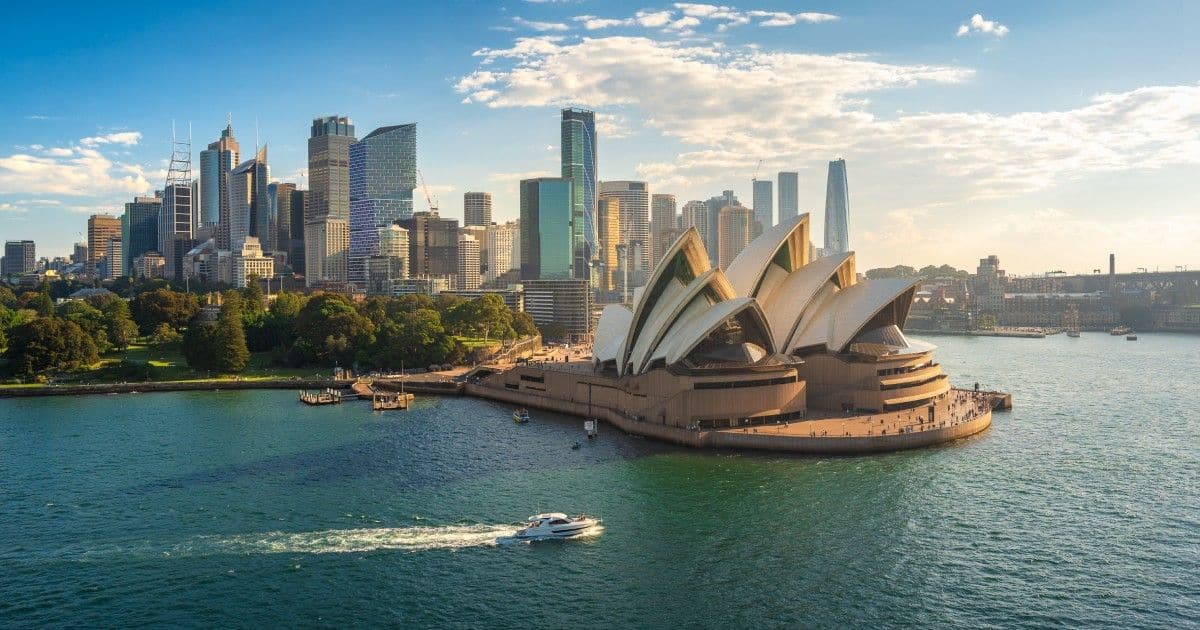
Australia’s tourism economy is entering a new phase as travellers increasingly favour shorter domestic journeys over expensive overnight breaks. In 2025, domestic day trips became a major contributor to national tourism growth, reflecting strong demand for lower-cost, shorter-duration travel.
Tourism Research Australia recorded 72.3 million domestic day trips in the September quarter of 2025, generating $12.5 billion in expenditure. Holiday travel accounted for 36.7 million trips, underlining the scale of short leisure journeys within the national visitor economy.
The trend has major implications for Sydney, Melbourne, Brisbane and Perth. Each capital acts as a launchpad for nearby beaches, wine districts, islands, mountains, wildlife reserves and regional communities. The real question is increasingly how effectively each city converts short excursions into visitor spending beyond its metropolitan core.
The One-Day Economy Is Getting Bigger
Australia’s domestic day-trip market has become too large for tourism planners to treat it as a secondary travel segment. The September 2025 quarter alone produced 72.3 million day trips and $12.5 billion in spending, demonstrating the economic weight of journeys completed within a single day.
Advertisement
Advertisement
Tourism Research Australia’s 2025 annual benchmark adds an important layer. Total visitor spending reached $192.4 billion, rising 6.5 per cent from 2024, while domestic overnight travel remained relatively stable at 113 million trips. Day trips, by contrast, grew strongly and became a major contributor to tourism growth.
The preference is understandable. A day excursion eliminates accommodation costs while retaining spending on transport, restaurants, attractions, tours, retail and recreation. For regional businesses, that creates a valuable stream of visitors who may never book a hotel room.
Advertisement
Advertisement
| National Indicator | Latest Available Figure |
|---|---|
| Domestic day trips, September quarter 2025 | 72.3 million |
| Day-trip expenditure, September quarter 2025 | A$12.5 billion |
| Holiday day trips | 36.7 million |
| Total visitor spending, 2025 | A$192.4 billion |
| Domestic overnight trips, 2025 | 113 million |
The statistics also need careful handling because Tourism Research Australia introduced the Domestic Tourism Statistics system in January 2025. The new methodology combines survey and mobility data, meaning older National Visitor Survey figures should not always be compared directly with new DoTS results.
Sydney Opens A Vast Regional Window
Sydney has one of Australia’s most versatile excursion economies because several contrasting tourism landscapes sit within its wider travel orbit. The Blue Mountains offer World Heritage scenery, while the Central Coast combines beaches, national parks and food experiences. The Hunter Valley adds wine and culinary tourism, while Wollongong and the South Coast provide coastal and outdoor alternatives.
The scale is substantial at state level. NSW recorded 85.8 million domestic day-trip visitors and $15.3 billion in day-trip expenditure in the year ending March 2026. By June 2026, the figure had climbed to 87.2 million day trips and a record $16.2 billion in spending, with expenditure rising 34 per cent year on year.
Sydney therefore demonstrates how a large metropolitan population can distribute visitor spending across an extensive regional catchment. The Blue Mountains also provide one of the country’s strongest car-free excursion propositions, with regular trains from Central to Katoomba and local buses serving major attractions.
How To Spend A Sydney Excursion:
- Blue Mountains: Prioritise Echo Point and the Three Sisters, then combine a short bushwalk with Wentworth Falls and Leura. Scenic World can add cable-car and railway experiences, while Leura provides cafés, galleries and local food.
- Central Coast: Pair a coastal attraction with local food rather than spending the entire day on the beach. Somersby Falls, Norah Head Lighthouse, Avoca Beach and seafood restaurants create a useful nature-and-food combination.
- Hunter Valley: Concentrate on wine tasting, a vineyard lunch and a regional produce experience rather than attempting to cover multiple wineries. The region also offers ballooning, culinary masterclasses and vineyard-based activities.
For travellers without cars, the Blue Mountains offer the clearest proposition. Destination NSW says trains operate regularly from several Sydney stations, while the Blue Mountains Explorer Bus provides a hop-on, hop-off option around Katoomba and Leura.
Advertisement
Advertisement
Melbourne Converts Variety Into Value
Melbourne’s excursion economy operates through a different formula. Instead of relying on one dominant attraction, the city feeds visitors into a constellation of food, wine, wildlife, wellness and coastal destinations.
The Yarra Valley provides wine and gastronomy, Mornington Peninsula combines beaches with wineries and thermal experiences, while Phillip Island adds wildlife and the famous little penguin parade. Geelong and the Bellarine Peninsula broaden the offer with coastal scenery, food and wine.
The City of Melbourne recorded 6.3 million day-trip visitors in the year ending December 2024. Victoria’s wider visitor economy subsequently reached a record $46.7 billion in the year ending December 2025, showing the broader economic importance of Melbourne’s visitor ecosystem.
Melbourne’s regional transport infrastructure also strengthens the model. V/Line services connect the capital with major regional centres, although several high-value leisure destinations remain easier to explore by car or organised tour.
How To Spend A Melbourne Excursion:
- Yarra Valley: Build the day around wine, regional food and scenery rather than trying to visit every cellar door. A vineyard lunch and one or two carefully chosen producers create a more rewarding itinerary.
- Mornington Peninsula: Combine a coastal village with local produce, a winery or thermal experience. The region’s compact geography makes it particularly suitable for a multi-stop day, with beaches, wineries, galleries and thermal pools within a relatively tight area.
- Phillip Island: Arrive early enough to experience San Remo and the island’s coastal attractions before finishing with the Penguin Parade at dusk. Visitors can add the Koala Conservation Centre, Cape Woolamai, The Nobbies or the Grand Prix Circuit.
Phillip Island is particularly suited to structured day travel because many attractions sit within short driving distances of one another. The official touring route places Melbourne–San Remo at about 123 kilometres and identifies a one-day itinerary incorporating wildlife, coastal scenery and the Penguin Parade.
Advertisement
Advertisement
Brisbane Finds The Spending Sweet Spot
Brisbane may offer the clearest demonstration of how a capital can turn nearby leisure markets into a powerful economic engine. Its position within South East Queensland places beaches, islands, hinterland communities and national parks within practical reach.
In the year ending December 2025, Brisbane generated $4.5 billion in domestic day-trip expenditure. That represented roughly 49 per cent of Queensland’s day-trip spending, while the city generated $13.4 billion in total domestic visitor expenditure.
The geography explains much of the appeal. Moreton Bay begins only about 34 kilometres north of Brisbane City, with Redcliffe reachable by car, bus or train. Bribie Island, Samford and Dayboro provide additional excursion formats, ranging from beaches and marine experiences to village cafés and rainforest landscapes.
How To Spend A Brisbane Excursion:
- Moreton Bay: Choose between Redcliffe’s beaches and food scene, Bribie Island’s coastal landscapes or Samford and Dayboro’s rural atmosphere. Travellers can combine a beach visit with seafood, cycling or local markets.
- Scenic Rim: Dedicate the day to rainforest, hiking and regional food rather than attempting every attraction. Tamborine Mountain, Lamington National Park and Mount Barney provide different levels of outdoor activity, while farm-gate shops and wineries add a strong culinary component.
- Gold Coast: A beach-focused excursion can combine Rainbow Bay, Snapper Rocks and Point Danger before finishing with seafood or cafés in Coolangatta. The journey takes roughly 1.5 hours from Brisbane.
- Moreton Island: Travellers seeking a more intensive experience can use the island for snorkelling, sandboarding, marine encounters and the Tangalooma Wrecks. The ferry journey itself makes the island feel substantially different from a conventional road excursion.
The practical lesson is that Brisbane’s strongest excursions are not necessarily the closest. They are the trips that combine several forms of spending, such as food, nature, transport and paid experiences, within one manageable itinerary.
Perth Makes Distance Part Of The Equation
Perth’s excursion economy operates under more demanding geographical conditions. Western Australia’s enormous distances mean that journey length can determine whether a destination works as a day trip or requires an overnight stay.
Advertisement
Advertisement
Tourism Western Australia nevertheless identifies a strong collection of short excursions from the capital. These include Swan Valley, Rottnest Island, Fremantle, the Pinnacles and Mandurah, giving visitors markedly different experiences without leaving Perth’s wider tourism orbit.
The result is a distinctive urban-to-wilderness proposition. Travellers can move from a modern metropolitan centre into wine country, historic port districts, island wildlife environments or dramatic desert landscapes.
How To Spend A Perth Excursion:
- Rottnest Island: Allocate most of the day to cycling, beaches, wildlife and the island’s coastal scenery rather than trying to rush through every settlement. The quokka experience remains a signature attraction.
- Swan Valley: Build a food-and-wine day around selected wineries, breweries, local produce and a substantial lunch. The region is particularly suitable for travellers seeking a slower excursion close to Perth.
- Fremantle: Combine maritime history, heritage streets, markets and waterfront dining. It works particularly well for visitors who want a cultural excursion without committing to a long journey.
- Pinnacles: Treat this as a longer-distance nature excursion rather than a casual half-day outing. The stark limestone landscape offers a dramatically different visual experience from Perth’s urban and coastal environment.
For Perth, therefore, itinerary discipline becomes more important. A visitor attempting Rottnest, Swan Valley and the Pinnacles in one day would sacrifice the very quality that makes short excursions valuable: time to experience rather than simply collect destinations.
Four Cities Create Four Tourism Models
The comparison reveals that Australia’s capitals do not compete on identical terms. Each city has developed a different relationship with its surrounding tourism geography.
| Capital | Excursion Strength | Best Short-Trip Themes | Visitor Planning Priority |
|---|---|---|---|
| Sydney | Broad regional reach | Nature, coast, wine | Public transport and travel time |
| Melbourne | Product diversity | Wine, wildlife, wellness | Selective itinerary building |
| Brisbane | High spending density | Coast, islands, rainforest | Combine experiences |
| Perth | Strong urban-nature contrast | Island, wine, heritage | Account for distance |
Sydney’s advantage lies in scale and variety. Melbourne excels in product sophistication. Brisbane benefits from an unusually dense leisure geography, while Perth turns its geographical separation into part of the destination experience.
Advertisement
Advertisement
That means there is no single winner. The stronger question is which city best matches the visitor’s available time, transport options and preferred experience.
Where The Traveller’s Dollar Travels
The economic value of a day excursion extends far beyond admission tickets. Visitors pay for rail journeys, fuel, ferries, restaurants, cafés, wineries, tours, retail, parking and recreational activities.
The ABS recorded $168.8 billion in domestic tourism consumption in 2024–25, with tourism contributing $81.1 billion to GDP and supporting 696,000 filled jobs. These figures demonstrate why tourism spending remains economically important even when a traveller does not book accommodation.
The spending categories are also revealing. Tourism consumption includes substantial expenditure on restaurants and takeaway food, passenger transport and vehicle-related costs, all of which can benefit regional businesses during a single-day excursion.
The NSW experience illustrates the regional redistribution effect particularly well. Of the state’s 126.4 million domestic visitors in the year ending June 2026, 64 million visited regional NSW, while day-trip expenditure reached $16.2 billion.
The implication is significant. A traveller staying in Sydney can generate economic activity in Katoomba, Leura, the Hunter Valley or the Central Coast without changing hotels.
Advertisement
Advertisement
The Car-Free Test Matters More
For international visitors, the most useful measure may be neither visitor numbers nor total spending. It may be a simpler question: Can someone leave the city after breakfast, enjoy a regional experience and return comfortably before nightfall?
Sydney’s Blue Mountains perform particularly well under this test because regular rail services connect Central with Katoomba, while local buses and the Explorer Bus expand access once visitors arrive.
Melbourne’s V/Line system creates a strong regional rail backbone, although some leisure destinations remain better suited to cars or organised tours. Brisbane’s public transport reaches several nearby excursion areas, while Perth’s geography makes organised tours and private vehicles more consequential for longer journeys.
This matters because car-free accessibility can transform a regional attraction from a specialist excursion into a mainstream tourism product. Transport infrastructure effectively determines how large a city’s tourism radius can become.
The Visitor Can Spend Smarter
The emerging short-excursion economy also changes how travellers should plan. Instead of attempting several distant attractions, visitors can create greater value by selecting one geographic cluster and spending more deeply within it.
For Sydney, that could mean combining Blue Mountains scenery with Leura dining and local shopping. In Melbourne, it could mean pairing Mornington’s coastline with food, wine or thermal experiences. Brisbane can connect rainforest or coastline with regional dining, while Perth can build a focused island, wine or heritage day.
Advertisement
Advertisement
This approach also helps regional communities. Spending at independent cafés, producers, galleries, guides and activity operators keeps more visitor expenditure within the destination instead of concentrating it around a single attraction.
Shorter Trips Are Becoming Strategic
The growth of day travel reflects a broader change in domestic tourism behaviour. Australians continue to travel, but shorter and lower-cost journeys can make leisure more manageable when household budgets face pressure.
Tourism Research Australia’s 2025 benchmark specifically identified stronger domestic day-trip demand alongside relatively stable overnight travel. The agency linked this pattern to Australians’ preference for lower-cost and shorter-duration travel options.
For tourism authorities, that creates a valuable strategic opportunity. A destination does not always need to persuade visitors to stay another night. It can instead persuade them to make another journey, buy another experience and spend another day exploring the region.
The New Tourism Radius Is Valuable
Sydney, Melbourne, Brisbane and Perth demonstrate four distinct ways of turning metropolitan tourism into regional economic activity. Sydney offers scale, Melbourne offers diversity, Brisbane delivers unusually strong spending density, and Perth provides a striking urban-to-nature contrast.
For travellers, the lesson is equally practical. The best day trip is not necessarily the destination with the longest list of attractions. It is the excursion that balances travel time, meaningful experiences, food, local spending and a comfortable return journey.
Advertisement
Advertisement
For regional tourism operators, that distinction could prove even more important. Australia’s visitor economy is increasingly being shaped not only by where travellers sleep, but by where they choose to spend their daylight hours.
The one-day excursion has therefore become more than a convenient travel format. It is becoming a powerful mechanism for moving tourism revenue beyond capital-city centres, supporting regional businesses and giving travellers more ways to experience Australia without extending their accommodation bill.
Advertisement
