

Japan’s Okinawa Route Blends Tropical New Beaches, Cultural Heritage and Modern Attractions
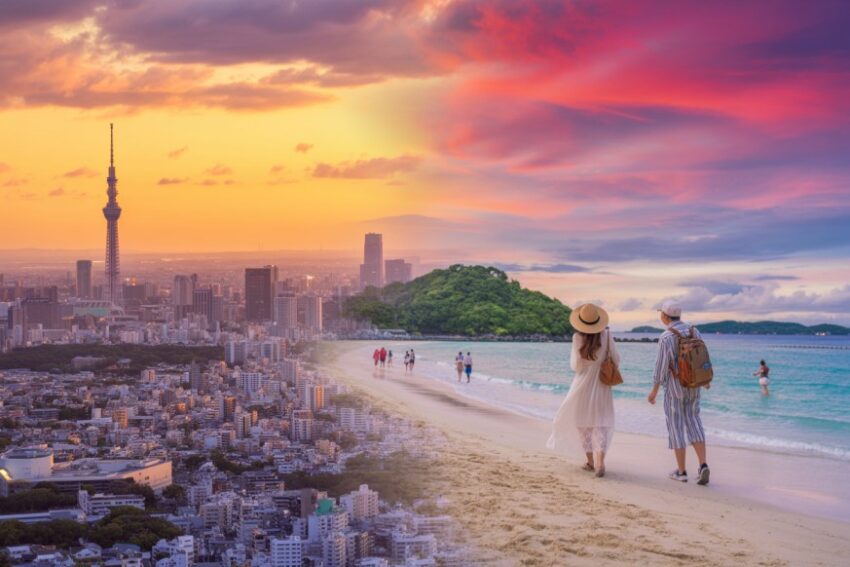 Image generated with Ai
Japan’s Okinawa Route offers travelers a vibrant mix of tropical scenery, island culture, marine adventures and modern entertainment experiences. Stretching from Tokyo to the southern islands of Okinawa, the itinerary introduces visitors to a completely different side of Japan, where turquoise waters, coral coastlines and Ryukyu traditions replace the fast-paced atmosphere of the country’s major cities. From Tokyo’s futuristic skyline and historic temples to Okinawa’s scenic beaches and cultural landmarks, the route combines urban exploration with island relaxation.
The six-day itinerary highlights some of Okinawa’s most famous attractions while showcasing why the region has become one of Japan’s fastest-growing tourism destinations for international visitors.
Tokyo Water Buses Offer a Scenic Start to the Journey
The route begins in Tokyo with a cruise along the Sumida River aboard the city’s popular water buses. These sightseeing vessels connect major attractions such as Asakusa, Hamarikyu Gardens and Odaiba while providing a relaxing way to experience Tokyo from the water.
Travelers can choose between futuristic boats like the Hotaluna and Himiko or more traditional vessels that glide through the city’s river network. The cruise offers impressive views of Tokyo’s skyline, bridges and waterfront districts while serving as a peaceful contrast to the city’s busy streets.
Advertisement
Advertisement
The water bus experience has become increasingly popular among tourists seeking a slower and more scenic introduction to Tokyo.
Tokyo Skytree and Sensoji Temple Highlight Tokyo’s Diversity
Tokyo Skytree remains one of the capital’s most recognizable modern landmarks. Rising 634 meters above the city, the observation deck offers sweeping panoramic views of Tokyo and, on clear days, distant views of Mount Fuji.
Advertisement
Advertisement
The glass-floor section creates an exciting experience for visitors looking directly down onto the city below. Restaurants and shopping areas inside the complex make the attraction a major entertainment destination throughout the day and evening.
Nearby, Sensoji Temple in Asakusa introduces travelers to Tokyo’s historic atmosphere. As one of the city’s oldest temples, Sensoji preserves the traditional downtown character of old Tokyo.
The lively Nakamise-dori shopping street leading to the temple is filled with souvenir stores, snack vendors and traditional Japanese products, creating one of the capital’s most visited cultural districts.
Odaiba Adds Modern Waterfront Entertainment
Odaiba presents a futuristic contrast to Tokyo’s historic areas. Built on reclaimed land in Tokyo Bay, the district is known for shopping centers, entertainment complexes and waterfront promenades connected by the iconic Rainbow Bridge.
Visitors can explore Aqua City Odaiba, relax in Odaiba Kaihin Park or enjoy scenic views of the Tokyo skyline from the bay area. The district’s modern architecture and entertainment attractions make it one of Tokyo’s most dynamic leisure destinations.
Okinawa World and Manzamou Cape Showcase Island Culture
The itinerary then moves south to Okinawa, where Okinawa World introduces travelers to the region’s unique Ryukyu heritage. The cultural theme park allows visitors to experience traditional Okinawan crafts, local performances and regional customs.
Advertisement
Advertisement
Guests can try on Ryuso clothing, watch Eisa dance performances or explore the famous Gyokusendo limestone cave, one of the island’s major geological attractions.
Nearby, Manzamou Cape offers dramatic coastal scenery along Okinawa’s western shoreline. The area is famous for its rock formation shaped like an elephant’s trunk and its panoramic sunset views over the East China Sea.
The natural beauty of the cape has made it one of Okinawa’s most photographed sightseeing spots.
Okinawa Churaumi Aquarium and Kouri Island Highlight Marine Beauty
Okinawa Churaumi Aquarium remains one of Japan’s leading marine attractions and draws visitors from around the world. The aquarium is known for its enormous central tank where whale sharks and manta rays swim together in a breathtaking underwater display.
The facility showcases the rich marine biodiversity of Okinawa’s surrounding waters while offering educational exhibits about coral reefs and ocean ecosystems.
Kouri Island provides a quieter escape surrounded by crystal-clear waters and scenic coastal views. Connected to Okinawa’s main island by a long bridge, the destination is famous for its emerald-green sea and romantic atmosphere.
Advertisement
Advertisement
Heart Rock, a naturally shaped rock formation on the island, has become a popular attraction for couples and photographers visiting Okinawa.
Blue Cave and Shikinaen Royal Garden Blend Adventure and History
The Blue Cave is one of Okinawa’s most famous snorkeling and diving destinations. Known for its glowing blue waters created by sunlight reflecting inside the cave, the site attracts both experienced divers and beginners throughout the year.
Tour operators provide guided excursions for visitors wanting to explore Okinawa’s underwater scenery safely.
Back in Naha, Shikinaen Royal Garden preserves the elegance of the former Ryukyu Kingdom. Featuring ponds, bridges, traditional architecture and landscaped gardens, the retreat once hosted royal family members and foreign dignitaries.
Advertisement
