
Banff Puts Wildlife First as Bow Valley Parkway Faces New Traffic Restrictions

Published
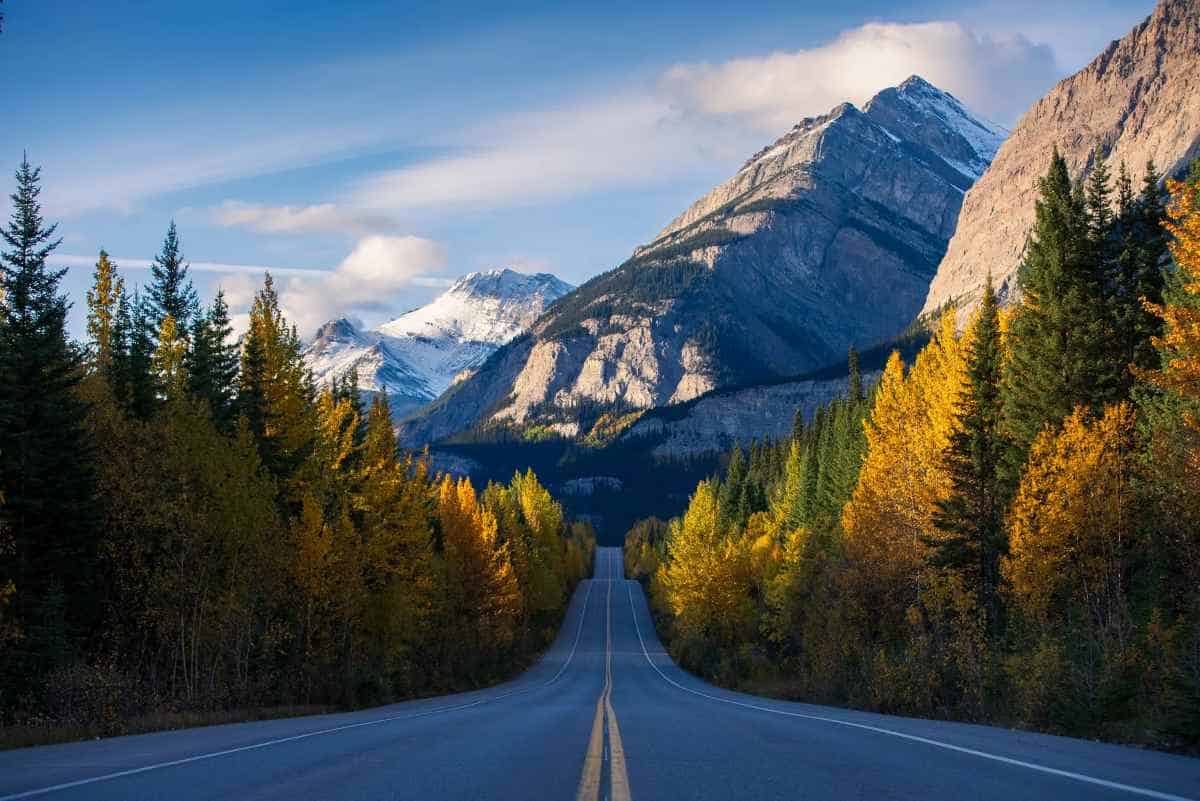
Banff, Canada is implementing restrictions on vehicle access along the Bow Valley Parkway during the autumn, as Parks Canada will restrict personal vehicle access to the eastern portion of the road from 1 September to 6 October 2026. The restriction aims to provide a reduced-traffic environment for cyclists and ease pressure on one of the important wildlife zones in Banff National Park. Nevertheless, the information about the fact that Canada introduced the “Dark-Sky Wildlife Hours” from 8 pm to 6 am on 2 October, providing the use of the road only for astrophotography tours and wildlife rangers, is not supported by up-to-date Parks Canada data. The real restriction is a part of the strategy for traffic management in the Bow Valley. An annual closure applies to the springtime as well, when an eastern 17-kilometre portion of the parkway is closed to any kind of traffic from 8 pm to 8 am between 1 March and 25 June.
Bow Valley Parkway Has a Different Autumn Travel Pattern
The Bow Valley Parkway, also known as Highway 1A, provides a scenic alternative to the Trans-Canada Highway between Banff and Castle Junction.
Advertisement
Advertisement
The eastern section passes through montane habitat that supports species including bears, wolves and cougars. Parks Canada describes the area as an important wildlife corridor where limiting human activity can provide animals with greater access to habitat.
For autumn 2026, personal vehicle access is restricted from 1 September through 6 October on the identified section. Johnston Canyon remains accessible by vehicle through Castle Junction, allowing visitors to continue reaching the popular attraction despite the restriction.
Advertisement
Advertisement
The arrangement changes how visitors experience the route. Rather than treating the parkway solely as a scenic driving road, travellers can plan around cycling, hiking and wildlife-sensitive access.
The Current Restriction Is Not a Night-Time Ban
The most important correction concerns the timing.
Advertisement
Advertisement
Parks Canada has not announced a new October 2026 rule closing the Bow Valley Parkway specifically from 8 pm to 6 am while opening it exclusively for dark-sky tours.
The autumn restriction applies to personal vehicle access throughout the specified period, while the established spring closure has the 8 pm-to-8 am overnight restriction.
Advertisement
Advertisement
This distinction matters for travellers planning an autumn visit. The 2026 autumn measure is primarily associated with a reduced-vehicle-traffic cycling experience, rather than a newly introduced nocturnal astrophotography programme.
Wildlife Protection Is Already Built Into Banff’s Road Network
Wildlife protection is a long-standing part of transportation management in Banff National Park.
Parks Canada states that wildlife crossings and highway fencing have reduced wildlife-vehicle collisions in the park by more than 80%, although collisions and wildlife deaths still occur. Drivers are instructed to obey posted speed limits and remain alert for animals.
Road restrictions are another tool.
Advertisement
Advertisement
The Bow Valley Parkway closure creates periods when animals can move through important habitat with less human and vehicle activity. The park also uses no-stopping zones in areas where wildlife activity creates increased risks for animals and visitors.
These measures form part of a broader strategy rather than a single new autumn initiative.
Banff Still Offers Strong Autumn Travel Opportunities
The traffic restrictions do not prevent visitors from experiencing Banff National Park.
The park remains accessible through the Trans-Canada Highway, while numerous attractions and communities continue operating.
Banff town provides accommodation, restaurants, shops and access to mountain activities. Lake Louise is another major destination, with alpine scenery, hiking opportunities and access to the wider Canadian Rockies.
Johnston Canyon remains particularly relevant during the Bow Valley Parkway restriction because visitors can still reach it by vehicle via Castle Junction. Parking capacity around Johnston Canyon is limited, and Parks Canada is advising visitors to plan carefully.
Advertisement
Advertisement
Dark Skies Are Still Part of Canada’s Tourism Story
Astrophotography is a genuine tourism activity across Canada, but Banff National Park should not currently be described as having introduced the claimed “Dark-Sky Wildlife Hours” system.
Parks Canada promotes dark-sky experiences through its network of designated Dark-Sky Preserves. These locations are managed to reduce or eliminate light pollution and provide opportunities to observe stars, planets and other celestial features. Parks Canada
Banff’s mountain environment can provide impressive night skies away from developed areas, but visitors should follow park rules and avoid creating additional disturbance.
For photographers, responsible lighting is particularly important. Parks Canada recommends limiting artificial light and using less intrusive red lighting where appropriate.
Autumn Brings Changing Conditions to the Rockies
October is a transitional month in the Canadian Rockies.
Weather can change rapidly, with colder temperatures, snowfall at higher elevations and shorter daylight hours possible. Travellers should check road conditions and trail information before setting out.
Advertisement
Advertisement
Hikers should also understand that wildlife remains active in autumn. Maintaining distance from animals and following closures is essential, particularly in areas identified as important habitat.
The Bow Valley Parkway’s restrictions therefore have a direct effect on trip planning. Visitors who expected to drive the entire scenic route should instead check current access information and consider alternative transport or cycling arrangements.
Calgary Remains the Main International Gateway
Calgary International Airport is the closest major international airport to Banff National Park, approximately 144 kilometres east of the park.
The journey from Calgary to Banff provides access to the Canadian Rockies through the Trans-Canada Highway, with shuttle and private transport options available.
Once in Banff, visitors can combine the national park with destinations such as Lake Louise, Yoho National Park and the wider mountain region.
For international travellers, the current Bow Valley Parkway restrictions are therefore a planning consideration rather than a barrier to visiting Banff.
The Real Banff Story Is About Managing Access
The idea behind the planned change is not that Banff will trade in regular night driving for an astrophotography corridor in October 2026. The development plan that has been confirmed by Parks Canada is somewhat more conservative. It plans to limit access to the Bow Valley Parkway by personal vehicles until 6 October 2026 to facilitate a low-traffic cycle ride, which will add to the already existing closure in spring for the sake of protecting wildlife in one of the most critical periods of their lives.
Advertisement
