
Lufthansa Boosts Fuel Loads for Frankfurt Flights as Germany Faces Pipeline Constraints, but Cancellations Remain Unlikely

Published
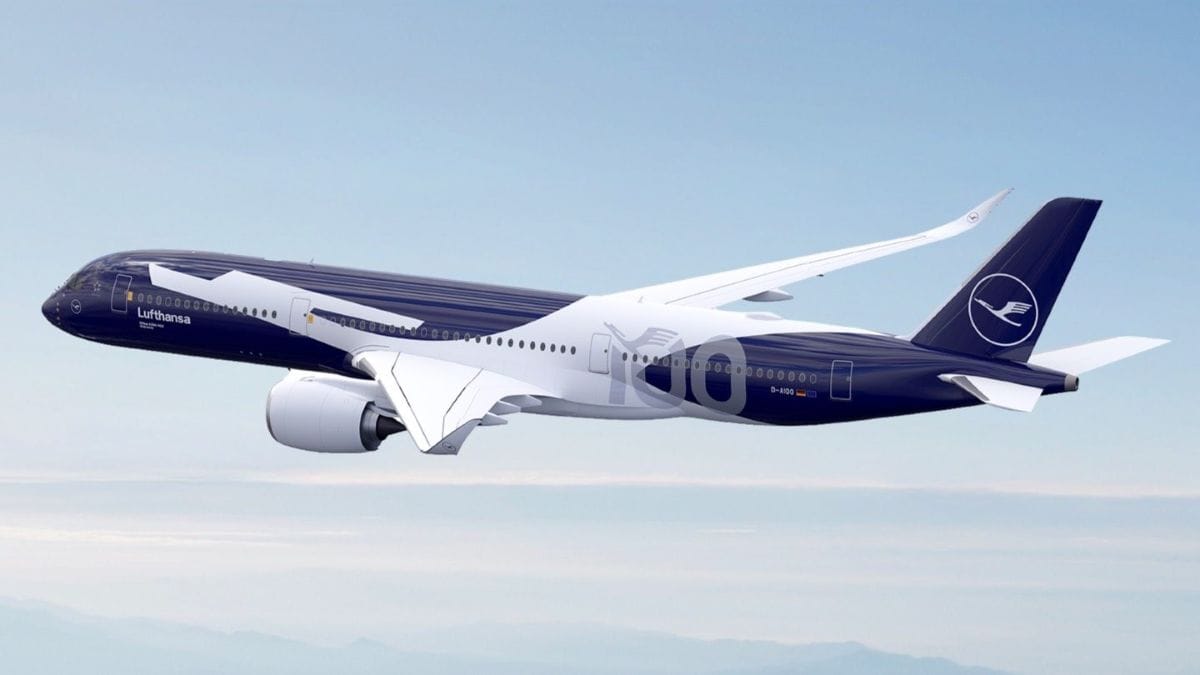
Lufthansa is increasing fuel loads on selected flights bound for Frankfurt Airport as pipeline maintenance tightens aviation fuel supplies at Germany’s largest air hub. The precautionary measure, reported on 15 October 2026, aims to reduce dependence on refuelling facilities in Frankfurt while supply capacity remains constrained. Airport operator Fraport says alternative delivery routes and available storage should prevent a bottleneck, while Lufthansa does not currently expect flight cancellations. The reported measures include additional fuel carried from departure airports, with a cap of eight tonnes on Airbus A320-family aircraft, according to Bild. For travellers, the development highlights the importance of fuel logistics to airline reliability, although neither widespread disruption nor cancellations have been announced.
Frankfurt Faces a Temporary Fuel Supply Challenge
Frankfurt Airport is a critical gateway for international travel, connecting European destinations with long-haul markets across the world. Any constraint affecting its aviation fuel infrastructure therefore attracts attention from airlines, passengers and the wider tourism industry.
Lufthansa confirmed that it had increased fuelling before flights arriving in Frankfurt as a precaution against tighter supplies. The immediate issue concerns reduced capacity on a pipeline supplying the airport with jet fuel during routine maintenance.
However, a tighter supply position does not automatically indicate a shortage of fuel available for aircraft. Fraport has said the maintenance was incorporated into operational planning. It also expects alternative supply routes and sufficient storage capacity to prevent a bottleneck.
Advertisement
Advertisement
The distinction matters for travellers. As of the reported update on 15 October, Lufthansa was not expecting flight cancellations because of the situation. Nevertheless, the airline’s decision indicates that fuel availability requires additional operational planning while pipeline capacity remains reduced.
The reported instructions concern selected routes rather than every service operating into Frankfurt. Bild reported that the measures primarily affected short-haul operations, with some long-haul services increasingly included.
Advertisement
Advertisement
How Extra Fuel Protects Airline Operations
The practice involved is known as fuel tankering. Airlines use it when an aircraft carries more fuel from its departure airport than it would ordinarily need for the planned journey and its required reserves.
Under the reported Lufthansa measures, aircraft departing other airports can arrive in Frankfurt with enough additional fuel to reduce their immediate dependence on local refuelling. Depending on the flight and the quantity carried, an aircraft may require less fuel uplift in Frankfurt or none at all.
Advertisement
Advertisement
This provides a degree of operational flexibility during temporary supply constraints. It can also help airlines manage their schedules without immediately cancelling services or changing destinations.
However, carrying additional fuel involves trade-offs. Fuel itself adds weight, and a heavier aircraft generally consumes more fuel during flight. Tankering can therefore increase fuel consumption and operating costs compared with taking on the required fuel at the most suitable locations.
Airlines must also respect aircraft performance limits, airport ground-handling requirements and applicable fuel-planning rules. The extra load cannot be treated as an unlimited contingency measure.
According to Bild, the reported instructions cap additional fuel at eight tonnes for Airbus A320-family aircraft, allowing these aircraft to remain towable on the ground. That limit relates to the reported operational instructions; it should not be interpreted as a universal fuel-loading limit for every aircraft or route.
Advertisement
Advertisement
The approach offers a temporary buffer rather than a permanent solution. Its effectiveness depends on the availability of fuel at departure airports, aircraft capacity, route length and the duration of the supply constraint.
What Fraport Says About Airport Readiness
Fraport has sought to reassure airlines and passengers that the pipeline maintenance should not impair Frankfurt’s operational capability. Its position rests on two factors: alternative fuel supply routes and available storage capacity.
These arrangements can help an airport manage temporary interruptions in one part of its supply network. However, their effectiveness depends on the scale and duration of the maintenance, the volumes required by airlines and the reliability of alternative deliveries.
Fraport’s statement is particularly relevant because Frankfurt handles substantial passenger and cargo traffic. Its published 2025 figures show that the airport welcomed approximately 63.2 million passengers, representing annual growth of 2.6%. It also handled 460,272 aircraft movements during the year.
The airport’s scale explains why supply resilience matters. Fuel availability must support scheduled departures, incoming aircraft requiring refuelling and the complex turnaround arrangements that keep flights operating on time.
| Frankfurt Airport indicator | Published 2025 figure | Relevance to the current situation |
|---|---|---|
| Annual passenger traffic | 63.2 million | Demonstrates the scale of passenger operations |
| Year-on-year passenger growth | 2.6% | Shows continued growth in demand |
| Aircraft movements | 460,272 | Illustrates the volume of flight operations |
| Destinations served | 301 | Highlights the airport’s international connectivity |
| Countries served | 96 | Shows the breadth of its route network |
Importantly, these figures provide context rather than evidence of an immediate operational crisis. Fraport has not indicated that its overall operating capability has been affected by the maintenance.
Advertisement
Advertisement
What Passengers Should Expect Now
For travellers using Frankfurt as a departure point or connecting hub, the immediate message is measured reassurance. Lufthansa has not announced fuel-related flight cancellations, and Fraport does not expect the maintenance to cause a supply bottleneck.
Passengers should not assume that additional fuel loading will automatically produce delays. Airlines can incorporate fuel requirements into flight planning, while airport operators can coordinate deliveries and storage to maintain continuity.
Nevertheless, travellers with tight connections should continue to monitor their bookings. Operational conditions can change, and the airline’s present assessment does not guarantee that every flight will depart on schedule.
The practical implications vary according to the journey. Passengers travelling directly to Frankfurt may notice no visible change. Those connecting between short-haul European services and long-haul flights should pay particular attention to connection times and any schedule notifications.
| Traveller group | Potential implication | Recommended action |
|---|---|---|
| Passengers flying to Frankfurt | No widespread cancellation programme has been announced | Check the operating airline’s flight status |
| Connecting passengers | Fuel planning alone does not confirm a connection disruption | Allow adequate connection time and monitor updates |
| Travellers on short-haul routes | These services feature prominently in the reported tankering measures | Check departure information before leaving for the airport |
| Long-haul passengers | Some long-haul services may also be affected by additional fuel planning | Follow airline notifications and retain booking details |
| Passengers with onward rail or hotel bookings | An unexpected schedule change could affect subsequent arrangements | Review amendment and cancellation terms |
These are precautionary recommendations, not predictions of disruption. There is currently no confirmed evidence in the reported information that passengers need to change their itineraries.
Why Fuel Tankering Has Trade-Offs
Although fuel tankering can provide flexibility, it is not necessarily the most economical or environmentally efficient option. The additional weight increases fuel burn, potentially offsetting some of the operational benefits.
Advertisement
Advertisement
The financial implications depend on several variables. These include the price of fuel at the departure airport, the amount carried, aircraft efficiency and the fuel that would otherwise have been purchased in Frankfurt.
For an airline, the decision involves balancing additional fuel costs against the potential consequences of insufficient refuelling flexibility. Those consequences could include schedule changes, additional ground time or the need to adjust an aircraft’s operating plan.
There are also wider environmental considerations. Carrying unnecessary weight can increase emissions per flight, although the overall effect depends on the quantity of additional fuel and the journey involved.
Tankering is therefore best understood as a contingency measure, not a preferred long-term operating model. Its value increases when supply uncertainty threatens operational continuity, but its costs can make routine use unattractive.
The reported eight-tonne cap for A320-family aircraft also illustrates the need to consider ground operations. Aircraft must remain compatible with towing and other handling procedures, particularly at a major hub where aircraft movements and turnaround coordination are tightly managed.
How Frankfurt Compares With Earlier Traffic Levels
Frankfurt’s current fuel planning issue should be distinguished from its broader traffic recovery. The airport recorded 61.6 million passengers in 2024 before reaching 63.2 million in 2025. That represents an increase of approximately 1.6 million passengers in one year.
Advertisement
Advertisement
The increase reinforces Frankfurt’s importance to airline networks, but it does not establish a direct link between passenger growth and the pipeline maintenance. The immediate constraint concerns fuel delivery capacity, rather than a reported failure of airport infrastructure or a confirmed inability to supply aircraft.
The comparison also shows why airports need contingency planning as traffic volumes rise. Strong connectivity depends not only on runways, terminals and airline schedules, but also on fuel distribution, ground handling and other essential services.
| Measure | 2024 | 2025 |
|---|---|---|
| Passenger traffic | 61.6 million | 63.2 million |
| Year-on-year growth | 3.7% | 2.6% |
| Destinations served | 311 | 301 |
| Countries served | 98 | 96 |
The data shows that Frankfurt’s passenger volumes increased even as its published destination count changed. For travel businesses, the broader lesson is that hub performance depends on several operational systems working together, not passenger numbers alone.
What Airlines Must Monitor Next
The next important development will be whether pipeline maintenance proceeds as planned and whether normal fuel delivery capacity returns without complications. Lufthansa’s additional fuelling measures provide short-term flexibility, while Fraport’s assessment suggests that existing supply arrangements should absorb the constraint.
Airlines will need to review fuel availability across their networks, particularly at departure airports supplying aircraft bound for Frankfurt. They must also consider aircraft performance, fuel prices and the operational consequences of carrying additional weight.
For travel managers, tour operators and corporate travel planners, the situation underlines the importance of contingency planning at major connecting hubs. However, the available information does not establish a wider aviation fuel shortage across Germany.
Advertisement
Advertisement
Passengers should rely on confirmed airline communications rather than assume that the precaution signals imminent disruption. Any subsequent change in flight schedules or airport operations would need separate confirmation.
What This Means for Global Travel
The Frankfurt development illustrates how an infrastructure constraint can influence airline planning before passengers experience any visible disruption. Fuel pipelines, storage facilities and alternative delivery routes are essential components of aviation resilience, particularly at major international hubs.
For Lufthansa, carrying additional fuel offers a temporary means of reducing dependence on Frankfurt’s refuelling capacity. For Fraport, the immediate priority is maintaining normal airport operations while routine maintenance continues. Both approaches aim to protect continuity without introducing unnecessary changes to passenger schedules.
The situation remains precautionary, with no fuel-related flight cancellations currently expected. Travellers should nevertheless check their flight status before departure and monitor official updates. The key question is whether alternative supplies can sustain normal operations until pipeline capacity returns.
Frequently Asked Questions
1. Why is Lufthansa carrying extra fuel on flights to Frankfurt?
Lufthansa is increasing fuel loads on selected Frankfurt-bound flights because pipeline maintenance has reduced the capacity of a fuel supply line serving Germany’s largest aviation hub. The precaution aims to reduce aircraft dependence on refuelling facilities at Frankfurt Airport.
2. Will Frankfurt Airport face flight cancellations because of jet fuel shortages?
Lufthansa has said it does not currently expect fuel-related flight cancellations. Airport operator Fraport also expects alternative supply routes and available storage capacity to prevent a supply bottleneck.
Advertisement
Advertisement
3. What is fuel tankering in aviation?
Fuel tankering is the practice of carrying more fuel than normally required for a particular flight, allowing an aircraft to reduce or avoid refuelling at its destination. Airlines may use this measure temporarily when fuel availability or operating conditions require additional flexibility.
4. How much extra fuel can Lufthansa Airbus A320 aircraft carry?
According to Bild’s report, Lufthansa’s instructions cap additional fuel at eight tonnes for Airbus A320-family aircraft. The reported restriction helps ensure that aircraft can still be towed on the ground.
5. How will Lufthansa’s fuel measures affect passengers travelling to Germany?
Passengers may experience no visible change because the measures are intended to maintain normal flight operations. Travellers should nevertheless check their flight status and airline notifications, particularly when connecting through Frankfurt Airport.
6. Is Frankfurt Airport experiencing a wider aviation fuel shortage?
The reported issue concerns reduced pipeline capacity during routine maintenance, rather than a confirmed airport-wide fuel shortage. Fraport says alternative delivery routes and storage capacity should help maintain supplies.
7. Will Lufthansa’s additional fuel increase flight costs or emissions?
Carrying additional fuel increases aircraft weight and can raise fuel consumption and operating costs. The overall impact depends on the amount carried, flight distance, aircraft type and the fuel prices at departure and destination airports.
8. When will Frankfurt Airport’s jet fuel supplies return to normal?
The reported information does not specify when normal pipeline capacity will be fully restored. The situation depends on the maintenance schedule and the performance of alternative supply arrangements.
Advertisement
