
Cambodia Reviving Siem Reap Tourism in 2026 With Special Travel Campaigns to Attract More Tourists Beyond Angkor Wat

Published
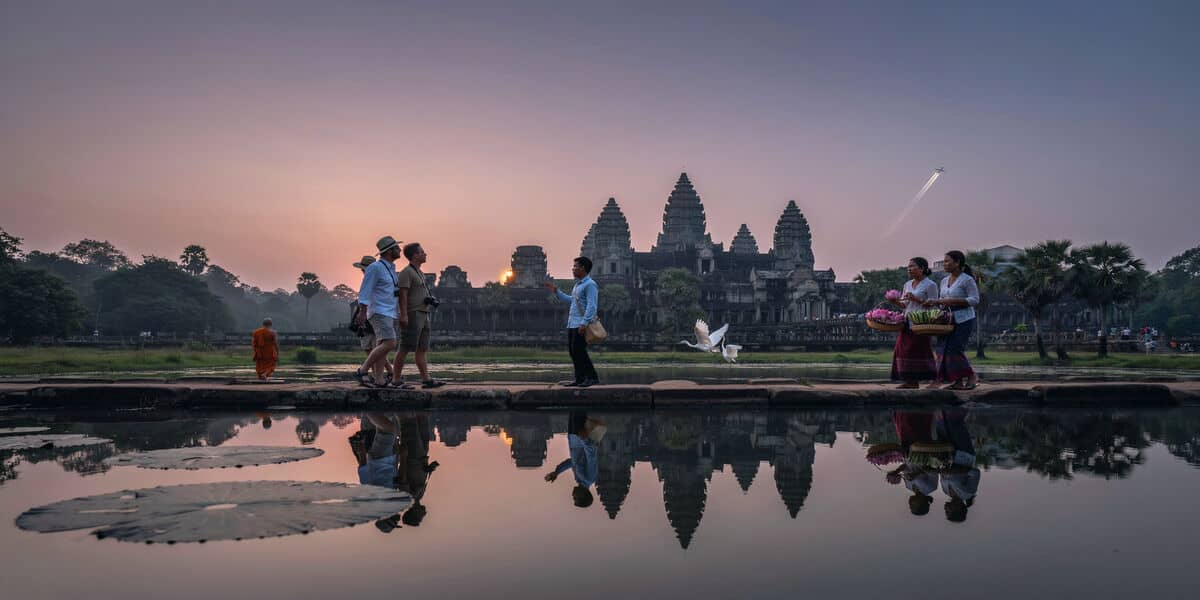
Image generated with Ai
Cambodia is building back its tourism in 2026 with new campaigns.Better connectivity and more travel experiences all geared towards encouraging people to return to Siem Reap after a slowdown in international travel, which impacted businesses near Angkor Wat. Siem Reap’s tourism recovery strategy is focused on local communities and tourism businesses.
Cambodia is launching a major tourism recovery push in 2026 as Siem Reap works to restore international visitor demand after a sharp decline in foreign arrivals to the world-famous Angkor temple complex. The fall in visitors has created pressure on hotels, restaurants and tourism workers, forcing some businesses to reduce staff and services. Cambodia is now using new campaigns, better infrastructure and wider tourism experiences to rebuild confidence and bring travellers back.
Advertisement
Advertisement
Why Is Cambodia Urgently Reviving Siem Reap Tourism in 2026?
Siem Reap is the heart of Cambodia’s cultural tourism industry. The city attracts visitors from around the world because of Angkor Wat and the wider Angkor Archaeological Park. For many years, international travellers have come to explore the ancient Khmer civilization, historic temples and unique heritage experiences.
However, fewer foreign visitors have created serious challenges for the local tourism economy. Hotels, restaurants, transport operators and small businesses that depend on travellers have faced lower demand. Some accommodation providers have reduced workers and cut back on guest services to manage the difficult period.
Advertisement
Advertisement
The Cambodian government now wants to rebuild Siem Reap as a strong global tourism destination. The focus is not only on bringing back visitors but also on creating a stronger and more sustainable tourism model.
Advertisement
Advertisement
How Is Cambodia Using Special Campaigns to Attract More Tourists?
One of Cambodia’s biggest moves in 2026 is the “Visit Cambodia in the Green Season” campaign. The initiative targets the traditional low travel period and encourages visitors to experience Cambodia during the rainy season.
The campaign offers attractive discounts on tourism services in Siem Reap, including accommodation and travel experiences. Some tourism providers are offering discounts of up to 50% to encourage more visitors during slower months.
This strategy aims to change the way tourists view Cambodia. Instead of visiting only during peak seasons, travellers are encouraged to explore the country throughout the year.
Advertisement
Advertisement
The campaign also supports local businesses. More visitors mean more demand for hotels, restaurants, guides, drivers and cultural experiences. It helps spread tourism income across the local economy.
Is Cambodia Moving Beyond Angkor Wat to Create New Tourism Experiences?
Cambodia understands that relying only on Angkor Wat creates challenges. While the ancient temple remains the country’s biggest attraction, officials are now promoting a wider range of experiences.
Advertisement
Advertisement
The country is expanding its focus towards cultural tourism, community-based tourism, nature tourism and ecological experiences. The goal is to encourage travellers to stay longer and explore more destinations beyond the famous temples.
Visitors are being encouraged to discover traditional villages, local crafts, Khmer culture, countryside landscapes and natural attractions. This approach can create new opportunities for communities outside the main tourism areas.
By offering more experiences, Cambodia hopes to transform Siem Reap from a short temple visit destination into a complete holiday destination.
How Are New Airports Supporting Cambodia’s Tourism Growth?
Better air connectivity is another important part of Cambodia’s tourism recovery plan. The country has invested in modern airport infrastructure to make travel easier for international visitors.
The opening of Siem Reap–Angkor International Airport has improved access to the region surrounding Angkor Wat. Cambodia has also developed Techo International Airport near Phnom Penh to strengthen national aviation capacity and support future tourism growth.
Advertisement
Advertisement
Improved airports can help Cambodia attract more international flights and make the country more competitive in Southeast Asia’s tourism market.
For Siem Reap, easier access is essential. Many international visitors plan their Cambodia trips around Angkor Wat, so stronger air links can directly support hotel occupancy, tour demand and local employment.
How Is Cambodia Protecting Angkor Wat While Growing Tourism?
Cambodia is also focusing on protecting its priceless heritage. Angkor Wat is not only a tourism attraction but also a symbol of Khmer history and identity.
Tourism growth must be balanced with conservation. Authorities have worked on improving visitor management and protecting the surrounding environment. UNESCO-supported efforts have included improving visitor infrastructure and managing tourist movement around the heritage site.
The challenge is creating a tourism experience that welcomes visitors while protecting ancient structures for future generations.
Advertisement
Advertisement
A stronger conservation approach can also improve visitor confidence. Modern travellers increasingly look for destinations that protect culture, nature and local communities.
What Does Cambodia’s Tourism Future Look Like?
Cambodia’s 2026 tourism recovery strategy shows a clear message: the country wants to rebuild stronger than before. The focus is not only on increasing visitor numbers but also on creating a more balanced tourism industry.
Siem Reap remains the centre of this transformation. Angkor Wat continues to attract global attention, but Cambodia is now adding new experiences, better connectivity and stronger promotional campaigns.
The road ahead remains challenging. International travel patterns are changing, and competition from other Southeast Asian destinations is increasing. However, Cambodia’s combination of heritage, culture, nature and improved infrastructure gives it strong potential.
If successful, the revival plan could help Siem Reap return as one of Asia’s most powerful cultural tourism destinations while creating new opportunities for local communities and businesses.
The projected revival of tourism in 2026 goes beyond the resumption of travel to Siem Reap. There is a need to develop the community’s confidence. Additionally, Cambodia aims to develop its community to sustain its future travel industry and the economy. While Angkor Wat is vital to all of Cambodia’s history and will remain vital, Cambodia is now offering travelers more by showing that the country has an abundance of offerings outside of its historic temples. Cambodia is addressing its challenges through the development of diverse tours and travel campaigns as well as greater connectivity. The recovery’s overall success is dependent on Cambodia’s ability to draw the right balance between travel experiences that Protect its sites and attractions.
Advertisement
