
American Airlines and Southwest Report Over 2,000 US Flight Delays Amid Technology Disruption

Published
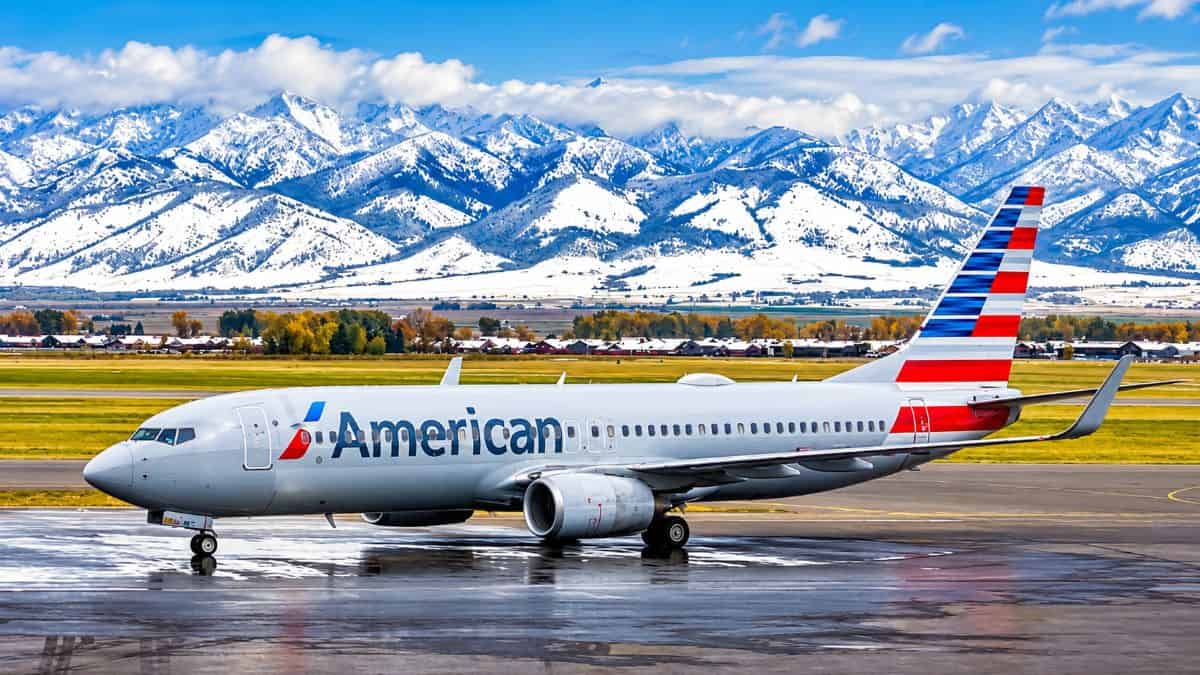
American Airlines and Southwest report over 2,000 US flight delays amid technology disruption, affecting travellers nationwide. American Airlines confirmed a vendor-related problem involving bookings and check-in services, while Southwest reported separate delays. Despite widespread disruption, Dallas-area airports experienced comparatively limited impacts, highlighting operational challenges across the American aviation network.
American Airlines and Southwest Face Widespread Flight Delays Across the United States
American Airlines and Southwest Airlines experienced significant operational disruption across the United States on Friday, 23 October 2026, with more than 2,000 combined flight delays reported nationwide. The disruption affected domestic aviation operations during a busy travel period, raising concerns about airline technology reliability, passenger communication and the ability of carriers to maintain consistent schedules.
According to The Dallas Morning News, citing flight-tracking information from FlightAware, both airlines recorded substantial delays throughout the day. However, the circumstances surrounding their operations were different.
American Airlines confirmed that a technology vendor problem had temporarily affected some customers’ ability to book tickets and check in for flights. Southwest Airlines separately clarified that its flight delays were unrelated to the technology outage affecting American.
Advertisement
Advertisement
The distinction is important because the combined delay figures represent two airlines experiencing operational difficulties rather than evidence of a single system failure across the US aviation industry.
American Airlines Confirms Vendor Technology Outage Affecting Passenger Services
American Airlines, headquartered in Fort Worth, Texas, acknowledged that an external technology problem had disrupted certain customer-facing services.
Advertisement
Advertisement
The issue affected some passengers attempting to make flight reservations and complete check-in procedures. These functions are essential to airline operations because they help manage passenger records, boarding arrangements and airport processing.
American Airlines advised customers travelling that day to arrive at airports earlier than usual while the company worked with its technology provider to resolve the disruption.
The carrier also apologised for the inconvenience caused to travellers.
Shortly after 2.30 pm local time, American Airlines confirmed that the issue had been resolved and its systems were operating normally.
Although the technology interruption was temporary, the incident demonstrated how problems involving third-party digital services can affect passengers even when aircraft and airport infrastructure remain operational.
The airline did not publicly identify the vendor in the reporting reviewed. The precise technical cause and the number of flight delays directly attributable to the outage were also not established.
Advertisement
Advertisement
Southwest Airlines Records Separate Flight Delays Across Its Network
Southwest Airlines also experienced substantial flight delays on Friday, contributing to the combined nationwide total.
However, the Dallas-based airline clarified that its operational delays were not connected to the vendor technology problem experienced by American Airlines.
This confirmation ruled out a shared technology outage as the explanation for both carriers’ disruption.
Southwest operates an extensive domestic network linking major metropolitan airports, regional destinations and leisure travel markets. Delays across such networks can create scheduling difficulties when aircraft and crews operate multiple flights throughout the day.
A late arrival at one airport may affect subsequent departures elsewhere, particularly when aircraft turnaround times are limited.
Nevertheless, the available reporting did not establish a single confirmed cause for Southwest’s delays on 23 October.
Advertisement
Advertisement
It would therefore be inaccurate to attribute the airline’s nationwide delays specifically to a technology failure, weather conditions or air traffic restrictions without additional operational evidence.
Dallas Fort Worth and Love Field Experience Comparatively Limited Impacts
Despite the nationwide disruption, operations at Dallas Fort Worth International Airport and Dallas Love Field appeared comparatively less affected.
According to FlightAware figures cited by The Dallas Morning News, American Airlines had recorded more than 200 delayed flights at Dallas Fort Worth International Airport by approximately 2.05 pm local time.
Southwest Airlines had recorded approximately 70 delayed flights at the corresponding reporting point.
Dallas Fort Worth is American Airlines’ principal hub and one of the most important connecting airports in its global network. Dallas Love Field is a major operating base for Southwest Airlines.
Both airports support substantial passenger movements, making operational reliability particularly important for connecting travellers and passengers undertaking domestic journeys.
Advertisement
Advertisement
However, these figures represented a snapshot rather than final daily totals. They also did not establish which US airports experienced the greatest disruption.
Technology Reliability Becomes an Important Issue for US Airlines
The American Airlines incident highlights the aviation industry’s increasing dependence on external technology providers.
Modern airlines rely on interconnected digital platforms to support reservations, passenger check-in, boarding, baggage handling and flight information.
When one of these services becomes unavailable, customers may encounter difficulties completing essential travel procedures.
Airlines must therefore maintain effective contingency arrangements, communicate service interruptions quickly and coordinate recovery with technology partners.
For passengers, the consequences can include longer airport processing times, uncertainty about booking status and additional pressure when managing connecting flights.
Advertisement
Advertisement
However, a disruption to booking or check-in technology does not automatically mean that every delayed flight was caused by that problem.
Distinguishing between technical interruptions and wider operational delays remains essential for accurate aviation reporting.
Airlines Focus on Passenger Communication and Operational Recovery
The incident also underlines the importance of timely communication during disruption.
Passengers increasingly depend on airline websites, mobile applications and digital notifications for information about flight status, boarding arrangements and alternative travel options.
When these systems experience problems, airport staff and customer service teams become particularly important.
Airlines can reduce uncertainty by issuing clear updates, identifying affected services and explaining when normal operations have resumed.
Advertisement
Advertisement
American Airlines’ confirmation that its systems were operating normally shortly after 2.30 pm provided an important recovery update.
Nevertheless, the restoration of a technology service does not necessarily resolve every operational delay already recorded during the day.
Aircraft availability, crew scheduling, airport conditions and onward connections can continue to influence recovery.
For the wider aviation industry, the incident reinforces the importance of resilient technology infrastructure and reliable passenger information.
“The recent flight delays involving American Airlines and Southwest Airlines highlight the growing importance of operational resilience, technological innovation and transparent passenger communication across the aviation industry. Airlines today manage highly interconnected networks where reliable digital infrastructure plays an essential role in delivering efficient travel experiences. American Airlines’ swift confirmation that its technology systems had returned to normal demonstrates the value of responsive communication and coordinated recovery efforts.
Equally, Southwest Airlines’ clarification regarding its separate operational circumstances reinforces the importance of accurate information during widespread disruption. Looking ahead, airlines have significant opportunities to strengthen customer confidence through smarter technology investments, improved contingency planning and more personalised passenger support. The aviation industry continues to demonstrate remarkable adaptability, and these experiences can encourage further improvements in service reliability. For travellers, timely updates, accessible assistance and dependable airline operations remain fundamental to a positive journey, particularly during periods of unexpected disruption.”, says Anup KUmar Keshan, Founder and Editor-in-Chief, Travel And Tour World
Advertisement
Advertisement
American Airlines and Southwest’s combined flight delays underline the importance of reliable airline operations and effective passenger communication. While American resolved its vendor-related technology issue, Southwest’s delays remained separate. The disruption highlights why technology resilience, operational coordination and timely travel updates are essential for maintaining passenger confidence across US aviation.
Dallas Fort Worth International Airport remains one of the most important aviation hubs in the United States. Travel And Tour World ranked DFW seventh in its Top 50 Airports in the Americas for 2026, published through EIN Presswire. The airport also secured 18th position in TTW’s 50 Best Airports in the World for 2026, distributed through PR Newswire. Both rankings highlight the growing importance of advanced technology and digital infrastructure in modern airport operations.
Advertisement
