
French Riviera Travel Growth Driven by Nice and Cannes Coastal Dining and Lifestyle Expansion, Everything You Need to Know

Published
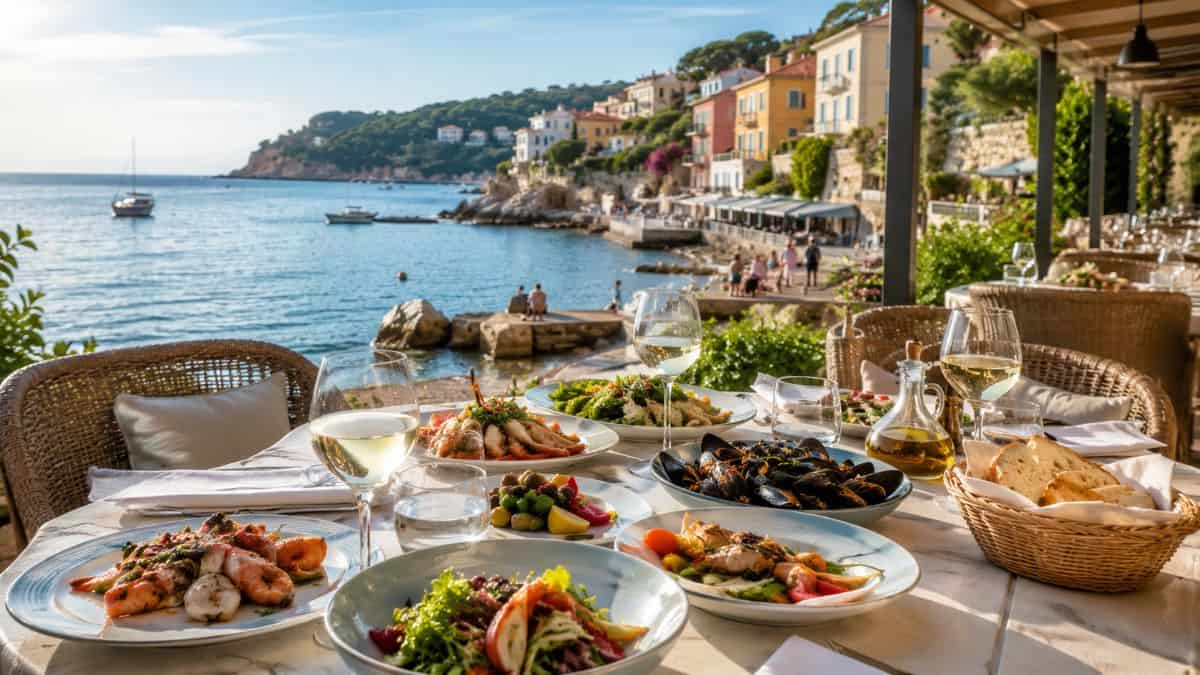
France’s French Riviera in southern France is increasingly consolidating itself as one of the top tourist destination destinations along European coastlines as a result of increasing consumer preference for lifestyle tourism, water dining, and experiential tourism. Tourist sites like Nice, Cannes, Monaco, and Antibes are increasingly drawing tourists in search of Mediterranean food, culture, and leisure.
Against this backdrop, Old Antibes, a part of the French Riviera, has recently added a new waterfront dining and entertainment site in proximity to Port Vauban.
Old Antibes Strengthens Position as a Mediterranean Coastal Tourism Hub
Antibes, located between Nice and Cannes in the Alpes-Maritimes region of France, is a historic coastal town known for its old port, fortified walls, and vibrant maritime heritage. The area continues to evolve as a tourism destination blending historical architecture with modern hospitality developments.
The Old Town and waterfront zones of Antibes are increasingly becoming focal points for leisure tourism, particularly for travellers seeking a more relaxed alternative to the busier hubs of Cannes and Monaco.
Advertisement
Advertisement
The development of new dining and entertainment venues along the waterfront contributes to the diversification of Antibes’ tourism economy, reinforcing its role within the broader French Riviera travel network.
Mediterranean Dining Culture Expands Across Côte d’Azur
Mediterranean cuisine remains a central component of tourism experiences across the French Riviera, with strong emphasis on fresh seafood, seasonal produce, and regional culinary traditions.
Advertisement
Advertisement
Coastal destinations in southern France, including Nice, Marseille, Cannes, and Antibes, continue to develop dining concepts that highlight both local ingredients and international culinary influences.
This gastronomic evolution supports France’s broader tourism strategy, where culinary tourism plays a key role in attracting international visitors from Europe, North America, and Asia.
Waterfront dining venues across the Côte d’Azur are increasingly designed as lifestyle spaces, combining food, music, and social interaction within a single hospitality experience.
Port Vauban Area Enhances Antibes Waterfront Tourism Appeal
Port Vauban, one of the largest marinas in the Mediterranean, plays a central role in Antibes’ tourism identity. The area is known for its luxury yachts, coastal views, and proximity to historic Old Town streets.
The surrounding waterfront district has become an important tourism zone, supporting restaurants, cafés, and entertainment venues that cater to both international visitors and domestic French tourism.
The integration of dining and leisure spaces in this area reflects broader trends in Mediterranean coastal development, where marina districts are evolving into multifunctional tourism hubs.
Advertisement
Advertisement
French Riviera Strengthens Lifestyle and Evening Economy Tourism
The French Riviera’s tourism model increasingly incorporates lifestyle-based experiences, particularly in destinations such as Nice, Cannes, Antibes, and Saint-Tropez.
Evening economy tourism, including dining, music, and social entertainment, is a growing segment of the region’s hospitality industry. Coastal venues now operate as full-day destinations, transitioning from daytime dining environments to evening social spaces.
This shift reflects global tourism trends in major coastal destinations such as Barcelona, Ibiza, and Amalfi, where hospitality venues integrate food, music, and nightlife into unified visitor experiences.
Mediterranean Culinary Tourism Gains Global Appeal
Mediterranean culinary tourism continues to attract international attention due to its emphasis on freshness, simplicity, and regional identity.
Southern France plays a key role in this segment, with Provence-Alpes-Côte d’Azur recognised as one of Europe’s most influential culinary regions. Dishes based on seafood, olive oil, herbs, and seasonal vegetables remain central to the dining identity of the region.
The integration of modern culinary techniques with traditional Mediterranean flavours is increasingly shaping restaurant development across the French Riviera.
Advertisement
Advertisement
Design-Led Hospitality Enhances French Coastal Experience
Hospitality design across the French Riviera has evolved significantly, with increasing emphasis on architecture, ambience, and immersive guest environments.
Waterfront venues in Antibes and surrounding Riviera towns are incorporating natural materials, open terraces, and coastal-inspired aesthetics to align with the Mediterranean environment.
Design-led hospitality is a key factor in differentiating Riviera destinations within Europe’s competitive luxury tourism market, particularly when compared with coastal regions in Italy, Spain, and Greece.
These design trends contribute to the creation of distinctive destination identities that combine heritage, modernity, and lifestyle appeal.
Côte d’Azur Tourism Strengthens International Visitor Demand
The Côte d’Azur remains one of France’s most visited tourism regions, attracting millions of international travellers each year.
Key source markets include the United Kingdom, Germany, the United States, the Middle East, and East Asia. Visitors are drawn to the region’s coastal landscapes, cultural heritage, luxury hospitality, and Mediterranean climate.
Advertisement
Advertisement
Destinations such as Nice Côte d’Azur Airport, Cannes Film Festival region, and Monaco’s luxury district contribute to the global visibility of the French Riviera as a premier tourism destination.
The continued development of waterfront hospitality experiences supports sustained tourism growth across the region.
Old Antibes Reinforces French Riviera’s Position as a Global Coastal Tourism Destination
Expanding water front restaurants and leisure activities in the Old Antibes area demonstrate continuous development of the French Riviera into an elite tourist destination. The focus on Mediterranean food, culture, and experiential hospitality has made the Côte d’Azur even more appealing to international visitors.
Developing destinations like Antibes, Nice, and Cannes show that the French Riviera is still an important destination in the context of world coastal tourism.
Advertisement
