
Chile, Peru And More Countries Are Under Threat As Fresh Floods Ravage Andes, Threatening Tourists And South America Tourism

Published
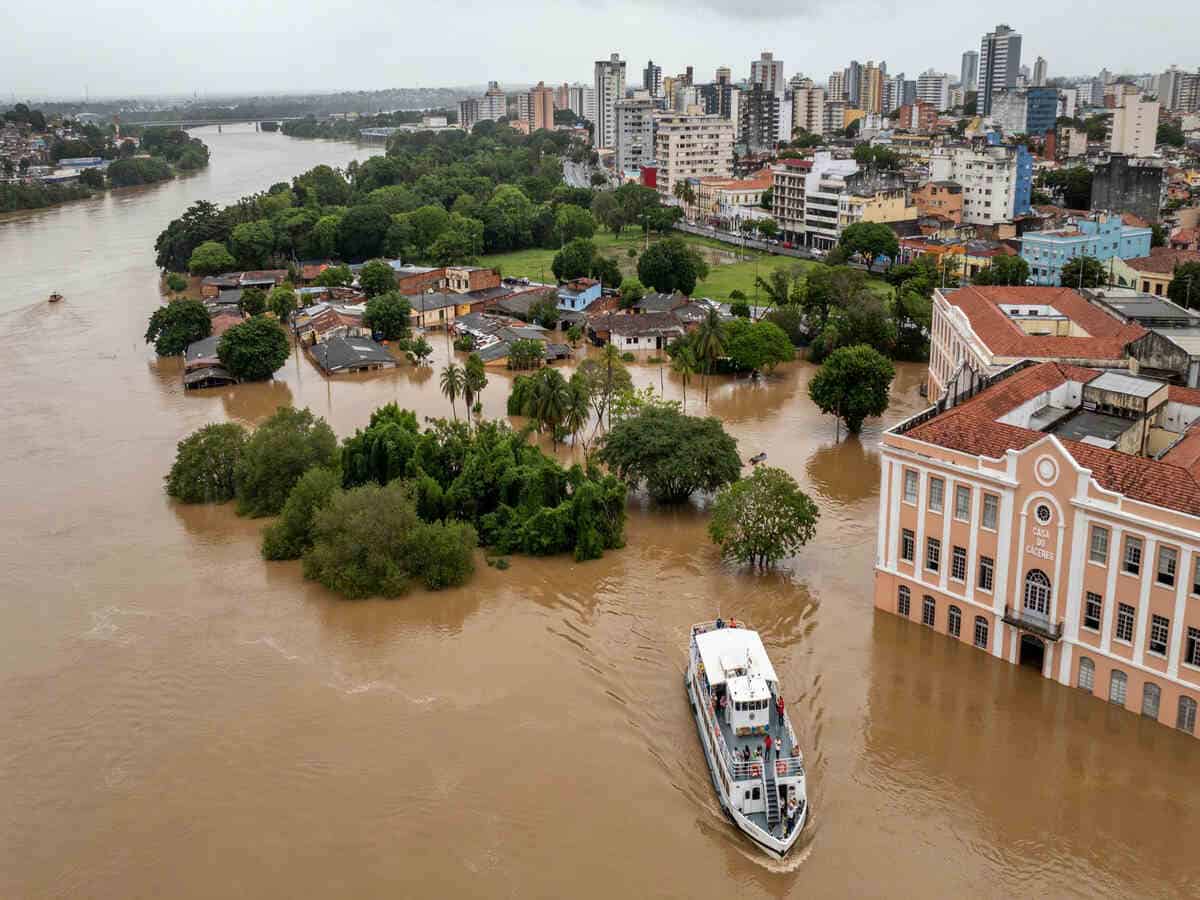
Image generated with Ai
Chile, Peru and Bolivia are at risk of Andes floods and landslides as powerful weather emergency spreads through the mountain region affecting. Chile, Peru and Bolivia, threatening both tourists and South America tourism, and sending authorities into emergency mode as they warn that extreme weather could impact up to 1.2 million people.
A powerful weather emergency is spreading across the Andes, leaving Chile, Peru and Bolivia under intense pressure as floods, heavy snowfall and mudslides hit mountain regions and threaten one of South America’s most valuable tourism landscapes.
Peru has declared emergency measures as authorities warn that extreme weather conditions could affect up to 1.2 million people, sending authorities into emergency mode as they warn that extreme weather could impact communities, transport networks and tourism destinations.
The Andes are the backbone of South America’s adventure tourism industry. The mountain chain attracts millions of visitors every year with ancient cities, dramatic landscapes, glaciers, trekking routes and cultural experiences. From Peru’s world-famous Machu Picchu to Chile’s Patagonia wilderness and Bolivia’s high-altitude attractions, tourism depends on stable weather, safe roads and reliable access.
Advertisement
Advertisement
However, the latest disaster has exposed the growing vulnerability of mountain tourism. Floodwaters, landslides and snow-related hazards are creating uncertainty for travellers and putting pressure on local communities that depend heavily on tourism income.
The crisis is not only a natural disaster. It is becoming a major challenge for the tourism economy of the Andes region.
Advertisement
Advertisement
Peru Becomes the Centre of the Andes Crisis as Flood Threats Expand
Peru is facing the most serious tourism concerns as authorities prepare for widespread impacts from extreme weather. The country has identified hundreds of vulnerable areas where flooding, mudslides and weather-related damage could affect communities and infrastructure. (Reuters)
Advertisement
Advertisement
Peru’s mountain regions are particularly exposed because many important tourism destinations are located in steep valleys and remote areas. These areas rely on roads, railways and mountain pathways that can quickly become dangerous during heavy rainfall.
The country’s tourism industry depends on millions of visitors travelling through the Andes every year. Major attractions include:
- Machu Picchu
- Cusco
- Sacred Valley
- Inca Trail
- Rainbow Mountain
- High-altitude villages and cultural destinations
These destinations generate income for thousands of people, including guides, hotel workers, restaurant owners, transport operators and local artisans.
When floods and mudslides damage transport routes, the impact spreads far beyond the affected areas. A blocked road or railway can interrupt entire tourism supply chains.
Machu Picchu And Ancient Inca Routes Face Weather Pressure
Machu Picchu remains one of the strongest symbols of South American tourism. The ancient Inca citadel attracts travellers from across the world and supports a large tourism economy around Cusco.
Advertisement
Advertisement
However, reaching Machu Picchu requires visitors to travel through vulnerable mountain areas. Tourists often depend on:
- Mountain railways
- Bus routes
- Trekking paths
- Remote roads
Heavy rainfall and landslides can create sudden disruptions, forcing changes to travel schedules and affecting thousands of visitors.
The danger is not limited to the archaeological site itself. The wider tourism network surrounding Machu Picchu is also at risk.
Local communities near Cusco rely heavily on tourism spending. A decline in visitor movement can immediately affect:
- Small hotels
- Family restaurants
- Local markets
- Trekking companies
- Cultural tourism operators
For many communities, tourism is the main economic connection to the outside world.
Advertisement
Advertisement
Chile’s Andes Tourism Faces New Challenges From Floods And Mountain Hazards
Chile’s side of the Andes is also facing growing concerns as extreme weather affects mountain environments.
Chile is known globally for its spectacular natural tourism attractions, including:
- Patagonia landscapes
- Glacier regions
- National parks
- Mountain adventure destinations
- Scenic routes through the Andes
The country’s tourism appeal is built around nature. However, nature-based tourism is also the sector most exposed to extreme weather.
Flooding and mudslides can affect tourism operations by damaging roads, limiting access to national parks and creating safety risks for outdoor activities.
Adventure travellers visiting Chile often plan activities such as:
Advertisement
Advertisement
- Hiking
- Glacier exploration
- Mountain camping
- Wildlife journeys
- Scenic driving routes
These experiences depend on safe weather conditions. Sudden storms and unstable mountain conditions can force operators to cancel or modify tours.
Chile’s glacier and mountain regions are also being closely watched because changing climate patterns are increasing concerns about long-term risks in high-altitude areas. The Andes have experienced glacier changes, shifting rainfall patterns and increasing risks from extreme weather events.
Bolivia Tourism Hit as Remote Destinations Become Harder to Reach
Bolivia’s tourism industry faces a different but equally serious challenge. Many of the country’s most popular attractions are located in remote and high-altitude areas where transport access can be difficult during extreme weather.
Important tourism destinations include:
- Salar de Uyuni
- Lake Titicaca region
- Mountain landscapes
- Indigenous cultural communities
- High-altitude adventure routes
Flooding and mudslides can isolate communities and make travel routes unsafe.
Advertisement
Advertisement
Bolivia’s tourism model depends strongly on local communities offering authentic experiences. Many small operators provide accommodation, transportation, guiding services and cultural activities.
When visitors cannot reach these destinations, the economic impact is immediate.
Small tourism businesses often have limited financial protection, meaning even short periods of disruption can create major difficulties.
South America Adventure Tourism Faces a New Era of Weather Risks
The Andes are among the world’s greatest adventure tourism destinations. Travellers come from every continent to experience mountains, glaciers, ancient cultures and remote landscapes.
But extreme weather is changing how tourism operators manage travel experiences.
Advertisement
Advertisement
Companies are now facing increasing pressure to improve:
- Safety planning
- Emergency response systems
- Weather monitoring
- Alternative travel routes
- Tourist communication
Adventure tourism depends on exploration, but safety has become the highest priority.
Tour operators must balance visitor expectations with unpredictable natural conditions.
A dream journey through the Andes can quickly become dangerous if floods block roads, landslides cut access routes or snow affects mountain trails.
Transport Networks Become the Biggest Concern for Travellers
One of the biggest tourism challenges during Andes disasters is transportation.
Advertisement
Advertisement
Mountain tourism depends on fragile connections between cities, airports, villages and attractions.
Floods and landslides can affect:
- Tourist buses
- Railway services
- Mountain roads
- Supply chains
- Emergency access routes
For international visitors, transport disruption can create uncertainty even when major attractions remain open.
A traveller may arrive safely in a country but struggle to reach mountain destinations because connecting infrastructure has been damaged.
This makes real-time weather information and flexible travel planning increasingly important.
Advertisement
Advertisement
Local Tourism Communities Carry the Economic Burden
The impact of the Andes crisis extends beyond tourists.
Millions of people living in mountain regions depend on tourism-related income. When visitor numbers decline, local economies suffer.
The affected groups include:
- Indigenous communities
- Mountain guides
- Farmers supporting tourism supply chains
- Hotel employees
- Restaurant workers
- Transport providers
Tourism is often the bridge between remote communities and international markets.
A disruption in tourism can reduce household income and slow local economic development.
Advertisement
Advertisement
Climate Pressure Raises Long-Term Questions for Andes Travel
The latest crisis highlights a wider challenge facing mountain tourism worldwide.
The Andes are among the most sensitive mountain environments on Earth. Research has shown that the region is experiencing major changes linked to warming temperatures, glacier loss, changing rainfall patterns and increasing risks from floods and other hazards.
The challenge for governments and tourism authorities is finding a balance between protecting natural environments and keeping tourism economies active.
Future tourism in the Andes will likely require:
- Better early warning systems
- Stronger infrastructure
- Improved disaster preparation
- Sustainable tourism planning
- Greater protection for vulnerable communities
Travellers Urged To Stay Alert Before Visiting Andes Destinations
The Andes remain one of the world’s most breathtaking travel regions. The current crisis does not mean tourism has stopped completely, but visitors must prepare carefully.
Advertisement
Advertisement
Travellers planning trips to Peru, Chile or Bolivia should:
- Monitor official weather updates
- Check transport conditions
- Follow local safety instructions
- Avoid risky mountain areas during severe weather
- Choose flexible travel arrangements
The Andes continue to offer unforgettable experiences, but the latest floods and mudslides show the growing power of extreme weather over global tourism.
A Major Warning For South America’s Tourism Future
The floods, snow and mudslides affecting Chile, Peru and Bolivia represent a serious warning for the future of Andes tourism.
The region’s mountains remain a magnet for travellers, but the growing threat of extreme weather is forcing governments, communities and tourism businesses to rethink how they protect visitors and destinations.
For South America, the challenge is clear: preserve the magic of the Andes while preparing for a future where climate risks are becoming impossible to ignore.
Advertisement
