
How Food and Altars Define Day of the Dead in Mexico: Here’s What You Need To Know

Published
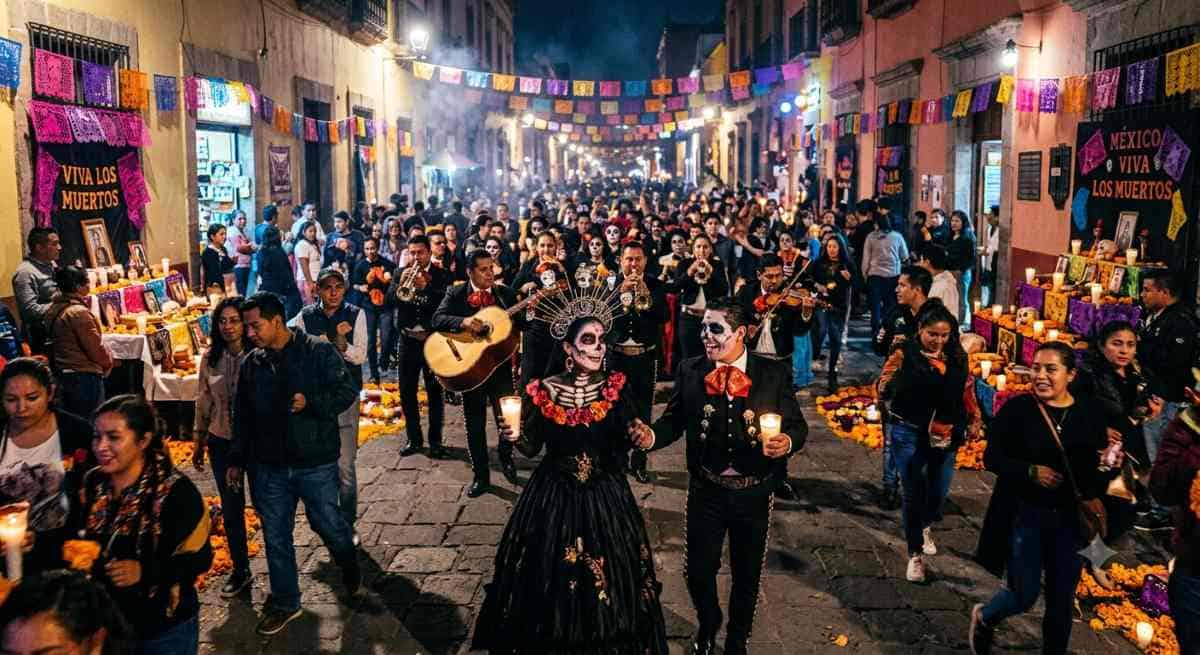
Image generated with Ai
The Day of the Dead is observed annually on November 2. It is a vibrant Mexico holiday. The spirits of loved ones are welcomed home. Families gather for this special occasion. It is a time for altars and food. People remember those who have passed away. This day is a joyous celebration of life. It highlights enduring human connections.
The Ancient Roots of Our Cultural Heritage
The history of this event is very old. Indigenous people in Mexico started these rituals. These practices have existed for 3,000 years. The celebration was once part of the Aztec calendar. It lasted for a full month in the past.
The festival changed during the 20th century. It became a shorter, three-day event. This period is now called The Days of the Dead.
- October 31 marks Halloween.
- November 1 is the Day of the Innocents.
- November 2 is the Day of the Dead.
The spiritual focus remains on guiding souls. The Lady of Death was a key figure. She protected the departed in Aztec mythology. She guided souls through cycles of life and death.
Advertisement
Advertisement
The Famous Iconography of La Catrina
La Catrina is a very famous symbol. She is a towering female skeleton. She wears fancy makeup and a feathered hat. The cartoonist José Guadalupe Posada created her. He worked on this in the early 1900s.
Advertisement
Advertisement
His work had a major impact. He created satirical skeletons called calaveras. These became iconic symbols for the holiday. His most famous piece is La Calavera Catrina. It mixed tradition with social commentary.
The artist Diego Rivera later used this image. He included her in a famous mural. This mural depicts 400 years of history. It shows the artist holding hands with the skeleton.
Essential Traditions of the Altar and Beyond
Families plan for the Day of the Dead all year. They prepare special offerings for the spirits. These gifts help welcome the souls home.
Advertisement
Advertisement
- Toys are left for children.
- Alcohol is provided for adults.
- Jars of atole are set out.
- Graves are decorated with ofrendas.
Marigolds are a very important part of these displays. These bright flowers are used often. People believe they attract the spirits. Their scent guides souls back home from the cemetery.
The holiday is observed across Mexico. The government declared it a public holiday. It is part of official educational policy. The United Nations recognized its importance in 2008. It is now on the list of Intangible Cultural Heritage.
Advertisement
Advertisement
Global Perspectives on Ancestral Remembrance
Other cultures also honor their ancestors. Mexico is not the only place with these traditions.
- China observes the Ghost Festival. It is part of the Buddhist calendar.
- Cambodia celebrates Pchum Ben. It is a time for food offerings.
- North and South Korea observe Chuseok. Families visit ancestral graves.
- Nepal celebrates Gaijatra. This helps people accept the reality of death.
The Modern Legacy of This Cultural Heritage
The Day of the Dead serves as a profound bridge to understanding the Cultural Heritage of Mexico. This celebration transforms traditional views of mortality into a vibrant, communal experience. Below are the key aspects of how this Mexican tradition is observed and its significance to those who participate:
- Vibrant Cemetery Gatherings: During this holiday, cemeteries are filled with life, music, and sound, becoming central locations for community connection.
- Festive Family Dinners: Families gather for large, festive meals to celebrate, fostering unity and joy.
- Commemorative Photo Displays: Loved ones are honored by placing photographs on tables, ensuring the memory of the departed remains vivid and present.
- The Power of Storytelling: Shared stories during these gatherings serve to keep the memory and legacy of deceased relatives alive for future generations.
- The Significance of the Ofrenda: As the heart of the celebration, the ofrenda acts as a sacred, welcoming space designed specifically for returning spirits.
- Symbolic Offerings: Altars are carefully filled with candles and traditional food items, which collectively symbolize enduring love and profound respect.
- A Healthy Approach to Grief: The holiday provides a structured way to process grief, as death is not viewed as a finality, but rather as a natural, new stage of life.
- Global Observance and Connection: Millions of people across the globe observe this day, honoring their Cultural Heritage with a sense of joy and deep, lasting connection.
Advertisement
