
Canada Goes Hand in Hand With Mexico, Argentina, Colombia, and Others as US Campaign Piles Pressure on Cuba’s Hotel Sector, Resulting in a Severe Drop in Tourist Arrivals from Several Countries Throughout the Americas for Six Consecutive Months in 2026

Published
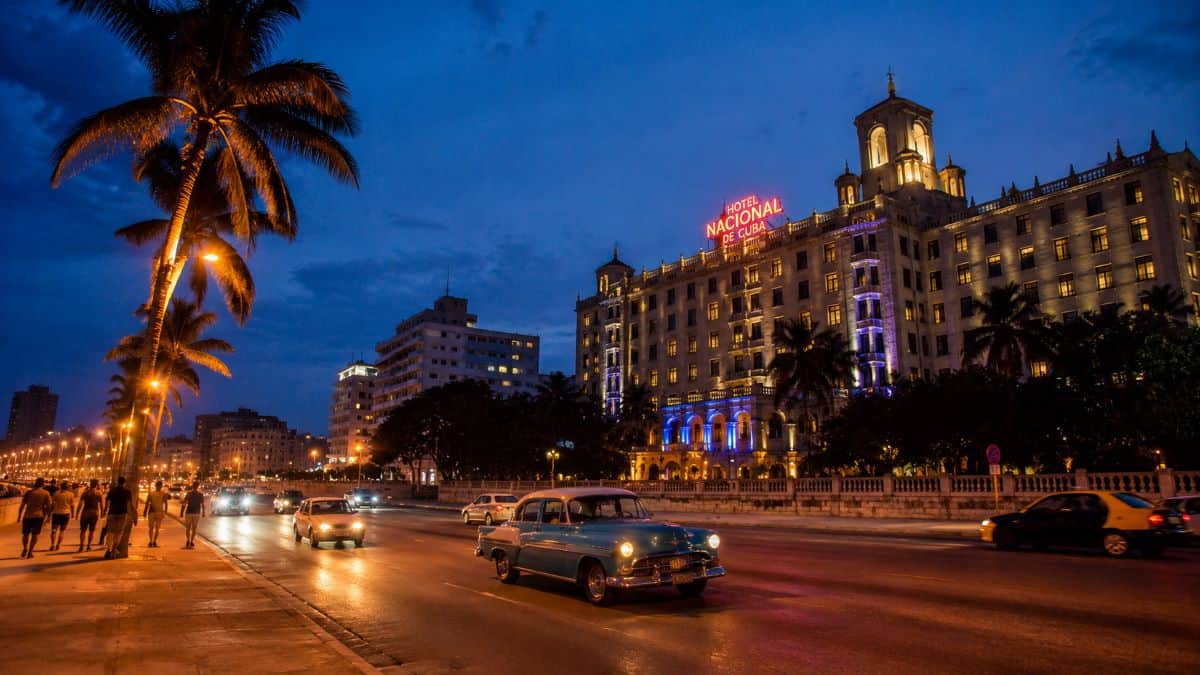
Canada goes hand in hand with Mexico, Argentina, Colombia, and others as the US campaign piles pressure on Cuba’s hotel sector, resulting in a severe drop in tourist arrivals from several countries throughout the Americas for six consecutive months in 2026. The decline is driven by falling visitor demand, reduced international confidence, tighter business restrictions, weaker airline connectivity, and mounting challenges for Cuba’s tourism industry. With major source markets recording sharp declines, hotels and resorts across the island are facing lower occupancy, reduced revenues, and operational pressure, creating one of the most difficult periods for Cuba’s hospitality sector in recent years.
Washington’s Pressure Campaign Empties Cuba’s Hotels as Global Tourism Partners Retreat
The United States has sharply intensified its economic and diplomatic pressure on Cuba, dealing a devastating blow to the island’s hotel and tourism industry. Successive US sanctions targeting companies linked to Cuba’s military-controlled tourism sector have prompted several international hotel operators to scale back or end their presence, while airlines and tour operators have reduced services amid mounting operational and financial risks. Washington’s broader strategy has also increased pressure on foreign governments, investors and travel companies to limit commercial engagement with Cuba, making the destination less attractive for international tourism. The consequences are evident across the island, where many recently built hotels now stand largely empty despite billions invested in expanding accommodation capacity. According to official Cuban tourism data, the country welcomed just 359,491 visitors between January and May 2026, a 58.4% year-on-year decline. The collapse in arrivals has left hotels operating far below capacity, tourism jobs under strain and one of Cuba’s most important economic sectors facing an unprecedented crisis.
Cuba’s Hotel Sector Faces Mounting Pressure as International Tourism Collapses
Cuba’s hotel and resort industry is confronting one of its most severe crises in decades as international visitor demand continues to deteriorate. Official tourism figures show the island welcomed just 359,491 international visitors between January and May 2026, a 58.4% decline from 865,197 during the same period in 2025. Arrivals from the Americas—Cuba’s largest tourism source region—also plunged from 499,946 to 187,864, representing a 62.4% year-on-year decline. The collapse in visitor demand has sharply reduced hotel occupancy, weakened room revenues and forced many resorts to scale back operations, while several international hotel operators have withdrawn or reduced their presence amid tighter US sanctions and operational challenges. Industry data indicates average hotel occupancy fell to just 12.9% in the first quarter of 2026, down from 23.7% a year earlier—less than half the previous level—leaving many beachfront resorts and city hotels operating well below break-even levels and placing thousands of hospitality jobs at risk. If current travel trends persist through June, Cuba’s hotel sector is expected to remain under severe financial pressure throughout the peak summer season.
| Tourism & Hotel Indicator | January–May 2025 | January–May 2026 | YoY Change |
|---|---|---|---|
| Total International Tourist Arrivals | 865,197 | 359,491 | -58.4% |
| Total Tourist Arrivals from the Americas | 499,946 | 187,864 | -62.4% |
| Average Hotel Occupancy (Q1) | 23.7% | 12.9% | -45.6% |
| Projected Hotel Occupancy (June 2026*) | ~23.7% (2025 baseline) | ~10–13% | ~45–58% lower |
*Projection: Based on the sustained collapse in international arrivals, continued decline in the Americas market, and Q1 occupancy trends.
Advertisement
Advertisement
Canada’s Retreat Delivers the Biggest Blow to Cuba’s Hotels and Resorts
Canada remains the most damaging source-market collapse for Cuba’s hotel sector. Arrivals fell from 387,396 in January-May 2025 to 126,239 in January-May 2026, a steep 67.4% decline. If the same pace continues into June, Canadian arrivals could reach only around 151,487 for January-June 2026, compared with an estimated 464,875 in 2025. That means Cuba’s resorts could lose more than 313,000 Canadian visitors in six months alone. For Varadero, Cayo Coco and Holguín, this decline directly weakens occupancy, room revenue, food-and-beverage spending and resort staffing. The fall is especially painful because Canada has traditionally been Cuba’s most reliable tourism market.
Mexico’s Falling Visitor Numbers Deepen Pressure on Cuba’s Tourism Recovery
Mexico is adding another layer of pressure to Cuba’s already struggling hotel sector. Mexican arrivals dropped from 22,407 in January-May 2025 to 14,865 in January-May 2026, marking a 33.7% decline. Based on the current trend, arrivals from Mexico could reach only about 17,838 by the end of June 2026, compared with an estimated 26,888 in the same six-month period of 2025. That projected shortfall of more than 9,000 visitors hurts Havana hotels, city stays and regional leisure demand. With fewer Mexican travellers, Cuba loses an important nearby market that once helped support weekend breaks, cultural tourism and short-haul hotel occupancy.
Advertisement
Advertisement
Argentina’s Tourism Slowdown Adds to Cuba’s Mounting Hotel Challenges
Argentina’s decline is also weighing heavily on Cuba’s hospitality recovery. Arrivals from Argentina fell from 20,043 in January-May 2025 to 14,172 in January-May 2026, a 29.3% drop. If June follows the same run rate, Argentine arrivals could reach only around 17,006 for January-June 2026, compared with an estimated 24,052 in 2025. That would leave Cuba with roughly 7,000 fewer Argentine visitors over six months. For hotels and resorts, this weakens long-haul leisure demand and reduces higher-value stays that often support restaurants, excursions and premium resort services. The decline also shows how Cuba’s tourism crisis is spreading beyond North America into South America.
Colombia’s Declining Travel Demand Intensifies Cuba’s Hospitality Crisis
Colombia’s decline may be smaller in volume, but it is still intensifying Cuba’s hotel-sector crisis. Colombian arrivals dropped from 12,867 in January-May 2025 to 7,016 in January-May 2026, a sharp 45.5% fall. If the current trend continues through June, arrivals could reach only about 8,419 in January-June 2026, compared with an estimated 15,440 in 2025. That would mean a projected loss of more than 7,000 Colombian visitors in six months. For Cuba’s hotels, boutique stays and resort operators, the decline further reduces regional demand from the Americas, deepening occupancy pressure at a time when the island is already facing weaker flights, service disruptions and tighter international confidence.
Frequently Asked Questions (FAQs)
1. Why is Cuba’s hotel sector facing a major crisis in 2026?
Cuba’s hotels are struggling due to a sharp fall in international arrivals, lower occupancy, reduced revenues, weaker flights, and rising operational challenges.
2. How much did tourist arrivals to Cuba decline in 2026?
Cuba recorded 359,491 international visitors from January to May 2026, a 58.4% drop compared with the same period in 2025.
3. Which country’s tourism decline affected Cuba the most?
Canada caused the biggest impact, with arrivals falling 67.4% from January to May 2026, removing a key source of resort visitors.
4. How are US policies affecting Cuba’s tourism industry?
US sanctions and restrictions have increased risks for investors, airlines, hotel groups, and travel companies working with Cuba.
Advertisement
Advertisement
5. Which American markets also reduced travel to Cuba?
Mexico, Argentina, and Colombia also recorded major declines, adding further pressure on Cuba’s hotel occupancy and revenues.
6. How low has Cuba’s hotel occupancy fallen in 2026?
Average hotel occupancy dropped to 12.9% in the first quarter of 2026, compared with 23.7% a year earlier.
7. Which Cuban destinations are most affected by falling arrivals?
Popular resort areas such as Varadero, Cayo Coco, and Holguín are facing weaker occupancy due to declining international visitor demand.
US Campaign Intensifies Pressure on Cuba’s Tourism Economy
The US pressure campaign has become a major factor behind Cuba’s deepening hotel and tourism crisis, as tighter sanctions, restricted business links and reduced confidence among foreign companies continue to weaken the island’s travel sector. The measures have discouraged international hotel groups, tour operators and airlines from expanding Cuba services, while also pushing travellers from key markets across the Americas to reconsider the destination. As arrivals collapse, hotels face lower occupancy, reduced revenues and rising operational strain.
- Sanctions pressure: US measures have targeted companies linked to Cuba’s state-controlled and military-linked tourism sector.
- Hotel sector impact: International hotel operators face greater legal and financial risks when working in Cuba.
- Airline disruption: Reduced travel confidence and operational challenges have weakened flight demand.
- Americas decline: Arrivals from Canada, Mexico, Argentina, Colombia and other regional markets have fallen sharply.
- Resort crisis: Lower visitor numbers are leaving hotels, beach resorts and city properties operating far below capacity.
In conclusion, Canada goes hand in hand with Mexico, Argentina, Colombia, and others as the US campaign continues to pile pressure on Cuba’s hotel sector, resulting in a severe drop in tourist arrivals from several countries throughout the Americas for six consecutive months in 2026. The decline reflects weakening demand from key source markets, reduced international confidence, tighter commercial challenges, and falling air connectivity that have impacted Cuba’s tourism recovery. With fewer visitors arriving from major markets, hotels and resorts are facing lower occupancy, declining revenues, and increasing operational pressure. Cuba’s hospitality sector now faces the urgent challenge of rebuilding international demand and restoring its position within the Americas’ tourism landscape.
Advertisement
