
Saudi Arabia’s Riyadh Airport Announces New Terminal Arrangements for Domestic and International Flights from 25 October 2026

Published
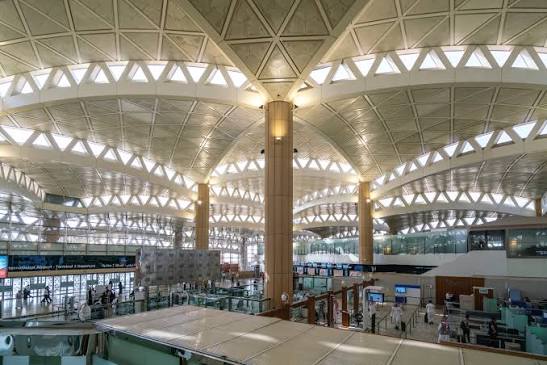
King Khalid International Airport in Riyadh, Saudi Arabia, has announced revised terminal arrangements for domestic and international flights from Sunday, 25 October 2026, as authorities prepare to restore passenger operations following security-related disruptions. Under the announced arrangements, Terminal 1 will accommodate domestic services, while Terminal 2 will handle international flights operated by Saudi national carriers. The airport issued the passenger advisory on 24 October, urging travellers to confirm their bookings and flight schedules directly with airlines before departure. The changes follow reported Houthi missile and drone attacks affecting the Saudi capital, although the announcement does not establish that all previously suspended flights have resumed.
What Are the New Terminal Arrangements at King Khalid International Airport?
King Khalid International Airport has introduced revised terminal arrangements as part of preparations to restore domestic and international passenger services.
Advertisement
Advertisement
The airport’s announcement identifies Terminal 1 as the designated facility for domestic flights, while Terminal 2 will handle international services operated by Saudi national carriers.
The arrangements take effect on 25 October 2026.
Advertisement
Advertisement
This operational change is particularly important for passengers whose original booking documents may identify different terminal locations.
Travellers should verify their terminal assignment directly with the operating airline rather than relying exclusively on information issued before the disruption.
Advertisement
Advertisement
The announcement does not establish a complete terminal allocation for every foreign airline or every international route.
It also does not confirm that all flights previously suspended during the disruption will operate according to their original schedules.
Riyadh Airport Terminal Arrangements from 25 October 2026
| Terminal | Announced flight operations | Passenger guidance |
|---|---|---|
| Terminal 1 | Domestic flights | Confirm flight status and terminal before travelling |
| Terminal 2 | International flights operated by Saudi national carriers | Verify airline schedule and booking status |
| Other terminals | No comprehensive allocation specified in the announcement | Check directly with the airline |
| Foreign-operated international services | General resumption not established | Confirm individual airline arrangements |
The distinction between domestic and international operations is intended to provide clearer guidance as passenger services resume.
However, passengers should recognise that airport reopening arrangements and individual airline schedules are separate matters.
An airport may make terminals available while airlines continue adjusting services according to operational requirements.
Why Were Flights Disrupted at Riyadh Airport?
The revised arrangements follow a period of aviation disruption associated with missile and drone attacks targeting Riyadh and other parts of Saudi Arabia.
Advertisement
Advertisement
The supplied report identifies Houthi attacks as the cause of the disruption affecting King Khalid International Airport.
Saudi authorities have reported intercepting projectiles targeting the capital and other regions.
Civil Defence personnel have also responded to incidents involving debris from interceptions.
These developments created a challenging operating environment for aviation services.
Airports must consider passenger safety, airspace conditions, aircraft movements and ground operations when determining whether flights can operate.
The reported disruption affected both domestic and international travel arrangements.
Advertisement
Advertisement
However, the supplied airport advisory does not provide a complete list of cancelled flights, affected airlines or the precise duration of every suspension.
It would therefore be inaccurate to assume that every airline experienced identical disruption.
The airport’s new terminal arrangements indicate preparations to restore services, but they do not establish that all security concerns have ended.
Passengers should continue to follow official aviation instructions and current travel advice.
When Will Domestic and International Flights Resume?
The revised terminal arrangements take effect on Sunday, 25 October 2026.
The airport’s announcement indicates preparations for the resumption of domestic and international passenger operations.
Advertisement
Advertisement
However, the effective date of the terminal arrangements should not be interpreted as a guarantee that every previously scheduled flight will operate.
Airlines remain responsible for confirming individual flight schedules and informing passengers about cancellations, delays or revised departure times.
For domestic travellers, the new arrangements identify Terminal 1 as the relevant facility.
For international passengers using Saudi national carriers, Terminal 2 is designated under the announcement.
Travellers booked with foreign airlines should obtain specific confirmation from their carrier.
The distinction is particularly important for passengers with connecting journeys.
Advertisement
Advertisement
A traveller may have one flight confirmed while another segment remains cancelled or rescheduled.
Checking the complete itinerary is therefore essential before travelling to the airport.
Which Airlines and Passengers Could Be Affected?
The revised arrangements are relevant to passengers travelling on Saudi domestic services and international flights operated by national carriers.
Saudi Arabia’s aviation market includes established airlines such as Saudia, flynas and flyadeal, alongside newer airline operations.
However, the airport’s general announcement does not provide a complete airline-by-airline operating schedule.
Passengers should not assume that every carrier has resumed its full network.
Advertisement
Advertisement
International travellers may face additional complications where flights involve foreign airlines or connections through other countries.
Changes to one part of an itinerary can affect onward travel, accommodation reservations and other arrangements.
For example, a delayed international departure may cause a passenger to miss a separately booked connecting flight.
Similarly, a cancelled domestic service could affect a traveller’s ability to reach Riyadh for an onward international journey.
The airport’s recommendation to contact airlines before travelling is therefore particularly important.
Passengers should verify the status of every flight segment rather than checking only the first departure.
Advertisement
Advertisement
How Will the Terminal Changes Affect Domestic Travel Across Saudi Arabia?
Riyadh is a major transport centre for domestic aviation within Saudi Arabia.
King Khalid International Airport provides connections between the capital and other important destinations across the Kingdom.
Domestic air travel is relevant to business passengers, residents, families and visitors travelling between different regions.
The designation of Terminal 1 for domestic services provides a specific location for eligible passengers under the revised arrangements.
However, terminal allocation alone does not establish whether individual domestic routes have resumed their normal frequencies.
Travellers planning journeys to or from Riyadh should check the operating airline’s current schedule.
Advertisement
Advertisement
This is particularly important for passengers travelling on fixed dates or making connections with other transport services.
Visitors should also allow sufficient time to reach the airport, complete security procedures and respond to any changes communicated by their carrier.
The announcement does not establish additional domestic flight capacity or new routes.
Its immediate significance is the organisation of terminal operations during the restoration process.
What Does the Announcement Mean for International Visitors to Riyadh?
The operational update is important for international visitors because Riyadh serves as Saudi Arabia’s capital and a major business and travel destination.
International passengers may be travelling for corporate activities, tourism, family visits or onward connections.
Advertisement
Advertisement
The airport’s announcement identifies Terminal 2 for international services operated by Saudi national carriers.
However, the status of foreign-operated international flights is not fully established by the advisory.
This means travellers should distinguish between a terminal designation and confirmation that a specific flight will operate.
Passengers arriving from overseas should check whether their airline has issued revised arrival information.
Those departing Riyadh should confirm departure times, terminal assignments and check-in arrangements.
International visitors may also need to review onward accommodation and transport bookings if their flights have been delayed or rescheduled.
Advertisement
Advertisement
The operational changes do not alter Saudi Arabia’s general entry requirements.
Travellers must continue to meet the passport, visa and other documentation conditions applicable to their nationality and purpose of travel.
Why Is King Khalid International Airport Important to Saudi Arabia’s Aviation Network?
King Khalid International Airport is Riyadh’s principal international aviation gateway.
The airport supports domestic services, international connections and travel associated with the capital’s commercial and administrative activities.
Its operations are therefore important to both local mobility and wider international connectivity.
Disruptions at a major airport can affect passengers travelling beyond the immediate destination.
Advertisement
Advertisement
A cancelled or delayed service may influence connecting flights, business schedules and onward transport arrangements.
The restoration of terminal operations is consequently an important part of returning the airport to regular passenger activity.
However, the operational announcement does not quantify the economic impact of the disruption.
It also does not provide confirmed figures for the number of affected passengers or cancelled flights.
Any assessment of the disruption’s financial consequences would require additional verified data from the airport, airlines and relevant authorities.
The confirmed development is the introduction of revised terminal arrangements and preparations for passenger services.
Advertisement
Advertisement
How Should Travellers Respond to Flight Cancellations or Schedule Changes?
Passengers affected by the disruption should begin by checking the latest information supplied by their operating airline.
Airline booking systems generally provide the most relevant information about individual reservations, cancellations and alternative flights.
Travellers should confirm whether their booking remains valid and whether the departure time has changed.
If a flight has been cancelled, the airline may provide rebooking or refund options according to the applicable ticket conditions and passenger rights framework.
However, these arrangements can vary by carrier, route and booking type.
Passengers should not assume that every airline offers identical flexibility.
Advertisement
Advertisement
Those who booked through travel agencies or third-party platforms may need to contact the original booking provider.
Travellers should also retain booking confirmations, cancellation notices and receipts for additional expenses.
These records may be useful when discussing refunds, insurance claims or changes to other travel arrangements.
For passengers with connecting flights, it is important to establish whether the complete itinerary remains workable.
A revised departure time may affect the minimum connection time at another airport.
Could the New Arrangements Affect Airport Transfers and Ground Transport?
Changes to terminal assignments can influence how passengers organise their journey to the airport.
Advertisement
Advertisement
Travellers who previously planned to arrive at a different terminal may need to adjust their ground transport arrangements.
This is particularly relevant to passengers using taxis, private transfers or hotel transport services.
Providing the correct terminal information to a driver can help avoid unnecessary movement between airport facilities.
However, the announcement does not establish new road access arrangements, shuttle services or terminal transfer schedules.
Passengers should therefore confirm ground transport details through their chosen provider.
Those arriving at the airport should also follow official signs and instructions from airport personnel.
Advertisement
Advertisement
If a terminal assignment changes shortly before departure, travellers should prioritise the latest information supplied by their airline.
The revised terminal arrangements are intended to organise passenger operations, but they do not remove the need for individual travel planning.
What Should Connecting Passengers Know About Riyadh Airport Operations?
Connecting passengers may face additional uncertainty during the restoration of airport services.
A journey involving two or more flights depends on the successful operation of each segment.
Even when an airport resumes departures, individual airlines may continue to adjust schedules.
Passengers travelling through Riyadh should therefore verify their complete itinerary.
Advertisement
Advertisement
Those holding a single through-ticket should contact the operating airline if a disruption affects their connection.
Travellers with separately booked flights may face different rebooking conditions.
It is also important to check whether baggage will be transferred automatically or whether passengers must collect and recheck it.
The airport’s general advisory does not establish changes to baggage handling procedures.
Passengers should seek clarification from their airline when necessary.
Where an international connection involves entry into Saudi Arabia, travellers must also consider the applicable immigration requirements.
Advertisement
Advertisement
The new terminal arrangements do not automatically change visa or transit conditions.
How Does the Security Situation Affect Passenger Confidence?
The airport’s reopening preparations come amid reported security incidents affecting Riyadh and other parts of Saudi Arabia.
Such developments can create uncertainty for passengers, particularly when travel involves fixed schedules or international connections.
The announcement of revised terminal arrangements provides operational information, but it should not be interpreted as a declaration that the wider security situation has been resolved.
Passengers should distinguish between airport operational readiness and broader security conditions.
The former concerns the ability to process aircraft and passengers.
Advertisement
Advertisement
The latter involves assessments by relevant security and aviation authorities.
Travellers should rely on official government advice and airline communications when evaluating their journeys.
The available announcement does not establish the duration of future security restrictions or predict whether further disruption will occur.
Speculation about additional attacks, airport closures or airline suspensions would therefore be inappropriate.
The practical approach is to monitor confirmed updates and maintain flexibility where possible.
What Role Do Airlines Play in Restoring Normal Flight Operations?
Airlines are central to the restoration of passenger services following airport disruption.
Advertisement
Advertisement
Even when terminal facilities become available, carriers must determine whether aircraft, crews and operational arrangements are ready for scheduled flights.
Changes to aircraft positioning and crew availability can influence the speed at which services resume.
Airlines must also communicate revised schedules to passengers and manage existing bookings.
This coordination is particularly important at major airports handling both domestic and international operations.
The Riyadh announcement provides the terminal framework for eligible services.
However, individual airlines remain responsible for confirming their flight operations.
Advertisement
Advertisement
Passengers should therefore treat airline communications as essential information rather than relying solely on the airport’s general notice.
The supplied report does not identify a complete timetable for restoring every affected service.
Consequently, the reopening process should be described as a staged operational development rather than a confirmed return to full normality.
Why This Matters
The revised terminal arrangements at King Khalid International Airport are important because they provide clearer guidance for passengers during the restoration of aviation services.
For domestic travellers, Terminal 1 has been designated for eligible flights.
For international passengers using Saudi national carriers, Terminal 2 will handle services under the new arrangements.
Advertisement
Advertisement
The changes are relevant to residents, business travellers, international visitors and passengers making onward connections.
They also demonstrate the importance of communication between airports and airlines during periods of disruption.
However, the announcement does not establish that every cancelled flight has been reinstated.
It also does not confirm that the wider security situation has returned to normal.
For Saudi Arabia’s aviation sector, restoring reliable passenger operations is important to maintaining domestic and international connectivity.
The immediate benefit of the announcement is greater clarity about terminal arrangements, while the broader restoration of services remains dependent on airline operations and official safety decisions.
Advertisement
Advertisement
What Travellers Should Know
Passengers planning to travel through Riyadh should verify their flight arrangements before leaving for the airport.
The new terminal designations take effect on 25 October 2026, but individual flights may still be affected by schedule changes.
Before Travelling
- Effective date: 25 October 2026.
- Domestic flights: Terminal 1 under the announced arrangements.
- International flights: Terminal 2 for services operated by Saudi national carriers.
- Foreign airlines: Confirm operating status and terminal assignments individually.
- Flight status: Check directly with the operating airline.
- Reservations: Verify that the booking remains confirmed.
- Connections: Review every segment of the itinerary.
- Baggage: Confirm arrangements for delayed or cancelled flights.
- Ground transport: Provide the correct terminal information to transport providers.
- Travel documents: Ensure passport, visa and other requirements remain valid.
- Security updates: Follow official airport, airline and government instructions.
Passengers should continue monitoring airline communications after checking in, as operational arrangements may change.
Frequently Asked Questions
When do the new Riyadh Airport terminal arrangements begin?
The revised arrangements take effect on Sunday, 25 October 2026, following the passenger advisory issued on 24 October.
Which terminal will handle domestic flights at Riyadh Airport?
Terminal 1 has been designated for domestic flights under the announced operational arrangements.
Which terminal will handle international flights?
Terminal 2 will accommodate international flights operated by Saudi national carriers. Passengers using foreign airlines should confirm their terminal assignments directly.
Advertisement
Advertisement
Have all flights resumed at King Khalid International Airport?
The announcement indicates preparations to restore passenger services, but it does not confirm that every previously suspended flight has resumed.
What should passengers do before travelling to the airport?
Passengers should contact their operating airline to verify their reservation, flight status, departure time, terminal assignment and any applicable rebooking arrangements.
Closing Update: Riyadh Airport Moves Towards Restoring Passenger Services
King Khalid International Airport’s revised terminal arrangements mark an important operational development following the disruption of aviation services in Riyadh.
Effective 25 October 2026, Terminal 1 has been designated for domestic flights, while Terminal 2 will handle international services operated by Saudi national carriers.
The announcement provides clearer guidance for passengers preparing to travel through the Saudi capital.
However, the restoration of terminal operations should not be confused with confirmation that all airlines have resumed their previous schedules.
Advertisement
Advertisement
Individual flight cancellations, timetable adjustments and broader security considerations may continue to influence travel arrangements.
For passengers, the most important action is to verify their complete itinerary directly with the operating airline before travelling to the airport.
Travellers should also confirm terminal assignments, check-in arrangements and any changes affecting connecting flights.
The reopening preparations demonstrate the importance of coordinated airport and airline operations during periods of disruption.
Further official announcements will be necessary to establish when the airport’s full range of domestic and international services has returned to normal.
Advertisement
