
Albania Teams Up with South Korea, Japan and More Among Sixty Visa Free Travel Countries Boosting Czech Republic Tourism

Published
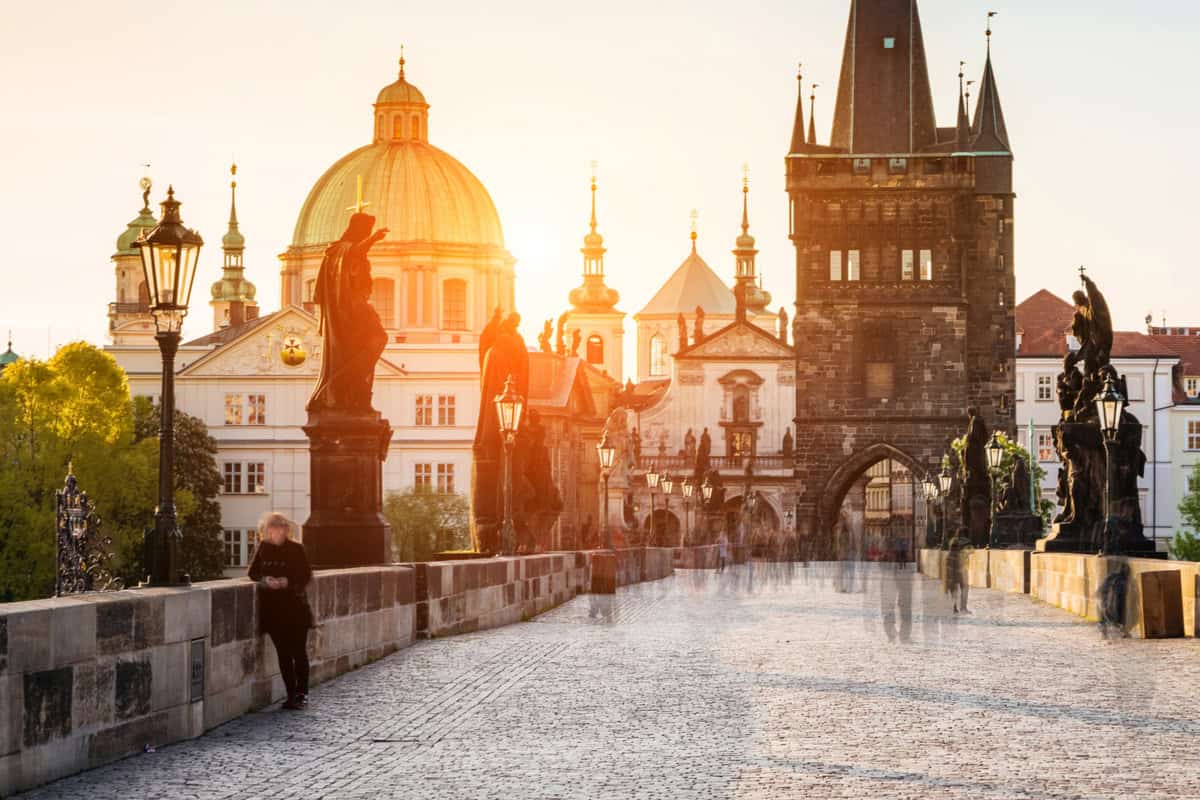
The global tourism landscape is undergoing a massive transformation in late 2026, largely driven by strategic international mobility agreements. As international borders become increasingly accessible, visa free travel countries boosting Czech Republic tourism are creating unprecedented economic opportunities across Central Europe. Recently, Albania’s diplomatic missions to South Korea and Japan have highlighted a broader trend of cross-continental connectivity. With over sixty nations now enjoying streamlined entry into the Schengen Area, destinations like Prague are witnessing record-breaking visitor numbers. This article explores how these verified diplomatic alliances, supported by official government statistics, are fundamentally reshaping the entire European travel industry today.
The Evolution of Global Mobility and the Schengen Area
The international travel sector has reached a historic zenith in the final quarter of 2026, underpinned by a profound shift in global border management and diplomatic cooperation. Over the past decade, authoritative bodies such as the United Nations Tourism organisation and the Organisation for Economic Co-operation and Development (OECD) have consistently advocated for the reduction of bureaucratic travel barriers as a primary mechanism for stimulating macroeconomic growth. By October 2026, these policy recommendations have vividly materialised into actionable governmental frameworks across Europe and Asia, fundamentally altering how global citizens navigate international borders.
Advertisement
Advertisement
The Schengen Area, which the Czech Republic joined to integrate its economy and border policies with the broader European Union, stands at the epicentre of this transformation. By systematically expanding its visa-waiver programmes, the European bloc has successfully integrated more than sixty non-EU nations into a streamlined travel network. This expansive network of visa free travel countries boosting Czech Republic tourism has eliminated the friction traditionally associated with long-haul travel, replacing tedious consular appointments and visa processing delays with seamless electronic travel authorisations. This structural evolution in border policy is not merely a bureaucratic adjustment; it is a meticulously orchestrated strategy designed to revitalise the European service sector, stimulate cross-border investment, and foster deep-rooted cultural exchanges that transcend geographical boundaries.
Albania’s role in this evolving landscape is particularly noteworthy. As a nation aggressively modernising its foreign policy and domestic economy, Albania has successfully transformed its passport into a powerful instrument of international mobility. According to the latest consular data verified in late 2026, the Albanian passport now grants its citizens access to 86 destinations completely visa-free or via simple electronic registrations. Concurrently, Albania itself has opened its doors, allowing regular passport holders from 84 countries—including key economic powerhouses like Japan and South Korea—to visit for tourism purposes without a traditional visa. This reciprocal openness highlights a broader trend in global tourism trends 2026: nations that prioritise seamless bilateral mobility are the ones reaping the most significant economic dividends.
Advertisement
Advertisement
Latest Official Developments: Albania’s Strategic Asian Pivot
The narrative of interconnected global tourism took a decisive turn during the week of 19 to 23 May 2026, when the Prime Minister of Albania, Mr. Edi Rama, embarked on a historic official diplomatic tour across East Asia. This tour, which included high-level state visits to both the Republic of Korea and Japan, was designed to cement an ambitious Albania diplomatic tourism agreement 2026 while strengthening broader economic and security dialogues. These state visits were not merely ceremonial; they were highly calculated geopolitical manoeuvres aimed at integrating the Balkan region more closely with the Indo-Pacific economic sphere.
The bilateral relationship between Albania and the Republic of Korea has been steadily maturing since the formal establishment of diplomatic ties in August 1991. However, the May 2026 visit marked a paradigm shift in their cooperative framework. Recognising South Korea’s immense economic potential and its highly mobile, affluent tourist demographic, Albanian officials sought to deepen institutional ties. Official statements from the Ministry for Europe and Foreign Affairs confirmed that South Korea has been a vital partner during Albania’s economic transition, providing substantial assistance and infrastructural loans through the Economic Development Cooperation Fund (EDCF). By bolstering these governmental ties, both nations have laid the groundwork for increased bilateral trade and, crucially, enhanced tourism flows.
Advertisement
Advertisement
Following his engagements in Seoul, Prime Minister Rama proceeded to Tokyo, where he was formally received by the Prime Minister of Japan, Ms. Sanae Takaichi, on 22 May 2026. According to the official summary provided by the Prime Minister’s Office of Japan, the summit, which commenced at 4:10 p.m. local time, focused extensively on mutual cooperation. Beyond regional security dialogues encompassing the Indo-Pacific and Eastern European affairs, the leaders exchanged vital perspectives on economic collaboration and cross-cultural exchanges. This diplomatic alignment between Tirana, Seoul, and Tokyo creates a highly publicised corridor of cooperation. When nations publicly validate their partnerships at the highest executive levels, national tourism boards and private aviation sectors invariably follow suit, directing marketing resources and flight capacities toward these newly endorsed routes.
Government Announcements: Setting the Stage for Unprecedented Connectivity
The cascading effects of these diplomatic breakthroughs have prompted significant governmental announcements across both Central Europe and the Balkans. Following the successful Asian tour, governmental ministries have accelerated their efforts to market the broader European theatre to Asian demographics. The underlying strategy relies heavily on the interconnected nature of the Schengen Area. When East Asian tourists, facilitated by visa waivers, plan extensive European itineraries, they rarely restrict their travel to a single country. Instead, they utilise the borderless European infrastructure to explore multiple destinations. Thus, an Albanian diplomatic victory indirectly but tangibly fuels the influx of Asian tourists in Central Europe.
The Czech Republic’s Ministry of Regional Development, functioning in tandem with CzechTourism, has proactively responded to this shifting demographic landscape. Official government announcements in 2026 have repeatedly emphasised the necessity of diversifying the country’s tourism portfolio. Historically reliant on immediate European neighbours, the Czech government has explicitly identified the lucrative Asian and North American markets as the primary vectors for future growth. By aligning their promotional campaigns with the reality of the expansive network of visa free travel countries boosting Czech Republic tourism, national authorities are ensuring that destinations like Prague, Brno, and Karlovy Vary remain top-of-mind for long-haul travellers originating from nations like South Korea and Japan.
Furthermore, international aviation authorities and national transport ministries have announced complementary initiatives to accommodate this surge. The expansion of bilateral air service agreements has paved the way for increased frequencies on existing routes and the inauguration of entirely new flight paths. These governmental frameworks are essential; without the regulatory approval of civil aviation authorities, the private sector cannot deploy the capacity required to move millions of tourists across continents. The synergistic announcements from foreign affairs ministries regarding visa waivers and transport ministries regarding air rights have created a perfect regulatory environment for the travel boom witnessed throughout 2026.
Statistics: Decoding the Czech Republic’s Official 2026 Tourism Boom
The theoretical benefits of these international diplomatic frameworks are powerfully validated by the latest empirical data published by authoritative national bodies. According to the highly anticipated Czech Republic tourism statistics latest official reports released by the Czech Statistical Office (CZSO) for the first quarter of 2026, the nation’s hospitality sector has achieved extraordinary milestones. The official statistical bulletins confirm that during Q1 2026 alone, a staggering 4.4 million guests were accommodated in collective accommodation establishments across the Czech Republic.
This massive influx of visitors generated an impressive 11.1 million overnight stays during the first three months of the year, representing a robust 5.7 per cent increase compared to previous reporting periods. Overall, the Czech Republic recorded a highly significant 5.2 per cent surge in total tourist numbers. These figures are not merely anomalies; they represent a sustained structural expansion of the national tourism industry. The meticulous data collection by the CZSO reveals that the average length of stay for these visitors stood firmly at 3.55 days, a critical metric that indicates tourists are engaging deeply with the local economy rather than treating the country as a transient layover.
Advertisement
Advertisement
The demographic breakdown provided by the CZSO offers profound insights into the mechanics of this growth. Unsurprisingly, the foundational baseline of the Czech tourism economy continues to be supported by its immediate geographic neighbours. Tourists from Germany constituted the largest single demographic, with approximately 474,000 guests, followed closely by Poland with 188,000 visitors, and Slovakia with 172,000 travellers. Furthermore, strong representations were noted from the United Kingdom and Italy. However, the most compelling narrative within the statistics—and the one most directly influenced by global visa waiver policies—is the continued, accelerated increase in visitor numbers from the United States and the Asian continent. The official recognition by CzechTourism that interest from distant, long-haul markets is experiencing sustained growth validates the premise that the network of visa free travel countries boosting Czech Republic tourism is functioning exactly as policymakers intended.
Policy Implications: Adapting to the Surge in International Mobility
The unprecedented volume of international arrivals documented in the 2026 official reports necessitates comprehensive policy adaptations at both the national and municipal levels. As the influx of global citizens strains existing infrastructure, government ministries are compelled to implement sophisticated management strategies to ensure that tourism remains a sustainable economic pillar rather than a disruptive force. The primary policy implication revolves around the concept of intelligent destination management. Authorities are increasingly leveraging big data, advanced analytics, and predictive modelling to anticipate tourist flows, optimise public transportation schedules, and manage crowd densities at highly frequented cultural landmarks.
Moreover, the influx driven by the expansive network of visa free travel countries boosting Czech Republic tourism has profound implications for border security and customs processing. While the Schengen agreement facilitates internal movement, the external borders of the European Union must be managed with absolute precision. The implementation of advanced biometric screening, automated passport control e-gates, and digital travel authorisations (such as the ETIAS framework) represent the technological responses to these policy challenges. By streamlining the entry process for verified, low-risk travellers from allied nations like South Korea and Japan, national security agencies can maintain rigorous oversight without compromising the efficiency that modern tourists demand.
At the municipal level, particularly in historically significant cities, local governments are enacting policies designed to protect the architectural heritage and the quality of life for permanent residents. This includes regulating short-term rental platforms, implementing strategic tourist taxes whose revenues are directly reinvested into municipal infrastructure, and launching public awareness campaigns that promote responsible travel behaviours. These policies are carefully calibrated to adhere to the sustainable tourism guidelines established by UN Tourism, ensuring that the economic benefits of the 2026 tourism surge do not come at the expense of environmental degradation or social friction.
Industry Impact: The Reshaping of Hospitality and Aviation
The private sector has reacted robustly to the favourable macroeconomic conditions created by international diplomacy and supportive government policies. The hospitality industry, in particular, has experienced a remarkable renaissance throughout 2026. Official data confirms that hotels remained the overwhelmingly dominant and most popular form of accommodation. In the first quarter alone, approximately 3.4 million guests opted to stay in traditional hotel establishments, representing a formidable increase of 5.6 per cent.
A critical nuance within this data is the surging popularity of four-star accommodations, which were noted to be particularly favoured by international foreign tourists. This trend indicates that the influx of visitors, particularly from affluent markets in East Asia and North America, is heavily skewed toward the premium segment of the market. These travellers demand high-quality amenities, exceptional service standards, and immersive local experiences. Consequently, international hotel conglomerates and independent boutique operators alike are aggressively investing in property refurbishments, staff training programmes, and the integration of digital concierge technologies to capture this highly lucrative demographic.
Advertisement
Advertisement
The aviation sector has been equally proactive in capitalising on these global tourism trends 2026. Airlines are deploying their most advanced, fuel-efficient wide-body aircraft to service the burgeoning demand between Asia and Central Europe. A prime example of this industry confidence was the highly publicised introduction of the STARLUX golden Airbus A350-1000 into Prague. The deployment of such state-of-the-art aviation assets highlights the immense profitability and strategic importance of the European market. By increasing direct flight capacities, the aviation industry effectively reduces travel times and logistical complexities, thereby further incentivising tourists from nations benefiting from visa-free access to choose the Czech Republic as their primary European gateway.
Economic Implications: Driving GDP and Job Creation
The economic ramifications of the 2026 tourism boom are profound, permeating multiple layers of the Central European economy. The travel and tourism sector has long been acknowledged as a vital engine for job creation, foreign exchange generation, and regional development. As the network of visa free travel countries boosting Czech Republic tourism continues to expand, the direct and indirect economic contributions of the sector have scaled proportionately. According to broader macroeconomic reports from the summer of 2026, the Czech economy successfully grew by 1.9 per cent in the second quarter, a healthy expansion in which the service and hospitality sectors played an undeniable role.
The influx of long-haul tourists, particularly the rising demographics of Asian tourists in Central Europe, introduces significant volumes of foreign capital into the domestic market. These travellers typically exhibit higher average daily expenditure rates compared to domestic or regional tourists. Their spending extends far beyond accommodation and flights; it directly sustains a vast ecosystem of ancillary businesses, including high-end retail, fine dining establishments, local artisans, licensed tour guides, and regional transport operators. The financial velocity created by this sustained spending helps to stabilise local employment markets, particularly in urban centres and popular regional districts, providing steady incomes for hundreds of thousands of hospitality professionals.
Furthermore, the robust performance of the tourism sector enhances the overall attractiveness of the Czech Republic for foreign direct investment (FDI). When international investors observe sustained, policy-driven growth supported by verifiable government data, they are significantly more inclined to allocate capital towards commercial real estate, leisure infrastructure, and transport logistics within the country. This virtuous cycle of increasing tourist numbers driving corporate investment, which in turn elevates the quality of the destination, is the ultimate economic objective of the diplomatic agreements negotiated in Tokyo, Seoul, and Tirana.
Tourism, Business, and Public Impact: A Regional Renaissance
While the capital city undoubtedly remains the crown jewel of the nation’s tourism portfolio, the impact of the 2026 visitor surge is increasingly being felt across diverse regional landscapes. Official reports from CzechTourism indicate that while foreign tourists were exceptionally drawn to Prague, they also demonstrated significant and growing interest in the Karlovy Vary and South Moravian regions. This geographical dispersion of tourists is a highly positive indicator, reflecting a maturing market where visitors seek experiences beyond the traditional capital-city itineraries.
The preferences of these international visitors further illustrate the multifaceted appeal of the Czech Republic. The latest data reveals that foreign tourists continue to show the greatest enthusiasm for culture and historical landmarks, closely followed by active holidays and family-oriented activities. Secondary interests prominently feature gastronomy, entertainment, nature exploration, and wellness retreats. The Karlovy Vary region, internationally renowned for its historic thermal spas and wellness infrastructure, is perfectly positioned to capture the affluent demographic seeking health and relaxation. Similarly, South Moravia, with its rich viticulture, UNESCO-listed cultural landscapes, and vibrant gastronomy, offers a compelling alternative to the urban density of Prague.
Advertisement
Advertisement
The business impact on these regions is transformative. Small and medium-sized enterprises (SMEs) located in South Moravia and Karlovy Vary are experiencing unprecedented seasonal stability. The public impact is equally significant; as tourism revenues are injected into municipal budgets, local governments are empowered to fund public works, restore historical monuments, and improve civic amenities. However, this also requires a delicate balancing act to ensure that the influx of international visitors does not disrupt the daily lives of local residents. Public sentiment remains generally favourable, provided that the economic benefits are transparently reinvested into community development and that the authentic cultural fabric of these regions is rigorously preserved.
Expert and Official Statements: Validating the Strategic Vision
The remarkable performance of the 2026 tourism sector has been widely acknowledged and validated by official representatives and authoritative bodies. While independent analysts frequently project industry trends, it is the confirmed statements from government ministries and national statistical offices that provide the foundational truth for economic planning. Representatives from the Czech Statistical Office have publicly presented the Q1 2026 findings as unequivocal evidence of the sector’s robust health, highlighting the 5.2 per cent aggregate surge as a benchmark of success.
Similarly, official communications from CzechTourism have reiterated the strategic importance of nurturing long-haul markets. Their official assessments confirm that the intentional pivoting toward Asian and North American demographics is yielding tangible results, successfully complementing the steady baseline provided by neighbouring European countries. By officially documenting the precise preferences of these travellers—ranging from four-star accommodations to wellness and gastronomy—the government has provided the private sector with an invaluable blueprint for future investments.
On the international stage, the diplomatic successes of 2026 have been officially catalogued as pivotal milestones. The joint summaries provided by the Prime Minister’s Office of Japan and the Albanian Ministry for Europe and Foreign Affairs underscore the reality that tourism is no longer viewed merely as a leisure activity, but as a critical component of bilateral economic and strategic partnerships. When global leaders actively incorporate cultural exchange and travel facilitation into their highest-level security and trade dialogues, it sends an unequivocal message to the global markets: international mobility is a protected and prioritised pillar of the modern global economy.
Future Outlook: Sustaining Momentum Through 2027
As the travel industry moves through the latter half of 2026, the future outlook for the Czech Republic and the broader Central European region remains exceptionally positive. The structural foundations established by the extensive network of visa free travel countries boosting Czech Republic tourism are permanent regulatory shifts, not temporary phenomena. Because these policies are codified in international law and bilateral treaties, the travel industry can project future growth with a high degree of confidence.
Economists and tourism strategists anticipate that the momentum generated in the first quarter of 2026 will carry through the peak summer and autumn seasons, likely culminating in a record-breaking annual performance for the Czech hospitality sector. The continued expansion of direct aviation routes, such as the deployment of advanced aircraft connecting Taipei, Seoul, and Tokyo directly to Prague, will further alleviate capacity constraints. Furthermore, as the Albania diplomatic tourism agreement 2026 and similar geopolitical initiatives mature, the interconnectivity between the Balkans, Central Europe, and East Asia will become increasingly seamless.
To sustain this momentum into 2027 and beyond, national tourism boards will need to remain agile. The focus must inevitably shift from merely acquiring higher volumes of tourists to maximising the economic yield of each visitor while rigorously enforcing sustainable environmental and civic policies. By continuing to leverage the powerful advantages of visa-free travel frameworks, fostering deep bilateral diplomatic relationships, and investing heavily in premium regional hospitality infrastructure, the Czech Republic is perfectly positioned to maintain its status as one of the most vibrant, resilient, and economically successful tourism destinations in the global market today.
Advertisement
