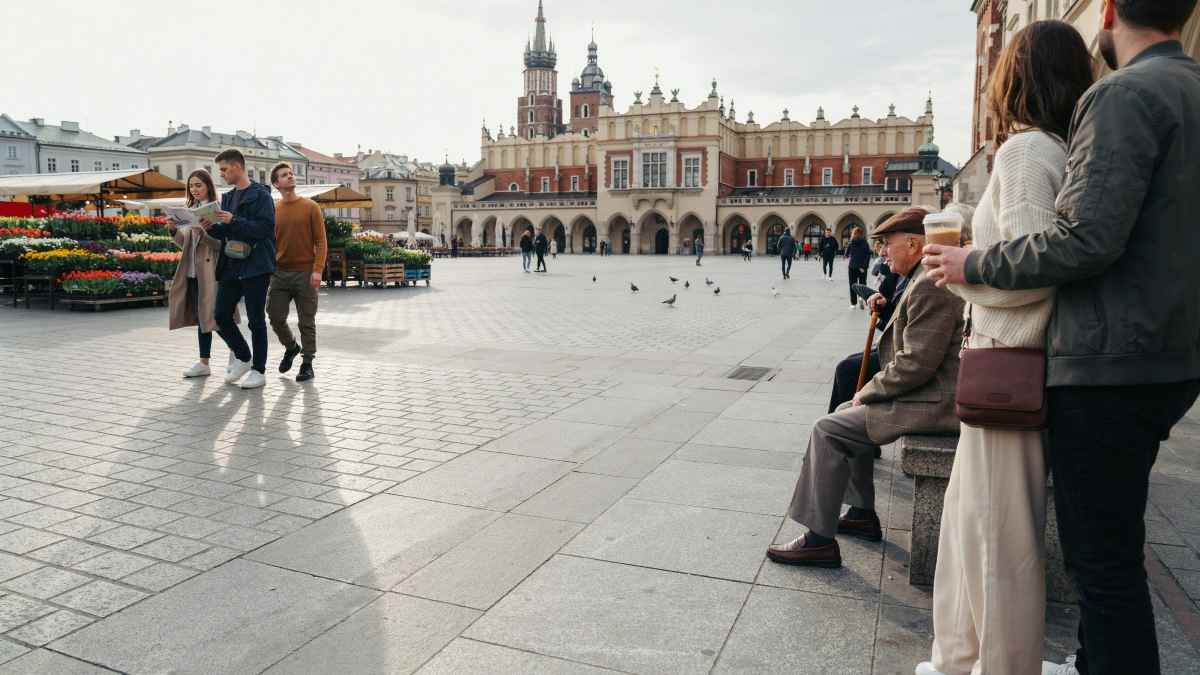
Image generated with Ai
Tourism in Poland is receiving an extra boost from the increase in short-haul tourists coming by road from the Czech Republic, Slovakia, and Lithuania. The double-digit rise in tourist numbers from these Central and Eastern European countries has enhanced cross-border tourism and the importance of road infrastructure in Polish tourism. Improved roads and highways have made travel to and from neighbouring markets easier and more convenient, and Poland’s low price-to-quality ratio is helping to fuel the demand for food, retail, and boutique hotels. This is reinforcing the development of an alternative form of tourism as compared to long-haul tourism where there are no fixed plans in terms of flights and vacations.
Improved road infrastructure is increasingly influencing how Central European visitors choose destinations. Modern expressways reduce journey times between Poland and neighbouring countries while making multi-city travel easier.
For visitors from the Czech Republic and Slovakia, southern Poland is particularly accessible by road. Cities and regional destinations can be reached as part of short breaks without the logistical requirements associated with air travel.
Lithuanian visitors benefit from Poland’s position as an important land corridor between the Baltic region and Central Europe. Improved road connections allow travellers to incorporate Polish cities into wider regional journeys or select Poland as the primary destination for shopping, gastronomy and cultural travel.
Advertisement
Advertisement
The growing importance of road travel also spreads tourism demand beyond airports and major international gateways.
The Czech Republic represents an important neighbouring market for Poland. Geographic proximity allows Czech travellers to make frequent trips for leisure, shopping, dining and cultural experiences.
Southern Polish destinations are especially well positioned to capture this demand because they can be reached relatively easily by road. Kraków and other destinations across southern Poland offer combinations of heritage, restaurants, accommodation and retail that suit short international breaks.
The increase in Czech arrivals also creates opportunities for regional tourism businesses. Hotels, restaurants, attractions and retailers can benefit from visitors who may return several times rather than making a single extended holiday.
This repeat-visit potential is particularly valuable for destinations seeking to reduce dependence on highly seasonal international tourism.
Slovakia is similarly contributing to Poland’s expanding cross-border visitor economy. Improved transport connections are supporting easier access to southern Polish destinations and making weekend travel increasingly practical.
The geographical relationship between the two countries creates opportunities for visitors to combine Polish cities with mountain and countryside experiences. This broadens the potential itinerary beyond traditional urban sightseeing.
Poland’s accommodation sector can also capture demand through boutique lodging. Smaller hotels and independently operated properties provide alternatives to large international chains and can fit the shorter, experience-led travel patterns common among nearby European visitors.
The combination of accessibility and accommodation variety supports flexible travel, from spontaneous weekend breaks to longer regional journeys.
Lithuanian demand adds a different dimension to Poland’s cross-border tourism growth. The two countries are connected through established road travel routes, making Poland an accessible destination for Baltic travellers.
Polish cities offer Lithuanian visitors a broad mix of shopping, food, history and entertainment. Longer road journeys can also incorporate several destinations, creating opportunities for travellers to move beyond one city during the same trip.
This strengthens Poland’s role within a wider Central European travel network. Visitors can use the country as both a destination and a connecting point between northern and southern European markets.
Competitive value remains a major component of Poland’s appeal. Travellers from neighbouring countries can access restaurants, accommodation and shopping while maintaining a strong balance between quality and overall trip costs.
Polish gastronomy is particularly important. Regional cuisine, contemporary restaurants, cafés and food-focused destinations give visitors reasons to travel independently of traditional sightseeing.
Shopping provides another driver, particularly for short-haul visitors able to make cross-border trips without the expense of air travel. Retail centres, high streets and specialist stores can therefore become part of broader leisure itineraries rather than standalone shopping journeys.
Boutique accommodation further strengthens the proposition by providing distinctive stays for travellers looking for smaller-scale properties and locally oriented experiences.
The growth of Czech, Slovak and Lithuanian arrivals demonstrates how Poland’s tourism economy is becoming increasingly integrated with neighbouring markets.
Unlike long-haul tourism, regional road travel can generate demand across different periods of the year. Visitors can travel for a weekend, return for seasonal events or combine Poland with neighbouring destinations.
This creates a broad economic effect across accommodation, restaurants, retail, attractions and transport services.
The geographical spread also benefits destinations outside Poland’s largest tourism centres. As road infrastructure improves, smaller cities and regional attractions become easier to incorporate into cross-border itineraries.
Polish tourist development is more and more shaped by its positioning in the context of being a connected destination in Central Europe. Doubling of the number of visitors coming from the Czech Republic, Slovakia and Lithuania reveals the importance of neighbouring markets in addition to Polish traditional long-distance and Western European markets. Improved express roads decrease geographic obstacles, while gastronomy, shopping and boutique-style accommodation give good reasons to cross the border. Such factors create for Poland a solid foundation for its regional tourism, which is based on connectivity, repeat visitation and competitiveness. As connectivity is improving, Central European visitors become increasingly significant for Polish international tourism.
Advertisement
Tags: boutique hotels Poland, central europe, Central European tourism, Cross-border tourism Poland, czech Republic
Advertisement
Advertisement












Wednesday, September 2, 2026

Wednesday, September 2, 2026

Wednesday, September 2, 2026

Wednesday, September 2, 2026

Wednesday, September 2, 2026

Tuesday, September 1, 2026

Wednesday, September 2, 2026

Wednesday, September 2, 2026