

Spain Faces October Holiday Traffic Surge as 5.76 Million Road Journeys Challenge Tourist Travel

Published
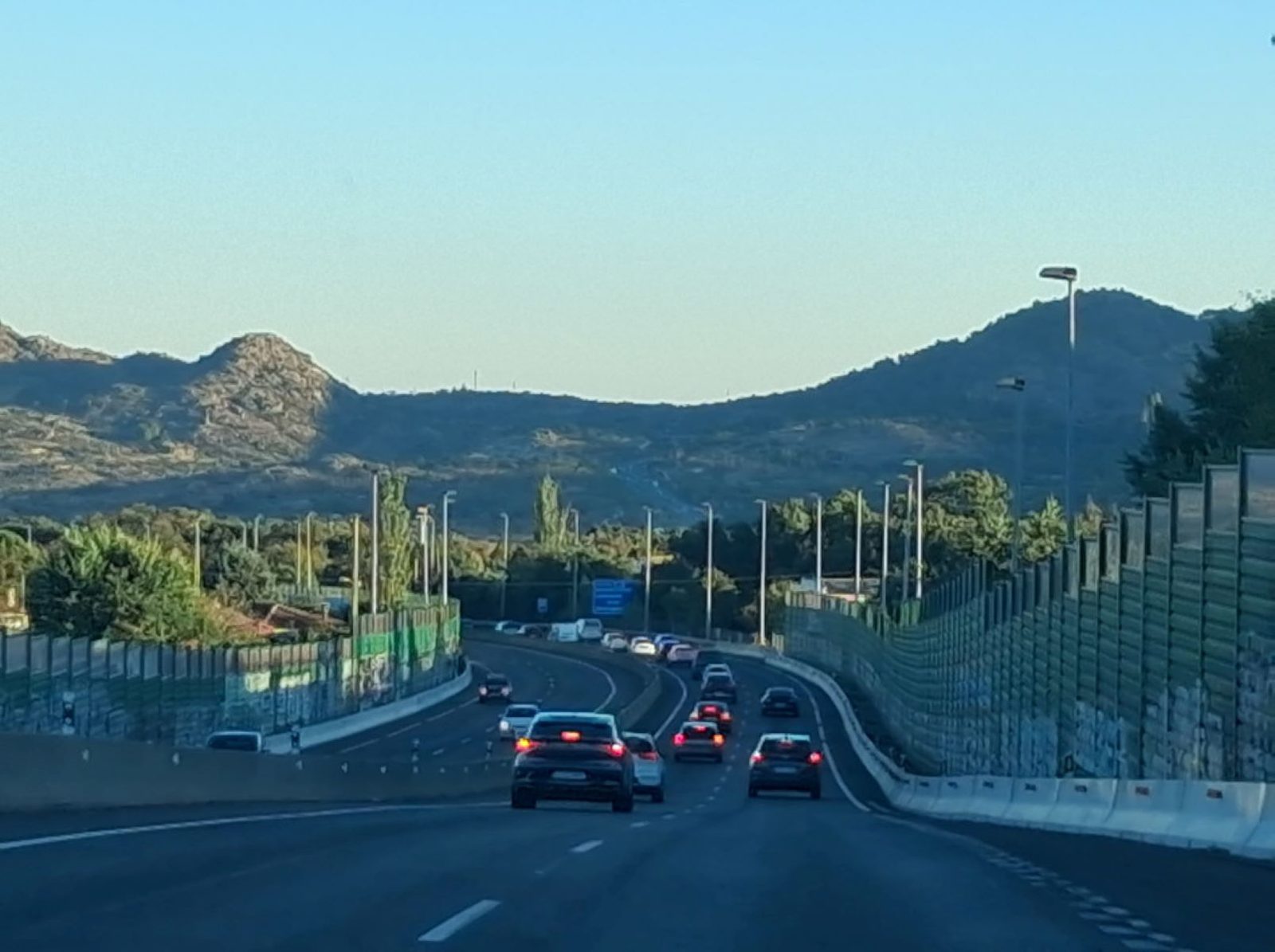
Spain warns of heavy bank holiday traffic as millions of road journeys threaten travel delays in October, particularly on routes connecting major cities with coastal resorts, mountain destinations and popular holiday areas. The October holiday travel period is placing additional attention on Spain’s motorway network, with the Directorate-General for Traffic (DGT) introducing special measures to manage congestion and improve road safety. Holidaymakers, international tourists using rental cars and residents travelling between destinations may encounter longer journeys during the busiest departure and return periods. The situation highlights the importance of road transport planning for Spain’s domestic tourism and wider international visitor experience.
Why Is Spain Expecting 5.76 Million Road Journeys During the October 2026 Bank Holiday?
Spain’s October bank holiday creates an important period for domestic tourism, leisure travel and regional mobility. According to the Directorate-General for Traffic, approximately 5,760,000 long-distance road journeys are expected between 9 and 12 October 2026. This represents an average of 1,440,000 journeys per day during the special traffic operation. The forecast reflects anticipated movement towards coastal areas, mountain destinations, second homes and towns holding traditional celebrations. The DGT has therefore introduced additional traffic management arrangements to support road safety and maintain traffic flow. These figures represent projected vehicle movements rather than confirmed passenger totals or actual journeys completed.
Advertisement
Advertisement
- The DGT forecasts 5,760,000 long-distance road journeys.
- The daily average is estimated at 1,440,000 movements.
- The special operation covers 9–12 October 2026.
- Coastal resorts, mountain destinations and second homes are important travel destinations.
- The figures are official forecasts, not confirmed traffic outcomes.
| Traffic indicator | Official October 2026 information |
|---|---|
| Responsible authority | Directorate-General for Traffic (DGT) |
| Expected long-distance journeys | 5,760,000 |
| Average daily journeys | 1,440,000 |
| Operation begins | 9 October, 15:00 |
| Operation ends | 12 October, midnight |
| Main travel purpose | Leisure, holidays, second homes and local celebrations |
When Will Spain’s October Bank Holiday Traffic Reach Its Busiest Periods?
The DGT has identified specific periods when traffic volumes are expected to increase across Spain’s principal road network. Friday afternoon is associated with departures from major urban centres, while Saturday morning brings another concentration of outbound journeys. Sunday is expected to involve shorter leisure trips, with less severe congestion than the main departure and return days. Monday presents another important challenge as holidaymakers travel back towards major cities. The official forecasts identify Friday from 16:00 to 22:00, Saturday from 09:00 to 13:00 and Monday from 16:00 to 23:00 as the principal periods of greatest traffic intensity.
- Friday afternoon is a major departure period.
- Saturday morning is another significant outbound travel window.
- Sunday traffic is expected to involve shorter leisure journeys.
- Monday afternoon and evening will bring substantial return traffic.
- Drivers should check live road conditions because forecasts do not establish actual delays.
| Date | Peak traffic forecast | Main travel movement |
|---|---|---|
| Friday, 9 October | 16:00–22:00 | Departures from cities |
| Saturday, 10 October | 09:00–13:00 | Coastal and mountain-bound traffic |
| Sunday, 11 October | No specific peak hours in the supplied DGT press release | Local leisure travel |
| Monday, 12 October | 16:00–23:00 | Return journeys towards urban centres |
How Will Spain’s National Day and the Pilar Festival Influence Regional Tourism?
Spain’s National Day falls on Monday, 12 October 2026, extending the weekend for many residents. The holiday period also coincides with celebrations associated with the Pilar festival, making Zaragoza an important destination within the official traffic forecast. The Valencian Community has an additional public holiday on Friday, 9 October, creating a longer break for some travellers. These overlapping holiday dates help explain the expected movement towards regional destinations, recreational areas and second homes. The DGT identifies Zaragoza and the Valencian Community as particularly relevant areas, although its national forecast does not provide separate visitor-arrival figures for either destination.
Advertisement
Advertisement
- Monday, 12 October, is a national public holiday.
- Zaragoza is identified in connection with local festivities.
- The Valencian Community observes an additional holiday on 9 October.
- Leisure destinations and second homes are expected to attract road traffic.
- The DGT does not provide separate tourism expenditure or visitor totals for these regions.
| Destination or region | Holiday-related factor | Travel relevance |
|---|---|---|
| Zaragoza | Pilar celebrations | Festival-related journeys |
| Valencian Community | Public holiday on 9 October | Extended regional holiday period |
| Coastal destinations | Leisure and rest trips | Increased access-road traffic |
| Mountain areas | Recreational travel | Increased outbound movements |
| Major cities | Holiday departures and returns | Pressure on access roads |
What Special Traffic Management Measures Are Being Introduced Across Spain?
Spain’s Directorate-General for Traffic has organised additional road management measures for the October holiday period. The operation involves traffic police, monitoring personnel, emergency services and technical teams responsible for road safety infrastructure. Where conditions permit, authorities may introduce additional lanes or temporarily reverse traffic direction on selected sections to accommodate increased vehicle movements. Alternative routes are also included in the management plan. These arrangements are intended to reduce congestion and improve road safety rather than eliminate delays entirely. Their implementation depends on conditions at individual locations, making official traffic information essential for motorists travelling between cities and tourist destinations.
- Guardia Civil traffic officers are participating in the operation.
- Additional lanes may be introduced at busy locations.
- Reversible lanes can help accommodate concentrated traffic flows.
- Alternative routes form part of the congestion management strategy.
- Emergency and traffic management personnel support the operation.
| Traffic measure | Government-confirmed arrangement | Intended purpose |
|---|---|---|
| Additional lanes | Introduced where appropriate | Improve road capacity |
| Reversible lanes | Subject to safety conditions | Manage directional traffic |
| Alternative routes | Planned for congested roads | Redistribute vehicle movements |
| Traffic officers | Guardia Civil deployment | Supervision and enforcement |
| Emergency services | Included in operational resources | Support incident response |
Which Road Restrictions Could Affect Holiday Transport and Tourist Travel?
The October traffic operation includes temporary restrictions intended to manage road capacity and improve safety during busy travel periods. The DGT has announced that roadworks affecting traffic will be suspended and certain sporting activities on roads will be limited. Restrictions also apply to specified heavy goods vehicles, special transport operations and vehicles carrying dangerous goods. These measures are governed by the relevant regulatory resolution issued earlier in the year and apply according to designated routes, dates and times. They do not represent a general prohibition on holiday driving. Travellers should distinguish between restrictions affecting particular vehicle categories and congestion advisories applying to ordinary motorists.
Advertisement
Advertisement
- Roadworks that could interfere with traffic will be suspended.
- Certain sporting events on roads will be restricted.
- Some heavy goods vehicles face circulation restrictions.
- Special transport and dangerous-goods vehicles are subject to designated controls.
- Restrictions depend on the applicable road sections, dates and times.
| Vehicle or activity | Announced measure | Travel relevance |
|---|---|---|
| Ordinary passenger cars | No general holiday driving ban announced | Travel remains permitted |
| Heavy goods vehicles | Selected restrictions | Traffic management |
| Special transport | Route and time restrictions | Reduced conflict with holiday traffic |
| Dangerous-goods transport | Designated circulation restrictions | Road safety |
| Roadworks | Suspension where traffic may be affected | Preserve road capacity |
How Are Cameras, Drones and Helicopters Supporting Spain’s Road Safety Operation?
The DGT’s October 2026 traffic operation includes an extensive programme of road surveillance and enforcement. Fixed and mobile speed cameras, helicopters, drones and monitoring cameras are among the technical resources available to traffic authorities. The operation also involves personnel from the Civil Guard’s traffic division, air support teams and traffic management centres. Cameras capable of monitoring mobile phone use and seatbelt compliance form part of the available equipment. These resources support traffic regulation, incident monitoring and enforcement during periods of increased road use. The official announcement confirms the equipment categories but does not specify the number deployed for this holiday operation.
- Fixed speed cameras are included in the monitoring resources.
- Mobile speed enforcement equipment is available.
- Helicopters and drones support aerial surveillance.
- Cameras monitor mobile phone use and seatbelt compliance.
- Traffic management centres coordinate information and operational responses.
| Surveillance resource | Officially identified role |
|---|---|
| Fixed speed cameras | Speed enforcement |
| Mobile speed cameras | Mobile speed monitoring |
| Helicopters | Aerial traffic surveillance |
| Drones | Road monitoring |
| Mobile phone and seatbelt cameras | Monitoring driver compliance |
Why Are Driver Distractions an Important Road Safety Concern During the Holiday?
Spain’s traffic authority has linked the October holiday operation with an ongoing campaign targeting driver distraction. The enforcement campaign remains active until Sunday, 11 October 2026. According to the DGT, distraction is the most frequent contributing factor in road traffic accidents and fatal incidents. Mobile phone use while driving is among the behaviours motorists are advised to avoid. The authority also emphasises compliance with speed limits and the avoidance of alcohol or drugs before driving. These measures are particularly relevant during holiday journeys, when longer driving periods, unfamiliar routes and concentrated traffic can require sustained attention.
- A special distraction-monitoring campaign continues until 11 October.
- The DGT identifies distraction as a leading contributing factor in accidents.
- Drivers should not use mobile phones while driving.
- Speed limits remain applicable throughout the holiday operation.
- Alcohol and drug impairment remain significant road safety concerns.
| Road safety concern | DGT recommendation |
|---|---|
| Driver distraction | Maintain attention and avoid mobile phone use |
| Excessive speed | Follow applicable limits |
| Alcohol consumption | Do not drive under the influence |
| Drug impairment | Avoid driving while impaired |
| Heavy traffic | Adjust driving to prevailing conditions |
How Could Rain, Fog and Autumn Weather Affect Spain’s October Road Journeys?
Autumn weather is another consideration for travellers driving across Spain during the October bank holiday. The DGT warns that weather conditions can change suddenly, particularly when rain or fog reduces visibility and affects road conditions. Shorter daylight hours also require additional attention during evening journeys. The authority recommends checking forecasts issued by Spain’s State Meteorological Agency before travelling and inspecting vehicle condition before departure. Motorists should reduce speed when necessary and maintain a greater distance from other vehicles. These recommendations apply to domestic drivers and international visitors using rental cars, especially those travelling through unfamiliar mountainous or rural areas.
- Rain may affect road grip and visibility.
- Fog can make driving conditions more difficult.
- Reduced daylight requires additional journey planning.
- Vehicle condition should be checked before departure.
- Drivers should adapt speed and following distance to the conditions.
| Weather or travel factor | Recommended preparation |
|---|---|
| Rain | Reduce speed and increase following distance |
| Fog | Adjust driving to reduced visibility |
| Shorter daylight hours | Plan journey timing carefully |
| Unfamiliar routes | Check route and traffic information |
| Vehicle condition | Complete basic checks before travelling |
What Should International Tourists Know About Spain’s V-16 Emergency Beacon Requirement?
Spain’s October 2026 road safety guidance includes the requirement to use the V-16 emergency warning beacon in applicable roadside incidents. The connected device is designed to signal a vehicle’s position when it has stopped because of an emergency. Information can then be communicated through connected traffic systems, helping warn approaching road users through compatible navigation services and roadside information signs. The requirement is particularly relevant to international visitors planning self-drive holidays. Travellers using rental vehicles should understand the applicable emergency procedures and familiarise themselves with the vehicle’s safety equipment before beginning their journey.
- The connected V-16 beacon is part of Spain’s 2026 road safety requirements.
- The device is used to warn other motorists about a stopped vehicle.
- Connected traffic systems can communicate the incident location.
- Variable-message signs and navigation systems can relay warnings.
- Rental-car users should check the vehicle’s emergency equipment.
| V-16 safety feature | Practical relevance |
|---|---|
| Emergency warning light | Alerts nearby road users |
| Connected positioning | Communicates incident location |
| Traffic information integration | Supports wider incident warnings |
| Roadside information signs | Can warn approaching drivers |
| Rental vehicle preparation | Helps tourists understand emergency procedures |
How Can Tourists and Drivers Check Spain’s Traffic Conditions Before Travelling?
Access to official traffic information is essential for planning journeys during Spain’s October bank holiday. The DGT provides information about road incidents, traffic conditions and special travel recommendations through its website and official communication channels. Motorists can also obtain traffic information through radio and television bulletins or by calling the Spanish traffic information number 011. Checking these resources before departure can help travellers identify affected routes and consider alternatives. International tourists collecting rental vehicles or travelling between accommodation locations should allow sufficient time for road transfers, particularly when their journey coincides with the forecast departure and return periods.
- Consult official DGT traffic information before departure.
- Check road incidents and relevant restrictions.
- Review alternative routes where necessary.
- Use official radio, television or traffic information channels.
- Allow additional time for journeys connected with scheduled travel arrangements.
| Information channel | Travel planning use |
|---|---|
| DGT website | Traffic conditions and official advice |
| DGT road incident information | Reported incidents and affected roads |
| Telephone 011 | Traffic information |
| Official traffic social media | Operational updates |
| Radio and television bulletins | Traffic information during journeys |
How Could Spain’s Heavy Bank Holiday Traffic Affect Tourism, Airport Transfers and Holiday Travel?
Spain’s October bank holiday traffic forecast has implications for domestic tourism and international visitors travelling by road. Increased vehicle movements towards coastal destinations, mountain areas and festival locations can place pressure on the road network used by holidaymakers. Travellers connecting with flights may need to account for possible delays when travelling to airports by road, although the DGT has not announced flight disruptions or quantified airport transfer delays. Similarly, visitors using rental cars, private transfers or road-based excursion services should consider the identified peak traffic periods. The principal tourism implication is the need for careful journey planning rather than evidence of reduced tourism demand.
Advertisement
Advertisement
- Road congestion may affect journeys to and from airports.
- Rental-car travellers should account for peak traffic periods.
- Coastal and mountain tourism routes are among the areas highlighted by the DGT.
- Festival-related travel adds to regional road movements.
- No quantified airline disruption or tourism revenue impact has been established by the supplied government sources.
| Tourism segment | Potential travel implication | Evidence status |
|---|---|---|
| Domestic holidays | Increased journey times on busy routes | Consistent with DGT traffic forecasts |
| International self-drive tourism | Greater need for route planning | Practical implication |
| Airport road transfers | Possible delays during congestion | Not separately quantified |
| Coastal tourism | Higher road traffic towards leisure areas | Identified by DGT |
| Mountain tourism | Increased traffic on destination access routes | Identified by DGT |
| Festival tourism | Additional journeys towards celebration areas | Identified by DGT |
What Does Spain’s October Bank Holiday Traffic Advisory Mean for Travellers?
Spain’s warning of heavy bank holiday traffic reflects the pressure created when large numbers of people travel during a concentrated holiday period. The expected road journeys highlight the importance of advance planning, reliable traffic information and safe driving practices. Potential travel delays are particularly relevant to motorists visiting coastal resorts, mountain destinations and regional celebrations. The DGT’s traffic management operation combines road regulation, enforcement and traveller guidance to support safer journeys. For domestic holidaymakers and international tourists, the central message remains straightforward: check official traffic conditions, avoid the busiest periods where practical and allow sufficient time to reach the destination.
Advertisement
