
United States Aligns with Canada and More Countries as Seattle Festival Shooting Renews Global Focus on Public Event Security, Visitor Safety, Emergency Preparedness, and Safe Urban Tourism

Updated
Published
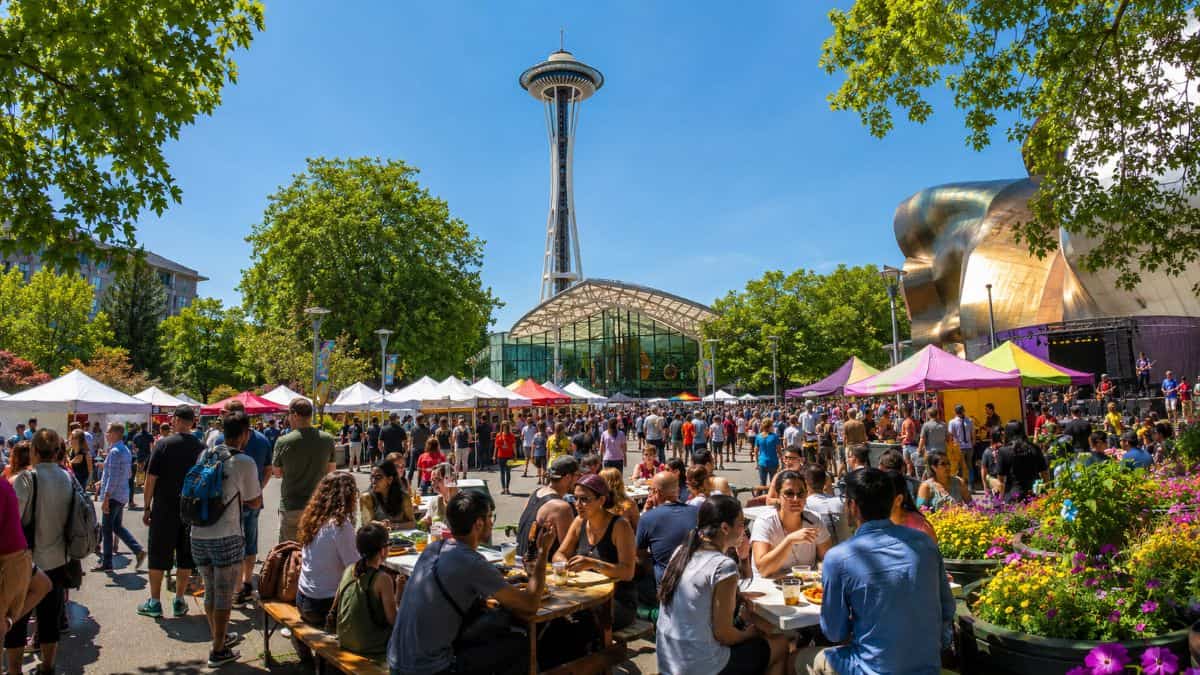
Image generated with Ai
The fatal shooting during a public festival in Seattle has once again placed public event security under international scrutiny, prompting renewed discussions about visitor safety, emergency preparedness, and destination management. As one of the United States’ most recognizable cities, Seattle attracts millions of domestic and international travelers every year for cultural festivals, music events, sporting competitions, waterfront attractions, and business conferences. The incident has drawn attention not only within the United States but also among Canada and several other countries that closely monitor travel safety trends affecting international visitors.
For travelers, the tragedy serves as a reminder that isolated security incidents can occur even in some of the world’s most visited urban destinations. While authorities continue their investigation, tourism officials, event organizers, law enforcement agencies, and hospitality businesses remain focused on maintaining public confidence by strengthening security measures without disrupting the city’s vibrant tourism industry. The event has also reignited broader conversations across the global travel sector about balancing open public celebrations with enhanced safety protocols that protect residents and visitors alike.
Seattle Festival Shooting Raises Fresh Concerns Over Public Event Safety
A shooting at a public festival in Seattle, Washington, left at least two people dead and several others injured, triggering a large-scale emergency response from local police and medical teams. The violence erupted during a crowded community event, causing panic as attendees fled the area while first responders secured the scene and assisted victims. Authorities have launched an active investigation to determine the circumstances surrounding the shooting, identify those responsible, and establish a motive. The incident has renewed concerns about security at large public gatherings in one of the United States’ most visited cities, which hosts millions of domestic and international travelers each year for festivals, cultural events, business conferences, and tourism. Although officials have emphasized that the investigation is ongoing, the tragedy has prompted renewed discussions among event organizers, law enforcement agencies, and tourism stakeholders about strengthening crowd management, emergency preparedness, and visitor safety measures at major public events.
What Is the Seattle Festival Shooting?
The Seattle festival shooting refers to the deadly gunfire incident that occurred during the 2026 Bite of Seattle, one of the Pacific Northwest’s largest annual food and cultural festivals, held at Seattle Center in Washington. The violence unfolded while thousands of residents and visitors were attending the popular summer event, causing panic as attendees fled the area and emergency responders rushed to the scene. The shooting resulted in multiple casualties and prompted an immediate response from law enforcement, medical personnel, and city officials, who launched an extensive investigation into the circumstances surrounding the attack. Beyond its criminal implications, the incident has drawn national and international attention because it occurred during one of Seattle’s flagship tourism events, reigniting discussions about public event security, crowd management, emergency preparedness, and visitor safety at major festivals and large-scale public gatherings.
Advertisement
Advertisement
Understanding the Incident
The Seattle festival shooting refers to a deadly gunfire incident that occurred during a public festival in Seattle, Washington, where thousands of people had gathered for a community celebration. According to authorities, the shooting resulted in at least two fatalities and multiple injuries, prompting an immediate response from Seattle Police, emergency medical services, and other first responders. The violence caused panic among festival attendees as people fled the area, while law enforcement secured the scene and launched an investigation. Officials are continuing to examine the circumstances surrounding the attack, including the motive and those involved.
Advertisement
Advertisement

Image generated with Ai
Why It Matters for Travelers
The incident has drawn international attention because Seattle is one of the United States’ leading tourism and event destinations, attracting millions of visitors annually for festivals, cultural events, business conferences, cruises, and leisure travel. While authorities have described the shooting as an isolated criminal incident and the investigation remains ongoing, it has renewed discussions about public event security, crowd management, emergency preparedness, and visitor safety. Tourism officials and event organizers continue to emphasize that enhanced security measures and coordinated emergency planning are essential to maintaining public confidence and ensuring the safety of residents and travelers attending large public gatherings.
About the Bite of Seattle Festival
The Bite of Seattle is one of the Pacific Northwest’s largest and most celebrated annual food festivals, held every summer at Seattle Center in Washington. Established in 1982, the free three-day event showcases Seattle’s diverse culinary scene, live entertainment, local businesses, and community culture while attracting hundreds of thousands of residents and tourists each year.
Seattle’s Largest Annual Food and Community Festival
The Bite of Seattle is one of the Pacific Northwest’s largest and longest-running food festivals, held annually at Seattle Center, near the iconic Space Needle in Seattle, Washington. Established in 1982, the three-day event celebrates the city’s diverse culinary scene, local culture, live entertainment, and community spirit. It traditionally attracts approximately 350,000 visitors over the course of the festival, making it one of Seattle’s most significant tourism events. The 2026 shooting occurred during the closing hours of this festival.
How the Festival Is Organized

Image generated with Ai
The Bite of Seattle is organized as a three-day, open-air community festival at Seattle Center, bringing together hundreds of local restaurants, food vendors, beverage producers, artisans, and live entertainers across multiple event zones. Festival organizers work in close coordination with Seattle Center management, the City of Seattle, law enforcement, emergency services, transportation agencies, volunteers, and hospitality partners to manage food operations, entertainment schedules, visitor services, crowd control, safety measures, sanitation, and logistics. The event is designed to provide a seamless experience for hundreds of thousands of attendees while showcasing Seattle’s culinary heritage, cultural diversity, and tourism appeal.
Event Format and Visitor Experience
The Bite of Seattle is designed as an open-air, family-friendly festival that combines food, music, and cultural entertainment. Visitors can explore hundreds of food booths featuring local restaurants, food trucks, artisan producers, and international cuisines while enjoying live performances across multiple stages. The festival also includes cooking demonstrations, family activities, local business exhibits, and retail vendors, creating a comprehensive visitor experience for residents and tourists alike.
Advertisement
Advertisement
Location and Venue

Image generated with Ai
Seattle Center: The Heart of the Festival
The festival takes place at Seattle Center, a 74-acre civic campus located just northwest of Downtown Seattle. The venue is home to internationally recognized attractions such as the Space Needle, the Museum of Pop Culture (MoPOP), Climate Pledge Arena, Chihuly Garden and Glass, and public open spaces. Its central location, excellent public transportation, nearby hotels, and walkability make it an ideal destination for large-scale public events and tourism.
Festival Demographics
| Demographic Category | Key Details |
|---|---|
| Annual Attendance | Approximately 350,000 visitors attend the three-day festival, making it one of Seattle’s largest annual public events. |
| Local Residents | A significant share of attendees comes from the Seattle metropolitan area and neighboring communities across Washington State. |
| Domestic Tourists | Visitors travel from across the United States, particularly from the Pacific Northwest, California, Oregon, Idaho, and other West Coast states. |
| International Visitors | The festival attracts tourists from Canada, Asia, Europe, Australia, and other international markets visiting Seattle during the summer season. |
| Cruise Passengers | Alaska cruise travelers frequently include the festival in their pre- or post-cruise itineraries due to Seattle’s role as a major cruise gateway. |
| Age Groups | The event welcomes all age groups, including families with children, young adults, professionals, seniors, and students. |
| Food Enthusiasts | Culinary travelers, chefs, food bloggers, and gastronomic tourists visit to explore Seattle’s diverse food culture. |
| Business Travelers | Conference attendees and corporate visitors often participate while staying in Seattle for meetings and conventions. |
| Cultural Diversity | The festival reflects Seattle’s multicultural population by featuring cuisines, music, and entertainment representing diverse ethnic communities. |
| Accessibility | As a free public event, the festival attracts visitors from a broad range of income levels, making it one of the city’s most inclusive community celebrations. |
| Visitor Spending | Attendees contribute significantly to hotel occupancy, restaurants, retail shopping, local transportation, and entertainment across Seattle’s tourism economy. |
| Peak Visiting Period | Visitor numbers are highest during weekend afternoons and evenings, when live performances and food vendors draw the largest crowds. |
Who Attends the Bite of Seattle?
The event attracts a broad demographic, including local residents, domestic tourists from across the United States, international visitors, cruise passengers, families, young professionals, students, culinary enthusiasts, and business travelers. Because admission has traditionally been free, the festival welcomes people from diverse age groups and income levels, making it one of Seattle’s most accessible public celebrations. During peak hours, tens of thousands of visitors may be present simultaneously across the festival grounds.
Key Stakeholders
The successful planning and execution of the Bite of Seattle depend on close collaboration among a wide range of public agencies, private organizations, hospitality businesses, and community partners. As one of Seattle’s largest annual public events, the festival requires coordinated efforts to manage operations, ensure visitor safety, deliver entertainment, and promote the city as a premier travel destination. Key stakeholders include festival organizers, Seattle Center management, the City of Seattle, law enforcement and emergency services, tourism promotion agencies, local restaurants and food vendors, hotels, transportation providers, sponsors, volunteers, and media organizations. Together, these stakeholders play a vital role in creating a safe, accessible, and engaging experience for hundreds of thousands of local residents and international visitors while contributing significantly to Seattle’s tourism economy and cultural identity.

Image generated with Ai
Organizations Behind the Festival
The successful operation of the Bite of Seattle depends on collaboration among multiple public and private stakeholders, including:
| Stakeholder | Role |
|---|---|
| Festival organizers | Overall event planning and operations |
| Seattle Center | Venue management and infrastructure |
| City of Seattle | Municipal support and permits |
| Seattle Police Department | Public safety and security |
| Seattle Fire Department | Emergency medical response |
| Local restaurants and food vendors | Culinary experiences |
| Entertainment partners | Live music and performances |
| Tourism organizations | Destination promotion |
| Volunteers | Visitor assistance and logistics |
Hospitality and Tourism Partners
| Hospitality & Tourism Partner | Role During the Bite of Seattle Festival |
|---|---|
| Hotels and Accommodation Providers | Welcome domestic and international visitors with festival packages, extended stays, and convenient lodging near Seattle Center. |
| Restaurants and Local Food Vendors | Showcase Seattle’s culinary diversity through hundreds of food stalls featuring local, regional, and international cuisine. |
| Tourism Organizations | Promote the festival as a key summer tourism attraction through destination marketing, visitor information, and travel campaigns. |
| Seattle Center Management | Provides the venue, event infrastructure, utilities, visitor services, and operational support for the festival. |
| City of Seattle | Coordinates permits, municipal services, sanitation, transportation planning, and public infrastructure support. |
| Seattle Police Department (SPD) | Oversees public safety, crowd management, emergency response coordination, and law enforcement throughout the event. |
| Seattle Fire Department & EMS | Operates first-aid stations, emergency medical services, and rapid response for health and safety incidents. |
| Public Transportation Agencies | Enhance access through buses, light rail, monorail, and other transit services to accommodate increased visitor traffic. |
| Ride-Sharing and Taxi Services | Provide first- and last-mile transportation for attendees, helping reduce parking congestion. |
| Cruise Lines and Tour Operators | Encourage cruise passengers and package-tour visitors to include the festival in Seattle sightseeing itineraries. |
| Retail Businesses and Shopping Districts | Benefit from increased visitor spending before and after festival activities through shopping and entertainment. |
| Entertainment Partners and Performers | Deliver live music, cultural performances, and family-friendly entertainment that enhance the visitor experience. |
| Local Breweries and Beverage Producers | Feature regional craft beverages and specialty drinks, highlighting Seattle’s food and beverage industry. |
| Volunteers and Community Organizations | Support visitor assistance, information services, logistics, and event operations throughout the festival. |
| Media and Travel Publications | Increase the festival’s national and international visibility through event coverage, travel features, and destination promotion. |
Supporting Seattle’s Visitor Economy
The festival generates significant economic activity for Seattle’s hospitality industry. Hotels, restaurants, cafes, transportation providers, rideshare services, cruise operators, retailers, and nearby attractions benefit from increased visitor spending throughout the festival weekend. Visitors often combine attendance at the festival with trips to Pike Place Market, waterfront attractions, museums, Alaska cruises, and other regional destinations, extending their stay and supporting the local tourism economy.
Advertisement
Advertisement
Tourism Significance
The Bite of Seattle is far more than a local food festival—it is one of Seattle’s signature summer tourism events and a major economic driver for the city’s visitor economy. By attracting hundreds of thousands of residents, domestic travelers, international tourists, cruise passengers, and business visitors each year, the festival showcases Seattle’s culinary diversity, cultural vibrancy, and hospitality sector on a global stage. Its strategic location at Seattle Center, surrounded by world-famous attractions such as the Space Needle, Museum of Pop Culture, and the city’s waterfront, encourages visitors to extend their stays and explore other tourism experiences. Beyond generating significant revenue for hotels, restaurants, retailers, transportation providers, and local businesses, the festival strengthens Seattle’s reputation as a premier urban destination for food tourism, cultural events, and experiential travel in the Pacific Northwest.
Why the Festival Matters
The Bite of Seattle serves as one of the city’s flagship summer tourism events, showcasing Seattle’s reputation as a leading culinary destination. The festival promotes local businesses, regional food culture, and community engagement while attracting both repeat visitors and first-time travelers. Its location near Seattle’s major landmarks also encourages visitors to explore the wider city, contributing substantially to tourism-related spending and destination branding.
Public Safety and Event Management
Public safety has always been a fundamental component of the Bite of Seattle’s event management strategy, reflecting the complexities of hosting one of the Pacific Northwest’s largest free public festivals. Held across the expansive Seattle Center campus, the festival typically welcomes hundreds of thousands of attendees over three days, requiring months of coordinated planning among event organizers, the Seattle Center, the City of Seattle, the Seattle Police Department, the Seattle Fire Department, emergency medical services, transportation agencies, and private security personnel. Standard operational measures include uniformed police patrols, emergency medical stations, designated evacuation routes, crowd monitoring, traffic management, public announcement systems, and rapid-response protocols designed to protect visitors while ensuring the smooth operation of the event. Following the fatal shooting during the 2026 festival, authorities initiated a comprehensive investigation and are expected to review existing security procedures, emergency preparedness plans, and crowd management strategies. The incident has also renewed broader discussions across the tourism and events industry about strengthening security at large-scale public gatherings while preserving the open, welcoming atmosphere that makes festivals an important part of the visitor experience.
Security Measures at Large Gatherings
Given the scale of attendance, the festival typically involves coordinated planning among law enforcement, emergency medical services, event organizers, venue management, and city agencies. Security measures generally include police patrols, emergency response teams, first-aid stations, crowd management, traffic control, and public communication systems. Following the 2026 shooting, authorities are expected to review additional security protocols as part of the ongoing investigation and future event planning.
Seattle Festival Shooting Sparks International Travel Safety Discussions
A shooting at a festival in Seattle resulted in multiple casualties, prompting an immediate emergency response from local police, medical personnel, and city authorities. Investigators continue to examine the circumstances surrounding the incident while officials work to determine the sequence of events.
Advertisement
Advertisement
The shooting has generated widespread international attention because Seattle is one of the United States’ leading tourism, technology, cruise, and convention destinations. Canadian travelers, along with visitors from Europe, Asia, Australia, and Latin America, frequently include Seattle in broader North American travel itineraries.
| Incident Overview | Details |
|---|---|
| Country | United States |
| City | Seattle |
| Location | Public festival |
| Response | Police, emergency medical teams, investigators |
| Impact | Casualties, public safety investigation, travel attention |
| Tourism Relevance | Major international visitor destination |
Why Seattle Remains an Important Global Tourism Destination
Seattle continues to rank among America’s most visited cities thanks to its waterfront, iconic skyline, cultural institutions, outdoor recreation, cruise terminals, technology industry, and thriving culinary scene.
Millions of visitors travel to Seattle every year to experience attractions including Pike Place Market, the Space Needle, museums, waterfront neighborhoods, ferry experiences, nearby national parks, and seasonal festivals.
The city’s tourism economy supports hotels, restaurants, transportation providers, retail businesses, tour operators, and entertainment venues throughout the region.
| Seattle Tourism Highlights | Importance |
|---|---|
| Cultural festivals | Major visitor attraction |
| Cruise industry | Gateway to Alaska cruises |
| Convention business | International meetings and events |
| Outdoor recreation | Mountains, parks, hiking, water activities |
| Culinary tourism | Seafood, coffee culture, local markets |
Public Event Security Becomes a Priority Across Global Destinations
The Seattle incident reinforces an ongoing trend in international tourism where governments and destination management organizations continue investing in stronger security planning for large public gatherings.
Advertisement
Advertisement
Major cities increasingly coordinate law enforcement, emergency medical teams, surveillance technology, crowd management specialists, transportation agencies, and event organizers before hosting festivals and large celebrations.
Tourism professionals emphasize that effective security planning allows destinations to maintain welcoming environments while improving emergency response capabilities.
| Security Measures | Purpose |
|---|---|
| Visible police patrols | Crime deterrence |
| Emergency medical stations | Faster response |
| Crowd monitoring | Risk management |
| Entry screening | Improved visitor safety |
| Emergency communication | Public information |
Impact on Travelers Visiting Seattle
Although isolated incidents naturally generate concern, travel experts note that one event does not define an entire destination.
Visitors planning trips to Seattle are generally encouraged to remain informed through official local advisories, follow instructions from event organizers, stay aware of surroundings during crowded events, and keep emergency contact information readily available.
Hotels, transportation operators, visitor centers, and tourism businesses often work closely with local authorities during emergencies to provide travelers with updated information.
Advertisement
Advertisement
| Traveler Guidance | Benefit |
|---|---|
| Monitor official updates | Accurate information |
| Stay aware in crowded areas | Personal safety |
| Know emergency contacts | Faster assistance |
| Follow police instructions | Safer evacuation if required |
| Purchase travel insurance | Added protection |
Tourism Industry Responds with Confidence and Preparedness
Incidents affecting public safety often receive significant international media coverage, but tourism officials generally focus on restoring traveler confidence through transparent communication and coordinated emergency management.
Seattle’s hospitality industry has extensive experience supporting visitors during unexpected situations, including severe weather events, transportation disruptions, and public emergencies.
Hotels, airlines, cruise operators, attractions, and convention organizers typically maintain contingency plans designed to minimize disruption while prioritizing guest safety.
| Tourism Sector | Preparedness Focus |
|---|---|
| Hotels | Guest communication |
| Attractions | Visitor management |
| Airports | Security coordination |
| Cruise terminals | Passenger information |
| Event organizers | Emergency planning |
International Destinations Continue Learning from Security Incidents
Countries worldwide regularly review security procedures following major public incidents.
Canada, the United Kingdom, France, Germany, Australia, Japan, and several other countries frequently exchange best practices regarding emergency response, intelligence sharing, crowd management, and tourism resilience.
Advertisement
Advertisement
Such collaboration strengthens the global tourism industry’s ability to protect visitors while preserving open public spaces that support cultural celebrations and community events.
| International Cooperation | Objective |
|---|---|
| Information sharing | Better preparedness |
| Emergency planning | Faster response |
| Security training | Professional development |
| Visitor communication | Public confidence |
| Risk assessment | Improved resilience |
What Travelers Should Remember When Attending Festivals
Large festivals remain among the most popular travel experiences worldwide. Millions of events take place safely every year across the globe.
Travel safety experts encourage visitors to familiarize themselves with venue layouts, emergency exits, transportation options, meeting points for groups, and official event communication channels.
Remaining alert while enjoying festivals helps travelers respond calmly if unexpected situations occur.
| Festival Safety Tips | Why It Matters |
|---|---|
| Identify exits | Faster evacuation |
| Keep phone charged | Emergency communication |
| Stay with companions | Easier coordination |
| Report suspicious activity | Supports public safety |
| Follow official guidance | Reliable information |
Looking Ahead for Seattle Tourism
Seattle’s tourism industry is expected to continue welcoming domestic and international visitors while authorities complete their investigation into the shooting.
Advertisement
Advertisement
The city’s long-standing reputation for innovation, cultural diversity, outdoor recreation, waterfront experiences, and business tourism remains significant to the wider U.S. tourism economy.
Industry experts anticipate continued investments in public safety infrastructure, event security planning, emergency coordination, and visitor communication. These measures are intended to strengthen confidence among travelers while ensuring that festivals and public gatherings continue to celebrate local culture in a secure environment.
Maintaining public trust requires cooperation among law enforcement agencies, tourism organizations, hospitality businesses, transportation providers, and community leaders. By combining enhanced preparedness with transparent communication, destinations can continue providing memorable experiences while prioritizing the safety of residents and visitors alike.
Frequently Asked Questions
1. What happened at the Seattle festival?
A shooting occurred during a public festival in Seattle, resulting in fatalities and injuries while authorities launched an active investigation.
2. Is Seattle still safe for tourists?
Seattle remains one of the United States’ leading tourism destinations. Travelers should stay informed through official guidance and practice normal safety precautions.
Advertisement
Advertisement
3. Will this incident affect tourism in Seattle?
Short-term traveler concerns may arise, but tourism officials continue working to maintain visitor confidence through enhanced safety measures.
4. Are festivals in Seattle continuing as scheduled?
Event schedules depend on organizers and local authorities. Visitors should check official event updates before traveling.
5. Why is this incident important for the travel industry?
It highlights the importance of public event security, emergency preparedness, and coordinated safety planning for major tourism destinations.
6. What should travelers do during large public events?
Remain aware of surroundings, identify emergency exits, follow official instructions, and keep communication devices available.
7. Does travel insurance help during unexpected incidents?
Many travel insurance policies offer assistance for covered disruptions, though benefits vary by provider and policy terms.
Advertisement
Advertisement
8. How do cities improve festival security?
Cities enhance security through police coordination, surveillance, emergency medical planning, crowd management, and public communication.
9. Why is Seattle significant for international tourism?
Seattle serves as a gateway for Alaska cruises, business travel, cultural tourism, outdoor recreation, and international conventions.
10. What is the broader lesson for travelers?
While isolated incidents can occur anywhere, staying informed, following official guidance, and practicing situational awareness contribute to safer travel experiences.
Advertisement
