
Dubai, Abu Dhabi, Doha, and Manama Monitor New Strait of Hormuz Shipping Rules as Iran Requires Permits for Northern Route Transit, Could Gulf Tourism, Cruise Operations and Regional Travel Connectivity Face Fresh Challenges?

Published
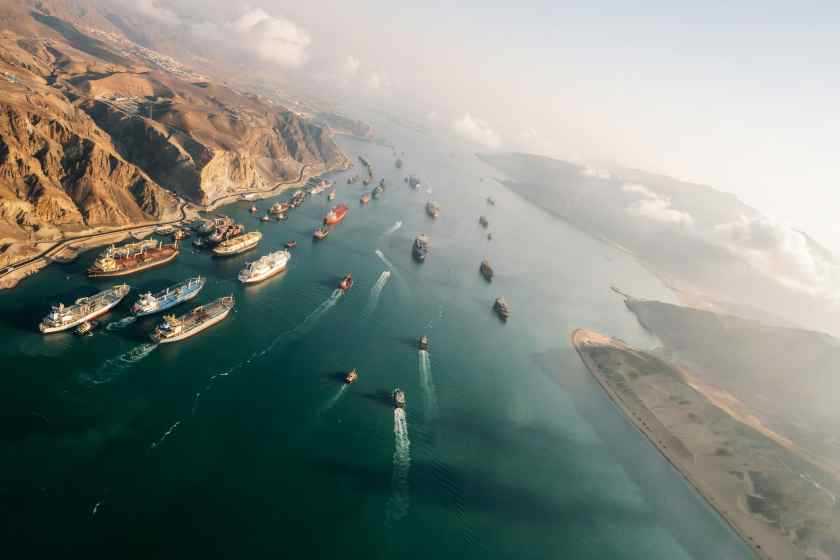
Image generated with Ai
Dubai, Abu Dhabi, Doha and Manama are closely monitoring new shipping requirements in the Strait of Hormuz after reports emerged that vessels choosing to use northern navigation routes through Iranian waters must now obtain specific permits from Iranian authorities. The development has added another layer to ongoing discussions surrounding maritime operations in one of the world’s most important transportation corridors and has attracted attention from tourism stakeholders, cruise operators and travel companies across the Gulf.
While aviation networks, hotels, tourism attractions and visitor services throughout the region continue operating normally, the introduction of permit requirements highlights the evolving nature of maritime traffic management within the Strait and its wider significance for regional connectivity.
Advertisement
Advertisement
For Gulf tourism destinations, transportation stability remains a key component of long-term visitor growth and cruise industry development.
Iran Introduces Permit Requirement for Northern Shipping Route
According to the latest guidance, vessels choosing to transit through northern shipping lanes located within Iranian territorial waters are now required to secure approval from Iranian authorities before proceeding.
Advertisement
Advertisement
The measure applies specifically to ships using northern navigation corridors rather than alternative routes available within the Strait of Hormuz.
Advertisement
Advertisement
The development comes amid heightened international attention surrounding maritime activity in the region and ongoing discussions regarding shipping movements through the strategic waterway.
Shipping operators navigating the area are now required to consider route selection carefully, balancing operational requirements with current regulatory procedures.
For commercial shipping companies, permit requirements introduce an additional administrative step when planning voyages through northern sections of the Strait.
Advertisement
Advertisement
Understanding the Northern and Southern Routes
The Strait of Hormuz contains multiple navigation channels that vessels can use when travelling between the Arabian Gulf and the Gulf of Oman.
The northern route passes through waters under Iranian jurisdiction, while southern corridors connect with Omani territorial waters and internationally recognised navigation pathways.
Advertisement
Advertisement
Recent developments have increased attention on these route distinctions as commercial operators assess available options.
Many shipping companies continue utilising southern corridors associated with Omani waters, which remain operational and continue handling commercial traffic.
The availability of multiple navigation options has helped maintain maritime connectivity despite evolving regulatory requirements and regional tensions.
Why the Strait Matters for Tourism
Although the Strait of Hormuz is often discussed in the context of energy transportation and international trade, its importance extends into the tourism sector.
The corridor supports cruise tourism, ferry services, hospitality supply chains and broader transportation networks that contribute to visitor economies throughout the Gulf.
Advertisement
Advertisement
Major tourism destinations including Dubai, Abu Dhabi, Muscat, Doha, Manama and Kuwait City all benefit from stable regional transportation systems.
Cruise operators, in particular, monitor developments in the Strait closely because maritime access forms a key part of route planning and seasonal deployment decisions.
As Gulf countries continue investing in tourism infrastructure and cruise terminals, maintaining reliable transportation corridors remains important for long-term industry growth.
Oman’s Southern Corridor Continues Supporting Traffic
Oman continues playing an increasingly important role in maintaining maritime connectivity through the southern navigation corridor.
Ships using routes connected to Omani territorial waters have continued moving through the region, providing operators with an alternative to northern channels requiring permits.
Advertisement
Advertisement
The southern corridor has attracted attention because of its contribution to maintaining commercial activity and transportation reliability.
For tourism stakeholders, Oman’s position reinforces the country’s growing importance not only as a visitor destination but also as a transportation gateway linking the Gulf with international markets.
Muscat and other Omani destinations continue benefiting from their strategic location within regional transportation networks.
Cruise Tourism Watches Regulatory Changes
The cruise industry remains one of the tourism sectors most directly connected to maritime developments.
Over the past decade, Gulf cruise tourism has expanded significantly, with ports in Dubai, Abu Dhabi, Doha and Muscat attracting increasing numbers of international visitors.
Advertisement
Advertisement
Cruise operators routinely assess navigation conditions, regulatory changes and route requirements when planning itineraries.
Although permit requirements currently apply to specific shipping corridors rather than tourism operations directly, cruise companies continue monitoring developments as part of normal operational procedures.
The industry’s focus remains on ensuring safe and efficient access to destinations throughout the Gulf region.
Gulf Tourism Continues Operating Normally
Despite ongoing maritime discussions, tourism activities across the Gulf remain unaffected.
Airports throughout Dubai, Abu Dhabi, Doha, Muscat, Bahrain, Kuwait and Saudi Arabia continue operating scheduled domestic and international services.
Advertisement
Advertisement
Hotels, attractions, shopping centres, resorts and cultural sites remain open and continue welcoming visitors.
Tourism authorities across the region continue promoting destinations and supporting visitor experiences while monitoring broader transportation developments.
For international travellers currently visiting the Gulf or planning future holidays, tourism infrastructure remains fully operational.
Impact on Regional Connectivity
Transportation connectivity remains one of the most important foundations of modern tourism.
Whether visitors arrive by air, cruise ship or regional transportation services, reliable access supports destination competitiveness and traveller confidence.
Advertisement
Advertisement
The introduction of permit requirements for northern shipping routes highlights how transportation management continues evolving within strategically important regions.
Industry stakeholders across tourism, logistics and transportation continue assessing developments while focusing on maintaining uninterrupted operations.
The continued availability of alternative navigation corridors has helped preserve broader confidence across sectors dependent on regional mobility.
Key Stats
- Strategic Waterway: Strait of Hormuz
- New Requirement: Permits required for vessels using northern Iranian shipping lanes
- Alternative Route: Southern corridor through Omani territorial waters
- Tourism Destinations Monitoring Developments: Muscat, Dubai, Abu Dhabi, Doha and Manama
- Airport Operations: Normal
- Hotel Operations: Normal
- Cruise Industry Status: Monitoring route developments
Chronological Tracker
Recent Maritime Developments
Iran introduces permit requirements for vessels choosing to use northern navigation routes through Iranian waters.
Shipping Industry Response
Operators assess route options between northern corridors and southern routes linked to Omani territorial waters.
Advertisement
Advertisement
Current Situation
Commercial traffic continues moving through available navigation channels while tourism operations across the Gulf remain active.
Conclusion
Muscat, Dubai, Abu Dhabi, Doha and Manama continue monitoring developments in the Strait of Hormuz as Iran implements permit requirements for vessels using northern shipping routes. While airports, hotels, attractions and tourism services remain fully operational, maritime stakeholders continue assessing how regulatory changes may influence navigation decisions. With southern corridors through Omani waters continuing to facilitate commercial traffic, Gulf tourism destinations remain focused on maintaining connectivity, supporting visitor confidence and ensuring uninterrupted access to one of the world’s most important travel and transportation regions.
Advertisement
