
Ghana Travel Alert as US Explains Why Visitors Face Higher Risks in West Africa

Published
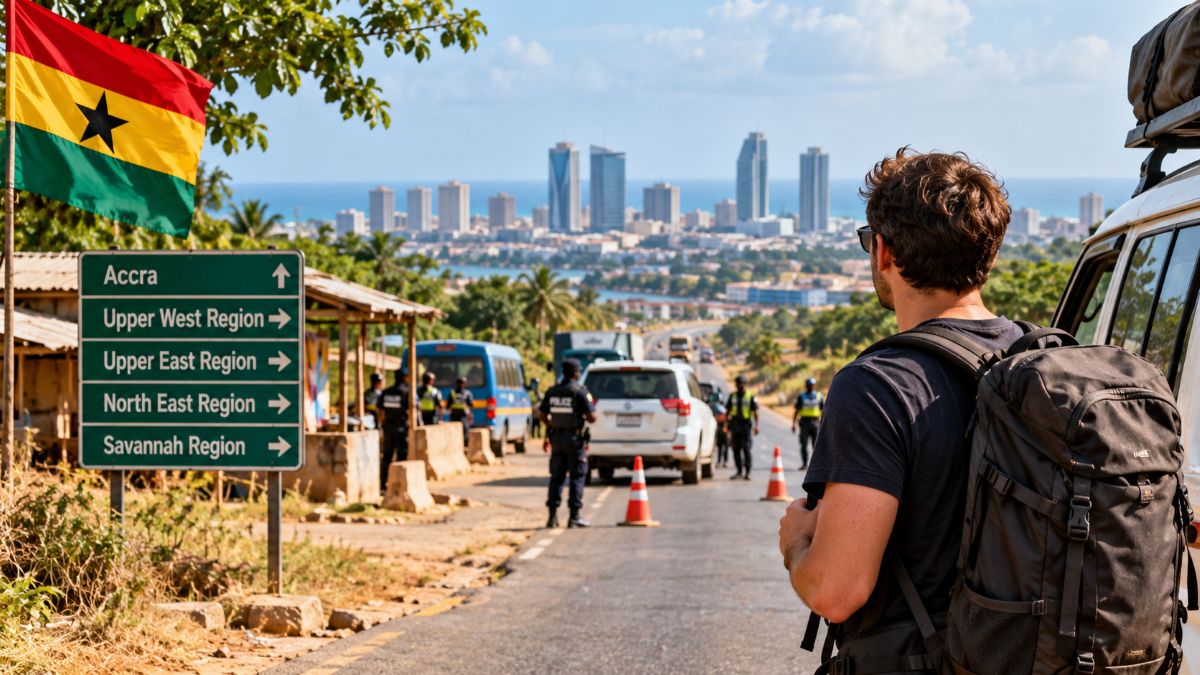
Ghana, Accra — A holiday in Ghana can mean lively markets, Atlantic beaches, historic forts and warm hospitality. Yet travellers planning a visit also need to understand the safety concerns that could affect their journey. The United States continues to advise visitors to exercise increased caution across Ghana, highlighting violent crime, limited healthcare facilities and risks in parts of the country’s north. A separate health notice issued in October has added another concern for people visiting the Upper West Region. guidance makes clear that preparation matters, particularly for travellers heading away from major cities.
Ghana Remains Under a Level 2 US Travel Advisory
The US State Department’s advisory, updated on 7 July 2026, retains Ghana at Level 2, meaning travellers should exercise increased caution. The government did not raise the country’s overall advisory level in that update. Instead, it revised the advisory summary and added a health-risk indicator.
Advertisement
Advertisement
The warning covers several concerns, including crime, limited medical infrastructure, violence against women and risks affecting lesbian and gay travellers. However, the advice is not a blanket instruction to avoid the entire country. Specific northern areas carry a stronger Level 3 recommendation, asking visitors to reconsider travel because of crime and security concerns.
This distinction is important for tourists and travel operators. Accra and other established destinations should not automatically be treated as equivalent to locations covered by more restrictive regional advice. Travellers need to check the guidance for their intended route, rather than judging the whole country by a single warning.
Advertisement
Advertisement
Northern Ghana Faces Greater Security Concerns
The US identifies northern border areas in the Upper East, North East and Upper West regions as places where visitors should reconsider travel. The warning also covers areas west of the N12 highway in the Savannah Region.
According to the State Department, these locations face risks including highway robbery, carjacking, assault and sexual violence. Limited police presence can make it harder for visitors to obtain assistance quickly if an incident occurs. The advisory also notes that militant groups have carried out attacks in neighbouring Burkina Faso, including areas near Ghana’s border.
Advertisement
Advertisement
Other governments have issued their own regional warnings. The UK’s Foreign, Commonwealth & Development Office advises against all but essential travel to Bawku Municipality in the Upper East Region. Australia’s Smartraveller advises against travel to the northern border with Burkina Faso and recommends reconsidering trips to the Upper East and Upper West regions.
These warnings are not identical, and their geographical boundaries differ. Travellers should therefore consult the official advice issued by their own government before finalising a northern Ghana itinerary.
Yellow Fever Notice Adds a Health Concern
Security is not the only issue requiring attention. On 16 October 2026, the US Centers for Disease Control and Prevention reported a yellow fever outbreak in Ghana’s Upper West Region.
The CDC advises travellers visiting the affected region to get vaccinated at least 10 days before travel and take precautions against mosquito bites. Travellers should consult a healthcare professional well ahead of departure to confirm their vaccination needs and whether the vaccine is suitable for them.
Yellow fever is a mosquito-borne viral disease that can cause serious illness. There is no specific medicine that cures the infection, making prevention particularly important. The CDC also recommends yellow fever vaccination for travellers aged nine months and older visiting Ghana, and Ghana requires proof of vaccination for arriving travellers in that age group.
Malaria is another important consideration. Travellers should seek medical advice about preventive medication, use suitable insect repellent and follow precautions recommended for their destination. The regional yellow fever notice should not be interpreted as evidence that every part of Ghana is experiencing the same outbreak conditions.
Advertisement
Advertisement
Limited Healthcare Could Complicate Emergencies
Medical access is another reason the US advises caution. Health facilities are available in Accra and other major cities, but adequate care can be harder to find in rural areas. Emergency medical services are limited outside Accra, and a serious incident may require evacuation.
For tourists, this can affect everything from choosing accommodation to planning excursions far from major urban centres. Travellers should check their insurance policy carefully, particularly whether it covers emergency medical evacuation and treatment abroad. Some hospitals may also require upfront payment or proof of insurance before providing treatment.
Visitors travelling into remote regions should identify suitable medical facilities in advance and keep emergency contact details accessible. These precautions are especially important for people with existing medical needs or plans involving long road journeys.
Road Travel and Personal Safety Need Attention
The US advisory highlights risks associated with driving after dark, particularly outside major cities, where lighting and road conditions can be poor. Highway robberies have also been reported on routes in northern Ghana and other regions.
Travellers should consider arranging transport through reputable providers, avoiding unnecessary nighttime journeys and sharing their route details with someone they trust. Keeping valuables out of sight, staying alert in crowded areas and using caution around ATMs can also help reduce exposure to theft.
The UK government separately warns about street crime, vehicle attacks and theft in tourist areas. Visitors should remain alert without assuming that every encounter or destination presents the same level of risk.
Advertisement
Advertisement
What Tourists Should Do Before Visiting Ghana
A well-planned trip begins with checking official advice shortly before departure. Security conditions and health notices can change, so travellers should not rely solely on older travel guides or social media posts.
Visitors should confirm their vaccination requirements, arrange appropriate insurance, book reliable transport and review the safety of each region included in their itinerary. Those planning trips near the northern border should pay particular attention to local restrictions and consider whether alternative destinations would better suit their plans.
Travel agents and tour operators should communicate regional warnings clearly, rather than describing Ghana as uniformly dangerous. Accurate information helps visitors make informed decisions while allowing destinations outside affected areas to be assessed on their own circumstances.
Ghana Trips Require Preparation, Not Panic
Ghana remains a destination known for its culture, coastline and history, but travellers should not overlook the practical realities behind the latest government warnings. The US advisory highlights security and healthcare challenges, while the CDC’s October notice adds a specific health concern for visitors to the Upper West Region.
For anyone dreaming of exploring Ghana, the best approach is to plan carefully, check the latest official guidance and understand the risks associated with each stop. A little preparation before departure can help travellers make better decisions, protect their health and enjoy their journey with greater confidence.
Advertisement
