
Limassol, Mykonos, and Rhodes Launch Cyprus Tourism Boom with Marella Discovery II’s 2026 Homeport Season: All You Need to Know

Published
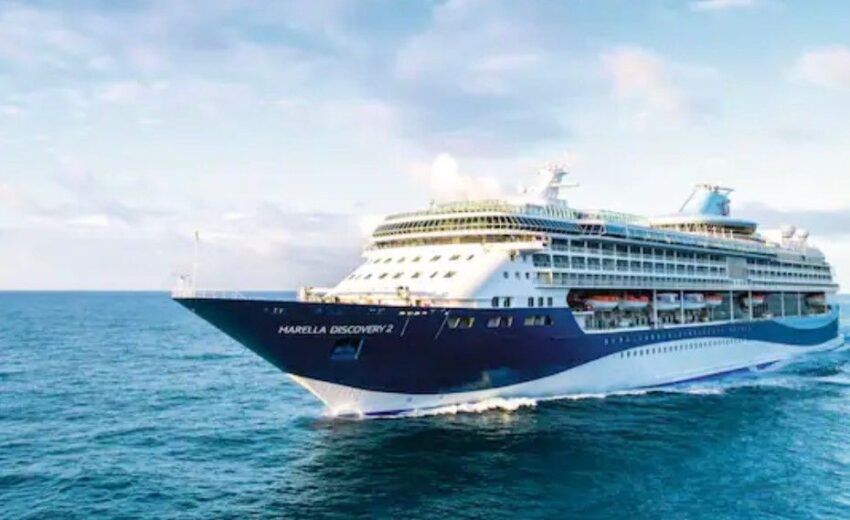
Limassol, Mykonos, and Rhodes anchor the 2026 Cyprus tourism season as Marella Discovery II arrives at DP World Limassol cruise terminal to commence homeporting operations with 26 scheduled calls from April to November. The eight-day itineraries circle Greek hotspots including Kusadasi, Piraeus, Souda in Crete, and Rhodes before returning to Limassol, blending island-hopping with cultural immersion to amplify regional tourism revenues. This second year of full fly-cruise packages via Larnaca and Paphos airports positions Cyprus as an Eastern Mediterranean hub, funneling British and European visitors into extended stays that bolster local economies.
Homeport Strategy Transforms Limassol Tourism
Limassol solidifies its role as Cyprus tourism powerhouse through Marella Discovery II‘s dedicated season, hosting the eighteen hundred seventy-four-passenger ship formerly known as Legend of the Seas, which marked thirty years of service in 2025. The terminal’s infrastructure supports seamless turnarounds, aligning with national strategies to double cruise arrivals by 2030 and generate millions in direct spending. Frequent calls encourage pre- and post-cruise explorations of Limassol‘s marina, archaeological sites, and wine routes, dispersing tourism benefits to inland villages.
Advertisement
Advertisement
Government-backed port expansions at DP World Limassol enhance capacity for boutique cruises, mitigating overcrowding while prioritizing high-yield markets. This homeporting model sustains year-round tourism vitality, complementing summer beach peaks with shoulder-season sailings that support hospitality jobs exceeding forty percent of the sector’s workforce.
Greek Island Circuit Elevates Tourism Profiles
Mykonos receives regular visits for its windmills and nightlife, where tourism authorities promote sustainable caps to preserve Cycladic charm amid rising cruise traffic. Rhodes‘ medieval Old Town, a UNESCO site, benefits from day excursions to Lindos and butterfly valleys, injecting revenue into heritage restoration funds. Kusadasi links to Ephesus ruins, boosting Turkey’s Aegean tourism through cross-border passenger flows that fund ancient site maintenance.
Advertisement
Advertisement
Piraeus, Athens’ gateway, channels guests to Acropolis and Plaka, aligning with Greece’s maritime tourism masterplan targeting fifteen percent growth via improved shuttle services. Souda in Crete spotlights Venetian harbors and WWII history, supporting island economies through agro-tourism pairings like olive oil tastings. These ports gain from extended dwell times, fostering authentic engagements that outpace mass tourism impacts.
Fly-Cruise Integration Boosts Accessibility
Full fly-cruise operations via Larnaca and Paphos airports streamline arrivals, reducing barriers for UK travelers and elevating Cyprus tourism conversion rates by twenty percent. Transfers to Limassol terminal integrate with domestic flights, encouraging multi-island hops that amplify ancillary spending in car rentals and guided tours. This model aligns with Cyprus‘ aviation-tourism synergy, where Larnaca’s expansions handle peak surges from cruise flyers.
Advertisement
Advertisement
Paphos‘ archaeological parks and beaches draw overnights, supporting UNESCO initiatives that link ancient sites to modern tourism. Seamless packages minimize logistics, positioning Limassol as a no-hassle base for Eastern Med explorations and sustaining off-peak demand.
Cyprus Tourism Economic Multipliers
Cyprus tourism relies on cruises for ten percent of arrivals, with Limassol generating euro one hundred fifty million annually through passenger expenditures on retail, dining, and excursions. Marella Discovery II‘s twenty-six calls project fifty thousand visitors, fueling GDP contributions amid national recovery targets post-pandemic. Port dues and taxes fund infrastructure like smart docking systems, enhancing competitiveness against rivals like Piraeus.
Diversified itineraries counteract beach seasonality, promoting cultural tourism in Troodos Mountains and Apostolos Andreas Monastery. Family-oriented facilities onboard, including rock-climbing and mini-golf, attract multi-gen groups, extending average stays and spend per head.
Greek Ports’ Cruise Tourism Surge
Mykonos tourism thrives on luxury segments, with port upgrades funding eco-friendly marinas that balance two million annual visitors. Rhodes leverages crusader history for themed tours, supporting eighty thousand jobs tied to tourism. Crete‘s Souda enhances naval museum visits, tying into EU Blue Economy grants for sustainable growth.
Piraeus‘ metro links disperse crowds to Athens core, aligning with Greece’s 2027 tourism strategy emphasizing quality over quantity. Kusadasi benefits from Ephesus ticket sales, bolstering Turkey’s coastal revival plans.
Marella Discovery II’s Vessel Legacy
Celebrating thirty years, Marella Discovery II offers eleven decks with outdoor cinema, kids’ clubs, and Broadway-style shows, catering to British preferences for all-inclusive cruising. TUI Group’s ownership ensures high service standards, drawing repeaters who amplify tourism loyalty across Cyprus and Greece. Refits maintain modern amenities, supporting long-term deployments that stabilize port revenues.
Advertisement
Advertisement
Broader Eastern Mediterranean Impact
Limassol‘s homeport status cements Cyprus as a strategic nexus, rivaling Israeli and Egyptian ports through reliable scheduling. Interconnectivity with Mykonos, Rhodes, and peers fosters regional alliances, enhancing visa policies and joint marketing. Tourism boards project 15% uplift from such programs, funding green initiatives like electric shuttles.
Sustained calls promise enduring economic vitality, from Limassol‘s waterfront developments to Greek islands’ heritage preservation, ensuring resilient tourism ecosystems.
Image Credit: TUI Group
Advertisement
