Swagata Sen Swagata Sen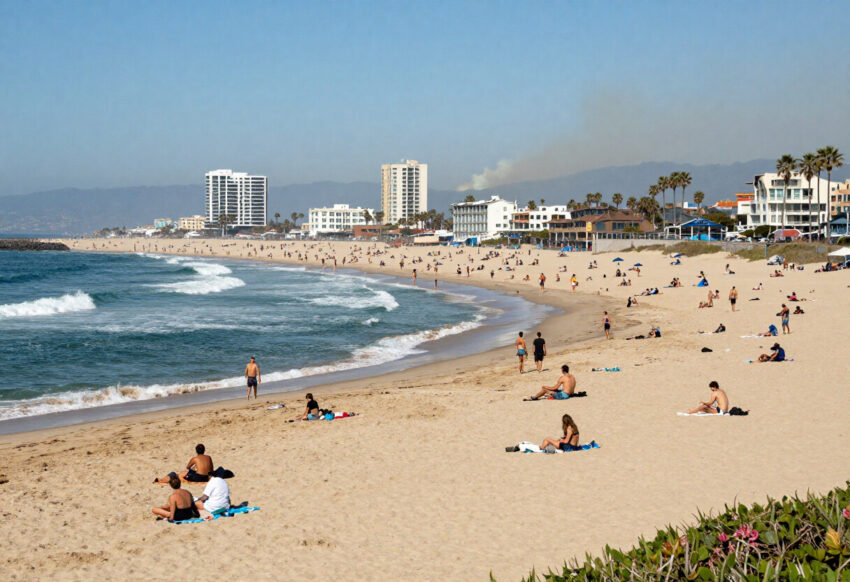
Image generated with Ai
The start of 2026 brings renewed concerns to travellers as a fresh wildfire erupts in Los Angeles County. On January 14, a blaze broke out, adding to the already unpredictable wildfire season in Southern California. While the fire continues to be contained, the news has sent shockwaves through the tourism industry, affecting local attractions, hotels, and transportation systems.
Every year, the stunning landscapes of California attract millions of tourists, lured by the sun-soaked beaches, glamorous attractions, and vibrant cultural scene. However, as Los Angeles continues to grapple with wildfire threats, travelers must consider how natural disasters could impact their trip.
Advertisement
The latest fire, which began on January 14, 2026, ignites near areas frequented by tourists. Though officials have yet to release full containment information, the potential for disruption to major tourist destinations remains high. Travel experts advise tourists to check with local authorities for any warnings or evacuation notices, particularly for travellers heading to the Santa Monica Mountains, Griffith Park, and the Hollywood Hills, which are often prone to wildfires during the dry season.
While fire threats loom, Los Angeles’ vibrant tourism scene is still thriving. Hotels, resorts, and tourist attractions such as Universal Studios and Venice Beach are still operating, but disruptions are possible. Many travelers have already been impacted by this ongoing situation, as flights to California face delays, and certain roadways may be temporarily closed for safety.
Advertisement
Advertisement
Hotels, particularly those near the Santa Monica Pier, Malibu Beach, and Venice Beach, could experience cancelled bookings or altered services. However, many of these establishments are working closely with local authorities to ensure that guests remain safe while minimizing disruptions. If you’re planning to stay in these areas, it is advisable to call ahead and confirm your booking and any possible changes.
California has long been an enviable destination for travelers worldwide. From the Hollywood Walk of Fame to the luxurious vineyards of Napa Valley, the state’s tourist economy has flourished. But as wildfires continue to blaze through popular regions, the very charm of these destinations is under threat. The latest fire in Los Angeles County is another vivid reminder of how volatile nature can impact travel in this region.
Tourism professionals and travel companies are beginning to re-evaluate what’s next for California’s tourism future. Increased firefighting resources, improved technology, and weather forecasting tools are helping authorities respond more effectively. However, tourists are urged to take precautions, especially as the fire season grows longer and more intense due to climate change.
Despite the increasing threat of wildfires, Southern California remains one of the world’s premier tourist destinations, offering everything from luxury resorts to thrilling adventure parks. Visitors continue to flock to the city, with beaches, theme parks, museums, and a rich cultural scene making it a vibrant and unforgettable place to visit.
Advertisement
Advertisement
While wildfire risks are an undeniable part of California’s landscape, they do not overshadow the state’s draw. Hollywood, Los Angeles, and San Diego boast some of the most iconic landmarks and experiences in the United States, attracting millions of visitors each year. The sun-drenched beaches, the famous movie studios, and the unparalleled California lifestyle will continue to captivate tourists from around the world.
Traveling to California, especially during the wildfire season, requires a balance of excitement and caution. While Los Angeles County remains a sought-after destination for millions, travelers must remain vigilant about potential natural hazards that may arise. It’s vital to stay informed, remain flexible, and plan accordingly. By taking the necessary precautions, visitors can still enjoy everything California has to offer while staying safe in the face of unpredictable wildfire seasons.
The ongoing wildfire threat in California is beginning to have noticeable economic effects, especially in tourism-dependent areas like Los Angeles and the surrounding counties. As wildfires become more frequent and intense, travelers are increasingly cautious, leading to a dip in visitor numbers, particularly during peak seasons. Local businesses that rely on tourists, from beachfront restaurants to tour operators, have reported slower than expected traffic due to cancellations and delays.
Travel industry experts are urging California to innovate in ways that can reduce the economic fallout of such disasters. Investment in sustainable tourism and emergency response infrastructure will be crucial in keeping California’s economy resilient. In the long term, ensuring that visitors feel safe and welcome despite natural threats will require a robust system of real-time wildfire updates, emergency protocols, and eco-friendly disaster prevention measures.
Technology plays an increasingly critical role in ensuring the safety of both residents and visitors in California. From early warning systems that track fire spread to drone surveillance for mapping affected areas, technological advancements are helping authorities respond faster and more effectively. For tourists, staying informed about fire risks through apps and websites provided by CAL FIRE and local agencies is becoming an essential part of planning a trip to wildfire-prone regions.
Moreover, California’s tourism industry is embracing technology to offer safer and more sustainable travel options. Many hotels and attractions are incorporating smart booking systems that provide instant notifications about local weather conditions and fire-related disruptions, helping travellers make informed decisions. The rise of virtual reality tourism experiences is also offering an alternative for those who wish to explore California’s iconic locations without the risk of being caught in a natural disaster. This blend of innovation and adaptation is crucial for maintaining California’s appeal as a premier travel destination.
Advertisement
Advertisement
Advertisement













Saturday, September 5, 2026

Saturday, September 5, 2026

Saturday, September 5, 2026

Saturday, September 5, 2026

Saturday, September 5, 2026

Saturday, September 5, 2026

Saturday, September 5, 2026