
Alaska And Hawaiian Refresh Onboard Drinks With Local And Global Flair: What You Need To Know

Published
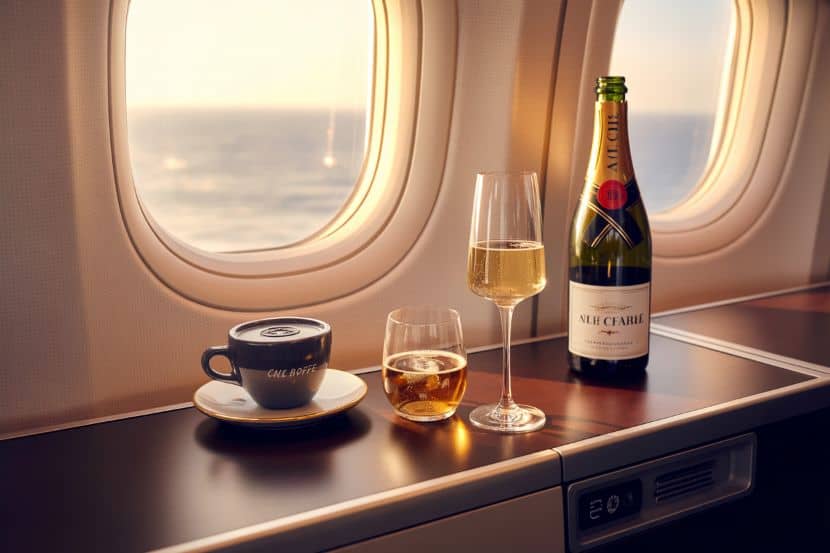
Image generated with Ai
Travelers heading to Hawaiʻi and beyond this summer will notice a sharper focus on onboard hospitality, with Alaska Airlines and Hawaiian Airlines introducing a new beverage lineup designed to make flying feel more curated and more place-specific. The latest refresh includes Stumptown Copilot Cold Brew on select Alaska flights, an elevated international business class wine program across both brands, and Hawaiian’s Tide & Vine offering in Main Cabin with a direct connection to ocean restoration work in Maunalua Bay.
What makes this rollout especially relevant for travel readers is that it goes beyond a simple menu update. It links inflight service to destination identity, pairing West Coast coffee culture, premium international wine, and Hawaiʻi stewardship in one seasonal experience. For passengers, that means the journey itself becomes part of the story, not just the means of reaching the island getaway.
Advertisement
Advertisement
A Beverage Refresh With A Travel Story
Alaska Airlines says the new lineup is meant to serve guests across cabins, with Stumptown Copilot Cold Brew offered exclusively on select domestic flights and on service to and from Reykjavík, while business class flyers on long-haul international routes get a premium wine selection anchored by Champagne and respected Napa and California labels. Alaska also states that the cold brew is complimentary in First Class and Premium Class and available for purchase in Main Cabin. The airline’s approach reflects a broader strategy of pairing onboard dining with recognizable regional brands and elevated presentation.
Hawaiian Airlines is taking a different but complementary path with Tide & Vine, a Main Cabin wine program available on board now and tied to Mālama Maunalua, a nonprofit focused on restoring Maunalua Bay. That link matters to travelers because it gives the inflight experience a local conservation dimension, turning a beverage choice into a small contribution toward a coastal ecosystem that is part of the island’s identity. For visitors planning a trip to Oʻahu, it also creates a natural bridge between the flight and the destination itself.
Advertisement
Advertisement
Why Maunalua Bay Matters
Maunalua Bay sits on Oʻahu’s south shore near Hawaiʻi Kai and has been the focus of multiple government-led and community-backed restoration efforts in recent years. The Hawaiʻi Department of Land and Natural Resources has documented dredging and facility improvement work at the Maunalua Bay Boat Ramp, including maintenance dredging, shoreline replenishment, and repairs intended to improve safe ocean access. That makes the bay more than a scenic backdrop; it is an active working shoreline where recreation, access, and conservation all overlap.
Advertisement
Advertisement
The state has also identified Maunalua Bay as part of broader coral restoration activity, including coral outplanting efforts supported through public partnerships. For travelers, this adds important context: the area is beautiful, but it is also ecologically sensitive and the subject of long-term recovery work. In practical terms, visitors should respect posted rules, avoid disturbing marine life, and treat the shoreline as both a recreation zone and a restoration landscape.
Crisp Travel Guide For Oʻahu Visitors
Maunalua Bay is best appreciated by travelers who want a calmer, more local-feeling side of Oʻahu rather than the busiest resort strip. The area can work well for visitors interested in scenic coastal drives, shoreline views, paddling culture, and reef-conscious sightseeing. Because the bay is also tied to boating and ocean access facilities, it is a useful stop for travelers who want to understand how Hawaiʻi balances tourism with everyday community use.
A good day in this part of Oʻahu can combine a slow coastal outing, respect for marine conditions, and a broader south-shore itinerary that includes nearby Honolulu neighborhoods and oceanfront viewpoints. Government guidance has repeatedly stressed that ocean conditions along this stretch can be dangerous, especially near rock shelves, caves, and surf-exposed areas, so caution is essential even for confident swimmers. The safest travel style here is simple: look, learn, photograph, and enjoy the scenery without taking unnecessary risks.
Advertisement
Advertisement
What This Means For Airline Travellers
For frequent flyers, the beverage update shows how airlines are using food and drink to shape brand identity in a competitive travel market. Alaska’s cold brew and international wine program are meant to reinforce premium service across classes, while Hawaiian’s Tide & Vine adds a local philanthropic layer that resonates with destination-focused travelers. Alaska has also recently invested in a broader onboard food-and-beverage approach, including premium seasonal menus and other beverage additions, which suggests this summer rollout is part of a longer service strategy rather than a one-off promotion.
For travel writers and readers, the bigger takeaway is that airline amenities increasingly serve as destination marketing. A cup of coffee or a glass of wine may seem small, but when those products are tied to Oʻahu stewardship, West Coast sourcing, and long-haul premium cabins, they help tell a more complete travel story. That makes the route experience more memorable and gives visitors an easier way to connect with the places they are flying to.
Advertisement
Advertisement
Closing Perspective
Summer travel often comes down to small details that shape the trip from the first hour onward, and this beverage refresh is built around exactly that idea. Alaska and Hawaiian are using drinks not only to improve comfort but also to spotlight regional brands, international wine service, and a conservation-linked island identity that is especially meaningful in Hawaiʻi. For readers planning a visit, the result is a stronger case for seeing the flight as part of the destination experience.
Maunalua Bay gives the story added depth because it shows how tourism, community access, and environmental care can intersect in one place. That makes the new beverage program more than inflight news; it becomes a useful entry point into a wider Oʻahu travel narrative that blends premium service with place-based responsibility.
Advertisement
