
Colombia’s Medellín Gains International Tourism Momentum Through Gastronomy, Culture and Urban Renewal

Published
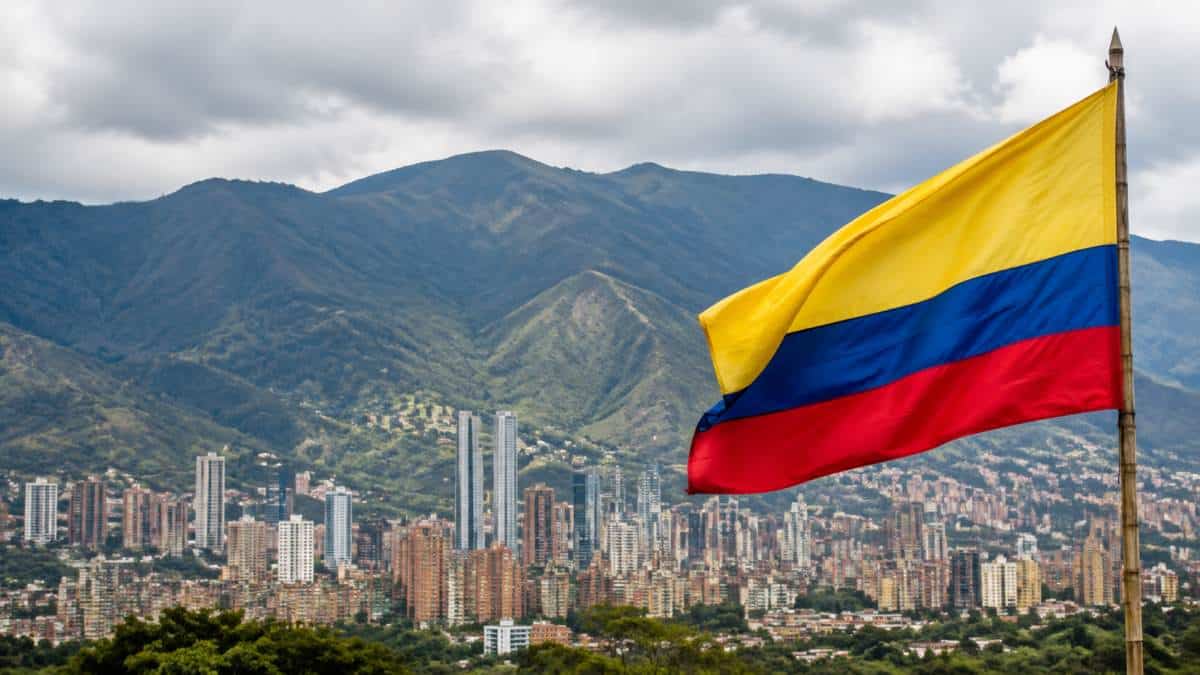
Colombia’s Medellín gains international tourism momentum through gastronomy, culture and urban renewal, attracting overseas visitors interested in the city’s changing identity, expanding culinary scene and distinctive neighbourhood experiences. Once internationally associated with organised crime and violence, Medellín has developed a broader tourism profile centred on cultural heritage, public transport innovation, creative industries and urban transformation.
The capital of Antioquia has become an increasingly visible destination within Colombia’s international tourism market. Its restaurants, museums, public spaces and surrounding mountain landscapes offer experiences that appeal to leisure travellers seeking alternatives to conventional beach holidays.
Medellín’s tourism development has also benefited from international aviation connectivity, hospitality investment and destination promotion.
However, the city’s growth should be distinguished from unverified claims that it ranks among South America’s fastest-growing destinations. Establishing such a ranking would require comparable international visitor data across competing cities.
Advertisement
Advertisement
Safety also remains an important consideration. Medellín’s urban transformation has changed its international image, but improvements in infrastructure and tourism development do not mean that crime risks have disappeared.
For international travellers, the city presents an opportunity to explore contemporary Colombian culture while making informed decisions about accommodation, transport and personal security.
Advertisement
Advertisement
Medellín’s Tourism Statistics Show Growing International Recognition
Official figures from Medellín’s municipal government provide evidence of the city’s expanding international tourism market.
During the first six months of 2025, Medellín welcomed approximately 954,600 tourists, representing growth of 12.4% compared with the corresponding period in 2024.
Of these visitors, approximately 546,000 were international tourists, an increase of 11.8%.
The United States remained an important source market, alongside Panama, the Dominican Republic, Mexico and Peru.
More recent municipal statistics also show that tourism demand is becoming less concentrated in traditional peak seasons.
Medellín Tourism Performance
| Tourism Indicator | Reported Figure | Period |
|---|---|---|
| Total tourist arrivals | 954,600 | January–June 2025 |
| Growth in total tourists | 12.4% | Compared with 2024 |
| International tourist arrivals | 546,000 | January–June 2025 |
| International tourist growth | 11.8% | Compared with 2024 |
| Visitors from the United States | 310,517 | 2025 |
| Visitors from Panama | 152,373 | 2025 |
| Visitors from Mexico | 75,646 | 2025 |
Source: Medellín Mayor’s Office, Tourism and Entertainment Secretariat, and the city’s Tourism and Entertainment Intelligence System (SITE).
Advertisement
Advertisement
The figures establish meaningful international tourism growth during 2025, although they do not independently establish Medellín’s ranking among South American cities.
Gastronomy Becomes a Major Attraction for International Visitors
Medellín’s expanding restaurant and culinary sector has become an increasingly important component of its tourism economy.
According to municipal data published in 2026, the city had 12,012 establishments associated with gastronomic activities.
This represented an increase of 5.9%, equivalent to 674 additional establishments, compared with 2025.
The figures illustrate the expansion of restaurants, cafés and other food-related businesses serving residents and visitors.
Medellín’s culinary identity combines traditional Antioquian cooking with contemporary dining concepts.
Advertisement
Advertisement
Regional dishes such as bandeja paisa, arepas, beans, rice and plantains remain central to local gastronomy.
At the same time, restaurants increasingly offer international cuisines, modern interpretations of Colombian ingredients and speciality coffee experiences.
Neighbourhoods including El Poblado, Laureles and Manila have developed dining environments that appeal to visitors seeking a combination of food, nightlife and urban culture.
For international travellers, gastronomy provides an accessible way to experience the city’s traditions while supporting local hospitality businesses.
Cultural Tourism and Urban Renewal Transform Medellín’s Visitor Experience
Medellín’s tourism identity has developed alongside investments in public transport, cultural facilities and urban infrastructure.
The city’s Metro and Metrocable systems have become internationally recognised examples of urban mobility.
Advertisement
Advertisement
The cable car network connects hillside communities with other parts of the metropolitan transport system, improving accessibility in areas where steep terrain presents challenges.
Cultural attractions also contribute to the city’s appeal.
Plaza Botero features sculptures associated with Colombian artist Fernando Botero, while the Museo de Antioquia provides opportunities to explore regional artistic heritage.
Comuna 13 has become an established destination for guided cultural tours, street art and community storytelling.
Its transformation is frequently associated with Medellín’s wider urban renewal narrative.
However, visitors should approach these experiences with an understanding of the neighbourhood’s complex history and the importance of supporting responsible, community-led tourism.
Advertisement
Advertisement
Medellín’s Major Tourism Attractions
| Attraction | Main Experience | Tourism Appeal |
|---|---|---|
| Comuna 13 | Street art and community-led tours | Urban culture and local history |
| Plaza Botero | Public sculptures | Colombian art and cultural heritage |
| Museo de Antioquia | Art exhibitions | Regional history and creativity |
| Metrocable | Cable car journeys | Urban transport and mountain views |
| Jardín Botánico | Gardens and biodiversity | Nature and relaxation |
| Parque Arví | Forest trails and outdoor activities | Ecotourism and hiking |
| Pueblito Paisa | Traditional architecture | Antioquian cultural heritage |
| El Poblado | Restaurants and entertainment | Gastronomy and urban leisure |
These attractions help diversify Medellín’s tourism offering beyond conventional sightseeing.
International Aviation Strengthens Medellín’s Tourism Connections
José María Córdova International Airport serves as the principal international aviation gateway for Medellín and the surrounding Antioquia region.
The airport provides connections to destinations across the Americas and other international markets.
According to municipal statistics, more than 1.8 million passengers entered Colombia through the airport’s immigration checkpoint during 2024.
Of these, 58.7% were foreign visitors or Colombian non-residents.
The figures highlight the importance of international aviation to Medellín’s tourism economy.
Advertisement
Advertisement
However, immigration arrivals at the airport should not automatically be treated as visitors staying exclusively in Medellín, because the airport also serves other destinations.
Improved international accessibility supports the city’s attractiveness for leisure travel, conferences, business events and longer stays.
Tourism Generates Significant Economic Activity in Medellín
Tourism has become an important contributor to Medellín’s hospitality and service economy.
Municipal analysis published in July 2026 estimated that tourism-related spending during 2025 could have approached nine trillion Colombian pesos.
The estimate was based on approximately four trillion pesos in measurable card transactions and an adjustment reflecting the payment processor’s market coverage.
Because the larger figure is an estimate rather than a complete accounting of all visitor spending, it should be interpreted cautiously.
Advertisement
Advertisement
The underlying transaction data nevertheless demonstrates substantial economic activity associated with tourism.
Hotels, restaurants, transport providers, entertainment businesses and retail establishments all participate in the visitor economy.
International tourism also creates opportunities for cultural guides, independent businesses and local entrepreneurs.
Safety Remains an Important Consideration for International Travellers
Medellín’s international reputation has changed considerably over recent decades, supported by urban development and tourism investment.
However, safety remains a significant issue.
In 2026, the city introduced a District Tourism Security Plan covering the period from 2026 to 2030.
Advertisement
Advertisement
The programme aims to strengthen visitor protection, improve coordination between institutions and address crimes affecting tourism.
Its priorities include theft prevention, combating human trafficking and protecting children from sexual exploitation.
International visitors should remain aware that Colombia continues to face security challenges.
The United States Department of State issued a Level Three advisory for Colombia in March 2026, recommending that travellers reconsider visiting the country because of risks including crime, terrorism, civil unrest and kidnapping.
Visitors should therefore review official travel guidance, use reputable transport services, protect valuables and exercise particular caution in unfamiliar areas.
Tourism growth and urban renewal do not eliminate the need for practical safety precautions.
Advertisement
Advertisement
Medellín’s Tourism Growth Faces New Challenges in 2026
Although Medellín recorded strong tourism growth during 2025, more recent figures indicate that expansion has not been uniform.
Municipal tourism analysis for the first half of 2026 identified weaker international spending and changes in visitor demand.
Foreign card spending declined by 18.2% compared with the corresponding period in 2025, while domestic spending increased.
The findings highlight the importance of distinguishing long-term tourism development from short-term market performance.
Exchange-rate conditions, international events and changes in consumer spending can influence tourism activity.
For Medellín, maintaining international competitiveness will require continued investment in destination management, hospitality quality, visitor safety and sustainable tourism.
Advertisement
Advertisement
Conclusion: Colombia’s Medellín Gains International Tourism Momentum Through Gastronomy, Culture and Urban Renewal
Colombia’s Medellín gains international tourism momentum through gastronomy, culture and urban renewal, supported by growing visitor interest, expanding hospitality services and a diverse range of cultural attractions.
Official statistics show that international tourist arrivals increased during the first half of 2025, while the city’s restaurant sector continued expanding into 2026.
Medellín’s transformation has created opportunities for visitors to experience Colombian cuisine, contemporary art, historic neighbourhoods and innovative urban transport.
However, claims that the city is among South America’s fastest-growing destinations require comparable regional statistics, while security concerns remain relevant to international travel planning.
For Colombia’s tourism industry, Medellín represents an important urban destination whose future growth will depend on maintaining visitor confidence, supporting local communities and delivering high-quality travel experiences.
Advertisement
