
Tübingen, Motovun and More Fuelling Europe Tourism for Eight Consecutive Months in 2026 with Surprising Turn of Travel Boom

Published
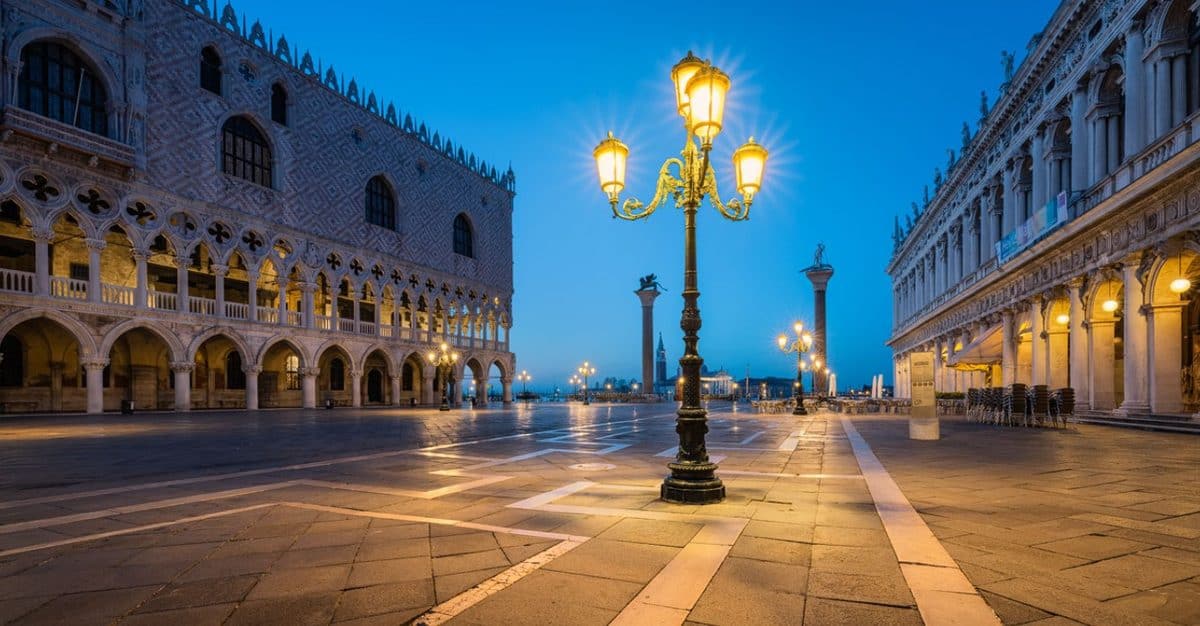
Image generated with Ai
The travel landscape is shifting dramatically, with hidden gems like Tübingen, Motovun, and more fuelling Europe tourism in 2026 for eight consecutive months. Rather than overcrowding traditional hotspots, international visitors are now seeking authentic, culturally rich, and sustainable destinations. This surprising turn of tourists is reshaping the economic realities of regional travel, driving a notable expansion across the continent. With the European Travel Commission reporting robust growth, these secondary destinations are no longer just alternative options; they have become the primary engines of industry success. Understanding this evolving dynamic is essential for grasping the broader future of global travel markets.
The Shifting Paradigm of European Travel in 2026
The global travel landscape is currently undergoing a profound structural transformation. For decades, the narrative of European travel was dominated by capital cities and coastal mega-resorts. However, the data recorded over the past year paints a vastly different picture. We are now witnessing an unprecedented decentralisation of visitor footfall, directly benefiting smaller, historically rich regions that previously operated on the periphery of the global tourism economy.
Advertisement
Advertisement
Moving Beyond Traditional Megacity Hotspots
Travellers are consciously moving away from overcrowded traditional hotspots such as Paris, Rome, and Barcelona. This pivot is not merely a passing phase but a structural realignment of consumer preferences. Driven by a desire to escape the congestion of major metropolises, modern tourists are increasingly drawn to destinations that offer breathing room, pristine environments, and genuine community interactions. The strain on megacities has prompted both local governments and international bodies to actively promote alternative itineraries. By directing foot traffic toward lesser-known rural and suburban gems, authorities are effectively mitigating the negative impacts of overtourism while simultaneously boosting the economic vitality of overlooked provinces. This strategic shift is proving to be a cornerstone of Europe tourism in 2026.
The Post-Pandemic Catalyst for Authentic Travel
The catalytic effect of the post-pandemic era on travel behaviour cannot be overstated. Health, wellness, and a re-evaluation of personal priorities have deeply influenced how and where people choose to spend their leisure time. International visitors now prioritise authentic, immersive experiences over fast-paced sightseeing. They wish to engage with local artisans, understand regional history, and partake in traditional culinary practices. This profound search for authenticity has elevated the status of historic university towns, medieval hilltop villages, and remote coastal enclaves. The emphasis is now squarely placed on quality over quantity, with visitors opting for longer stays in single locations rather than rushed, multi-country tours.
Advertisement
Advertisement
Analysing the Surprising Turn of Tourists Towards Regional Hubs
The surprising turn of tourists towards regional hubs is supported by a confluence of improved regional connectivity, targeted digital marketing, and changing demographics. A recent Mastercard Economics Institute analysis shows that visitors in 2026 are increasingly venturing beyond traditional hotspots to discover less crowded locations that provide authenticity and local culture. Younger demographics, particularly Millennials and Gen Z, heavily value journey-focused travel where the route itself becomes part of the experience. Furthermore, the rise of remote work and digital nomadism allows professionals to embed themselves in regional hubs for extended periods. This new breed of traveller actively seeks out the unique charm and unhurried pace of secondary destinations, fundamentally altering the revenue streams of the European hospitality sector.
Advertisement
Advertisement
The Eight-Month Growth Phenomenon
The economic data streaming in throughout 2026 highlights a remarkable period of sustained expansion. For eight consecutive months, the continent has recorded steady increases in both international arrivals and overnight stays, a feat largely attributed to the robust performance of regional tourism markets.
Examining the Latest Eurostat Data and Trends
Recent figures compiled by Eurostat underscore the sheer magnitude of this growth trajectory. Short-stay accommodation offered via collaborative economy platforms has seen a marked increase across both NUTS 1 and NUTS 2 regional levels. The data indicates that international tourism receipts and overnight visitor metrics are not just recovering, but in many secondary regions, they are actively surpassing previous historical peaks. This decentralised growth model suggests a healthier, more resilient tourism economy that is less susceptible to the seasonal fluctuations that traditionally plagued the industry.
European Travel Commission Insights on Visitor Behaviour
The European Travel Commission (ETC) has provided invaluable insights into these shifting behavioural patterns. According to the ETC’s Q1/2026 report, international tourist arrivals to Europe were up by 5.6% compared to the same period in the previous year, highlighting a very strong start to the year despite global economic uncertainties. The commission noted that travellers are actively seeking out travel substitution toward destinations perceived as safer and offering better value. This analytical framework confirms that the eight consecutive months of growth are fundamentally underpinned by a strategic consumer pivot towards value-rich, culturally distinct regional markets.
Advertisement
Advertisement
Tracking the Monthly Progression from January to August
Tracing the monthly progression from January through to August 2026 reveals a consistently upward curve. The winter months benefited heavily from strong gains in alternative ski destinations and cultural winter festivals in Northern and Central Europe. As the seasons transitioned into spring and summer, the momentum seamlessly shifted towards rural retreats and coastal hidden gems. The shoulder seasons of May and early June, in particular, saw extraordinary occupancy rates, proving that the traditional summer peak is broadening. By August 2026, the aggregate data confirmed an unbroken eight-month streak of year-on-year growth, firmly establishing 2026 as a landmark year for European travel.
Tübingen: Germany’s Sustainable Tourism Model
Nestled in the heart of Baden-Württemberg, the university town of Tübingen stands as a shining example of how secondary destinations are successfully capturing the modern traveller’s imagination. Known for its meticulously preserved medieval centre and vibrant academic community, Tübingen is heavily contributing to the ongoing tourism boom.
Advertisement
Advertisement
A Harmonious Blend of Academic Heritage and Environmental Innovation
Tübingen perfectly encapsulates the dual appeal of rich historical heritage and forward-thinking sustainability. The town boasts one of the oldest universities in Europe, which injects a youthful, dynamic energy into its ancient cobblestone streets. Visitors are captivated by the traditional punting boats on the River Neckar and the distinctively colourful half-timbered houses. Yet, it is the town’s aggressive environmental policies—such as extensive cycling infrastructure, mandatory solar panels on new buildings, and a strong emphasis on plant-based gastronomy—that truly resonate with the eco-conscious traveller of 2026. This harmonious blend has positioned Tübingen as a premier destination for those seeking a responsible, low-impact holiday.
Official Statistics from the German National Tourist Board
Official figures endorsed by the German National Tourist Board (DTV) reflect Tübingen’s surging popularity. While traditional German heavyweights like Berlin and Munich continue to draw crowds, the proportional growth rate of overnight stays in Baden-Württemberg’s secondary towns has outpaced the national average. The influx of international visitors, particularly from neighbouring European nations and North America, has bolstered the local economy. The data clearly shows that tourists are willing to bypass major aviation hubs in favour of regional train journeys to reach destinations like Tübingen, validating the broader trends of decentralised travel.
How Local Infrastructure and Policies Are Adapting
To accommodate this influx without compromising its high quality of life, local policymakers in Tübingen have implemented stringent yet innovative infrastructure adaptations. Investments in green public transport, the expansion of pedestrian-only zones, and strict regulations on short-term holiday rentals have ensured that the town remains liveable for its residents while welcoming tourists. Furthermore, digital initiatives such as smart-city guides and real-time crowd management applications have been deployed to optimise visitor flow. These proactive governance models serve as a blueprint for other emerging destinations across the continent.
Motovun: Croatia’s Inland Crown Jewel
While Croatia has long been celebrated for its stunning Adriatic coastline, the inland region of Istria—specifically the hilltop town of Motovun—is currently experiencing a renaissance, pulling significant numbers of discerning travellers away from the congested coastal resorts.
Gastronomy, Culture, and the Unique Istrian Appeal
Motovun has successfully leveraged its unique geography and rich agricultural heritage to attract a high-yield demographic. The town sits majestically above rolling vineyards and dense forests, creating a landscape frequently likened to a Venetian painting. It has become globally recognised as one of Europe’s most important truffle regions, hosting numerous gastronomic events and festivals that celebrate this prized delicacy. The culinary tourism sector here is booming, with food becoming a primary travel motivator; visitors arrive specifically to experience authentic Istrian truffles, slow-cooked peka dishes, and local wines. This intense focus on gastronomy ensures a steady stream of visitors well outside the traditional summer beach season.
Advertisement
Advertisement
The Croatian Tourist Board Strategic Pivot to Inland Areas
The Croatian Tourist Board (HTZ) has actively pivoted its marketing strategies to highlight the country’s inland cultural depth. In 2025, Croatia welcomed a record 21.8 million visitors and 110.1 million overnight stays, with the Istria region alone accounting for 30.3 million of those stays. Recognising the potential for overtourism on the coast, the HTZ has heavily promoted the authentic experiences available in the hinterlands. Fabrio Pearl, director of the HTZ Representative Office in London, recently noted that modern travellers are looking for a deeper connection with heritage and memorable experiences, a demand that towns like Motovun are perfectly positioned to meet. This strategic repositioning has earned Croatia a spot on Wanderlust’s prestigious “The Good to Go List 2026”.
Balancing Historic Preservation with the Visitor Influx
The rapid increase in visitors to Motovun presents both immense opportunities and complex challenges regarding historic preservation. The medieval architecture, ancient city walls, and narrow stone streets require constant maintenance and protection. Local authorities are heavily focused on sustainable tourism frameworks, ensuring that the economic windfall from the visitor influx is directly reinvested into heritage conservation. Measures such as limiting vehicular access to the upper town, promoting off-season festivals like the famed Motovun Film Festival, and supporting local artisan businesses are actively preserving the town’s authentic character while accommodating the surprising turn of tourists.
Exploring Other Hidden Gems Across the Continent
The phenomenon driving Europe tourism in 2026 is not isolated to Germany and Croatia; it is a continent-wide movement. Numerous other secondary destinations are experiencing similar waves of revitalisation as travellers cast their nets wider in search of the undiscovered.
The Ripple Effect in Rural France and the Countryside
In France, there is a palpable shift away from the saturated streets of Paris and the glamorous, crowded French Riviera. Travellers are increasingly migrating towards the rural heartlands, exploring the deep countryside of the Dordogne, the quiet vineyards of the Loire Valley, and the rugged, historic landscapes of Brittany. These regions offer profound cultural immersion, agricultural tourism, and an unhurried pace of life. The French government has supported this movement by upgrading regional railway networks, making these remote areas highly accessible. The resulting economic ripple effect is breathing new life into struggling rural economies and preserving traditional French village life.
Italy’s Strategic Promotion of Undiscovered Villages
Italy has long battled the challenges of overtourism in cities like Venice, Florence, and Rome. In response, the Italian Ministry of Tourism has launched aggressive campaigns to promote the “Borghi”—the small, historically significant villages scattered across the Apennines and the southern regions. Places like Matera, Civita di Bagnoregio, and the hidden towns of Abruzzo are seeing record numbers of international arrivals. By heavily promoting culinary traditions, slow travel itineraries, and hiking routes that connect these villages, Italy is successfully redistributing its tourism wealth, ensuring that the economic benefits of the 2026 boom are felt far beyond the traditional epicentres.
Advertisement
Advertisement
Northern Europe’s Off-Peak Attraction and Winter Resilience
Northern Europe has demonstrated remarkable resilience and growth, particularly by redefining the concept of off-peak travel. Countries like Ireland and Finland have stood out, recording substantial gains in visitor numbers. The appeal of Northern Europe lies in its dramatic landscapes, cool climates, and the rising popularity of “coolcationing”—travelling to colder destinations to escape the increasingly intense summer heatwaves of Southern Europe. The success of winter sports destinations, the promotion of the Northern Lights, and the deep cultural resonance of the Nordic aesthetic have transformed these areas into year-round tourist magnets.
Government Announcements and Policy Updates
The unprecedented success of regional destinations in 2026 is heavily supported by proactive government policies and international frameworks designed to foster sustainable industry practices.
European Union Tourism Initiatives and the Transition Pathway
The European Union has recognised the critical importance of the tourism sector, which contributes roughly 10% to the bloc’s GDP and supports millions of jobs. To ensure long-term viability, the EU has championed the Transition Pathway for Tourism, a comprehensive strategy aimed at making the industry greener, more digital, and highly resilient. This pathway heavily emphasises the development of secondary destinations as a means to alleviate pressure on major cities. Recent policy announcements have underscored the EU’s commitment to evidence-based policies that support authentic, meaningful journeys and the promotion of diverse regional cultures across the Member States.
Funding and Support Dedicated to Secondary Destinations
Financial backing is a crucial component of this regional tourism surge. The European Commission has rolled out several funding initiatives aimed directly at supporting Small and Medium-sized Enterprises (SMEs) in the tourism sector. Projects such as PHOENIX 4.0 are groundbreaking initiatives designed specifically to rejuvenate Europe’s tourism by empowering local businesses, which are the fundamental backbone of regional hospitality. By providing grants for digital transformation, sustainability upgrades, and local marketing, these funding streams are enabling small towns to compete on a global scale, ensuring they have the infrastructure required to handle the surprising turn of tourists.
Regulatory Adjustments for Collaborative Economy Platforms
The rapid rise of collaborative economy platforms (such as short-term rental applications) has necessitated swift regulatory adjustments. While these platforms have been instrumental in driving tourists to lesser-known regions by increasing accommodation capacity, they also threaten local housing markets. Consequently, the EU and national governments have introduced harmonised data-sharing regulations and strict zoning laws in 2026. These regulations mandate transparency from booking platforms and empower local municipalities to cap the number of short-term rentals. This delicate regulatory balance ensures that the economic benefits of tourism do not displace local residents, thereby preserving the authentic community atmosphere that tourists seek.
Advertisement
Advertisement
Economic Implications of the Regional Tourism Boom
The eight-month consecutive growth streak has profound economic implications, fundamentally altering the financial landscape of Europe’s peripheral regions.
Direct Job Creation and Fostering Local Revenue Streams
The most immediate economic impact of the regional tourism boom is the rapid acceleration of job creation. The influx of visitors necessitates a robust expansion of the local workforce, spanning hospitality, transport, gastronomy, and cultural preservation sectors. Unlike the often seasonal employment seen in coastal resorts, the cultural and culinary appeal of destinations like Tübingen and Motovun generates year-round revenue streams. This stability allows local businesses to offer permanent contracts, thereby significantly improving the standard of living in rural areas and halting the historic drain of youth migration to capital cities.
Easing the Housing and Infrastructure Strain in Megacities
By successfully diverting a significant percentage of international arrivals to secondary destinations, the continent is indirectly easing the severe infrastructural and housing strains placed on its megacities. Over the past decade, urban centres have struggled with inflated property prices, overcrowded public transport, and degraded public services largely exacerbated by overtourism. The 2026 trend of regional dispersal provides much-needed relief to these urban hubs. It allows city planners to focus on upgrading aging infrastructure and implementing sustainable urban housing policies without the constant pressure of unmanageable tourist volumes.
Long-Term Investment in Regional Transport and Hospitality
The sustained visitor growth has triggered a wave of long-term capital investment in regional areas. Both private equity and state funds are being funnelled into upgrading secondary railway lines, establishing new regional airport routes, and modernising local road networks. In the hospitality sector, there is a marked surge in the construction and renovation of boutique hotels, eco-resorts, and high-end rural villas. For example, the luxury villa market in Croatia is experiencing unprecedented demand, representing exceptional value compared to traditional Western European equivalents. These structural investments guarantee that the economic benefits of the current boom will continue to yield dividends well into the next decade.
Industry Impact: How Businesses are Rapidly Adapting
The private sector has proven incredibly agile, rapidly adapting business models to cater to the evolving demands of the 2026 traveller.
Advertisement
Advertisement
Evolving Transportation Networks and Regional Connectivity
Transportation providers are at the forefront of this adaptation. The shift towards slower, more immersive travel has led to a renaissance in European rail journeys. Rail operators are introducing new cross-border sleeper trains, expanding regional interconnectivity, and offering integrated ticketing systems that make reaching remote villages seamless. Furthermore, airlines are recalibrating their route networks. While major hubs remain crucial, there is a noticeable increase in direct flights to secondary regional airports, bypassing congested capitals entirely. This logistical evolution is essential for sustaining the flow of visitors to hidden gems.
Accommodation Trends: From Boutique Hotels to Eco-Lodges
The accommodation sector is undergoing a massive qualitative shift. The modern tourist, driving the 2026 boom, eschews generic, large-scale hotel chains in favour of unique, character-driven lodging. Boutique hotels situated in restored historic buildings, family-run agriturismos, and off-grid eco-lodges are experiencing record occupancy rates. These establishments not only provide a place to sleep but act as cultural conduits, offering guests local culinary masterclasses, guided foraging tours, and interactions with community artisans. The emphasis is entirely on sustainable, low-density hospitality that harmonises with the local environment.
Tour Operators Shifting Towards Immersive Cultural Packages
Traditional tour operators have fundamentally restructured their offerings. The era of the “10-countries-in-14-days” coach tour is rapidly declining. In its place, operators are curating highly specialised, single-region itineraries. These immersive cultural packages focus intensely on specific niches: truffle hunting in Istria, wine tasting in the Loire, or historical architectural tours in Baden-Württemberg. By partnering with local experts and small-scale vendors, tour operators are delivering the authenticity that consumers demand while ensuring that a larger percentage of the tourist expenditure remains within the local community.
Expert and Official Statements on the 2026 Surge
The extraordinary metrics recorded in 2026 have prompted extensive commentary from leading industry analysts and government officials, all pointing toward a permanent paradigm shift.
Key Insights from Mastercard Economics Institute Analysis
The Mastercard Economics Institute recently published a comprehensive analysis affirming that Europe remains a dominant force in global travel, but with a highly evolved internal dynamic. Their report emphasises that travellers are now prioritising experiences over simply visiting landmarks. A significant trend noted by the institute is the explosive rise of culinary tourism, where destinations are chosen predominantly for their gastronomic reputation. Furthermore, the analysis highlights that despite broader economic uncertainties, international travel demand remains exceptionally strong, with consumers willing to allocate significant budgets towards meaningful, journey-focused travel.
Advertisement
Advertisement
Perspectives from National Ministries and Tourism Boards
National tourism boards are publicly celebrating this decentralised success. Officials from the Croatian Tourist Board have continuously stressed that their long-term strategy of promoting authentic, year-round experiences is paying massive dividends. Similarly, German tourism authorities have highlighted how sustainability and academic heritage are acting as powerful magnets for high-value tourism in towns like Tübingen. These official statements underscore a unified administrative consensus: the future of European tourism relies heavily on the careful curation and sustainable promotion of regional cultural assets, rather than the relentless marketing of already overcrowded capitals.
The Role of the United Nations Tourism Frameworks
On a global scale, the frameworks established by UN Tourism continue to guide these positive developments. By advocating for responsible tourism practices that respect local cultures and environments, international bodies have provided the ideological foundation upon which the 2026 boom is built. The alignment of local government initiatives with UN Sustainable Development Goals ensures that the current expansion of secondary destinations is managed ethically. The emphasis is firmly placed on ensuring that tourism serves as a tool for cultural preservation and community enrichment, rather than an extractive industry.
The Future Outlook for the European Tourism Sector
As we move into the final quarter of 2026, the primary focus for policymakers and industry leaders is transitioning this eight-month streak into a permanent, sustainable baseline.
Strategies to Maintain Momentum Beyond the Eight Months
To maintain this momentum, destinations must avoid the complacency that often follows rapid success. Strategic planning must focus on extending the tourist season even further, heavily promoting winter and deep-shoulder season travel to regional areas. Continued investment in digital marketing, specifically targeting high-yield, environmentally conscious demographics, will be crucial. Furthermore, maintaining the delicate balance between visitor volume and residential quality of life will require dynamic, data-driven governance. Destinations that successfully navigate these challenges will secure their positions as premier global attractions.
Preparing for 2027 and Ensuring Sector Resilience
Looking ahead to 2027, the European tourism sector is uniquely positioned to weather potential geopolitical or economic headwinds. The diversification of the tourism product—spreading the economic reliance across thousands of secondary destinations rather than a handful of mega-cities—builds immense resilience into the system. Preparing for the coming years will involve deepening the integration of digital technologies, enhancing green transport infrastructure, and continuously refining the quality of the visitor experience. Sector resilience will ultimately depend on an unwavering commitment to authenticity and sustainability.
Advertisement
Advertisement
The Ongoing Evolution of the Global Travel Landscape
The remarkable performance of Tübingen, Motovun, and numerous other secondary destinations in 2026 is a clear indicator of the ongoing evolution of the global travel landscape. The traditional hierarchy of tourist destinations has been permanently disrupted. Travellers have spoken decisively with their wallets, demonstrating a profound preference for meaningful, low-impact, and culturally enriching experiences. As the industry continues to adapt to this surprising turn of tourists, Europe is setting a global benchmark for how to successfully manage and leverage regional tourism. This dynamic shift promises to secure the continent’s status as the world’s leading travel destination for decades to come, fostering economic prosperity while rigorously safeguarding its unparalleled cultural heritage.
Advertisement
