
Soho House and More Hotels Drive Europe’s Luxury Revolution with Sustainable and Sensory Hospitality

Published
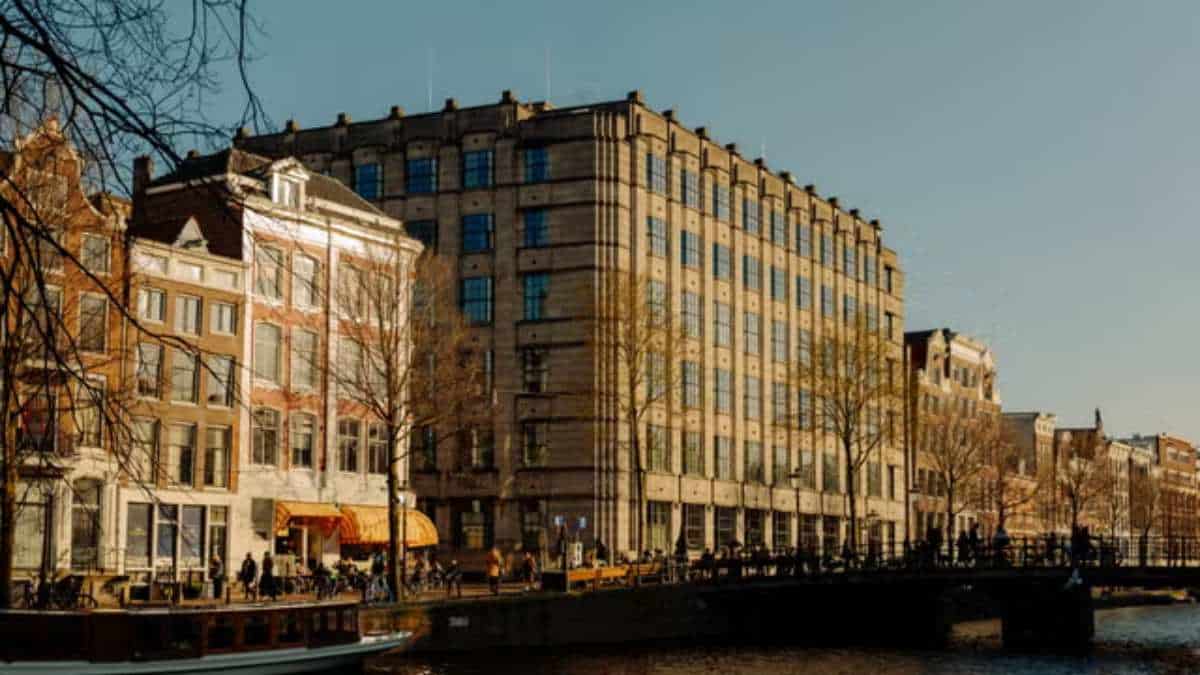
Across the continent, luxury hospitality is witnessing a fundamental shift in its operations, making conventional corporate services irrelevant. Today, the most innovative boutique hotels in Europe are forsaking their outdated rule books to create unique sensory experiences for their guests. By eliminating wasteful individual-size toiletries and using dispensing systems, creating fragrant arrival experiences, and providing the front-line staff with discretionary spend powers, independent hotel managers are creating lasting emotional experiences out of temporary stays. Stimulated by tough environmental regulations in the European Union and changing traveler demands, this new strategy shows that sustainability and bedside surprises create unique business advantages.
Historical Context: The Deconstruction of Standardised Luxury
Over the past four decades, the definition of luxury accommodation has experienced an extensive structural shift. During the late twentieth century, luxury hospitality was predominantly codified through tangible, material excess: marble foyers, heavy brocade drapery, and a profusion of single-use, shrink-wrapped amenities bearing global fashion brand licensing. As multinational hotel conglomerates expanded their brand portfolios through corporate mergers and acquisitions, this operational playbook became universally replicated. Standardised operating procedures flattened local distinctiveness, creating generic environments where guest suites in Frankfurt, Madrid, or London presented identical tactile and visual touchpoints.
In response to this commoditisation, European boutique hotels emerged as testing grounds for experiential hospitality. Rather than competing against corporate hotel chains on physical footprint, swimming pool acreage, or digital loyalty point schemes, independent operators redirected their focus towards sensory immersion, environmental authenticity, and unscripted human connection. According to official tourism data compiled by Eurostat, tourist accommodations across the European Union registered approximately 3.08 billion guest nights in 2025, surpassing the previous record by 61.5 million nights. This sustained growth continued across Western and Southern European urban centres through 2026. Within this highly saturated lodging market, hoteliers face an acute challenge: retaining affluent international and domestic travellers who are increasingly indifferent to mechanical service delivery and transactional reward programmes.
Contemporary travellers experience chronic cognitive overload and travel fatigue brought on by rapid transit schedules and continuous screen engagement. Consequently, the micro-environment of the guest room—most notably the bedside table and the personal care space—has transformed from an operational afterthought into an emotional focal point. The bedside console represents the final sensory encounter before sleep and the primary visual stimulus upon waking. When hotels clutter this intimate space with commercial telephone equipment, laminated promotional leaflets, and generic correspondence, they rupture the restorative sanctuary of the room. Conversely, by orchestrating the guest journey around sensory grounding, circular design, and empathetic human interactions, European operators are converting standard overnight stays into long-term commercial relationships.
Advertisement
Advertisement
Legislative Catalysts: The European Union Packaging Mandate and Single-Use Restrictions
The transformation of guest amenities across the European hospitality landscape is not merely a stylistic preference; it is directly impelled by European Union environmental legislation. For over thirty years, the luxury hospitality sector operated on a distribution model reliant on miniature plastic bottles containing 30 to 50 millilitres of shampoo, shower gel, and body lotion. These items, typically manufactured from virgin fossil polymers, generated systemic environmental liabilities. Discarded after partial use during one- or two-night stays, hundreds of millions of plastic vessels entered municipal waste streams annually, defying economical recycling and straining urban waste management infrastructures.
The Phased Implementation of Regulation (EU) 2025/40
To stem mounting packaging waste and advance the transition towards an economy governed by circular resource flows, the European Parliament and the Council completed negotiations on Regulation (EU) 2025/40 on Packaging and Packaging Waste (PPWR). The regulation, which repealed Directive 94/62/EC, entered into force in February 2025, establishing binding harmonised obligations that apply directly across all Member States from 12 August 2026 without requiring national transposing legislation.
Advertisement
Advertisement
Under Article 25 and Annex V (Point 5) of the PPWR, the European Union has established an explicit prohibition, taking effect on 1 January 2030, against the placing on the market of single-use packaging for cosmetic, hygiene, and toiletry products intended for individual use within the accommodation sector. This statutory ban applies to small bottles, sachets, and tubes irrespective of whether the container is constructed from fossil-based polymers, bio-based plastics, or alternative materials.
| Legislative Milestone Date | Regulatory Framework | Operational & Legal Mandate for European Accommodations |
| 11 February 2025 | Regulation (EU) 2025/40 | Entry into force of the Packaging and Packaging Waste Regulation across all EU Member States. |
| 12 August 2026 | PPWR General Application | Enforcement of packaging minimisation mandates and Extended Producer Responsibility (EPR) registrations. |
| 1 January 2028 | PPWR Delegated Acts | European Commission adopts binding Design for Recycling (DfR) performance criteria and A–C grading metrics. |
| 1 January 2030 | PPWR Article 25 & Annex V | Comprehensive ban on placing single-use accommodation cosmetic and toiletry miniatures on the market. |
| 1 January 2035 | PPWR Recycled at Scale | Packaging formats must demonstrate verified operational recycling infrastructure at commercial scale across the EU. |
Alignment with National Standards and the Global Tourism Plastics Initiative
This regulatory phase-out builds upon the groundwork laid by Directive (EU) 2019/904 on the reduction of the impact of certain plastic products on the environment (Single-Use Plastics Directive). It also reinforces the multilateral Global Tourism Plastics Initiative, co-led by the United Nations Environment Programme (UNEP) and the United Nations World Tourism Organization (UN Tourism) alongside the Ellen MacArthur Foundation. The initiative coordinates voluntary and binding commitments across multinational hospitality groups to eliminate problematic plastic packaging and accelerate circular refill systems.
Concurrently, national tourism boards and accreditation bodies have codified circular parameters into their formal hotel rating classifications. In France, the national tourism development agency, Atout France, introduced mandatory criteria within its five-star and Palace classification manuals that penalise disposable single-use items, demand waste reduction at source, and reward properties that install certified, permanent refillable dispenser systems. In Denmark, national sustainability standards enforced by VisitDenmark and Green Key certify properties on rigorous material auditing, pushing independent hotels to replace liquid packaging with solid-state alternatives. As a result, forward-thinking sustainable luxury accommodation providers have embraced these legal frameworks as a catalyst for elevated brand differentiation.
Technical Architecture 1: Circular and Closed-Loop Amenity Systems
Rather than adopting utilitarian, wall-mounted plastic dispensers associated with institutional facilities, luxury boutique operators across the UK and the European mainland have partnered with artisanal industrial designers and B-Corp personal care laboratories. Together, they have pioneered closed-loop amenity systems that balance environmental compliance with refined tactile aesthetics.
Material Engineering and Tamper-Proof Formats
The technical deployment of circular amenities requires resolving three engineering challenges: vessel durability, hygiene integrity, and refill logistics. High-traffic guest bathrooms demand materials that convey weight and permanence while resisting chipping, microbial build-up, and chemical degradation from sanitising agents.
| Engineering Parameter | Technical Specification | Operational Impact & Performance |
| Vessel Substrate | Slip-cast stoneware, vitrified ceramics, or heavy amber PCR glass (minimum 40% cullet). | Elevates sensory bathroom design while eliminating disposable packaging waste. |
| Locking Architecture | Precision-machined stainless steel or solid brass mounting brackets with keyed locks. | Guarantees tamper-proof hygiene, preventing guest tampering or fluid contamination. |
| Dispenser Delivery | Hermetically sealed internal pouches or food-grade stainless steel pump heads. | Regulates single-stroke dosages, minimising product wastage by up to 35% per guest stay. |
| Supply Chain Cycle | 5-litre to 20-litre concentrated circular drums collected and washed by suppliers. | Achieves an 80% to 85% net plastic packaging weight reduction per occupied room night. |
To comply with stringent EU hygiene and cosmetics safety regulations, hotels deploy wall fixtures with precision-machined mechanical locks. Housekeeping personnel open the units using proprietary magnetic or mechanical keys, replacing internal cartridges or refilling reservoirs from bulk circular containers. The exterior remains pristine, free of commercial plastic branding, and finished with tactile ceramic glazes or brushed metallics that complement the property’s architectural narrative.
Advertisement
Advertisement
Case Studies: Soho House, L’Occitane, and Nordic B-Corp Formulations
Soho House & Co established an early benchmark for circular amenity integration across its European estate, including Babington House in Somerset and Soho House Paris. The group partnered exclusively with British botanical apothecary Cowshed to install refillable amber glass and glazed stoneware dispensers. Containing organic formulations free from sulphates, parabens, and synthetic petrochemical colorants, these permanent fixtures integrate directly into bespoke vintage brass mountings. This operational architecture eliminated millions of individual plastic bottles across their European clubs and bedrooms, transforming bath amenities into an essential interior styling element.
In Southern Europe, luxury boutique hotels frequently establish alliances with regional botanical houses such as L’Occitane en Provence. At properties including Le Couvent des Minimes in the Luberon region of France, operators implemented sealed, tamper-evident bulk dispensing architectures. These installations utilise high-capacity refills managed through closed return networks, reducing net plastic consumption by up to 85% per occupied room night compared to conventional hotel packaging. The dispensers feature subtle debossed typography detailing the regional harvesting of wild verbena and lavender, anchoring the guest’s bathing ritual directly in the local ecosystem.
In Scandinavia, Copenhagen-based Guldsmeden Hotels adopted an even more radical formulation framework. Certified under both B-Corp guidelines and the Nordic Swan Ecolabel, the group eliminated liquid amenity packaging in multiple suite categories, replacing it with 100% certified organic solid shampoo, conditioner, and body bars. These botanical cleansing bars rest on hand-cut Danish slate platters, accompanied by bamboo dental accessories and compostable plant-starch vanity items. The total elimination of liquid vessels removes single-use plastic packaging entirely while offering travellers a minimalist, tactile expression of Nordic ecological design.
Technical Architecture 2: Olfactory Branding and Neurological Arrival Rituals
While circular bathroom hardware addresses the tactile and environmental dimensions of the stay, the arrival sequence establishes the initial psychological anchor for the guest. Upon completing a journey, travellers frequently experience cognitive fatigue, circadian disruption, and sensory overload. Traditional check-in protocols—characterised by standing at elevated counters, verifying passport details, and signing credit card authorisation slips—intensify stress by keeping interactions purely administrative.
Somatosensory Transitions and Journey Fatigue
To mitigate this friction, leading boutique properties have replaced bureaucratic reception counters with multi-sensory arrival rituals. Neurological research demonstrates that olfactory stimuli travel directly from the nasal cavity to the olfactory bulb, connecting immediately to the amygdala and hippocampus. These brain structures govern emotional memory and autonomic nervous system regulation. By engineering a custom spatial fragrance, hotels evoke subconscious sensations of security, serenity, and geographic presence before an administrative word is exchanged.
The atmospheric orchestration begins in the porte-cochère and reception vestibule, where cold-air micro-nebulisation diffusers disperse sub-micron fragrance particles into the air. These diffusion systems ensure consistent, subtle olfactory distribution without leaving oily residues on upholstery or flooring. The selected scents avoid synthetic musks, relying instead on steam-distilled botanicals, dry woods, and regional botanics that reflect the local cultural landscape.
Advertisement
Advertisement
Atmospheric Case Studies: Hotel Arts Barcelona and Le Bristol Paris
At Hotel Arts Barcelona in Spain, the arrival sequence is designed around coastal Mediterranean decompression. As guests cross the threshold, they encounter a bespoke spatial scent combining notes of wild fig, bergamot, sea salt, and dry Spanish cedar. Guests are immediately escorted away from central entryways and seated in a landscaped lounge overlooking the sea. Housekeeping teams present chilled natural linen cloths infused with steam-distilled rosemary hydrolat, accompanied by a small pour of seasonal botanical tonic crafted from Catalan citrus and herbs. The physical registration process is completed unobtrusively on a tablet by an ambassador sitting beside the guest, transforming a routine transaction into a restorative reception ritual.
| Property & Location | Primary Fragrance Architecture | Multi-Sensory Arrival Decompression Execution |
| Hotel Arts Barcelona (Barcelona, Spain) | Wild fig leaf, bergamot, coastal amber, Spanish cedarwood. | Chilled rosemary-infused linen towels; locally harvested Catalan citrus and herbal elixir served in artisanal glassware. |
| Le Bristol Paris (Paris, France) | Grasse rose, green fig, French oakmoss, gentle sandalwood. | Formal seating in upholstered garden salons; French chamomile infusion; acoustic dampening in the colonnaded courtyard. |
| 25hours Hotel The Circle (Cologne, Germany) | Smoked vetiver, dry juniper, birch bark, roasted espresso bean. | Turntable vinyl lounge; local craft herbal tonic or cold-drip coffee served directly over an open social counter. |
At Le Bristol Paris, an Oetker Collection Palace hotel evaluated under Atout France guidelines, the arrival experience incorporates acoustic dampening alongside master perfumery. The property’s signature fragrance, formulated by master French noses, blends light floral notes with sandalwood and oakmoss, circulating gently through the entry galleries and inner colonnades. Guests are seated in quiet, fabric-lined alcoves overlooking the tranquil courtyard garden, buffered from Parisian street noise by landscaped greenery and water fountains. Staff allow arriving visitors a moment of silence before offering an organic infusion of chamomile and linden blossom. This pacing eases elevated heart rates and mentally marks the transition into a protected domestic retreat.
To build lasting emotional equity, boutique properties frequently convert these olfactory profiles into physical keepsakes. Hotels formulate signature room sprays, cold-pressed soaps, and hand-poured soy wax candles packaged in reusable earthenware vessels for guests to purchase from the bedside console or library boutique. When guests burn these candles or mist their private bedrooms at home, the scent reactivates positive neural associations from their travels, generating an intuitive marketing pull that encourages direct return visits.
Technical Architecture 3: Autonomous Frontline Staff Empowerment and Micro-Budgeting
Sensory amenities and sophisticated interior design can be undermined if the personnel delivering daily service are bound to inflexible scripts. Traditional corporate hotel management enforces rigid standard operating procedures (SOPs), requiring frontline team members to seek supervisor approval for even minor guest requests or dispute resolutions. This hierarchical bottleneck often creates defensive, transactional interactions that frustrate guests and disempower workers.
Shifting Hierarchies: The CitizenM Ambassador Model
To foster genuine personal connection, progressive European hotel groups have redesigned their frontline operational governance. By replacing rigid procedural handbooks with clear discretionary authority and dedicated financial allowances, properties empower frontline employees to act as autonomous, empathetic hosts.
| Hotel Brand & Operational Base | Frontline Professional Designation | Discretionary Spending & Operational Authority |
| CitizenM Hotels (Amsterdam, Netherlands) | Multi-skilled Ambassadors (cross-trained across guest service, food, and concierge). | Up to €50–€100 immediate discretionary spend per incident without prior management authorisation. |
| 25hours Hotels (Ennismore / Accor, Germany) | Local Hosts and Storytellers (recruited from local creative and artistic communities). | Uncapped access to a communal Guest Delight Fund for personalised local gifts and regional experiences. |
| Independent Boutique Collectives (France & UK) | Personal Room Hosts (single-point guest relationship coordinators). | Discretionary authority to provide complimentary room upgrades, bespoke dining treats, or transport vouchers. |
CitizenM Hotels, founded in Amsterdam and operating across key European gateway cities such as London, Paris, and Rotterdam, structured its customer experience around multi-skilled frontline personnel termed “Ambassadors.” Rather than dividing staff into isolated roles—such as front desk receptionists, luggage porters, and bartenders—CitizenM trains Ambassadors to manage guest interactions across all public spaces. Crucially, every Ambassador is granted explicit operational discretion to spend between €50 and €100 per guest incident without needing managerial sign-off.
Advertisement
Advertisement
If an incoming international traveller arrives visibly distressed following a cancelled rail connection or lost luggage, an Ambassador can immediately waive breakfast charges, offer a restorative craft cocktail, or grant an extended check-out time. This immediate resolution leverages the service recovery paradox, where a transparent, empathetic response to travel disruptions produces higher guest loyalty and Net Promoter Scores than an uneventful stay.
Unscripted Hospitality: The 25hours Guest Delight Fund
Within the 25hours Hotels brand, operated under the Ennismore division of the Accor Group, frontline employees are supported by a dedicated “Guest Delight Fund”. Rather than following structured conversation scripts, staff members are encouraged to pick up on casual details shared during interactions at the bar or check-in kiosk. If an overseas visitor expresses an interest in mid-century architecture or local cycling routes, a host can purchase an independent neighbourhood guidebook, book a vintage bicycle rental, or provide tickets to an underground design exhibition using the delight fund.
This decentralised autonomy fundamentally changes the hotel work environment. Frontline team members are valued as creative hosts rather than interchangeable administrative cogs. This approach addresses the acute recruitment and staff retention challenges facing European tourism, issues thoroughly analysed in recent policy papers by the OECD Tourism Committee. The OECD underscores that developing human-centred workforce capabilities and providing genuine operational agency are essential prerequisites for long-term competitiveness in tourism services. By valuing frontline initiative, boutique hotels reduce costly staff turnover while creating authentic human experiences that automated booking platforms and corporate chains struggle to match.
Technical Architecture 4: Storytelling Touchpoints and the Sensory Bedside Environment
The fourth pillar of this operational blueprint focuses on the micro-geography of the guest suite, particularly the bedside table. In conventional corporate luxury hotels, this space is typically occupied by functional, promotional items: a bulky telephone terminal, a plastic-sheathed room service directory, and advertisements for the hotel’s commercial spa facilities.
Pioneering European boutique properties treat the bedside table as an intimate platform for cultural storytelling and tactile comfort. By stripping away commercial marketing materials, hoteliers can introduce curated, unexpected details that offer authentic local insight and restful companionship.
| Property & Location | Physical Console Substrate | Curated Bedside Touchpoints & Storytelling Elements |
| Soho Farmhouse (Oxfordshire, United Kingdom) | Solid reclaimed British oak console, unlacquered cast-brass reading lamp. | Warm loaf of artisanal sourdough, farmhouse churned butter on an English sycamore board, and a hand-inked host welcome card. |
| 25hours Hotel MuseumsQuartier (Vienna, Austria) | Raw industrial bent-metal shelving, vintage analogue alarm clock. | Canvas tote bag with cheeky typography, hand-drawn graphic novel, and locally made Austrian herbal sweets. |
| The Dylan Amsterdam (Amsterdam, Netherlands) | Restored seventeenth-century timber, brushed brass electrical fittings. | Hand-bound pocket field guide to independent canal-house artisans, botanical pillow mist, and restorative herbal tinctures. |
At Soho Farmhouse in Oxfordshire, generic digital correspondence is entirely absent. Arriving guests discover a fresh, crusty loaf of sourdough wrapped in natural unbleached linen, resting on a carved wooden board alongside farm-churned sea-salt butter. Next to this welcome treat rests a note written with a traditional fountain pen by their designated room host, offering personal tips on quiet walking paths through the estate. The bedside table is fitted with a solid analogue timepiece and an open, bound notebook rather than an interactive digital tablet. This grounding presentation connects visitors directly to British country heritage, providing a tactile warmth that digital interfaces cannot replicate.
Advertisement
Advertisement
In metropolitan environments like Vienna, Berlin, and Amsterdam, boutique operators integrate wit and regional design into their bedside spaces. At 25hours Hotel MuseumsQuartier in Vienna, guest rooms feature vintage-style canvas shoulder bags emblazoned with tongue-in-cheek mottos such as “Stop Talking, Start Traveling,” accompanied by bespoke local field guides. Rather than recycling tourist-board advertisements, these booklets highlight independent neighbourhood bakeries, vinyl shops, and family-run coffee houses. By connecting guests to the surrounding creative community, the property becomes an authentic cultural guide.
These thoughtful, narrative touches are naturally memorable and shareable. Delighted visitors routinely photograph these bedside details and post them to social media without prompting or corporate incentives. This word-of-mouth visibility lowers guest acquisition costs and attracts culturally curious travellers who appreciate thoughtful hospitality.
Comparative Structural Matrix: Traditional Luxury Versus European Micro-Hospitality
To illustrate the operational differences between standard luxury accommodation models and this emerging European sensory framework, the comparative matrix below outlines key practices across all primary customer experience dimensions.
| Customer Experience Dimension | Traditional Luxury Hotel Standard | European Micro-Hospitality Model |
| Personal Care Amenities | Single-use 30–50 ml plastic miniature bottles discarded after every guest departure. | Permanent, tamper-proof ceramic or glass dispensers filled with certified organic botanicals. |
| Regulatory Alignment | Reactive, piecemeal compliance with waste bans; reliant on transitional plastic exemptions. | Proactive circularity, eliminating miniature containers years ahead of the 2030 PPWR mandate. |
| Arrival Protocol | Formal registration at an elevated marble desk; administrative verification and credit card processing. | Multi-sensory orientation; spatial signature scenting, regional botanical elixirs, and quiet lounge seating. |
| Frontline Staff Culture | Prescriptive, script-driven procedures; strict management hierarchies for problem resolution. | Autonomous frontline hosts with dedicated discretionary allowances (€50–€100) for instant guest delight. |
| Bedside Table Curation | Commercial telephone terminals, printed service directories, promotional brochures, and digital tablets. | Clutter-free design; handwritten host cards, artisanal breads, curated field guides, and sleep aromatherapies. |
| Commercial Dynamic | Heavy reliance on third-party OTAs (18%–25% commission fees) and transactional points schemes. | High direct rebooking rates (54%–64%) driven by emotional resonance, sensory memory, and word-of-mouth advocacy. |
This comparison highlights a deeper divergence in operational philosophy. Traditional corporate luxury attempts to control the guest experience through uniform standards that can sometimes result in sterile predictability. Conversely, the European micro-hospitality framework approaches every stay as a dynamic sequence of sensory impressions and authentic human interactions. While conventional operations treat amenities as consumable expenses, progressive boutique hotels view them as durable brand assets that reinforce their core identity.
Economic Dynamics and Direct Booking Multipliers
Investing in custom ceramic hardware, artisanal welcome gifts, and frontline discretionary allowances is not merely an aesthetic choice; it is a proven commercial strategy. Independent boutique properties face relentless competition from global Online Travel Agencies (OTAs), including Booking Holdings and Expedia Group, which charge commissions ranging from 18% to 25% on every booking.
To safeguard operating margins and maintain financial independence, boutique operators must build a dedicated base of repeat direct bookings. Traditional points-based loyalty schemes are largely ineffective for independent operators, who lack the vast global portfolios required to make point accumulation compelling for frequent business travellers.
Advertisement
Advertisement
| Financial & Operational Metric | Conventional OTA-Dependent Model | European Micro-Hospitality Operational Model |
| Average Intermediary Commission Fee | 18% to 25% of gross reservation revenue. | Sub-10% blended average across direct direct channels. |
| Net Promoter Score (NPS) Range | +32 to +46 (industry standard luxury). | +68 to +84 (high-touch lifestyle boutique). |
| Frontline Personnel Annual Retention | 42% to 54% (high operational turnover). | 74% to 86% (supported by autonomous workplace agency). |
| Net Amenity Packaging Waste per Room | Approximately 120 g single-use plastic per night. | Under 20 g through bulk circular refill logistics. |
| Post-Stay Direct Rebooking Intent | 20% to 28% across leisure segments. | 54% to 64% within eighteen months of primary stay. |
Circumventing Intermediary Commissions Through Emotional Equity
Sensory micro-hospitality bypasses this dynamic by grounding guest loyalty in visceral memory rather than transactional calculations. When a hotel establishes a distinct sensory profile—the calming scent of cedar and wild fig, the substantial weight of a ceramic dispenser, a warm loaf of artisanal bread by the bedside, and an unscripted gesture from a well-trained host—it forms a lasting emotional memory.
Research on tourism consumer behaviour underscores this shift. Insights published by VisitBritain indicate that modern travellers are actively seeking accommodation that embodies authentic, documented environmental sustainability. Up to 15% of high-yield international travellers explicitly choose accommodations based on verified green standards and thoughtful, high-touch service. Academic studies on hospitality quality confirm that tangible resource investments and empathetic service delivery positively impact guest retention, directly increasing a visitor’s willingness to book return stays directly with the hotel.
The commercial advantages of direct rebookings are compelling. Eliminating a 20% OTA commission on a €380 per night room over a four-night stay preserves over €300 in net revenue for the operator. This reclaimed margin easily covers the capital cost of bespoke stoneware dispensers, seasonal botanical welcome drinks, and the occasional €50 micro-budget used by frontline staff to delight a guest. As a result, sensory amenities and staff empowerment serve as reliable drivers of direct booking profitability rather than operational overheads.
Future Outlook: The Strategic Roadmap Toward 2030 and Beyond
As the European lodging sector approaches the end of the decade, the convergence of environmental regulations, sensory design, and decentralised management will redefine hospitality benchmarks across the continent. Compliance timelines established under Regulation (EU) 2025/40 will keep the pressure on packaging and waste reduction across all 27 EU Member States.
| Implementation Phase | Regulatory Horizon | Strategic Operational Priority for Hoteliers |
| Phase 1: 2026–2027 | PPWR General Application Enforcement. | Complete inventory audits of guest amenities, phase out single-use plastics, and register with national EPR schemes. |
| Phase 2: 2028–2029 | Design for Recycling & Labelling Acts. | Adopt harmonised packaging labels, introduce Digital Product Passports for bulk supplies, and run certified refill trials. |
| Phase 3: 2030 Onward | Binding Annex V Bans in Full Effect. | Full compliance with the ban on single-use miniature toiletries; expand solid formulations and circadian wellness integrations. |
Between 2026 and 2028, independent hoteliers must review their entire procurement supply chain to confirm that personal care amenities meet forthcoming Design for Recycling criteria. Clear guidelines issued by the European Commission regarding Annex V enforcement will eliminate any remaining ambiguity surrounding single-use cosmetic containers in luxury hotels. Establishments that have already transitioned to permanent stoneware, ceramic, or glass dispenser systems will navigate these deadlines smoothly, avoiding the hurried, last-minute supply changes facing less proactive hotel chains as the 2030 deadline approaches.
Looking beyond material compliance, the integration of ambient, unobtrusive wellness design will further refine the bedside environment. Restorative technologies—such as circadian lighting that mirrors natural day-night cycles, hidden acoustic sound-masking, and gentle sleep botanicals—will increasingly complement handwritten welcomes. Throughout these changes, technological elements will remain subtle background enhancements rather than prominent room features.
Advertisement
Advertisement
The enduring competitive advantage of European boutique hotels will always lie in genuine human connection: the observant frontline host who notices a guest’s exhaustion, listens attentively, and offers a warm, unscripted gesture of hospitality. In an era increasingly shaped by automated processes and corporate homogenisation, properties that celebrate tactile craftsmanship, sensory memory, and human empathy will win the lasting loyalty of the global traveller.
Conclusion
The operational revolution on the continent proves that contemporary hospitality leadership entails finding balance between being a good custodian of the environment and creating custom-made human connection. With European boutique hotels responding to obligatory packaging rules within the European Union, the ban on plastic products has unleashed subtle touch experiences and genuine ties to the place. In addition, combining scent navigation with an unplanned and monetarily stimulated service culture has allowed to raise the customer satisfaction above the loyalty programs of the past. Those hospitality businesses that will incorporate sustainable design, sensory communication, and human freedom into their operations will create direct reservations, weather all the regulatory storms, and create long-term emotional equity.
Advertisement
