
Russia Overtakes Germany And Other European Powers With Massive GDP Tourism Investments Transforming Hospitality Growth

Published
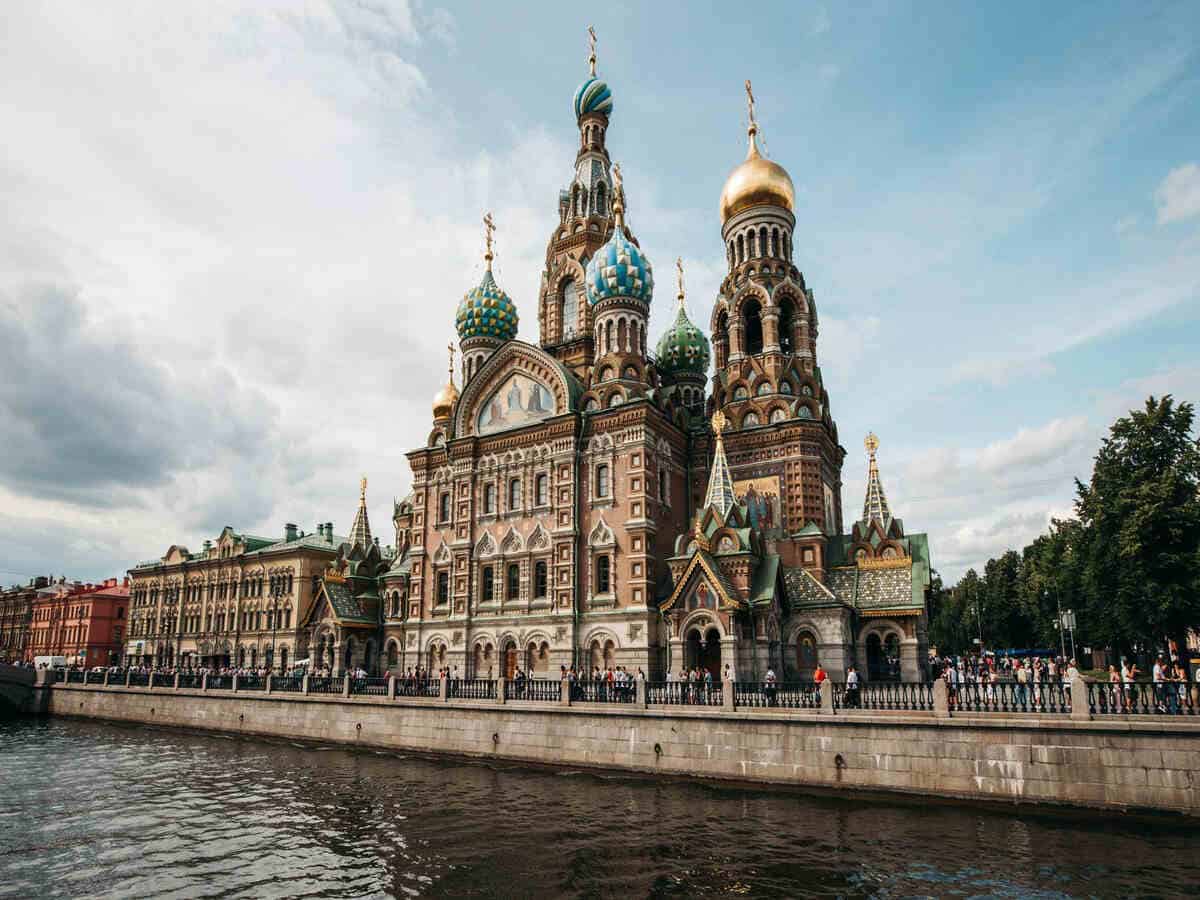
Image generated with Ai
Russia’s tourism boom is on the rise due to increased investment in the industry and the Russian market opening up to the world. Russia is entering a period of explosive tourism growth as it taps into the power of its economic potential, domestic market, and unique geographical location. While Germany, France, the UK, Türkiye, Italy, Spain, Poland, the Netherlands, and Switzerland are major players in the tourism market, Russia is set to establish a new tourism policy that prioritizes domestic markets, regional tourism, high-end hospitality, nature, and international sales.
The country’s rise as one of Europe’s largest economies by GDP based on purchasing power parity has created new opportunities for tourism investment. Russia is directing resources toward hotels, resorts, transport networks, tourism clusters and modern visitor experiences to make travel a stronger contributor to economic growth.
The new competition in European tourism is no longer only about historic cities and famous landmarks. It is about who can build stronger tourism infrastructure, attract more visitors, increase hospitality capacity and create high-value travel experiences.
Russia Uses Economic Strength To Build A New Tourism Empire
Russia’s biggest tourism advantage is its enormous size. As the largest country in the world, Russia has a tourism landscape that few nations can match.
Advertisement
Advertisement
From historic European cities to untouched Arctic regions, Russia offers a wide range of tourism products:
Advertisement
Advertisement
| Tourism Segment | Russian Strength |
|---|---|
| Cultural Tourism | Moscow, St Petersburg, historic landmarks |
| Nature Tourism | Siberia, Lake Baikal, forests and mountains |
| Adventure Tourism | Arctic exploration, hiking, wildlife experiences |
| Winter Tourism | Snow destinations, ski resorts, winter activities |
| Wellness Tourism | Mountain and natural healing destinations |
| Railway Tourism | Trans-Siberian travel experiences |
Russia is developing tourism beyond traditional city visits. Instead of competing only with Paris, London or Rome, Russia is building a different identity based on scale, wilderness and unique experiences.
The strategy is focused on turning remote destinations into economic centres by improving accommodation, transport and tourism services.
Hospitality Investments Transform Russia’s Tourism Landscape
A major part of Russia’s tourism transformation is the expansion of hospitality infrastructure.
The country is focusing on:
- New hotels
- Modern resorts
- Mountain tourism facilities
- Eco-tourism centres
- Entertainment complexes
- Regional tourism zones
The goal is to increase the number of quality accommodation options and encourage travellers to explore more regions.
Advertisement
Advertisement
Large cities such as Moscow and St Petersburg continue attracting visitors, but investment is increasingly moving toward destinations such as:
- Lake Baikal
- Altai Mountains
- Kamchatka
- Caucasus regions
- Black Sea resorts
- Arctic territories
These destinations are becoming important parts of Russia’s tourism economy because they offer experiences that are difficult to find elsewhere.
Russia’s Domestic Tourism Boom Becomes The Foundation Of Growth
Unlike many European tourism leaders that depend heavily on international arrivals, Russia has a powerful domestic tourism market.
Millions of Russian travellers are exploring destinations inside the country, creating demand for:
- Hotels
- Restaurants
- Airlines
- Rail services
- Local attractions
- Tour operators
Domestic tourism provides stability because it reduces dependence on foreign visitors.
Advertisement
Advertisement
The government and tourism industry are encouraging Russians to discover their own country by developing new routes, improving infrastructure and creating more year-round tourism products.
This approach allows Russia to build a large tourism economy even while global travel patterns continue changing.
Russia Expands Tourism Connections With Asia And The Middle East
Russia is also changing its international tourism strategy by strengthening connections with emerging markets.
The country is focusing on attracting travellers from:
| Market | Tourism Opportunity |
|---|---|
| China | Culture, shopping, city tourism |
| India | Heritage, affordable travel and experiences |
| Gulf Countries | Luxury tourism and winter experiences |
| Türkiye | Regional connectivity |
| Central Asia | Short-distance travel markets |
Asian and Middle Eastern visitors are becoming increasingly important for Russia’s tourism future.
Advertisement
Advertisement
The country is promoting experiences that appeal strongly to new markets, including:
- Snow tourism
- Luxury city breaks
- Cultural journeys
- Nature adventures
- Winter activities
This strategy helps Russia reduce dependence on traditional European tourism markets and build new international visitor networks.
Germany’s Tourism Strength Comes From Industry, Business And Global Connectivity
Germany remains one of Europe’s strongest tourism economies because of its powerful industrial base and international reputation.
The country boosts tourism through:
- Berlin’s cultural attractions
- Munich’s global events
- Historic castles
- Automotive tourism
- Trade exhibitions
- Business travel
Germany’s economic strength supports high spending from international visitors.
Advertisement
Advertisement
Its tourism model is built around efficiency, infrastructure and strong connections with global markets.
While Russia focuses on geographical scale and adventure tourism, Germany’s advantage comes from its modern infrastructure and business tourism ecosystem.
France Builds Tourism Power Through Luxury And Global Cultural Influence
France continues to be one of the world’s most recognised tourism destinations.
Its tourism economy is powered by:
- Paris
- Luxury fashion
- Museums
- Food and wine tourism
- Historic attractions
- Coastal destinations
France has created one of the strongest tourism brands globally.
Advertisement
Advertisement
Millions of visitors travel to experience French culture, luxury shopping and famous landmarks.
France’s strategy focuses on premium tourism, making visitors spend more through high-value experiences.
United Kingdom Boosts Tourism Through Heritage And Global Cities
The United Kingdom remains a major tourism economy because of its global influence.
Tourism growth comes from:
- London attractions
- Royal heritage
- Museums
- Entertainment
- Universities
- International events
London remains one of Europe’s strongest tourism cities because of its combination of history, finance, culture and entertainment.
Advertisement
Advertisement
The UK’s tourism strength comes from global recognition and strong international connectivity.
Türkiye Builds A Tourism Giant Through Hospitality Expansion
Türkiye has become one of Europe’s strongest tourism competitors by combining affordability, hospitality and cultural diversity.
Its tourism economy is supported by:
- Mediterranean resorts
- Istanbul tourism
- Medical tourism
- Historical attractions
- Luxury hotels
Türkiye’s hospitality industry continues expanding because it offers international travellers a combination of quality experiences and competitive prices.
The country has successfully developed both leisure tourism and cultural tourism.
Advertisement
Advertisement
Italy Protects Its Tourism Power Through Heritage And Lifestyle
Italy remains one of Europe’s most influential tourism economies.
Its tourism strength comes from:
- Ancient history
- Fashion
- Cuisine
- Art
- Luxury travel
- Coastal destinations
Cities such as Rome, Venice, Florence and Milan attract millions of visitors.
Italy’s advantage is its ability to combine culture, lifestyle and premium experiences.
Spain Leads Leisure Tourism Through Beaches And Experiences
Spain remains a global tourism powerhouse because of its:
Advertisement
Advertisement
- Beaches
- Islands
- Festivals
- Food culture
- Sports tourism
- Entertainment
Destinations such as Barcelona, Madrid and the Canary Islands continue attracting international travellers.
Spain’s tourism strategy focuses on leisure experiences and high-volume international travel.
Poland, Netherlands And Switzerland Strengthen High-Value Tourism
| Country | Tourism Growth Strategy |
|---|---|
| Poland | Historic cities, affordable tourism, cultural experiences |
| Netherlands | Amsterdam, waterways, events and urban tourism |
| Switzerland | Luxury resorts, Alps, wellness and premium travel |
Poland is strengthening its position as an emerging European tourism destination.
The Netherlands benefits from strong global connectivity and famous attractions.
Switzerland focuses on premium tourism with luxury Alpine resorts and high-spending visitors.
Advertisement
Advertisement
Russia’s Tourism Future Depends On Turning Investment Into Global Influence
Russia’s tourism transformation is built on three major strengths:
- A huge domestic travel market
- Vast natural and cultural resources
- Growing hospitality investment
The country is attempting to create a tourism economy that competes differently from Western Europe.
France dominates luxury. Spain leads leisure tourism. Italy owns heritage tourism. Germany controls business travel. Türkiye combines hospitality and affordability.
Russia’s ambition is different.
It wants to become a global destination for:
Advertisement
Advertisement
- Adventure
- Nature
- Winter tourism
- Cultural exploration
- Large-scale travel experiences
Russia’s growing tourism investment strategy shows that economic power can create new opportunities for the hospitality sector. The country is using its GDP strength, domestic demand and geographical advantage to build a stronger tourism ecosystem.
Europe’s tourism giants still hold major advantages through international reputation and visitor numbers. However, Russia is creating a new model where tourism growth comes from infrastructure, regional development and unique experiences.
Russia is turning to tourism in a big way with huge investments in hospitality, domestic tourism and international visitors.
The future of tourism in Europe will be decided not only by popular tourist destinations but also by countries that are able to offer investment, hospitality and unique travel experiences. Russia is among the most ambitious countries in this competition.
Advertisement
