
Philippines Hosts ASEAN Tourism Forum 2026 in Cebu to Advance Sustainable Regional Tourism Strategy

Updated
Published
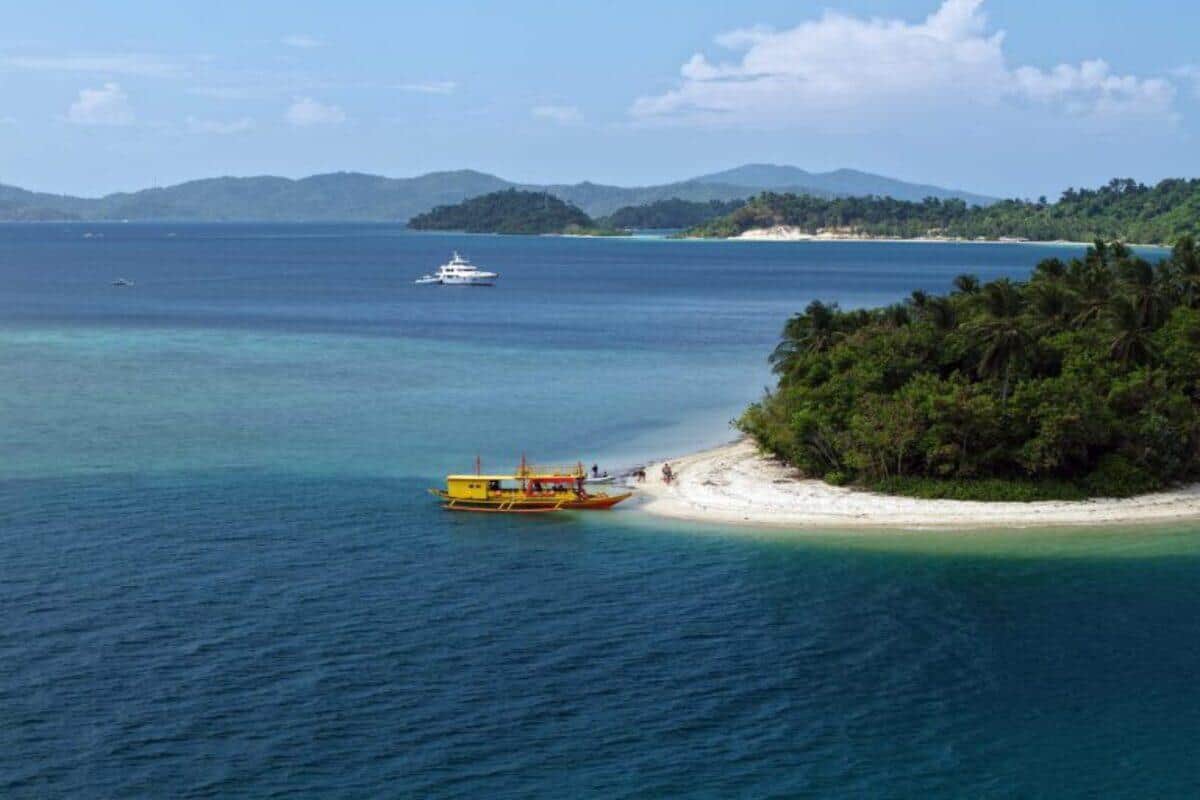
The Philippines hosted the ASEAN Tourism Forum 2026 in Cebu, bringing together Southeast Asian tourism leaders to advance a sustainable regional tourism strategy focused on responsible growth, stronger connectivity and international cooperation. The event positioned Cebu as a central venue for discussions on the future of tourism across the Association of Southeast Asian Nations (ASEAN), highlighting the Philippines’ role in promoting regional collaboration and sustainable destination development.
The forum provided an opportunity for tourism authorities, travel businesses and industry representatives to discuss emerging challenges and identify priorities for the next phase of Southeast Asia’s tourism growth.
By hosting the gathering, the Philippines also strengthened Cebu’s international visibility as a destination for conferences, business events and leisure tourism.
Cebu Takes Centre Stage at ASEAN Tourism Forum 2026
Cebu served as the host destination for ASEAN Tourism Forum 2026, one of Southeast Asia’s important annual tourism industry gatherings.
Advertisement
Advertisement
The event brought together government tourism representatives, travel industry stakeholders and international tourism buyers to examine opportunities for cooperation across the region.
The ASEAN Tourism Forum provides a platform for participating countries to promote their destinations while discussing shared tourism development priorities.
Advertisement
Advertisement
For the Philippines, hosting the forum created an opportunity to showcase its tourism infrastructure, cultural attractions and capacity to organise major international events.
Cebu’s established hospitality sector and international transport connections supported its role as the event destination.
The gathering also highlighted the importance of cooperation between governments and private tourism businesses in developing a more competitive regional visitor economy.
ASEAN Tourism Forum Supports a New Phase of Regional Tourism Development
ASEAN Tourism Forum 2026 formed part of wider regional discussions about tourism development and cooperation.
Southeast Asian countries continue to work towards improving connectivity, strengthening destination competitiveness and promoting responsible tourism.
Sustainable development is an important component of this agenda.
Advertisement
Advertisement
Tourism authorities increasingly recognise the need to balance visitor growth with environmental protection, community participation and economic benefits for local businesses.
The forum provided a setting for discussing these priorities and identifying opportunities for coordinated action.
Key Details of ASEAN Tourism Forum 2026
| Category | Details |
|---|---|
| Host country | Philippines |
| Host destination | Cebu |
| Event | ASEAN Tourism Forum 2026 |
| Regional organisation | Association of Southeast Asian Nations |
| Main focus | Regional tourism cooperation and sustainable development |
| Participating sector | Tourism authorities and travel industry representatives |
| Industry activities | Policy discussions, destination promotion and business networking |
| Strategic priorities | Sustainability, connectivity and tourism competitiveness |
| Tourism segments | Leisure travel, cultural tourism, business events and responsible tourism |
The forum also created opportunities for participating destinations to present their tourism products to international travel buyers.
Philippines Highlights Sustainable Tourism as a Regional Priority
The Philippines has placed increasing emphasis on sustainable tourism development as it works to strengthen its international visitor economy.
The country is home to extensive coastal ecosystems, marine biodiversity, cultural heritage destinations and island communities.
These assets support tourism but also require careful management.
Advertisement
Advertisement
Environmental pressures, infrastructure demands and the effects of visitor concentration can create challenges for popular destinations.
Sustainable tourism policies aim to address these concerns while maintaining economic opportunities.
At ASEAN Tourism Forum 2026, the Philippines had an opportunity to contribute to regional discussions about balancing tourism growth with environmental and community priorities.
Such cooperation is important because many Southeast Asian destinations face similar challenges involving coastal development, waste management and climate resilience.
ASEAN Tourism Roadmap Focuses on Connectivity and Responsible Growth
Regional tourism development requires cooperation across several policy areas.
ASEAN countries have worked to improve international connectivity, promote tourism investment and strengthen cooperation between destination marketing organisations.
Advertisement
Advertisement
The region’s evolving tourism strategy also recognises the importance of sustainability and resilience.
Key priorities include:
- Sustainable destination management: Encouraging tourism growth that considers environmental and community impacts.
- Regional connectivity: Improving access between ASEAN destinations through transport cooperation.
- Tourism workforce development: Strengthening professional skills and service standards.
- Digital transformation: Supporting technology adoption across tourism businesses.
- Community participation: Creating opportunities for local enterprises and residents.
- Tourism resilience: Improving preparedness for environmental, economic and operational disruptions.
These priorities reflect the wider need to develop tourism systems capable of supporting long-term economic growth.
Cebu Showcases the Philippines’ Tourism and Hospitality Strengths
Cebu is one of the Philippines’ established tourism destinations, combining cultural heritage, beaches, marine attractions and urban hospitality.
Cebu City serves as an important commercial centre in the Central Visayas region.
The wider province includes coastal destinations and islands popular with domestic and international travellers.
Advertisement
Advertisement
Hosting ASEAN Tourism Forum 2026 allowed the Philippines to introduce industry delegates to the destination’s tourism infrastructure and visitor experiences.
Major Tourism Attractions in Cebu
| Destination or attraction | Tourism appeal |
|---|---|
| Cebu City | Cultural heritage, shopping and business tourism |
| Mactan Island | Beach resorts and international hospitality |
| Magellan’s Cross | Historical and cultural tourism |
| Basilica Minore del Santo Niño | Religious and heritage tourism |
| Moalboal | Marine recreation and diving |
| Oslob | Coastal tourism and marine wildlife experiences |
| Bantayan Island | Beaches and island holidays |
| Malapascua Island | Diving and marine tourism |
The province’s varied tourism products demonstrate how urban, cultural and coastal experiences can be combined within a single destination.
Responsible management remains important, particularly for marine wildlife activities and environmentally sensitive locations.
ASEAN Tourism Forum Strengthens Travel Trade Cooperation
The ASEAN Tourism Forum is not limited to government policy discussions.
It also supports commercial engagement between tourism suppliers, international buyers and destination representatives.
Travel businesses can use the event to develop partnerships, exchange market information and promote tourism products.
Advertisement
Advertisement
For the Philippines, the gathering provided an opportunity to introduce Cebu and other destinations to international travel professionals.
Hotels, tour operators, destination management companies and tourism service providers may benefit from business relationships developed during the forum.
The event also reinforces the importance of regional cooperation in attracting visitors from long-haul markets.
Travellers visiting Southeast Asia may combine several countries within one holiday, making coordinated promotion and transport connections commercially relevant.
Regional Air Connectivity Remains Essential for ASEAN Tourism
Air transport is a major component of Southeast Asia’s tourism industry.
The region includes numerous island destinations and countries separated by significant geographical distances.
Advertisement
Advertisement
For the Philippines, international and domestic aviation connections are particularly important because of its archipelagic geography.
Mactan-Cebu International Airport serves as an important gateway for visitors travelling to Cebu and other destinations in the Central Visayas region.
Improved regional connectivity can help tourists access destinations more conveniently and encourage multi-country itineraries.
However, expanding aviation services must also consider airport capacity, operational efficiency and environmental impacts.
Tourism authorities and airlines therefore face the challenge of improving accessibility while supporting more sustainable travel development.
What ASEAN Tourism Forum 2026 Means for Travel Agencies
The forum provides useful direction for travel agencies and tour operators selling Southeast Asian holidays.
Advertisement
Advertisement
Regional cooperation can create opportunities to develop itineraries that connect several destinations and introduce travellers to a wider range of experiences.
For the Philippines, Cebu can serve as a starting point for holidays combining heritage tourism, island recreation and nature-based activities.
Travel businesses may also explore programmes linking the Philippines with other ASEAN destinations.
Potential opportunities include:
- Developing multi-destination Southeast Asian holiday packages.
- Promoting responsible cultural and nature-based tourism.
- Working with local destination management companies.
- Expanding business events and incentive travel programmes.
- Introducing community-based experiences into itineraries.
- Monitoring regional transport and tourism policy developments.
These approaches can help travel businesses respond to growing interest in varied and meaningful international travel experiences.
Philippines Strengthens Its Position in Southeast Asian Tourism
Hosting ASEAN Tourism Forum 2026 has provided the Philippines with an opportunity to strengthen its profile within the regional tourism industry.
Advertisement
Advertisement
International events can support destination visibility while demonstrating a country’s ability to welcome large professional gatherings.
For Cebu, the forum also highlighted its potential as a meetings, incentives, conferences and exhibitions destination.
The wider Philippines tourism sector may benefit from increased attention to its beaches, cultural heritage, natural attractions and hospitality services.
However, the longer-term benefits will depend on how effectively business relationships and policy discussions are translated into tourism development.
Sustainable growth will require continued investment in infrastructure, environmental management and workforce skills.
Conclusion
The Philippines’ hosting of ASEAN Tourism Forum 2026 in Cebu advanced discussions on a sustainable regional tourism strategy, strengthening cooperation on responsible growth, connectivity and destination competitiveness. The event showcased Cebu’s tourism and hospitality capabilities while reinforcing the Philippines’ role in Southeast Asian tourism development. Continued regional collaboration will be essential to turning these priorities into lasting economic and environmental benefits.
Advertisement
