
Uzbekistan Umrah Plus 2026: Official Guide to Visas, Routes & Flights

Published
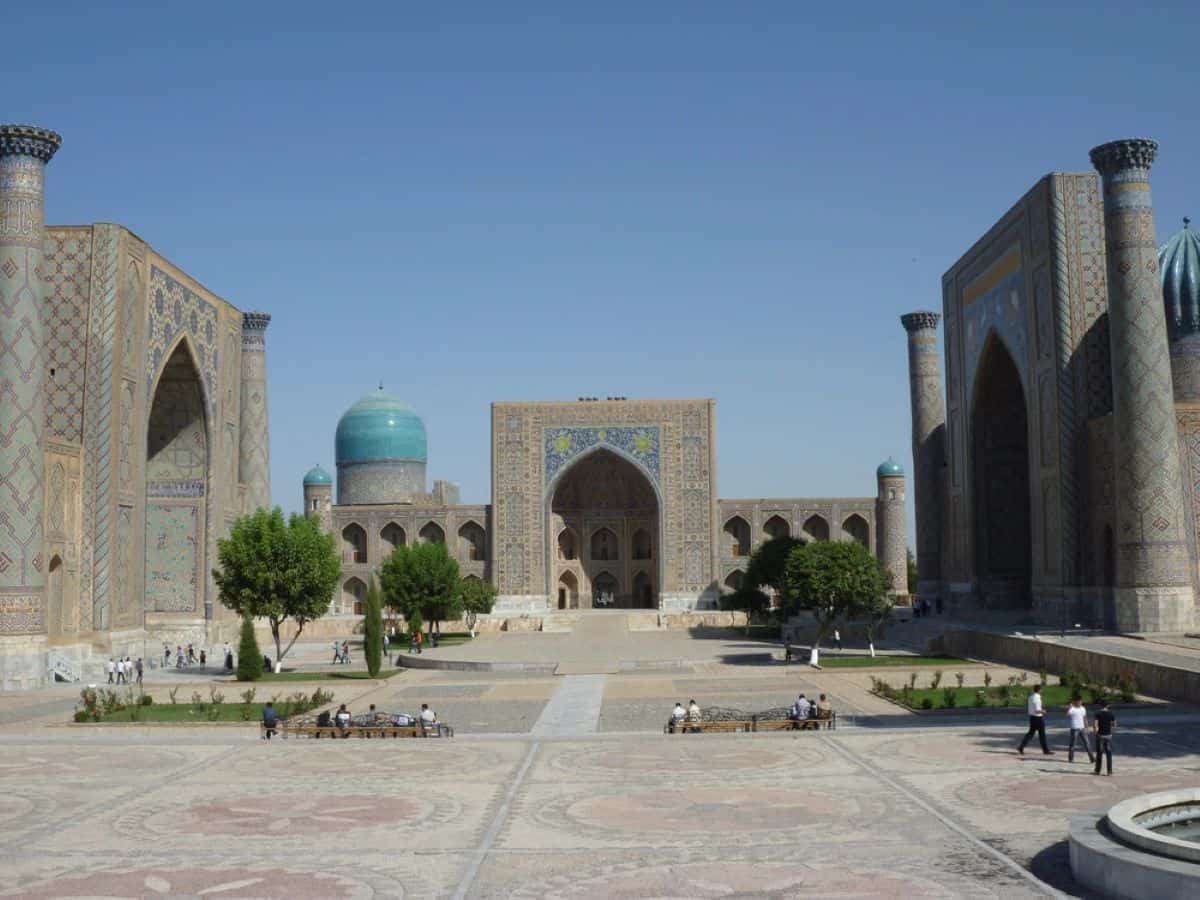
Uzbekistan is reimagining spiritual travel with its official Tashkent Umrah Plus programme, combining sacred pilgrimages to Mecca and Medina with the rich Islamic heritage of the Silk Road. The integrated framework, coordinated directly by the Tourism Committee of Uzbekistan and Saudi authorities, simplifies transit, visas and air corridors for global pilgrims. Now it is possible to combine obligatory religious rites with Ziyarah tours throughout Tashkent, Samarkand and Bukhara – visiting legendary centres of Islamic scholarship, holy shrines and architectural masterpieces. Here are the answers to key logistics questions for planning a two-destination trip in 2026.
Frequently Asked Questions
What is the Tashkent Umrah Plus programme?
It is an integrated travel framework coordinated by the Tourism Committee of Uzbekistan and the Muslim Board of Uzbekistan alongside Saudi travel authorities. It enables international pilgrims to combine religious rites in Mecca and Medina with cultural Ziyarah (heritage pilgrimage) tours across Central Asia’s historic Islamic centres.
How do visa arrangements work for Umrah Plus travellers?
Advertisement
Advertisement
Travellers utilise Uzbekistan’s electronic visa portal or take advantage of visa-free entry frameworks available to over 90 nationalities. For the pilgrimage leg, travelers secure an Umrah visa or a standard Saudi tourist eVisa, coordinated and registered through the official Saudi Nusuk platform.
Which airlines operate direct routes between Uzbekistan and Saudi Arabia?
Advertisement
Advertisement
Uzbekistan Airways, flynas, and Saudia operate scheduled direct flights connecting Tashkent (TAS), Samarkand (SKD), and Namangan (NMA) to Jeddah (JED) and Medina (MED).
The Tashkent Hub: Expanding Central Asian Ziyarah Tourism
Under regulatory updates established by the Cabinet of Ministers of Uzbekistan, Tashkent serves as the operational gateway for transit pilgrims moving between Southeast Asia, South Asia, Europe, and the Kingdom of Saudi Arabia. Rather than treating religious travel as a single-destination journey, the Umrah Plus framework establishes standardized tour packages anchored in Islamic scholarship, architectural history, and regional connectivity.
Coordinated through the Tourism Committee of the Republic of Uzbekistan, licensed local tour operators now offer pre-approved pilgrimage itineraries. These packages integrate local rail, hotel accommodations, certified multilingual guides, and chartered or scheduled air links into a single managed itinerary. Standard dual-destination packages generally range from $1,400 to $2,800 USD per person (depending on hotel tiers, transit class on the Afrosiyob rail, and seasonal airfare). Accredited state-licensed operators coordinating authorized cross-border logistics under the Tourism Committee include Dolores Travel Services, Pahlawan Travel, and Advantour.
Key Historical and Spiritual Sites on the Route
The core itinerary links the modern transit infrastructure of Tashkent with the country’s UNESCO World Heritage corridors:
- Tashkent (Hazrati Imam Complex): The administrative heart of Central Asian Islamic scholarship, housing the 7th-century Uthman Quran (Samarkand Kufic Quran) in the Muyi Mubarak Madrasah.
- Samarkand: Home to the mausoleum of Imam Bukhari (a central figure in Hadith compilation), the Shah-i-Zinda necropolis, and the Gur-e-Amir.
- Bukhara: The historic centre of Islamic jurisprudence and Sufi tradition, featuring the memorial complex of Bahauddin Naqshband, the Kalyan Minaret, and Mir-i-Arab Madrasah.
Travel between Tashkent, Samarkand, and Bukhara is serviced by the Afrosiyob high-speed train, which cuts transit times between Tashkent and Samarkand to approximately two hours and 15 minutes.
Logistics, Aviation, and Bilateral Protocols
The Tashkent Umrah Plus initiative relies on formal bilateral agreements between Uzbekistan’s Ministry of Transport and the Saudi General Authority of Civil Aviation (GACA):
Advertisement
Advertisement
- Direct Flight Corridors: Scheduled operations run regularly out of Tashkent International Airport (TAS). Direct flights to King Abdulaziz International Airport in Jeddah (JED) and Prince Mohammad Bin Abdulaziz International Airport in Medina (MED) run between 4.5 and 5.5 hours.
- Unified Pilgrimage Management: Tour operators must maintain official certification under both the Uzbek Tourism Committee and the Saudi Ministry of Hajj and Umrah to prevent unaccredited subcontracting and logistical delays. Travelers can verify licensed partner agencies via the official registry before booking.
- Digital Integration: Pilgrims use the Nusuk application for Umrah permits and Rawdah appointments while booking ground transport and museum passes via regional Uzbek digital booking systems.
Practical Planning Details for 2026 Travellers
- Best Time to Travel: Spring (March to May) and Autumn (September to November) provide optimal temperatures for walking tours in Samarkand and Bukhara while avoiding extreme desert heat in the Hejaz region.
- Entry Requirements: Check passport eligibility on the E-Visa Portal. Citizens of the European Union, the GCC, and several Asian nations enjoy 30-day visa-free transit. Ensure your passport has at least six months of validity from the date of entry.
- Currency and Connectivity: The local currency is the Uzbek Som (UZS). Visas and Mastercard are accepted at major hotels and transit centres in Tashkent and Samarkand, though carrying local cash for bazaars and historic shrines is recommended. Local eSIMs are available on arrival at Tashkent International Airport.
With its tested regulatory framework, direct flights and the heritage of centuries of Islamic knowledge, the Tashkent Umrah Plus project turns transit into a regulated and double itinerary pilgrimage.
Advertisement
